Introduction: Why Hermès Bags Are Considered Investment Pieces #
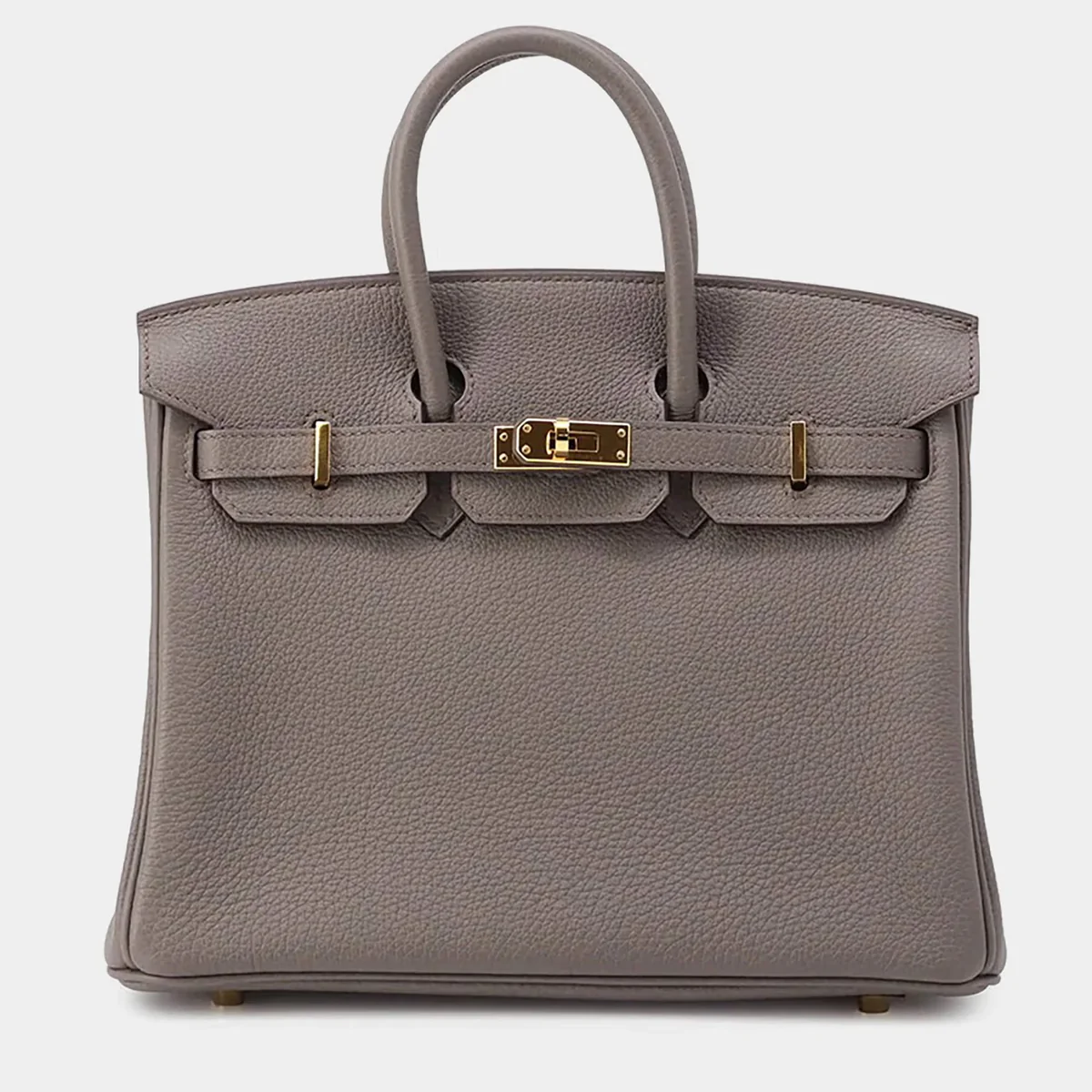
Ask a handbag collector why Hermès is different, and you’ll get some version of the same answer: it’s the only luxury brand where buying the bag can cost you less than not buying it. That sounds like marketing spin until you look at the numbers.
Across the current Hermès range, resale retention runs from roughly 90% to well over 150% of original retail, depending on model, leather, hardware, and condition. The Constance holds an average retention near 105%, meaning most examples sell for more than their original sticker price on the secondary market. Hard-to-find configurations of the Kelly Mini II have traded above 280% of retail. Pristine Birkin 25s regularly clear their original price by a wide margin, and rare exotics — crocodile, alligator, lizard — can move into six-figure territory at auction.
No other handbag brand operates this way. Chanel Classic Flaps depreciate the moment they leave the boutique unless they’re a discontinued colorway. Louis Vuitton’s [[monogram canvas](/buying-guides/most-popular-louis-vuitton-bags-2026/)](/buying-guides/louis-vuitton-neverfull-buying-guide/) holds value reasonably well but rarely appreciates. Dior sits somewhere in between. Hermès is the outlier, and the reason isn’t mystique — it’s a deliberately engineered supply-demand imbalance that this guide breaks down in full, along with real data on what to buy, what to avoid, and how to protect that value once you own the bag.
A Recent Auction That Proves Birkin Resale Value Is Real #
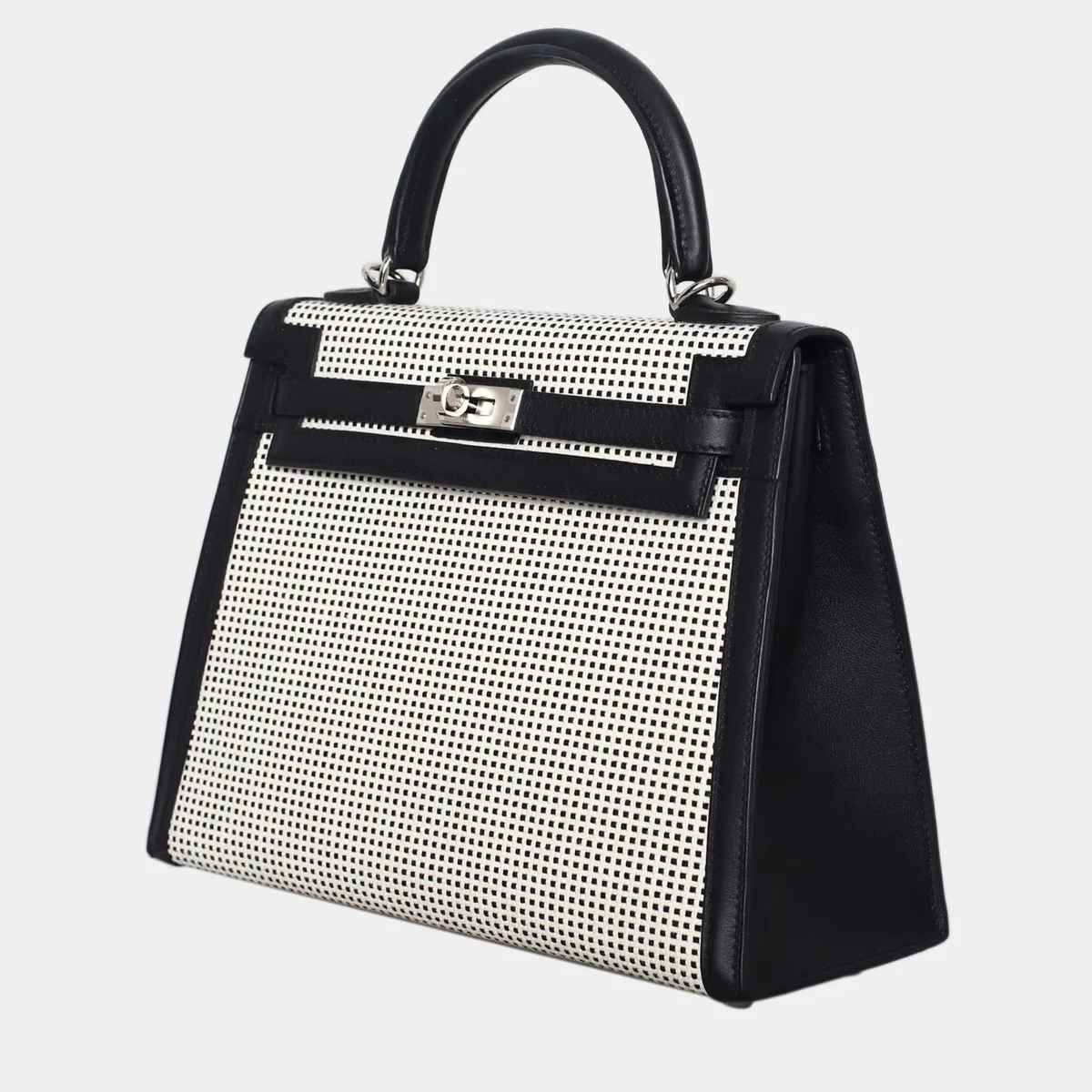
Skeptics of the “Birkin as investment” narrative usually assume resale premiums are exaggerated by sellers with something to gain. The Ho Chi Minh City government auction from May 2026 removes that bias entirely, because the seller wasn’t a boutique, a reseller, or a collector — it was a state asset disposal office.
The lots came from a criminal seizure: two white crocodile-skin Birkins confiscated from a jailed banking executive convicted in a $44 billion fraud case. There was no marketing campaign, no waitlist psychology, no curated provenance story. Just two bags put in front of open bidding. The headline lot, a rhinestone-embellished Birkin 25, closed at $440,144 — nearly 35 times its original retail price. A second bag, a Birkin 30, sold for $94,858. Both transactions closed within thirty minutes.
That auction wasn’t an isolated spike. In 2025, Jane Birkin’s original prototype bag — visibly worn, stickered, and far from mint condition — sold at Sotheby’s Paris for €8.6 million, becoming the most expensive handbag ever auctioned. Bidding opened at €1 million and a private collector in the room outlasted seven other bidders to take it.
Put those two sales side by side and the pattern is clear: demand for Birkins doesn’t come from Hermès marketing, and it doesn’t require pristine boutique provenance to hold. It comes from genuine scarcity meeting genuine desire, in markets with zero incentive to inflate the story.
Resale Value by Model: Birkin vs Kelly vs Constance #
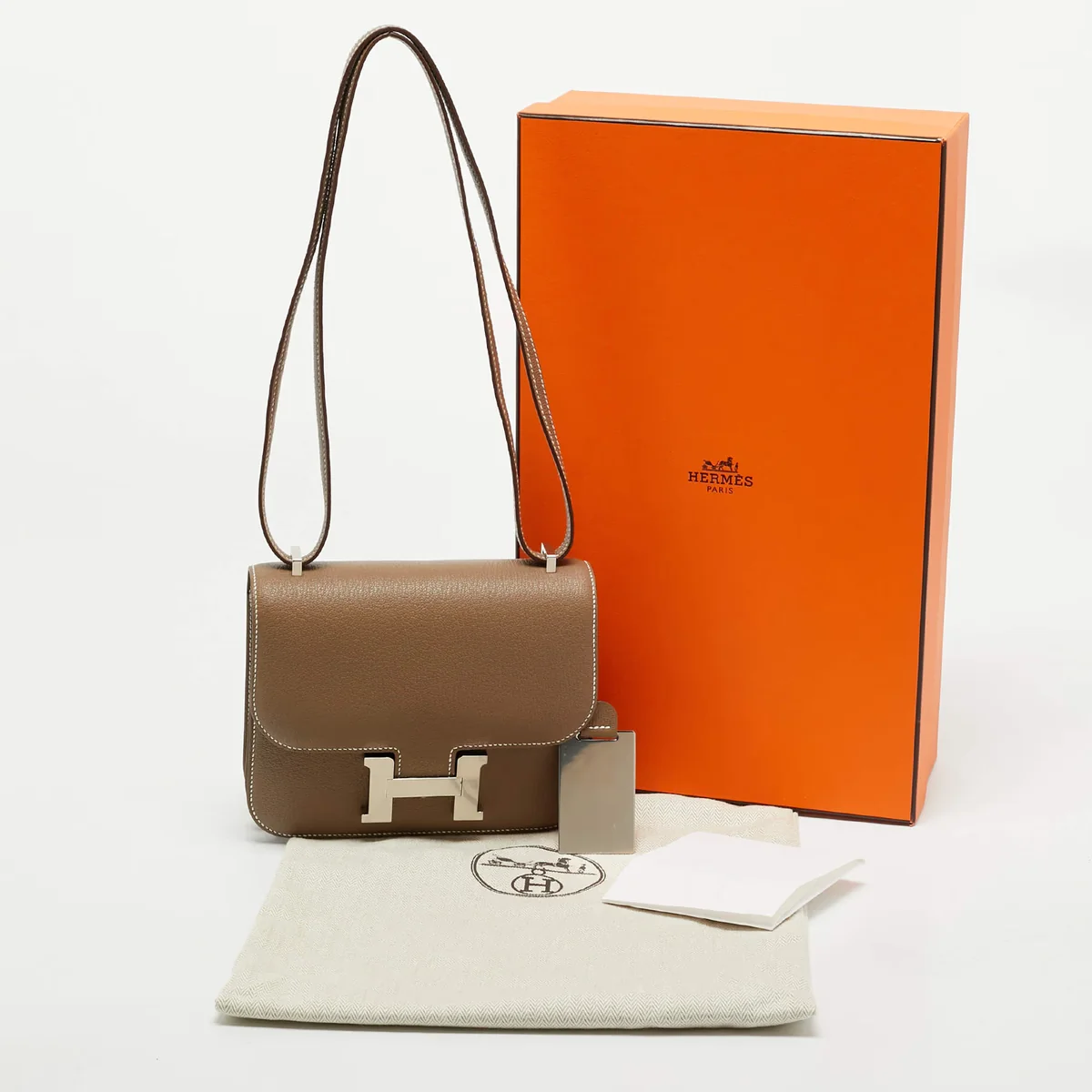
Not every Hermès bag performs the same way on resale, and treating “Hermès” as one monolithic asset class is where a lot of buyers misjudge their purchase. Here’s how the three flagship models compare.
| Model | Avg. Resale Retention | Typical Range | Notes |
|---|---|---|---|
| Birkin 25 | 110%–160% | Higher for exotic skins, hardware-matched sets | Most in-demand size; smallest supply relative to demand |
| Birkin 30 | 100%–130% | Slightly lower than 25 due to larger production run | Still strong, but more available secondhand |
| Kelly 25 (Sellier) | 100%–140% | Sellier structure outperforms Retourné | Structured silhouette commands a premium |
| Kelly Mini II | 150%–280%+ | Highest ceiling of any Kelly size | Extreme scarcity drives outsized premiums |
| Constance 18/24 | 100%–115% | Most consistent across colors | Best “floor” — rarely dips below retail |
A few patterns hold across almost every data point collectors track. Smaller sizes consistently outperform larger ones, because Hermès produces fewer of them relative to demand. Sellier (structured) construction outperforms Retourné (softer) construction in the Kelly line. And the Constance, while it rarely hits the six-figure auction highs of a rare Birkin, is the steadiest performer of the three — it almost never trades meaningfully under retail, which makes it the closest thing to a “safe” entry point in this category.
What Actually Determines a Hermès Bag’s Resale Value #
Model is only the starting point. Within any single model, resale outcomes can swing by 50% or more based on a handful of variables.
Leather Type #
Togo and Epsom are workhorse leathers — durable, scratch-resistant, widely produced — and they hold value well without commanding exotic premiums. Chevre is prized for its texture and slightly better long-term structure. Exotic skins (crocodile, alligator, lizard, ostrich) sit in an entirely different pricing tier; a crocodile Birkin can retail for 3–5x the price of the same bag in Togo and appreciate faster in percentage terms, but it also requires more careful maintenance and has a smaller buyer pool.
Hardware #
Palladium (silver-tone) and gold hardware are the standard options and trade fairly evenly, with regional preference shifting demand slightly. Limited hardware finishes — brushed gold, Guilloché, diamond-encrusted — pull outsized premiums because Hermès produces them in far smaller runs.
Size #
Smaller consistently means more valuable in percentage terms for Birkins and Kellys, because smaller sizes are harder to secure through official channels. This inverts slightly for bags meant for daily use, where practicality trumps rarity for some buyers, but from a pure resale standpoint, small wins.
Color #
Neutral, versatile colors (Etoupe, Gold, Black, Etain) have the broadest buyer pool and the most liquid resale market. Seasonal or bold colors (rare blues, oranges, exclusive pinks) can command a premium among collectors specifically hunting that shade, but they sell slower and to a narrower audience.
Exotic Skins #
Beyond the price premium, exotics are the category most exposed to volatility. CITES regulations on crocodile and alligator products can restrict international resale and shipping, which occasionally suppresses prices in certain regions even when global demand is strong.
Condition #
Condition is the single most controllable factor in this list, and also the one buyers most often neglect. A bag with corner wear, handle darkening, or interior staining can lose 20–40% of its potential resale value compared to an identical bag in excellent condition.
Rarity #
Limited editions, discontinued colors, and bags tied to notable collaborations or anniversaries carry collector premiums that don’t map cleanly to any of the factors above — this is the “wildcard” variable that auction houses lean on heavily in their marketing.
Which Hermès Bag Is the Best Investment Right Now #
If the goal is maximum appreciation rather than daily usability, here’s how I’d rank the options for a buyer entering the market now.
- Kelly Mini II, Sellier, exotic skin, palladium hardware — the smallest supply pool combined with the strongest structural demand. This is the highest-ceiling option, but also the hardest to actually acquire, and the buyer pool for resale is narrower.
- Birkin 25, Togo or Epsom leather, neutral color (Etoupe, Gold, Black) — the best balance of liquidity and appreciation. Easier to resell quickly than an exotic, and demand has been consistently strong for years.
- Kelly Sellier 25, classic hardware, neutral color — slightly more attainable than the Birkin 25 through official channels, with strong and stable retention.
- Constance 18, any standard leather — the most conservative pick. Lower upside than the options above, but the most reliable floor and the easiest to sell without a steep discount.
- Exotic Birkin 30 or Kelly 28 — strong long-term value, but slower-moving resale and more exposure to regulatory friction around exotic skins.
The honest caveat: none of this matters if you can’t actually acquire the bag at retail. For most first-time buyers, ranking #2 or #4 is more realistic than #1, and chasing the theoretical best investment often means overpaying on the secondary market for something you could have built store credit toward instead.
How to Buy (and Sell) a Hermès Bag for Maximum Resale Value #
Buying: Boutique Waitlist vs Secondary Market #
Buying through an Hermès boutique means paying current retail with no premium, but it requires building a purchase history (often called “developing a relationship” with a sales associate) and there’s no guaranteed timeline — it can take months or years to be offered a Birkin or Kelly. Buying on the secondary market gets you the bag immediately and lets you choose the exact color, leather, and condition you want, but you’ll pay a premium above retail, sometimes substantially.
For pure investment purposes, boutique purchases at retail offer the best margin, since you’re not paying someone else’s markup. For buyers who want a specific configuration now, reputable resale platforms and specialist consignment houses are the practical route — just budget for the premium as part of the cost of certainty.
Authentication: What to Actually Check #
Counterfeits are the single biggest risk in this market, and they’ve gotten sophisticated enough that “it looks right” isn’t a reliable test anymore. When buying secondhand:
- Check stitching consistency — genuine Hermès stitching is uniform, tight, and slightly angled; counterfeits often show irregular spacing.
- Verify the blind stamp and date stamp inside the bag against known authentic references for that production year.
- Inspect hardware weight and engraving depth — genuine palladium and gold hardware has a specific heft and crisp, evenly-depth engraving.
- Confirm leather grain and smell — genuine Togo, Epsom, and Chevre have distinct, consistent grain patterns that are hard to replicate convincingly.
- Use a third-party authentication service (Entrupy, Real Authentication, or a specialist consignment house’s in-house authenticator) for any purchase above a few thousand dollars, even if the seller seems credible.
If a deal seems too good relative to current market pricing for that model and condition, that’s a signal to slow down, not a reason to move fast.
Selling: Where and How #
Consignment through established luxury resale platforms or specialist boutiques typically nets more than selling peer-to-peer, because buyers trust the authentication process and are willing to pay accordingly. Keep original receipts, boxes, dust bags, and any Hermès paperwork — provenance documentation measurably affects resale price, especially for older bags. Clean and professionally condition the bag before listing; the cost of a proper leather clean is almost always recovered several times over in the final sale price.
Preserving Value Over Time #
Storage and care aren’t cosmetic afterthoughts — they’re directly tied to resale outcomes. Store bags upright in their dust bag away from direct sunlight and humidity, stuff them to hold shape, and avoid overstuffing which stresses seams and handles. Rotate use rather than carrying one bag daily, since handle darkening and corner wear are the two most common condition issues that cost sellers money later. For exotic skins, occasional conditioning with a product designed for that specific skin type prevents drying and cracking, which is far harder to reverse than to prevent.
Key Factors That Drive Resale Value (Leather, Hardware, Size, Color, Condition) #
For a quick reference, this is how each factor typically ranks in impact on final resale price:
- Leather: Exotic skins > Chevre > Togo/Epsom > Clemence, with exotics carrying the largest price multiplier but the narrowest buyer pool.
- Hardware: Limited finishes (brushed gold, diamond-set) > gold > palladium, though gold vs. palladium demand varies by region.
- Size: Smaller sizes outperform larger ones in percentage retention across nearly every model.
- Color: Neutral, versatile shades sell fastest and most reliably; rare or seasonal colors can spike price but slow the sale.
- Condition: Excellent condition can add 20–40% relative to a worn example of the same configuration; this is the factor most within an owner’s control.
- Rarity/Provenance: Discontinued colors, limited editions, and documented history add collector premiums that don’t follow a fixed formula.
FAQ: Hermès Resale Value and Investment Questions #
Do all Hermès bags appreciate in value? No. Only specific models — primarily the Birkin, Kelly, and Constance in sought-after configurations — reliably hold or exceed retail. Many other Hermès handbag lines depreciate like typical luxury goods.
What’s the best leather for resale value? Exotic skins (crocodile, alligator) command the highest percentage premiums, but Togo and Epsom in neutral colors are the most liquid — they sell fastest and to the broadest buyer pool. If you want ease of resale over maximum theoretical premium, choose Togo or Epsom in a neutral shade.
What’s the best color for resale? Etoupe, Gold, Black, and Etain are the safest choices for consistent resale demand. Bold or seasonal colors can occasionally command collector premiums but take longer to sell.
Should I buy from the waitlist or the secondary market? The boutique waitlist offers the best price (retail, no markup) but requires patience and purchase history. The secondary market offers immediate access and choice of exact configuration, at a premium. Choose based on whether you value cost efficiency or certainty and timing.
How do I know if a Hermès bag is authentic before buying secondhand? Check stitching, blind stamps, hardware weight, and leather grain, and use a third-party authentication service for higher-value purchases. Never rely solely on seller assurances or photos.
Does Hermès raising retail prices affect resale value? Yes, generally positively. Since Hermès raises prices almost annually, older bags purchased at lower retail prices often see their resale value pushed up as the new retail “floor” rises, particularly for models still in current production.
How does Hermès compare to Chanel, Louis Vuitton, and Dior for resale? No other major brand matches Hermès. Chanel Classic Flaps typically depreciate unless discontinued or highly limited. Louis Vuitton monogram pieces hold value moderately but rarely appreciate. Dior sits in a similar mid-tier position. Hermès’ Birkin, Kelly, and Constance are the only handbags in the luxury market that regularly exceed their original retail price on resale.
What are the biggest risks to Hermès resale value? Counterfeits are the top risk for secondhand buyers. Beyond that, regional demand shifts (a bag that’s in high demand in one market may be slower to sell in another), condition issues from improper storage, and general price volatility for exotic skins tied to regulatory restrictions are all real factors that can affect what a bag actually sells for versus its theoretical market value.
Related Articles #
- Popular Handbag Brands: Which One Is Right for You?
- Hermès Leathers Guide: Togo, Epsom, Exotic Skins Explained
- Sell Designer Handbags in 2025: Get Paid More, Faster
- Hermès Retail vs. Resale: Which Should You Choose?
- Hermès Leathers Guide: Togo, Epsom, Exotic Skins Explained
Related guides
- Online Bag Authentication: What Photos Can and Cannot Prove
- Hermes Oran Sandals Guide: History, Sizing & Authenticity
- Gucci Bamboo Bag: History, Craft & Authentication Guide
- How to Spot a Fake Hermès Birkin: Expert Tips
- How to Buy an Authentic Luxury Bag from China Safely
- New vs Pre-Owned Luxury Bags: Which Route Is Right for You?
- Chanel Bag Guide: What to Know Before You Buy
- Luxury Bag Houses


Keyword index