Introduction #
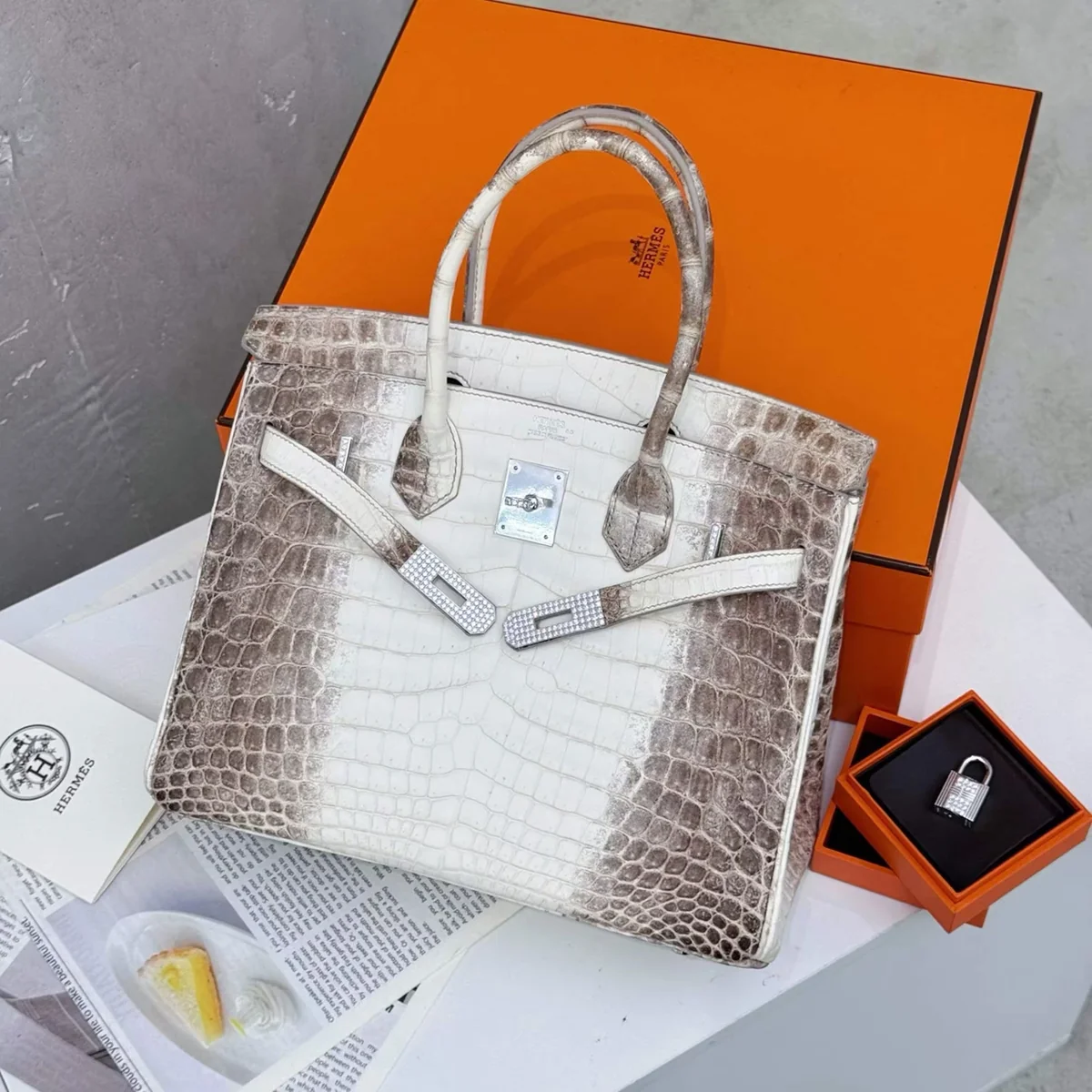
Ask ten Hermès owners how they got their first Birkin or Kelly, and you’ll get ten different stories. Some spent three years building a relationship with a sales associate before ever seeing the bag they wanted. Others opened a laptop, found the exact combination of leather and hardware they’d been dreaming about, and had it shipped within a week. Neither buyer is wrong. They just optimized for different things.
That’s the real question behind “Hermès retail vs resale.” It’s not about which channel is better in the abstract. It’s about what you’re willing to trade: time for certainty, or money for speed. Retail rewards patience and a willingness to play a long, somewhat opaque game. Resale rewards buyers who know exactly what they want and are prepared to pay a premium to skip the line entirely.
This guide breaks down both paths in detail: how the boutique process actually works, how resale pricing and platforms operate, what you’re really paying for in each case, and how to protect yourself from the counterfeit risk that comes with buying pre-owned. By the end, you should have a clear sense of which route fits your budget, your timeline, and how much friction you’re willing to tolerate.
The Status Quo of Hermès Bags #
Hermès bags occupy a strange position in the luxury market. They’re fashion objects, but they behave like assets. A Birkin or Kelly bought a decade ago has, in many leathers and sizes, appreciated rather than depreciated — something almost no other handbag, and very few luxury goods of any kind, can claim.
That performance isn’t an accident. Hermès controls production volume deliberately, and it has never chased growth the way most luxury conglomerates do. The company would rather sell fewer bags at full price than flood the market and dilute demand. This is the entire engine behind both the boutique waitlist and the resale premium: manufactured scarcity meeting genuine craftsmanship and genuine demand.
The Birkin and Kelly are the clearest examples. Both are still largely hand-stitched by a single artisan per bag, both use leathers that take years to source and tan properly, and both carry decades of cultural weight — from Grace Kelly using her bag to shield a pregnancy from paparazzi, to the Birkin’s origin story as a chance conversation on a plane. That history matters to buyers in a way that’s hard to quantify but easy to see in the prices people are willing to pay, both in-store and secondhand.
The consequence is a two-track market. Retail keeps the mythology alive through scarcity and ritual. Resale monetizes that scarcity in real time. Understanding how each side works is the difference between overpaying out of impatience and underpaying out of ignorance.
How Retail Works: The Pre-Spend Ritual and Waitlists #

Walking into a Hermès boutique and asking for a Birkin will not get you a Birkin. That’s the first thing to understand about retail. Classic bags — Birkin, Kelly, Constance in the most requested sizes and leathers — are almost never sold to walk-in customers off a display shelf. What you’re actually doing when you shop retail is applying for the opportunity to be offered one.
Building a relationship with a sales associate (SA) #
Nearly every successful retail purchase starts with a relationship, not a transaction. Regular clients build rapport with a specific SA over months or years, through repeat visits and purchases of ready-to-wear, scarves, jewelry, home goods, or smaller leather pieces. This is often referred to informally as “pre-spend,” though Hermès itself doesn’t publish a formal spending requirement — there’s no official threshold printed anywhere. In practice, clients report needing to spend anywhere from a few thousand to well over ten thousand dollars across other categories before an SA feels comfortable offering a bag.
This isn’t a loyalty program in the conventional sense. It’s closer to trust-building. SAs have limited bag allocations and want to offer them to clients who will actually carry the piece, come back, and continue the relationship — not to someone who will resell it the next day.
The waitlist reality #
“Waitlist” is a slightly misleading word, since Hermès doesn’t run an official numbered list the way some brands do. There’s no ticket number and no guaranteed turn. Instead, it’s an informal, relationship-driven queue managed store by store, SA by SA. Timelines vary enormously by location, size, leather, and color: some clients are offered a bag within six months in smaller markets or less-requested combinations; others wait two to four years for a specific size in a popular leather like Togo or Epsom.
Crucially, you rarely get to choose the exact configuration. Most first offers come with limited say over color, leather, or hardware. Turning down an offer can reset the clock or cool the relationship, so many buyers accept what’s offered even if it isn’t their first choice.
Store experience and pricing #
What you do get, consistently, is service. Boutique staff are trained to make the purchase feel personal, and pricing is fixed and transparent — you pay the exact retail price set by Hermès globally, with no negotiation and no premium. This is retail’s biggest financial advantage: it’s the only channel where you’re guaranteed to pay the lowest possible price for the bag.
The tradeoff is obvious. You’re paying in time and uncertainty, not just money. If you need a bag on a deadline — a wedding, a milestone birthday, a specific outfit — retail is a poor fit.
How Resale Works: Instant Access at a Premium #
Resale flips the retail equation. Instead of waiting years for an SA to offer you whatever combination happens to be available, you search, compare, and buy the exact bag you want — often within days.
What you’re actually paying for #
The premium on resale isn’t just markup for the sake of it. It reflects three things: guaranteed availability, buyer choice (you pick the size, leather, hardware, and condition instead of accepting what’s offered), and the labor of authentication and vetting that a reputable platform performs before listing a bag. For rare colors, discontinued leathers, or exotic skins like Niloticus crocodile or Himalaya Birkins, resale may be the only realistic way to own one at all, since Hermès simply doesn’t make enough of them to satisfy boutique demand.
How pricing is set #
Resale platforms and consignment sellers price bags based on current retail cost, condition, rarity of the color or leather, hardware finish (gold vs. palladium), and demand trends they track across recent sales. Unlike boutique pricing, resale prices move — sometimes month to month — in response to what collectors are actively chasing. A Birkin 25 in a common Togo neutral will price differently than the same size in Rouge H or a discontinued color like Bleu Zanzibar.
Speed as the core advantage #
The practical difference is stark. A retail buyer might spend two to three years securing a Kelly 28 in black Epsom with gold hardware. A resale buyer can own that same combination — sometimes in better-than-boutique condition, since pristine pre-owned bags exist — within a week of deciding to buy. For buyers who value certainty over savings, that speed is worth the premium.
Retail vs. Resale: Price and Value Comparison #
Here’s where the two channels diverge most sharply. Retail prices are fixed and public. Resale prices float with demand, rarity, and condition, and they’re almost always higher than retail for the most requested models — sometimes significantly so.
The table below reflects general 2025–2026 market patterns for popular sizes in classic leathers (Togo or Epsom, standard hardware). Treat these as directional ranges rather than exact quotes — actual resale prices shift with color, leather rarity, and individual seller pricing.
| Model & Size | Approx. Retail Price (USD) | Typical Resale Price Range (USD) | Approx. Premium Over Retail |
|---|---|---|---|
| Birkin 25 | $11,500–$12,500 | $16,000–$22,000 | 40–75% |
| Birkin 30 | $12,500–$13,500 | $17,000–$24,000 | 35–70% |
| Kelly 25 | $11,000–$12,000 | $15,000–$20,000 | 35–65% |
| Kelly 28 | $11,500–$12,500 | $16,000–$21,000 | 35–65% |
| Constance 18 | $8,500–$9,500 | $10,500–$14,000 | 20–45% |
A few honest caveats on this data. Exotic skins (crocodile, alligator, lizard) push both retail and resale prices into a completely different bracket, often two to four times the equivalent leather bag, and premiums there can swing even more dramatically based on scale pattern and finish. Discontinued or seasonal colors also command outsized premiums regardless of size. And resale prices for the same bag can vary 15–20% between platforms depending on their fee structure and vetting overhead.
Value retention over time #
This is where Hermès genuinely separates itself from the rest of the handbag market. Classic Birkins and Kellys in popular leathers have historically held or exceeded their original retail price on resale, particularly in neutral and evergreen colors like black, etoupe, or gold. This isn’t universal — trend-driven colors and less durable leathers like Clemence in light shades can see more depreciation with wear — but as a category, Hermès bags retain value far better than the overwhelming majority of [[[[designer handbags](/buying-guides/chanel-flap-bag-buying-guide/)](/brands/celine-luggage-tote-guide-sizes-history-resale-value-1/)](/brands/celine-luggage-tote-guide-sizes-history-resale-value/)](/brands/popular-handbag-brands/), most of which lose 40–60% of value the moment they leave the store.
That said, “investment” is doing a lot of work in this conversation. Resale value depends heavily on condition, documentation, and buying the right combination in the first place. Buying purely for appreciation, rather than because you want to carry the bag, is a riskier bet than most resale marketing suggests.
Authenticity and Trust: What to Watch For in Resale #
The premium buyers pay on resale exists precisely because demand outstrips retail supply — and that same gap is what fuels a persistent counterfeit market. Hermès is one of the most replicated brands in the world, and Birkins and Kellys in particular attract sophisticated fakes that can fool an untrained eye, especially in photos.
Common red flags #
Inconsistent stitching is one of the most reliable tells. Genuine Hermès bags are hand-stitched by a single craftsperson, and the stitches, while not machine-perfect, are remarkably even and tight. Counterfeit stitching often looks either too uniform (machine-made) or visibly uneven and loose.
Hardware weight and finish matter too. Authentic gold or palladium hardware has real heft and a specific plating quality that doesn’t tarnish or scratch the way base-metal counterfeit hardware does within months of use. Blind stamps (the small stamped mark indicating the artisan and production year) should be crisp, correctly positioned, and consistent with the year claimed for the bag — inconsistent or shallow stamping is a warning sign.
Smell and texture of the leather are harder to fake than most people assume. Genuine Togo, Epsom, and Clemence leathers have a distinct grain pattern and scent that differs meaningfully from the plastic-like feel of most counterfeit leather substitutes.
Why platform choice matters #
This is the core argument for buying resale only through reputable, vetted marketplaces rather than peer-to-peer listings on general marketplaces or social media. A serious resale platform employs trained authenticators, often with hands-on Hermès experience, and stands behind the authenticity of what it sells — typically with a written guarantee and return policy if a bag fails authentication after purchase.
When comparing platforms, look for a few concrete things: an explicit authenticity guarantee (not just a vague claim of “100% authentic” with no backing policy), in-house or third-party authentication credentials, clear photos of the actual bag rather than stock images, and transparent seller vetting if it’s a consignment model. Platforms that provide the bag’s blind stamp, hardware close-ups, and interior stamping in listing photos are generally more trustworthy than those that don’t, because they have nothing to hide.
Price is also a signal. If a Birkin is listed well below the low end of current resale ranges, that’s not a bargain — it’s a reason to slow down and scrutinize the listing before doing anything else.
Authentication Checklist for Resale Purchases #
Before buying any pre-owned Birkin, Kelly, or Constance, work through this checklist. No single point is definitive on its own, but together they build a reliable picture.
- Blind stamp: Confirm it’s present, correctly placed (inside the bag, near the strap attachment on most models), evenly stamped, and consistent with the claimed production year.
- Stitching: Look for tight, even hand-stitching with slight natural irregularity — not robotic uniformity, not sloppy gaps.
- Hardware: Check weight, plating quality, and engravings. Genuine hardware should feel substantial and show wear patterns consistent with the bag’s stated condition, not premature flaking or discoloration.
- Leather grain and smell: Genuine leather has a specific grain consistency per type (Togo’s pebbled texture, Epsom’s stamped cross-hatch) and a natural leather scent, not a chemical or plastic odor.
- Interior stamping and lining: Confirm interior craftsman stamps, correct lining material for the era, and that serial/date stamps match the bag’s claimed age.
- Proportions and hardware placement: Compare turn-lock size, strap width, and overall proportions against verified authentic reference photos of the same model and size.
- Documentation: Ask for original receipt, dust bag, box, and Hermès authenticity card where applicable — not mandatory for authenticity, but useful corroborating evidence and helpful for resale value later.
- Seller/platform transparency: Confirm the platform offers a written authenticity guarantee and a clear return path if the item fails a third-party authentication check after purchase.
- Price sanity check: Compare the asking price against current resale ranges for that model, size, and leather. Prices far below market are a warning sign, not a deal.
If you’re not confident evaluating these points yourself, many independent authentication services will review photos or the physical bag for a fee before you commit — a worthwhile expense relative to the price of the bag itself.
FAQ #
How long is the real wait for a Birkin or Kelly at retail? There’s no fixed timeline, and Hermès doesn’t publish one. Depending on store location, your purchase history, and the specific size, leather, and color you want, realistic waits range from around six months in less competitive markets to two to four years for popular combinations at flagship boutiques.
Do I really have to spend money on other Hermès items before I can buy a bag? Hermès has no official published spending requirement, but in practice, most successful retail buyers build a relationship with an SA through purchases in other categories first. How much and how long varies by store and SA.
Is resale always more expensive than retail? For the most requested models — Birkin, Kelly, Constance in popular sizes and leathers — yes, almost always. Less popular sizes, older seasons, or bags with visible wear can occasionally sell at or below original retail, but this is the exception rather than the rule.
Can I negotiate the price on a resale Hermès bag? Sometimes, particularly through consignment sellers or platforms with individual listings rather than fixed-price inventory. Room to negotiate is usually smaller for rare colors or exotic skins and larger for common combinations with more supply.
What’s the safest way to buy a Hermès bag secondhand? Buy through an established resale platform or consignment house with a written authenticity guarantee, trained authenticators, and a clear return policy. Avoid peer-to-peer marketplace listings or social media sellers unless you can independently verify authenticity yourself or through a third-party service before paying.
Does bag condition affect resale price significantly? Yes, substantially. New or like-new bags with original packaging command the highest prices. Gently used bags with minor corner wear or light handle darkening sell at a moderate discount. Vintage bags (typically 20+ years old) are priced on a different scale entirely — condition still matters, but rarity and character often outweigh minor wear in collector demand.
Is a Hermès bag actually a good investment? Select models and colors have historically held or exceeded retail value on resale, which is unusual for handbags. But treating any bag purely as a financial investment is risky — value depends on condition, color, leather, and market trends at the time you sell, none of which are guaranteed.
Related Articles #
- Hermès Leathers Guide: Togo, Epsom, Exotic Skins Explained
- Hermès Leathers Guide: Togo, Epsom, Exotic Skins Explained
- 5 Most Popular Chanel Bags You Need to Know
- 5 Iconic Bags Named After Famous Women (Buying Guide)
- How Pre-Owned Luxury Fashion Is Reshaping the Industry
Related guides
- Online Bag Authentication: What Photos Can and Cannot Prove
- Hermes Oran Sandals Guide: History, Sizing & Authenticity
- Gucci Bamboo Bag: History, Craft & Authentication Guide
- How to Spot a Fake Hermès Birkin: Expert Tips
- How to Buy an Authentic Luxury Bag from China Safely
- New vs Pre-Owned Luxury Bags: Which Route Is Right for You?
- Chanel Bag Guide: What to Know Before You Buy
- Luxury Bag Houses


Keyword index