Introduction#
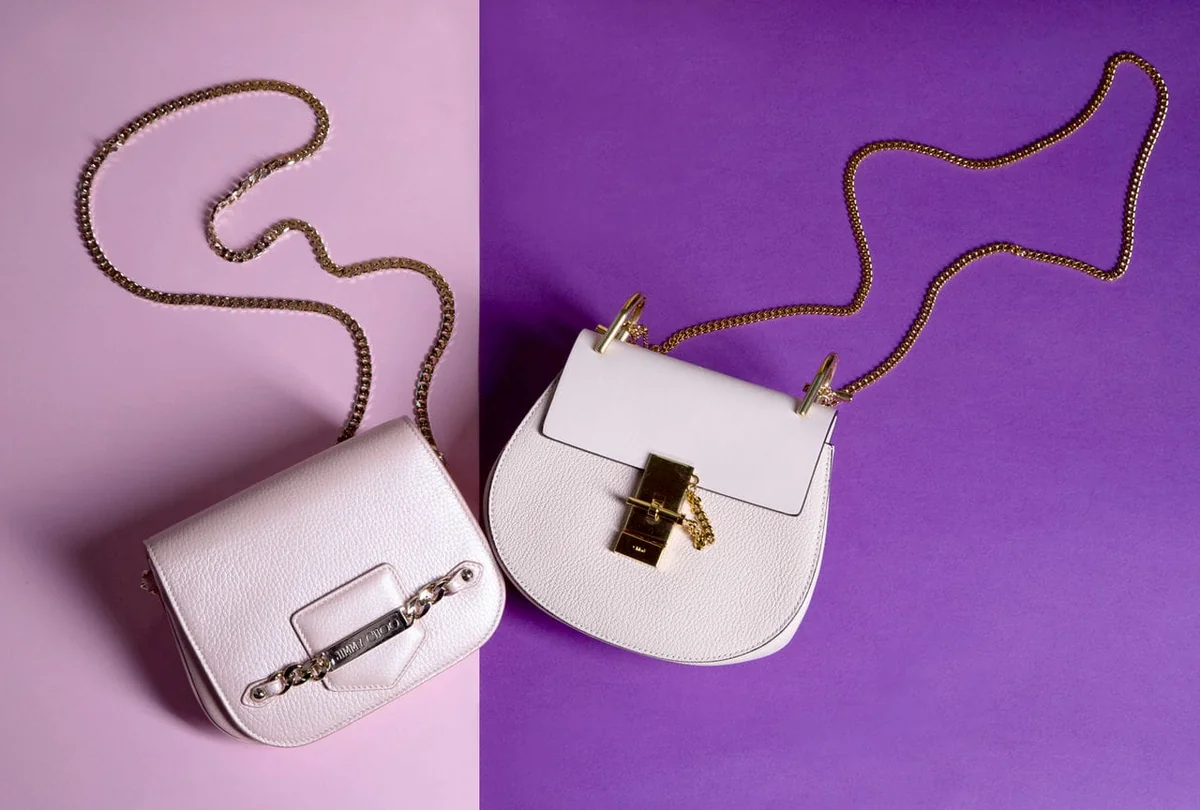
Not every expensive bag earns “It bag” status. Plenty of $5,000 handbags disappear into obscurity within a season, while a handful of designs become the pieces every stylist name-checks, every waitlist forms around, and every resale platform tracks like a stock ticker.
After years of handling these bags in person, watching them move through consignment shops, and testing which ones actually survive daily use versus which ones live in dust bags, I’ve noticed the “It bag” designation comes down to four things: a design distinctive enough to recognize from across a room, construction that holds up over a decade or more, a brand story with real weight behind it, and — the part collectors care about most — a track record of holding or gaining value on the resale market.
This isn’t a roundup of whatever’s trending on social media this week. It’s a curated list of the handbags that have already proven themselves, plus honest notes on where each one falls short, because no bag — not even a Birkin — is perfect for every buyer. If you’re building a designer handbag wardrobe or evaluating pieces for their investment potential, here’s where to focus your budget in 2024.
The Timeless Chain & Flap Icons#
The chain-strap flap bag is the category that essentially built the modern idea of an “It bag,” and Chanel’s Classic Flap remains the reference point everyone else gets measured against.
[Chanel Classic Flap](/buying-guides/vintage-chanel-finds-top-picks/). Introduced in 1955 and reworked by Karl Lagerfeld in the 1980s with the addition of the interlocking CC clasp, this bag has barely changed its silhouette in almost seventy years. That’s the whole point. The quilted lambskin or caviar leather, the woven chain-and-leather strap, the turn-lock closure — it’s a design Chanel has protected fiercely, and it shows in how well older pieces still look current. I’ve handled Classic Flaps from the ’90s that photograph just as well as ones bought last month.
The honest downside: lambskin is genuinely delicate. It scratches, it shows watermarks, and corners rub if you’re not careful. Caviar leather is the more practical choice for anyone planning to actually use the bag rather than display it. Chanel has also raised prices aggressively — the Medium Classic Flap now retails well above $10,000, roughly triple what it cost a decade ago — which has pushed a lot of former Chanel loyalists toward the resale market or toward competitors like Dior’s Lady Dior or Saint Laurent’s Envelope bag for a similar chain-and-quilt aesthetic at a lower entry point.
Similar heritage chain bags worth knowing: the Dior Lady Dior (structured, Cannage-quilted, less flexible day-to-day than the Chanel) and the Saint Laurent Loulou (softer, more casual, considerably more affordable).
Bottom line: buy the Classic Flap for its permanence and resale liquidity, not because it’s the most comfortable or versatile bag you’ll own.
Structured Statement Bags Worth the Waitlist#
This category is about exclusivity as much as design. These are the bags where the waiting — literal or figurative — is part of the value proposition.
Hermès Birkin and Kelly. There’s no getting around it: you generally cannot walk into an Hermès boutique and buy a Birkin off the shelf. Availability is tightly controlled, tied to purchase history with the brand, and the unofficial waitlist culture around it is real. The craftsmanship, though, justifies a lot of the mythology. Each bag is made by a single artisan, hand-stitched, and the leather quality on a Togo or Epsom Birkin is noticeably denser and more resilient than anything in the quilted-flap category. Retail starts around $10,000-$12,000 for the smallest sizes and climbs steeply with exotic skins.
The Kelly, structurally similar but with a top handle and flap closure, is arguably the more elegant of the two and, in my experience, slightly easier to source. Both bags are heavy for their size, which is worth knowing before you commit — this is not a bag you carry all day without noticing it on your shoulder.
Fendi Peekaboo. A more attainable entry into structured luxury, launched in 2008. The reveal-and-conceal top closure is genuinely clever, the craftsmanship is strong, and pricing (roughly $4,000-$6,000 for the standard size) is a fraction of Hermès. It hasn’t built the same resale mythology as a Birkin, but it’s a well-made bag that doesn’t require years on a waitlist.
Honest take: the Birkin and Kelly deliver on both craftsmanship and long-term value, but the acquisition process is genuinely frustrating and not for everyone. The Peekaboo is the practical alternative if you want structure and quality without the chase.
Everyday Icons: Slouchy and Wearable Favorites#
Not every “It bag” needs to be precious. This category earns its status through sheer wearability.
Chloé Drew. Launched in 2014, the Drew became one of the most-copied silhouettes of the decade almost overnight, thanks to its slouchy suede-and-leather combination and the distinctive front flap with metal ring hardware. It’s genuinely one of the most comfortable designer bags I’ve carried — soft structure, cross-body option, and it looks intentionally lived-in rather than precious. Retail runs around $1,800-$2,200 depending on size and leather.
The catch: the suede front flap is not low-maintenance. It marks easily, doesn’t love rain, and shows wear faster than a structured leather bag would. It’s also had such an oversaturated moment that it can read as slightly dated depending on your circle — the fashion pendulum has swung toward structure again.
Other bags in this relaxed, everyday-icon space worth considering: the [Bottega Veneta](/buying-guides/best-luxury-clutches-2026-pre-owned-uae/) Cassette (intrecciato weave, quietly recognizable, holds up remarkably well) and the Loewe Puzzle (architectural but soft-sided, genuinely practical for daily use).
Bottom line: these are the bags you actually reach for on a Tuesday. Buy this category for lifestyle fit, not for aggressive resale appreciation.
Investment Value: Which It Bags Hold Their Worth#
If you’re buying with resale or appreciation in mind, these bags are not equal, and I’d be doing you a disservice to pretend otherwise.
Hermès Birkin and Kelly remain the strongest performers by a wide margin. Because retail availability is restricted, resale prices for popular sizes and leathers (Togo, Epsom, in classic colors like black, gold, or étoupe) routinely sit at or above original retail, and rare exotic-skin pieces have appreciated well beyond that. This is the closest thing in handbags to an appreciating asset, though condition, hardware (gold vs. palladium), and size all matter enormously to final resale value.
Chanel Classic Flap holds value well but doesn’t reliably appreciate the way it did a few years ago. Chanel’s repeated, steep price increases initially pushed resale values up alongside retail, but the market has started to soften slightly as buyers balk at both the new retail price and correspondingly high resale asks. It’s still one of the more liquid resale bags — meaning it sells relatively quickly — just not a guaranteed appreciating asset anymore.
Fendi Peekaboo depreciates more like a typical luxury handbag: expect to recoup somewhere in the 40-60% range on resale depending on condition and colorway, which is respectable but not investment-grade.
Chloé Drew and similar slouchy everyday bags depreciate the fastest of this group. Trend-driven silhouettes and delicate materials like suede work against long-term resale value. Buy the Drew because you’ll use it, not because you expect to recoup much of your money.
If resale value is your priority, prioritize in this order: Birkin/Kelly, then Classic Flap, then Peekaboo, then trend-driven everyday bags.
How to Choose the Right It Bag for You#
Set a real budget, including the gap between retail and resale. If a bag is on restriction (Birkin, Kelly) or has a long production lead time, you may end up paying above retail on the secondary market for immediate availability. Decide in advance whether that premium is worth it to you.
Match the bag to your actual daily life, not your aspirational one. A Birkin is heavy and formal. A Classic Flap is precious and needs careful handling. A Drew or Cassette is forgiving and casual. Be honest about which of these matches how you actually get dressed and move through your day.
Consider condition and pre-owned strategically. Buying pre-owned, especially for Chanel and Hermès, can meaningfully lower your entry cost while still delivering the resale-friendly benefits of the category. Look closely at corner wear, hardware tarnish, and interior lining condition — these affect both usability and future resale value more than small surface scuffs do.
Authenticate carefully, every time. For Hermès and Chanel especially, verify date stamps or serial numbers, stitching consistency, hardware weight and engraving, and — for Hermès specifically — the craftsman’s blind stamp. Buy pre-owned only from platforms or consignment sellers with in-house authentication processes and clear return policies. This is non-negotiable at this price point; counterfeits at the top of this market have become extremely convincing.
Don’t buy purely for resale. Even the best-performing bags on this list are not liquid the way a stock is — selling takes time, platform fees eat into returns, and market sentiment shifts. Buy first for a bag you’ll genuinely use and enjoy; treat value retention as a welcome bonus, not the primary reason for the purchase.
FAQ#
What actually makes a handbag an “It bag”? A combination of distinctive, hard-to-mistake design, durable construction, sustained brand desirability, and demonstrated resale performance. Trend alone doesn’t qualify a bag — longevity does.
Which It bag is the best investment right now? The Hermès Birkin and Kelly remain the most reliable for holding or exceeding retail value, largely due to restricted availability. The Chanel Classic Flap is a solid second, though its resale appreciation has slowed compared to a few years ago.
Is it worth buying an It bag pre-owned instead of new? Often, yes — particularly for Chanel and Hermès, where pre-owned pricing can be more accessible while the bag still retains most of its resale value. Just buy from a seller with verified authentication.
How much should I expect to spend on a true It bag in 2024? Realistically, entry into this category starts around $1,800-$2,500 for bags like the Chloé Drew, $4,000-$6,000 for the Fendi Peekaboo, $10,000+ for a Chanel Classic Flap, and $10,000-$12,000+ at minimum for an Hermès Birkin or Kelly, before exotic leathers push the price considerably higher.
How do I care for a delicate leather or suede It bag? Store it stuffed with tissue in its dust bag away from direct light, avoid overloading the interior (it stretches the shape), and have suede or lambskin professionally protected and cleaned rather than attempting it yourself. Rotate bags rather than using one daily to slow down wear on delicate materials.
Can I get a Birkin without being on a years-long waitlist? It’s difficult but not impossible. Building a purchase relationship with a boutique over time helps, and the pre-owned market remains the most realistic route for most buyers, though expect to pay at or above retail for sought-after colors and leathers.
Related Articles#
- Hermès Leathers Guide: Togo, Epsom, Exotic Skins Explained
- Chanel Flap Bag Buying Guide: Sizes, Prices & Deals
- 10 Best Designer Handbags Worth the Investment (2026)
- Exotic Skin Handbags: What You’re Really Paying For
- Classic and Chic Handbags: Timeless Style Icons
Related guides
- Online Bag Authentication: What Photos Can and Cannot Prove
- Fake Goyard Bag Guide: How to Spot Real vs Fake (2026)
- How to Spot a Fake Chanel Flap Bag: Authentication Guide
- How to Spot a Fake Hermès Birkin: Expert Checklist
- How to Buy an Authentic Luxury Bag from China Safely
- New vs Pre-Owned Luxury Bags: Which Route Is Right for You?
- Chanel Bag Guide: What to Know Before You Buy
- Luxury Bag Houses


Keyword index