Introduction#
A designer handbag is one of the few fashion purchases that has to work overtime. It needs to look right with a dozen different outfits, survive years of daily use, and, for a lot of buyers, hold its value well enough to justify the price tag in the first place. That’s a lot to ask of an accessory, which is exactly why choosing between the popular handbag brands on the market can feel more complicated than it should.
Walk into any luxury boutique or scroll through a resale platform and you’ll see the same handful of names surface again and again: Dior, Hermès, Chanel, Louis Vuitton, Valentino. Each has built its reputation on something different — craftsmanship, exclusivity, versatility, or a distinct design language — and each attracts a slightly different kind of buyer. Some readers want a bag they’ll use every single day for a decade. Others are shopping with resale value in mind, treating the purchase more like an asset than an accessory. Most people land somewhere in between.
This guide breaks down what actually separates these [luxury handbag brands](/buying-guides/best-designer-handbag-brands-2025/), where each one earns its price tag and where it falls short, and how to think through the decision based on your budget, lifestyle, and what you actually want out of the bag once the excitement of buying it wears off.
Heritage French Houses: Dior and Hermès#
If you want a handbag that reads as “old money” rather than “trend piece,” this is where you start looking. Dior and Hermès built their names on ateliers, not marketing campaigns, and it shows in how these bags age.
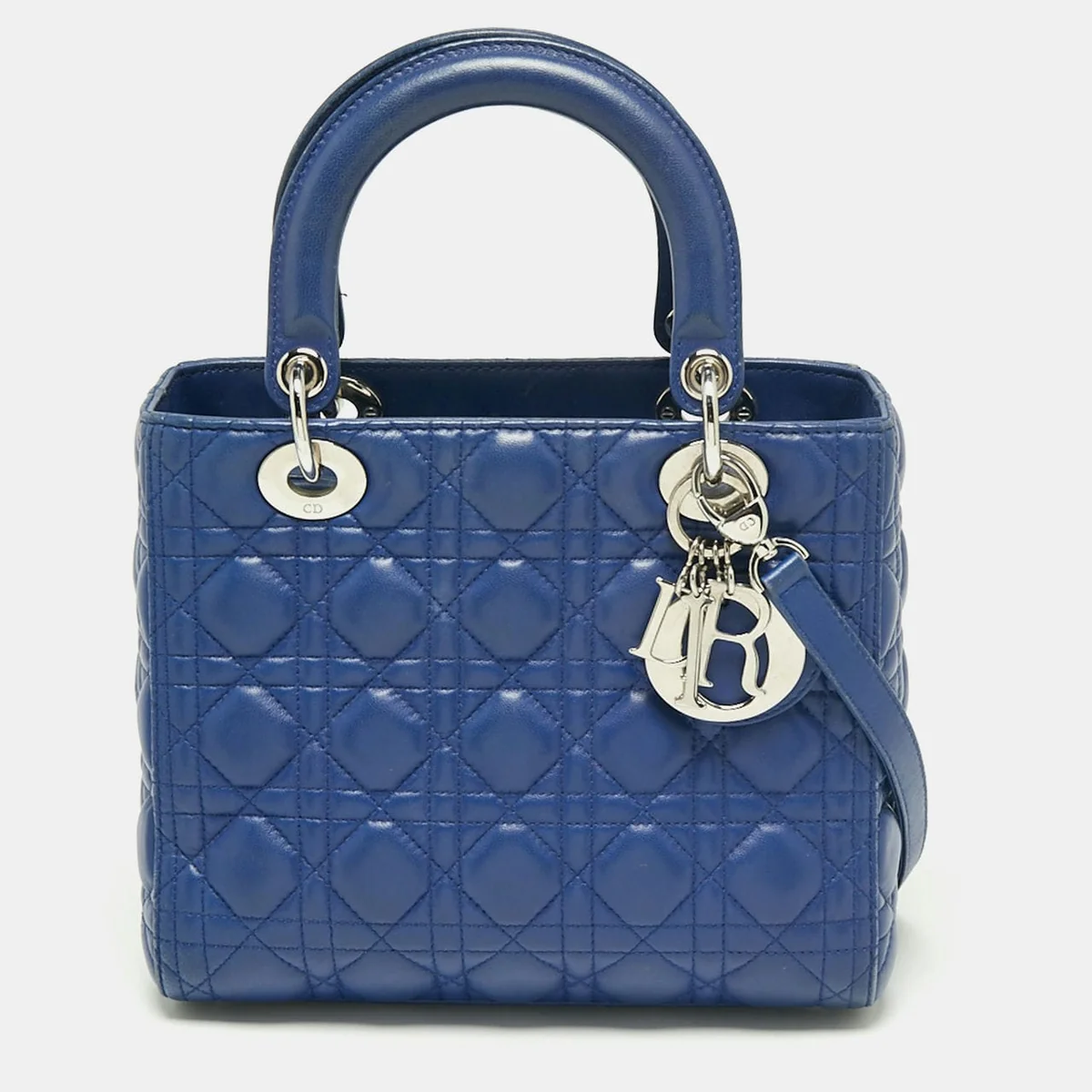
Dior has been producing handbags since the 1940s, and the house’s construction standards have barely wavered since. The Lady Dior — with its cannage stitching and dangling charms — is the design most people picture when they think of the brand, and it’s a genuinely smart buy for someone who wants a structured bag that photographs well and holds its shape after years of use. Dior’s range is broader than people expect too, running from saddle bags to totes that work for office days. The trade-off: Dior’s resale market, while solid, doesn’t command the same premiums as Hermès or Chanel. You’re buying craftsmanship and heritage here, not necessarily an appreciating asset.
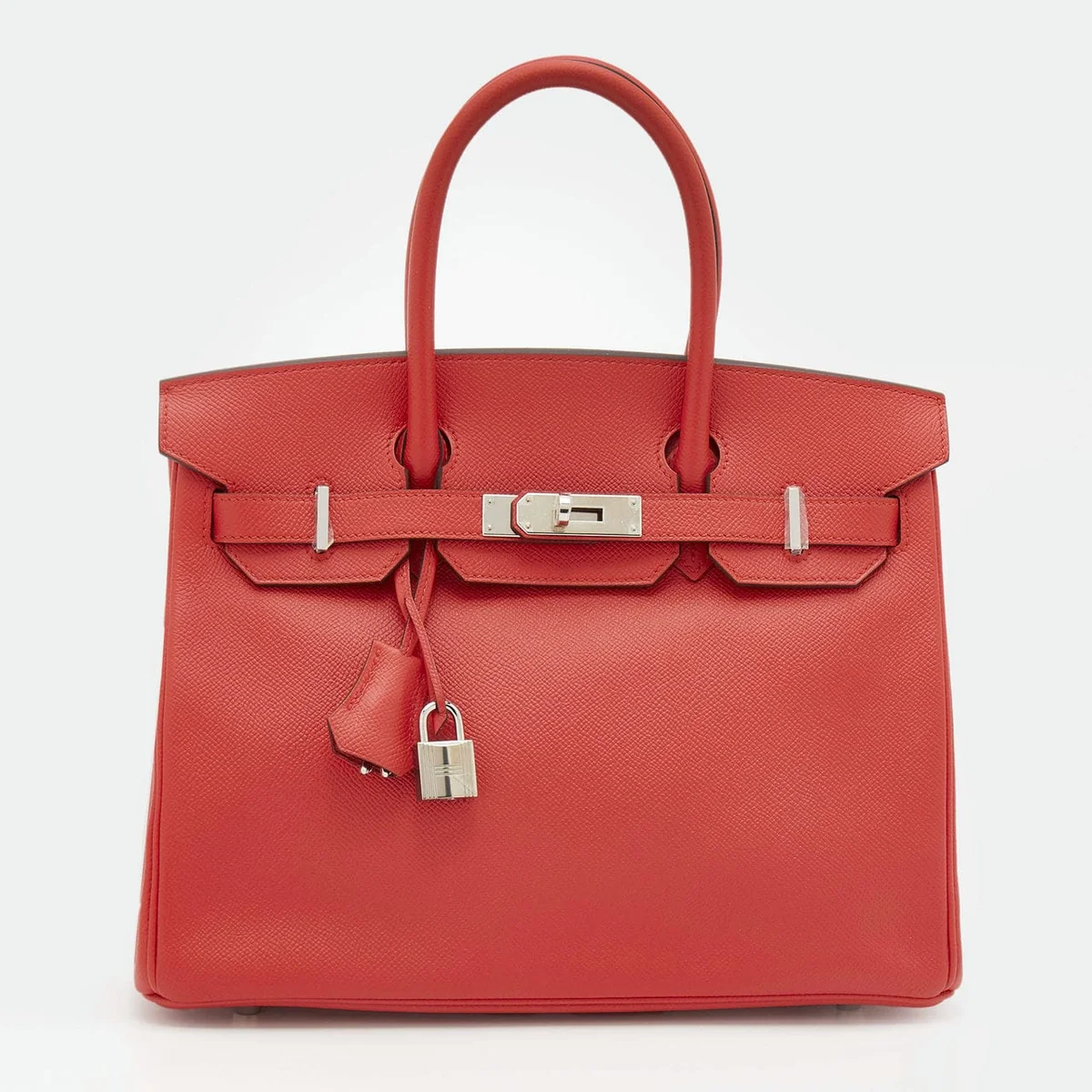
Hermès occupies its own category entirely, and it started, notably, as a harness and saddle workshop for equestrians — which explains why even its handbags prioritize function and structural integrity over decoration. The Birkin and Kelly are the obvious headliners, hand-stitched using leathers like Epsom and Togo, and they’re famous for a reason: well-maintained pieces routinely sell for more than retail, especially in rare colorways or exotic skins. That said, the waitlists and in-store “offer” system are real and can be genuinely frustrating for first-time buyers who just want to walk in and purchase a bag. If you’re new to Hermès, expect the buying process itself to be part of the learning curve.
Iconic Everyday Luxury: Chanel and Louis Vuitton#
These are the brands most people actually reach for on a Tuesday. Recognizable, durable, and versatile enough to justify near-daily wear, Chanel and Louis Vuitton sit at the intersection of style and practicality.
Chanel built its handbag reputation on the quilted Classic Flap and the more structured Boy bag, both instantly recognizable thanks to the interlocking CC hardware and diamond-stitched leather. What makes Chanel compelling from an investment standpoint is that the brand has raised its prices multiple times over the past several years, which has kept demand — and resale prices — unusually strong for pieces in good condition. The lambskin versions are gorgeous but genuinely delicate; if you’re rough on your bags, the caviar leather is the more sensible choice despite being slightly less soft to the touch.
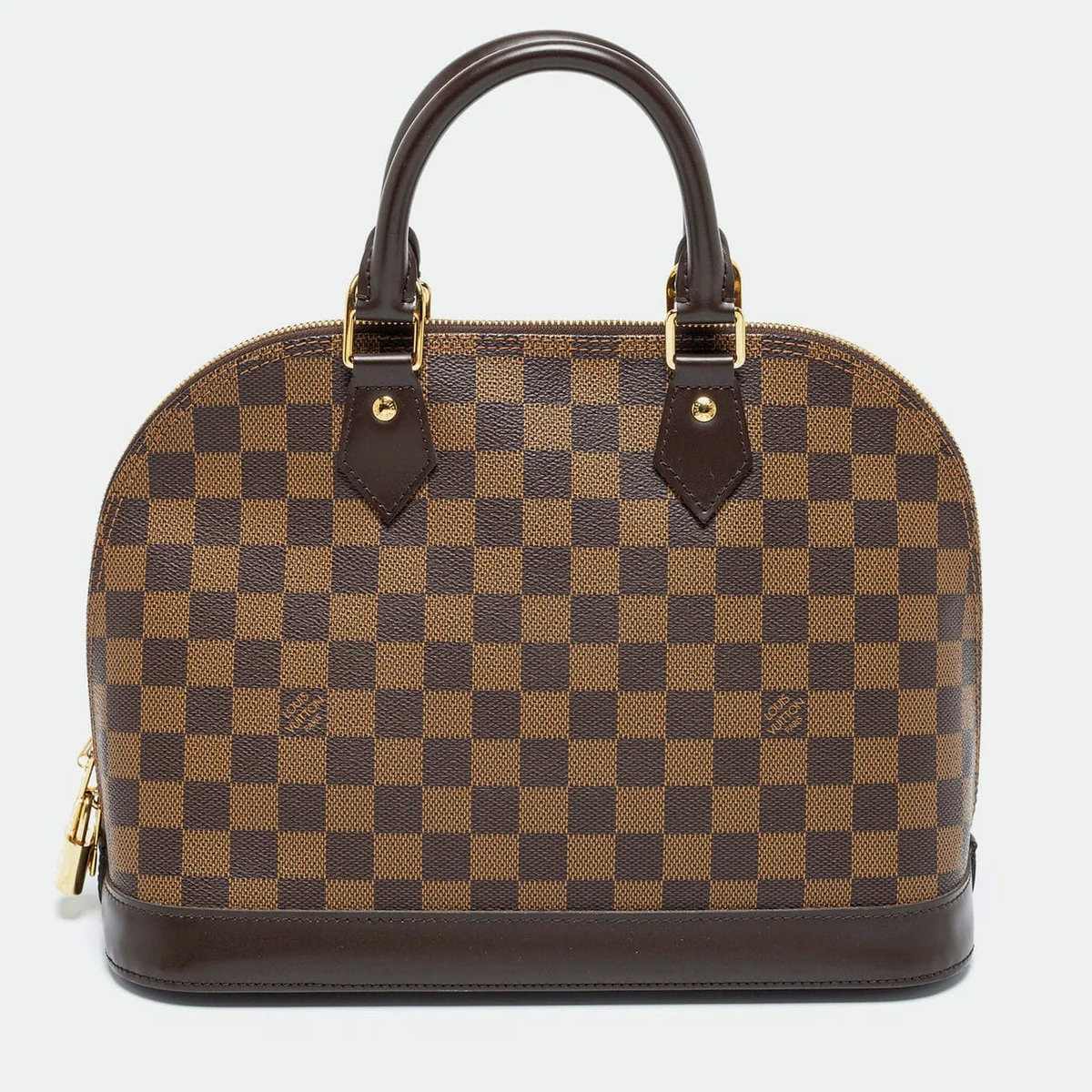
Louis Vuitton carries roughly 170 years of history and remains the brand most people can identify from across a room, thanks to the monogram canvas. That recognizability is a double-edged sword: it’s part of why LV bags are so wearable across seasons and occasions, but it’s also why counterfeits are rampant, and why some luxury buyers feel the monogram pieces have become almost too common for a “special purchase” feeling. The Damier Ebene Alma and the Neverfull remain genuinely practical, hard-wearing daily bags, and the coated canvas is more resistant to weather and wear than most leather alternatives — a real advantage if you’re commuting with your bag rather than keeping it as a shelf piece.
Bold and Modern Picks: Valentino and Other Directional Designers#
Not every luxury buyer wants a bag that blends in with what everyone else is carrying. This is where fashion-forward houses earn their keep.
Valentino has carved out a strong niche with pieces like the Rockstud and VLogo Signature bags, which lean into hardware and graphic detailing rather than quiet monogramming. These bags tend to skew younger in styling and pair naturally with the label’s ready-to-wear, which makes sense given Valentino’s roots as a couture house before it expanded seriously into accessories. The downside worth flagging: because Valentino’s handbag identity shifts more with each creative direction change than Hermès or Chanel’s does, older seasonal styles can date faster and don’t always hold resale value as reliably.
Yves Saint Laurent takes a different but equally directional approach, favoring supple Italian leather and hardware-driven silhouettes like the Kate and Loulou. YSL bags tend to feel softer and more “lived-in” than structured French-house pieces, which some buyers love and others find less reassuring in terms of long-term shape retention.
Dolce & Gabbana, meanwhile, leans hardest into maximalism — floral prints, baroque detailing, and a distinctly Sicilian sense of drama with bags like the Miss Sicily. If your personal style runs bold rather than minimal, D&G will read as more “you” than a quiet monogram ever could, though it’s worth knowing this is a brand where you’re paying largely for aesthetic impact rather than the quiet-luxury resale premiums that Hermès or Chanel command.
Which Handbag Brands Hold Their Value Best#
If resale and investment potential are part of your decision, the brands above don’t perform equally, and it’s worth being honest about that rather than assuming every “luxury” bag appreciates.
Hermès sits at the top by a wide margin. Birkins and Kellys in popular colors and leathers regularly sell above original retail on the secondary market, particularly rarer hardware finishes or exotic skins like crocodile. This is the closest thing to a genuine appreciating asset in the handbag world, though it comes with the caveat that not every Hermès bag benefits equally — seasonal or less iconic styles don’t see the same demand.
Chanel comes in a close second. Repeated price increases have effectively put a floor under resale values for the Classic Flap and similar staples, and well-kept pieces from earlier years sometimes sell for more than what buyers originally paid.
Dior and Louis Vuitton hold value respectably but not spectacularly. They depreciate less than most fashion-adjacent brands, but you shouldn’t expect appreciation — think of them as durable purchases rather than investments. Limited editions and collaborations are the exception; those can outperform the standard lineup.
Valentino, YSL, and Dolce & Gabbana sit lowest on this list for resale specifically because their design language shifts more with trends and creative direction changes. That’s not a knock on quality — it just means you should buy these because you love the bag, not because you’re expecting it to fund a future purchase.
How to Choose the Right Handbag Brand for You#
Start with how you’ll actually use the bag, not with the brand name you like most. A structured Lady Dior or Chanel Flap is a poor choice for someone who needs to sling a bag across their body while running errands with kids. A soft, slouchy YSL Loulou isn’t the right pick if you’re after something that keeps its shape on a shelf for a decade.
Budget matters beyond the sticker price too. Hermès and Chanel require the most upkeep awareness — leather conditioning, careful storage, avoiding overexposure to sun and moisture — because the resale value depends heavily on condition. If you’re not going to baby a bag, a more forgiving material like Louis Vuitton’s coated canvas will serve you better long-term than a delicate lambskin flap.
If investment potential genuinely matters to you, narrow your search to Hermès and Chanel first, and within those brands, prioritize classic, in-demand styles and neutral colorways over seasonal or trend-driven pieces. If you’re buying purely for personal style and don’t care about resale, that opens the door wider — Valentino, YSL, and Dolce & Gabbana are worth serious consideration if their aesthetic genuinely speaks to you, since you won’t be penalized for choosing something less “safe.”
FAQ#
Which handbag brand is the best investment? Hermès consistently outperforms other luxury handbag brands on the resale market, especially the Birkin and Kelly in classic leathers and colors. Chanel is the strongest runner-up, largely due to its pattern of price increases.
Are Louis Vuitton bags a good investment? Not really, at least not in the way Hermès or Chanel can be. LV bags hold value reasonably well and depreciate slowly, but they’re better thought of as durable, everyday luxury purchases rather than appreciating assets.
What’s the difference between Chanel and Louis Vuitton? Chanel leans more formal and fashion-driven, with quilted leather and structured silhouettes that skew dressier. Louis Vuitton is more casual and durable day-to-day, built around coated canvas that handles wear and weather better than most leather goods.
Is Valentino considered a luxury handbag brand? Yes. Valentino sits in the same luxury tier as the other houses covered here, though its handbag identity is more fashion-forward and changes more with each creative direction, which affects long-term resale consistency compared to Hermès or Chanel.
Why are Hermès bags so expensive? The pricing reflects genuinely hands-on construction — most bags are made by a single artisan start to finish — combined with deliberately limited production, which keeps demand consistently ahead of supply.
Should I buy a designer handbag new or pre-owned? Pre-owned is a legitimate way to access brands like Hermès and Chanel without the waitlists, and it can be significantly better value if you’re buying a discontinued color or limited style. Just verify authenticity and condition carefully, since resale value depends heavily on both.
Recommendations and Buying Advice#
If you want one bag that does almost everything well: a Louis Vuitton Alma or Neverfull in Damier or Monogram canvas is genuinely hard to beat for daily durability, and the price of entry is lower than most alternatives on this list.
If investment potential is your priority: buy Hermès if your budget allows it, and stick to classic leathers (Togo, Epsom) and neutral colors like Etoupe or Noir rather than chasing seasonal shades. If Hermès is out of reach, a [[Chanel Classic Flap](/buying-guides/vintage-chanel-finds-top-picks/)](/buying-guides/designer-must-have-bags/) in caviar leather is the next best move.
If you want something that photographs beautifully and holds its structure: Dior’s Lady Dior is worth the investment, particularly if you tend to dress more formally.
If your style is bolder than the classics allow: don’t force yourself into a monogram bag you don’t love. A Valentino Rockstud or a Dolce & Gabbana Miss Sicily will get more genuine wear from you than a “safer” investment piece sitting in your closet out of guilt.
Whatever you land on, buy the bag you’ll actually carry. The best-performing handbag on paper is a bad purchase if it doesn’t match how you live — and the most satisfying luxury purchases are almost always the ones that get used, not just stored.
Related Articles#
- Hermès Leathers Guide: Togo, Epsom, Exotic Skins Explained
- Designer Handbag Trends 2025: What’s Actually Worth Buying
- How Pre-Owned Luxury Fashion Is Reshaping the Industry
- Sell Designer Handbags in 2025: Get Paid More, Faster
Related guides
- Online Bag Authentication: What Photos Can and Cannot Prove
- Fake Goyard Bag Guide: How to Spot Real vs Fake (2026)
- How to Spot a Fake Chanel Flap Bag: Authentication Guide
- How to Spot a Fake Hermès Birkin: Expert Checklist
- How to Buy an Authentic Luxury Bag from China Safely
- New vs Pre-Owned Luxury Bags: Which Route Is Right for You?
- Chanel Bag Guide: What to Know Before You Buy
- Luxury Bag Houses


Keyword index