Introduction: Why Accessories Are the Real Style Statement#
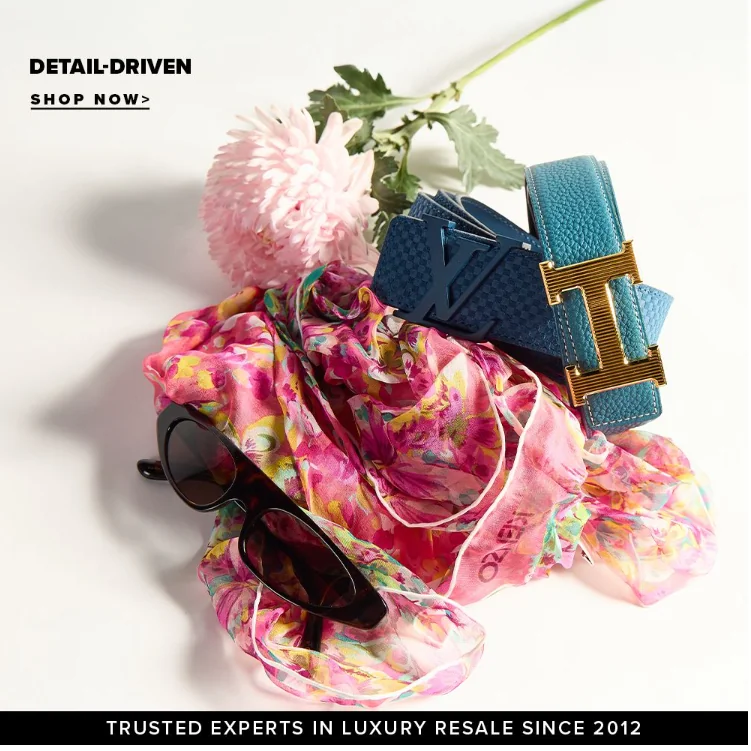
A perfectly cut blazer or a coveted handbag will get you noticed. But it’s the accessories, the belt cinched just right, the sunglasses that catch the light, the watch peeking out from a cuff, that actually make people remember what you wore. After years of covering this category, I’ve come to a simple conclusion: accessories are where personal style actually lives. Clothes set the foundation, but a Cartier Love bracelet, a pair of Chanel earrings, or a Hermès belt buckle is what turns “well dressed” into “unforgettable.”
The catch, of course, is that this level of craftsmanship comes with a price tag to match, and not every retailer selling these pieces is equally trustworthy. Buy from the wrong site and you’re not just overpaying, you’re risking a counterfeit, a customs headache, or a return policy that leaves you stuck. This guide is built to solve that problem. I’ve grouped the market into three realistic categories, first-hand luxury retailers, niche specialty boutiques, and vetted resale platforms, and I’ll tell you honestly where each one shines and where it falls short, so you can buy luxury accessories online with actual confidence instead of guesswork.
Why Buying Luxury Accessories Online Beats In-Store Shopping#
There was a time when buying into a major house meant playing a game you didn’t design. You’d hear stories of clients buying “filler” pieces, a scarf, a phone case, just to build enough purchase history to get offered the bag they actually wanted. Waitlists stretched for months. Sales associates decided who got access and who didn’t. It was inefficient by design, and it kept a lot of genuinely interested buyers on the outside.
That model has been quietly dismantled by the internet, and I don’t think enough people give it credit for how much it’s changed the category. A few concrete advantages:
- Pricing transparency. Online, you can compare a Bottega Veneta Intrecciato wallet across five retailers in ten minutes. In a boutique, you get one price, no comparison, no leverage.
- Selection depth. A single flagship store might carry 40 SKUs of a brand’s jewelry line. The brand’s own e-commerce site, plus multi-brand retailers, can show you hundreds, including sizes and colorways your local store never stocked.
- Access to discontinued and archive pieces. This is where resale and specialty sites genuinely outperform brick-and-mortar. A retired Van Cleef & Arpels Alhambra piece or a first-run Dior saddle bag charm isn’t sitting in a boutique drawer, it’s circulating through resale marketplaces and niche dealers.
- Speed and convenience. Two-day shipping from a verified retailer beats a 45-minute drive to a mall that may not even have your size in stock.
None of this means online shopping is risk-free, counterfeit accessories are a real and growing problem, particularly for smaller items like sunglasses, belts, and jewelry that are easier to replicate convincingly than a structured bag. That’s exactly why platform selection matters more here than almost anywhere else in fashion. Let’s get into who actually does this well.
Established Luxury Giants: New & Authentic Retailers#
These are the big, brand-authorized players. If your priority is zero authenticity risk and you’re willing to pay full retail (occasionally discounted during sales windows), this is your category. Every site below sources directly from the maisons, which means genuine authenticity guarantees, but it also means less room to negotiate on price and, for some in-demand pieces, actual waitlists.
Saks Fifth Avenue A heritage American department store that’s built a genuinely strong digital operation. Saks carries deep accessory assortments from Gucci, Louis Vuitton, Prada, and Tiffany & Co., and its seasonal sales (sometimes up to 70% off) are among the more aggressive markdowns you’ll see from an authorized retailer.
- Strength: Reliable customer service and a 30-day free return window that takes the risk out of trying pieces at home.
- Downside: Selection skews toward what’s commercially safe. Don’t expect archive or limited-edition pieces here.
MyTheresa This Munich-based retailer has become one of the more serious players in European luxury e-commerce, adding hundreds of new SKUs weekly across roughly 200 brands, including strong Hermès small leather goods and jewelry from Van Cleef & Arpels adjacent labels.
- Strength: Fast DHL shipping, and a genuinely editorial approach to merchandising rather than just dumping inventory online.
- Downside: European pricing (charged in euros) can run noticeably higher than U.S. retailers once you account for currency conversion and import duties on international orders.
Net-a-Porter Still one of the most polished shopping experiences in luxury e-commerce, with strong accessory categories in sunglasses (Dior, Celine) and fine jewelry (Cartier). Its in-house editorial content is genuinely useful for buying decisions, not just filler.
- Strength: A 28-day return window and real styling support through their app.
- Downside: Full price is often exactly that, full price. Sales are seasonal and predictable rather than surprising.
SSENSE A Montreal-based retailer that leans into the streetwear-meets-luxury crowd, Off-White belts, Balenciaga sunglasses, that kind of thing. Pricing here tends to run more competitive than the traditional department-store model.
- Strength: Frequent markdowns, sometimes up to 70% off.
- Downside: Popular pieces sell out fast, and their return policy is stricter on final-sale items than some competitors.
LuisaViaRoma A Florence institution that blends established maisons with emerging Italian designers, giving it a slightly different flavor than the others on this list.
- Strength: Genuinely differentiated selection, especially in leather goods and jewelry from smaller Italian ateliers you won’t find on the bigger platforms.
- Downside: Customer service response times have been inconsistent based on my own experience and recurring complaints in reviews.
The honest takeaway on this whole category: you’re paying for certainty. If a counterfeit is your worst fear, buy here. If you’re hunting for value or something rare, keep reading.
Niche and Specialty Luxury Platforms Worth Knowing#
Below the department-store tier sits a smaller group of platforms that trade scale for curation. They tend to be better at discovery, worse at breadth, and occasionally better on service because they’re not trying to be everything to everyone.
Moda Operandi Built around trunk shows and pre-order access, Moda Operandi lets you buy directly off the runway before pieces even hit stores, useful for jewelry and accessory capsules that sell out fast once they’re generally available.
- Limitation: Pre-order means waiting, sometimes months, for delivery. Not for impulse buyers.
24S Owned by LVMH, which gives it unusually deep access to Louis Vuitton, Dior, and Loewe accessory lines alongside other houses.
- Limitation: The LVMH ownership means non-LVMH brand selection can feel thinner by comparison.
Italist A clever model, Italist connects you directly to inventory sitting in Italian boutiques, often at prices below what you’d pay at a flagship because you’re buying at local Italian retail rather than U.S. or U.K. markup.
- Limitation: Shipping from Italy takes longer, and customs/duty costs on top of the sticker price can erase some of the savings if you’re not careful about the math.
Cettire An Australian platform known for genuinely steep discounts on real inventory.
- Limitation: This is the one where I’d urge real caution. Cettire’s discounts are legitimate, but customer service and return experiences have been inconsistent enough that I’d only recommend it to buyers comfortable troubleshooting an order themselves if something goes wrong.
Niche platforms are worth bookmarking specifically for the pieces the big retailers don’t bother with, limited capsules, regional exclusives, brands that haven’t scaled onto Net-a-Porter yet. Just go in knowing the safety net is thinner.
Top Luxury Resale Sites for Pre-Owned Accessories#
This is where things get genuinely interesting for collectors, and where I spend a meaningful chunk of my own shopping time. Resale isn’t just about saving money, though you will, it’s the only reliable way to access discontinued pieces, and for jewelry and watches in particular, it’s where actual investment value gets tested.
The RealReal One of the largest [[pre-owned luxury](/buying-guides/best-pre-owned-luxury-watch-brands/)](/buying-guides/best-luxury-casualwear-brands-effortless-style-2025/) marketplaces, with an in-house team of authenticators, including gemologists and horologists, for jewelry and watches specifically. That specialist layer matters: a generalist checking a handbag’s stitching is a different skill set from someone verifying a movement inside a vintage Cartier watch.
- Downside: Consignment pricing can fluctuate, and popular categories move fast, so inventory on any given day is a bit of a lottery.
Vestiaire Collective A European-rooted platform with a large, active peer-to-peer marketplace alongside professional sellers, plus a “Certified” authentication service for higher-value items.
- Downside: Because it’s peer-to-peer at its core, quality and photography standards vary more than on curated platforms. Read seller ratings closely.
Fashionphile Handbag and accessory-focused, with a genuinely strong reputation for authentication and a straightforward instant-quote sell-back tool that’s useful if you’re also looking to offload pieces.
- Downside: Selection is narrower than the RealReal or Vestiaire, particularly outside of handbags.
Rebag Known for its “Clair” pricing tool, which gives real-time resale values on specific bag and accessory models, genuinely useful data if you’re thinking about resale value before you buy.
- Downside: Inventory leans heavily toward handbags; jewelry and watch selection is comparatively thin.
Chrono24 / WatchBox For watches specifically, these are the two platforms serious collectors actually use. Chrono24 aggregates dealers globally with a buyer protection program; WatchBox has its own in-house certification and a curated inventory that skews toward investment-grade pieces.
- Downside: Chrono24’s dealer-marketplace model means quality control varies by seller, always check dealer ratings and transaction history before buying.
For collectors, resale is also where the investment conversation actually happens. Hermès leather goods, certain Cartier and Van Cleef & Arpels jewelry lines, and specific Rolex and Patek Philippe references have shown real appreciation or at minimum strong value retention over time. New retail can’t tell you that story, resale price history can.
How to Verify Authenticity and Avoid Red Flags#
I’ve handled enough counterfeit accessories over the years to know the fakes have gotten genuinely good, especially on smaller leather goods, sunglasses, and jewelry clasps. A few habits that actually protect you:
- Check the seller’s authentication process, not just their claim of it. “100% authentic guaranteed” on a listing page means nothing without a stated process behind it. Legitimate resale platforms will explain how they verify (in-house experts, brand partnerships, third-party services like Entrupy).
- Ask for close-up photos of hardware, stitching, and serial numbers or date codes before buying from any marketplace listing, especially peer-to-peer. Sellers with nothing to hide will happily provide them.
- Compare weight and materials against known specs. A Cartier Love bracelet has a specific weight range for its size and metal; a Chanel bag’s hardware has a particular finish and heft. If something feels notably lighter or cheaper than you’d expect, trust that instinct.
- Scrutinize the price. A price that’s dramatically below market for a “new with tags” luxury item is the single most reliable red flag there is. Real inventory doesn’t get discounted 80% by accident.
- Verify return policies before you buy, not after. A platform confident in its authentication will offer a real return window. Final-sale-only policies on high-ticket items should raise your guard.
- For watches specifically, ask for the movement’s service history and box/papers status. These materially affect both authenticity confidence and resale value later.
None of this is foolproof, but layering these checks catches the overwhelming majority of problems before money changes hands.
Which Platform Is Right for You?#
The new-only buyer. If a counterfeit risk is simply unacceptable to you, stay with the Established Luxury Giants: Saks, MyTheresa, Net-a-Porter, SSENSE, LuisaViaRoma. You’ll pay closer to full retail, but the authenticity guarantee is unambiguous and the return policies are the strongest in the market.
The bargain hunter. Niche platforms like Italist and SSENSE’s markdown cycles offer real savings on genuine inventory, but pair them with resale sites like The RealReal or Fashionphile for pre-owned pieces in excellent condition. You’ll often get more accessory for your budget, just be prepared for a narrower size and color selection than buying new.
The collector watching resale value. This is squarely resale territory: Vestiaire Collective and The RealReal for handbags and jewelry, Chrono24 or WatchBox for timepieces. Use tools like Rebag’s Clair pricing to understand where a piece sits on the value curve before you commit, and favor pieces with documented appreciation history (certain Hermès, Cartier, and Rolex references) over speculative newer releases.
The archive and discontinued-piece hunter. Resale marketplaces are genuinely your only reliable option here, no first-hand retailer can sell you something the brand stopped making years ago. Set saved searches on Vestiaire Collective and The RealReal for specific discontinued references and be patient.
FAQ#
Is it actually cheaper to buy luxury accessories online than in-store? Usually, yes, on price. Online retailers run more frequent and steeper sales than boutiques typically offer, and resale platforms can undercut retail significantly on pre-owned pieces. The exception is limited-availability new releases, where in-store waitlists sometimes get first access regardless of price.
How do I know if a resale site’s authentication is actually reliable? Look for platforms that name their authentication method specifically, in-house specialists, gemologists for jewelry, horologists for watches, or third-party verification technology. Vague marketing language without a described process is a warning sign, not a reassurance.
Do luxury accessories actually hold or increase in value? Some do, most don’t. Certain Hermès leather pieces, specific Cartier and Van Cleef & Arpels jewelry lines, and select Rolex and Patek Philippe watch references have genuine track records of appreciation or strong value retention. The average designer belt or pair of sunglasses will not appreciate, buy those for enjoyment, not investment.
What should I expect for shipping and returns on international luxury orders? Established retailers like MyTheresa and Net-a-Porter typically offer free shipping over a spending threshold and 28 to 30-day return windows. Factor in potential customs duties on cross-border orders, they can meaningfully change your final cost, especially from European retailers shipping to the U.S. or vice versa.
Are peer-to-peer resale marketplaces safe to buy from? They can be, but the risk profile is different than buying from a curated platform. Stick to sellers with strong transaction histories and reviews, use the platform’s official authentication service when one is offered, and never move a transaction off-platform to “save on fees”, that’s a classic setup for scams.
Is it worth paying more for an established retailer instead of a niche or resale site? It depends on what you’re optimizing for. Pay the premium if authenticity certainty and easy returns matter most to you. Shop niche or resale if you’re chasing value, rare pieces, or resale-savvy investment potential, just go in with the verification habits above already in place.
Related Articles#
- Best Time to Buy a Luxury Handbag: Save More in 2025
- Why the Chanel Crossbody Bag Never Goes Out of Style
- Sell Designer Handbags in 2025: Maximize Your Payout
- How Pre-Owned Luxury Fashion Is Reshaping the Industry
- Louis Vuitton Alma Bag: The Ultimate Buying Guide
Related guides
- Online Bag Authentication: What Photos Can and Cannot Prove
- Fake Goyard Bag Guide: How to Spot Real vs Fake (2026)
- How to Spot a Fake Chanel Flap Bag: Authentication Guide
- How to Spot a Fake Hermès Birkin: Expert Checklist
- How to Buy an Authentic Luxury Bag from China Safely
- New vs Pre-Owned Luxury Bags: Which Route Is Right for You?
- Chanel Bag Guide: What to Know Before You Buy
- Luxury Bag Houses

Keyword index