Introduction#
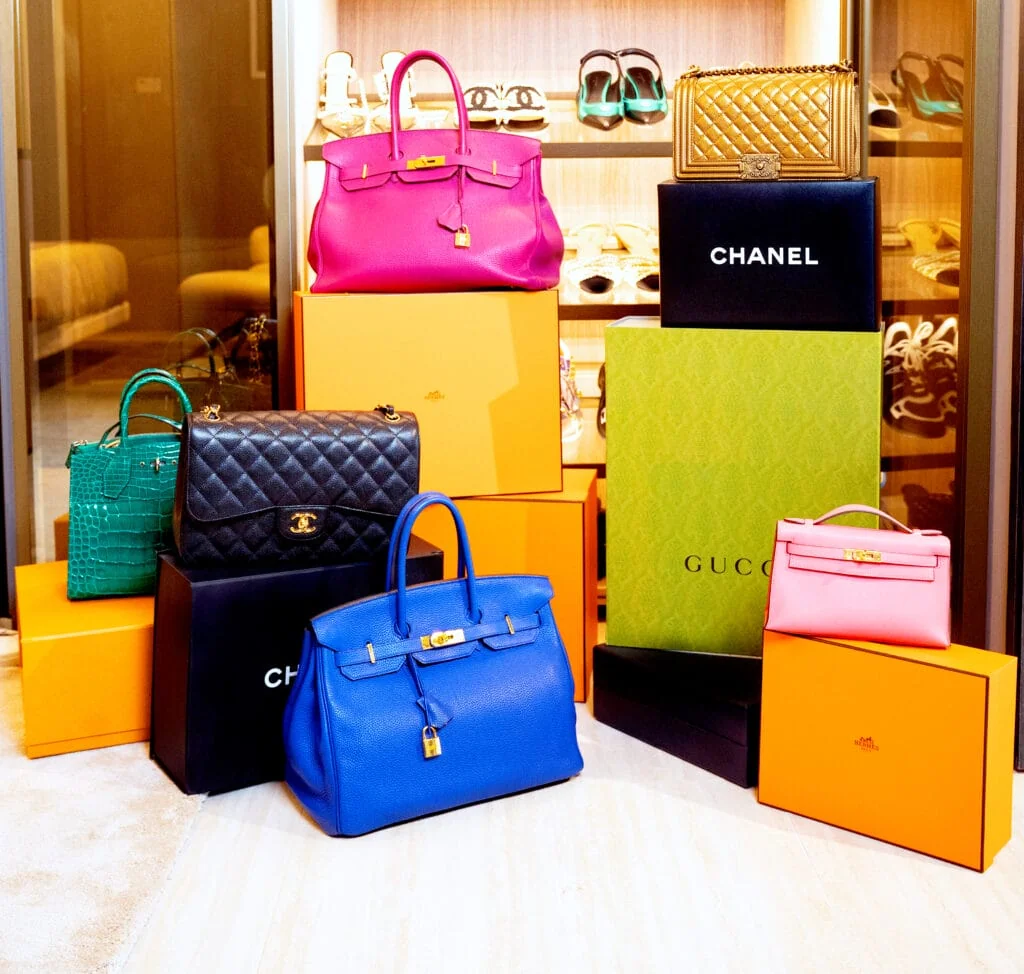
Not every expensive handbag is a good investment, and not every “It” bag deserves the hype. After years of handling, reselling, and wearing pieces from Hermès to Valentino, I can tell you the gap between the best designer handbag brands and everyone else isn’t marketing spin. It comes down to three things: who makes the bag, what it’s made of, and how hard the brand makes you work to get one.
Craftsmanship is the obvious differentiator. A Birkin and a mass-market tote might both be “leather bags,” but one is built by a single artisan over roughly 18-24 hours using saddle-stitching techniques that predate the sewing machine, and the other is assembled on a line. Materials matter just as much: box calf, epsom leather, exotic skins, and treated canvas all age, patina, and hold value differently. And exclusivity, whether it’s Hermès’ notorious waitlists or Chanel’s deliberate price increases, is often engineered rather than accidental.
In this guide, I’m breaking down the top designer handbags worth your money, organized roughly by prestige tier: the untouchable status symbols (Hermès, Chanel), the heritage names that balance recognition with wearability (Louis Vuitton, Dior), and the design-forward houses that trade heritage for creative risk (Valentino and a few others worth watching). I’ll also get into what actually holds resale value versus what just looks like it should, because those are two very different questions.
The Pinnacle of Prestige: Hermès and Chanel#
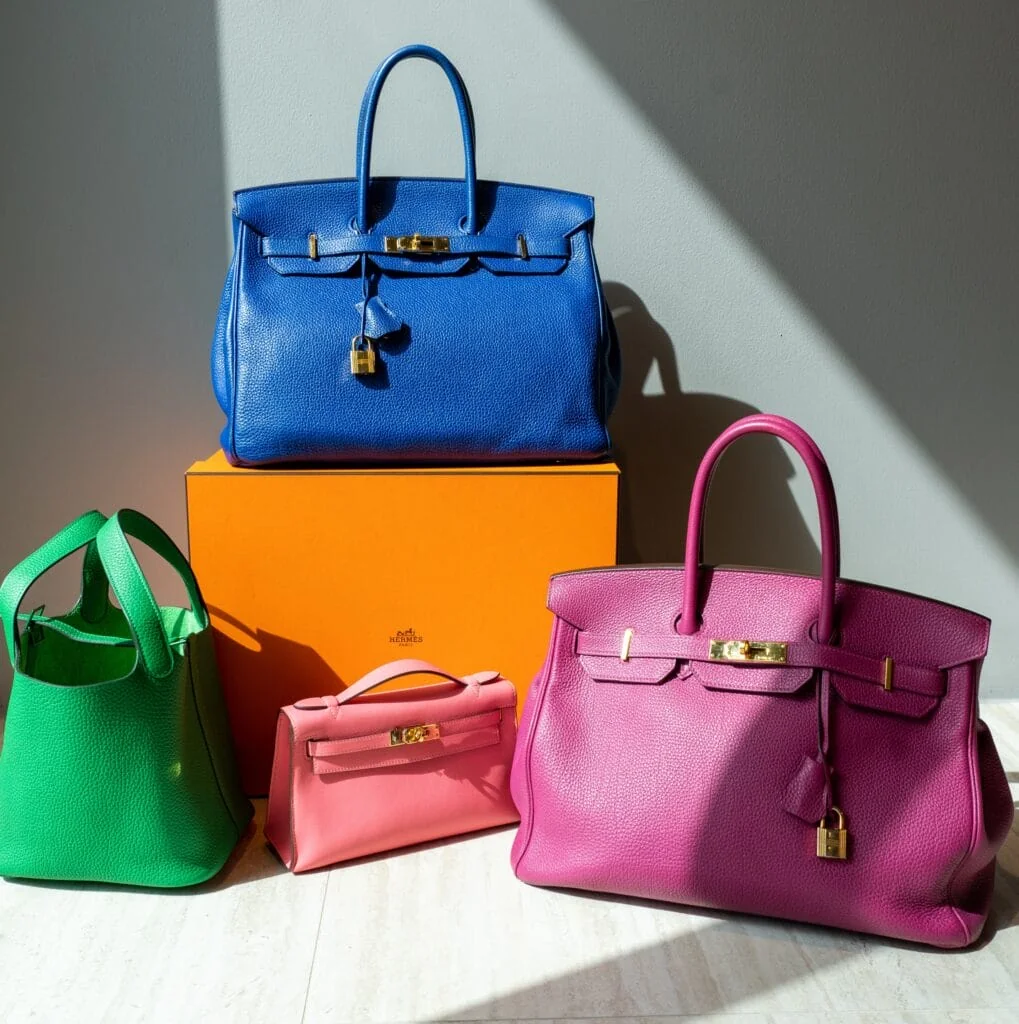
If you’re ranking luxury handbag brands by exclusivity and long-term value, Hermès and Chanel sit in a category by themselves. Everything else is “designer.” These two are closer to hard assets.
Hermès built its reputation on refusing to industrialize. A single artisan constructs each Birkin or Kelly bag from start to finish, including the saddle-stitching, which is stronger than machine stitching because if one thread breaks, the seam doesn’t unravel. That same artisan’s initials get stamped inside the bag, and if it ever needs repair, it goes back to them specifically. Leather grain is matched panel to panel by hand, which is why two Birkins in the same colorway can still look slightly different up close.
The trade-off is availability. Hermès produces a deliberately limited number of bags each season, and there’s no such thing as walking into a boutique and buying a Birkin off the shelf. You build a relationship with a store, buy other Hermès pieces first, and hope. It’s a frustrating system if you’re new to the brand, and I won’t pretend otherwise. But that scarcity is exactly why Birkins and Kellys have outperformed gold and the S&P 500 in some resale studies. The wait is the price of entry.
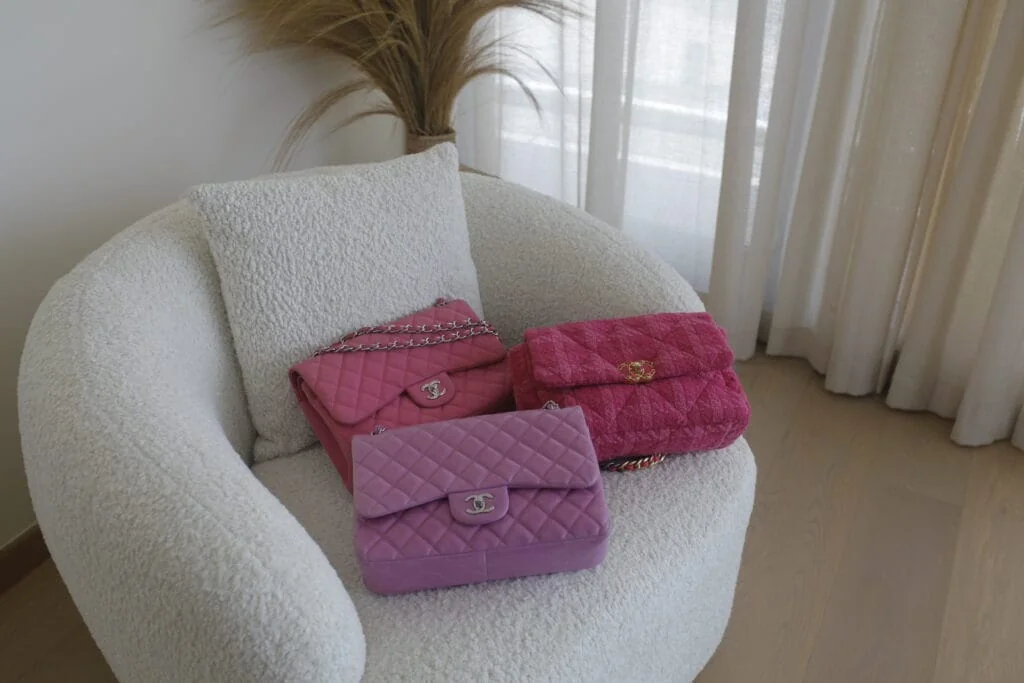
Chanel operates differently but earns its spot just as legitimately. The Classic Flap, the brand’s signature piece, goes through around 180 individual construction steps and multiple quality checks before it leaves the atelier. Chanel uses grained calfskin for durability and lambskin for that buttery, softer hand-feel, though lambskin scratches more easily. That’s worth knowing before you buy: if you want a bag you can use daily without babying it, calfskin is the smarter choice, not lambskin, regardless of what looks better on Instagram.
Chanel doesn’t have Hermès’ artisan-per-bag system, but it has its own version of scarcity: routine, well-publicized price increases and boutique purchase limits. A Classic Flap in good condition holds value remarkably well on the resale market, though it’s worth noting Chanel’s price hikes have been aggressive enough in recent years that some buyers now find Hermès a comparatively better value proposition, which would have sounded absurd a decade ago.
Heritage Icons: Louis Vuitton and Dior#
If Hermès and Chanel are about scarcity, Louis Vuitton is about recognition, and that’s not a knock. The Monogram canvas, introduced in 1896, is arguably the most recognizable pattern in fashion history, which is both the brand’s biggest strength and its biggest limitation. Everyone knows what an LV bag is at twenty paces, which is appealing to some buyers and exactly why others avoid it.
What LV does exceptionally well is durability and accessibility. The coated canvas used in the Speedy, Neverfull, and Alma is resistant to water and everyday wear in a way that delicate leathers aren’t, and it requires far less maintenance. You can buy an LV bag in a boutique the same day you decide you want one, no waitlist, no relationship-building required. That’s a real advantage if you want a well-made bag now rather than a status trophy later. The downside is that because production volume is much higher than Hermès or Chanel, resale values on canvas pieces are respectable but nowhere near as strong, and the sheer ubiquity of the monogram means it doesn’t carry the same rarefied cachet it once did.
Dior occupies a similar heritage tier but with more design personality. The Lady Dior, with its cannage quilting inspired by Louis XVI chairs and dangling charm, has a distinctly ladylike, structured silhouette that reads as more overtly “fashion” than an LV canvas bag. The Saddle bag, revived repeatedly since its 1999 debut, is Dior’s answer to a statement piece that still functions as an everyday bag. Dior’s leather quality on higher-tier pieces is genuinely excellent, on par with Chanel in the best cases, though I’d argue their entry-level canvas offerings (their answer to LV’s monogram) don’t hold up quite as well over years of use.
Both brands succeed at the same core promise: instantly recognizable, wearable daily, and far easier to acquire than Hermès or Chanel. What you sacrifice is the extreme exclusivity that drives serious appreciation in value.
Bold and Contemporary: Valentino and Beyond#
Not every buyer wants heritage monograms or a decade-long waitlist. Some want a bag that reads as fashion-forward the moment you see it, and that’s where Valentino and a handful of other design-led houses earn their place among the best designer handbag brands.
Valentino’s Rockstud line, with its pyramid stud detailing, was a genuinely disruptive design when it launched, and it remains one of the more instantly identifiable “statement hardware” bags on the market without leaning on a monogram. The brand’s Garavani-era bags (the VLogo Signature line especially) trade subtlety for immediate visual impact, which is precisely the point. If your priority is standing out rather than blending into old-money signaling, Valentino delivers that more convincingly than LV or Dior.
Other houses worth mentioning in this bolder category include Fendi, whose Baguette essentially invented the modern “It bag” concept in the late ’90s and whose Peekaboo remains a genuinely well-constructed, versatile option handcrafted in Italy with a playful edge; and Dolce & Gabbana, whose Sicily bag leans into maximalist color, embellishment, and Italian glamour in a way few other houses attempt.
The honest caveat with this category: design-forward pieces age with the trend cycle more than heritage bags do. A Rockstud or a heavily embellished D&G bag can look dated in a way a Kelly bag simply doesn’t, so if resale value is your primary goal, this tier is riskier. If personal style and standing out are the goal, it’s some of the most fun you can have in the luxury handbag market.
What Sets These Brands Apart#
Laid side by side, the differences between these luxury handbag brands come down to four criteria, and it’s worth being clear-eyed about where each one actually wins.
Craftsmanship: Hermès’ one-artisan system is unmatched and effectively unreplicable at scale, which is precisely why they don’t scale. Chanel’s multi-step, hand-finished construction is close behind. Dior’s top-tier leather goods rival Chanel; their canvas lines don’t. LV prioritizes engineered durability over hand-finishing artistry. Valentino, Fendi, and D&G prioritize design execution over construction pedigree, though Fendi’s Italian leather craftsmanship is genuinely underrated.
Materials: Exotic skins and fine calfskin dominate at Hermès; grained calfskin and lambskin at Chanel; treated monogram canvas at LV; cannage leather at Dior; and a mix of leather with heavy embellishment (studs, prints, hardware) at the design-forward houses.
Exclusivity strategy: Hermès rations supply intentionally. Chanel limits per-boutique purchases and raises prices regularly. LV and Dior sell at volume with occasional limited editions. Valentino and similar houses rely on design buzz rather than manufactured scarcity.
Pricing philosophy: Hermès and Chanel price as if the bag is an asset, and increasingly, the market agrees. LV and Dior price as premium-but-attainable luxury. Valentino, Fendi, and D&G sit a tier below on entry price while still delivering genuine design value.
None of this makes one brand objectively “better” than another. It depends on whether you’re buying for status, for daily use, for design impact, or for investment, and those are four different shopping trips.
Investment Value and Resale Potential#
This is where I’ll be blunt: most designer handbags are not investments, and treating every luxury purchase as one is how people overpay for the wrong bags.
Hermès Birkins and Kellys, particularly in classic leathers (togo, epsom, clemence) and neutral or highly sought colorways (etoupe, black, gold), are the closest thing to a genuine appreciating asset in this market. Limited exotic skins like crocodile or ostrich can resell well above retail, sometimes dramatically so, though that market is also more volatile and dependent on skin regulations and condition.
Chanel’s Classic Flap and Reissue models hold value well, especially in calfskin, and have historically appreciated alongside the brand’s own price increases, though that trajectory has flattened somewhat as retail prices have climbed sharply in recent years. A used Chanel flap in excellent condition is a safer resale bet than most alternatives outside Hermès.
Louis Vuitton and Dior are a different story. Their canvas and leather goods depreciate like most designer purchases, typically retaining 40-60% of retail value depending on condition and model, though certain discontinued LV monogram pieces and rare Dior collaborations can buck that trend. Don’t buy an everyday LV Neverfull expecting it to appreciate; buy it because it’s a genuinely useful, well-made bag.
Valentino, Fendi, and Dolce & Gabbana bags generally depreciate the fastest of the group, since design-led pieces are more trend-sensitive. That’s not a criticism, it’s just a different value proposition: you’re paying for design and enjoyment now, not resale later.
For anyone buying with resale or collecting in mind, the reliable rule is: buy the brand’s most recognized, most classic silhouette in a neutral leather and color, keep the box and authenticity cards, and avoid limited “hype” colorways unless you genuinely love them, because trend-driven releases are the first to lose value when the next collaboration drops.
FAQ#
What are considered the best designer handbag brands? Hermès and Chanel are widely regarded as the top tier for craftsmanship and resale value. Louis Vuitton and Dior are considered the strongest heritage names for everyday luxury. Valentino, Fendi, and Dolce & Gabbana are respected for design innovation, though they sit a step below the first two tiers in exclusivity and long-term value retention.
Are luxury handbags actually a good investment? Selectively, yes. Classic Hermès Birkins and Kellys in popular leathers and colors, and Chanel Classic Flaps in calfskin, have a genuine track record of holding or increasing value. Most other designer handbags, including LV, Dior, Valentino, and similar brands, function as depreciating luxury goods rather than investments, even if well-made.
Why is it so hard to buy a Hermès Birkin? Hermès intentionally limits production to preserve craftsmanship standards and exclusivity. There’s no public waitlist; buyers typically need an established purchase history with a specific boutique and sales associate before being offered one.
What’s the price difference between these brands? Roughly speaking, entry Valentino and D&G bags start in the low thousands, LV and Dior mid-range bags run from around $2,000 to $6,000, Chanel Classic Flaps now start above $10,000, and Hermès Birkins and Kellys start around $10,000-$12,000 retail and climb steeply from there, before even factoring in resale premiums.
How can I verify a designer handbag is authentic? Buy from retailers with a documented, transparent authentication process, check serial numbers and date codes against known brand formats, examine stitching consistency and hardware weight, and be skeptical of any price that seems too low for the model and condition. Reputable resale platforms with in-house authentication teams are generally safer than private marketplace listings.
Which brand holds value best over time? Hermès, consistently, followed by Chanel. Both benefit from constrained supply and strong global demand that has outpaced price increases in many cases.
Recommendations and Buying Advice#
If you’re buying your first serious luxury handbag, here’s how I’d actually approach it, based on what I’ve seen hold up and what I’ve seen buyers regret.
Buying for pure investment: Go Hermès if you can access it, focusing on Birkin or Kelly in togo or epsom leather, in black, etoupe, or gold. If Hermès isn’t accessible yet, a [Chanel Classic Flap](/buying-guides/vintage-chanel-finds-top-picks/) in black calfskin with gold hardware is the next most reliable resale performer. Avoid seasonal colors and limited editions for this purpose.
Buying for daily use without babying it: Louis Vuitton’s coated canvas pieces (Speedy, Neverfull) are genuinely more practical than delicate leather goods and require less maintenance. Don’t buy calfskin or lambskin Chanel expecting it to survive daily commuting unscathed; it won’t.
Buying for design impact and personal style: [[Valentino Rockstud](/brands/valentino-garavani-milestones-legacy/)](/brands/valentino-roman-stud-shoulder-bag/) or Fendi Peekaboo/Baguette give you a distinctive, recognizable design without the decade-plus wait or six-figure resale focus. Just go in accepting these are fashion purchases, not financial ones.
Buying on a first luxury handbag budget: Start with a Dior or Fendi piece in a classic leather and neutral color before jumping straight to Chanel or Hermès. It’s a smarter way to learn how you actually treat and use a luxury bag before committing serious money.
Universal advice regardless of brand: Buy the classic silhouette before the trend piece, prioritize condition and documentation if buying pre-owned, and only buy from sellers with verifiable authentication. The biggest mistake I see isn’t overspending on the wrong brand, it’s overspending on the wrong model within the right brand.
Related Articles#
- How Pre-Owned Luxury Fashion Is Reshaping the Industry
- Sell Designer Handbags in 2025: Maximize Your Payout
- Designer Handbag Trends 2025: What’s Actually Worth Buying
- 50 Best Bags Under $500: Smart Style on a Budget
- Replica vs Pre-Owned Bags: Which Is the Smarter Buy?
Related guides
- Online Bag Authentication: What Photos Can and Cannot Prove
- Fake Goyard Bag Guide: How to Spot Real vs Fake (2026)
- How to Spot a Fake Chanel Flap Bag: Authentication Guide
- How to Spot a Fake Hermès Birkin: Expert Checklist
- How to Buy an Authentic Luxury Bag from China Safely
- New vs Pre-Owned Luxury Bags: Which Route Is Right for You?
- Chanel Bag Guide: What to Know Before You Buy
- Luxury Bag Houses


Keyword index