Introduction#
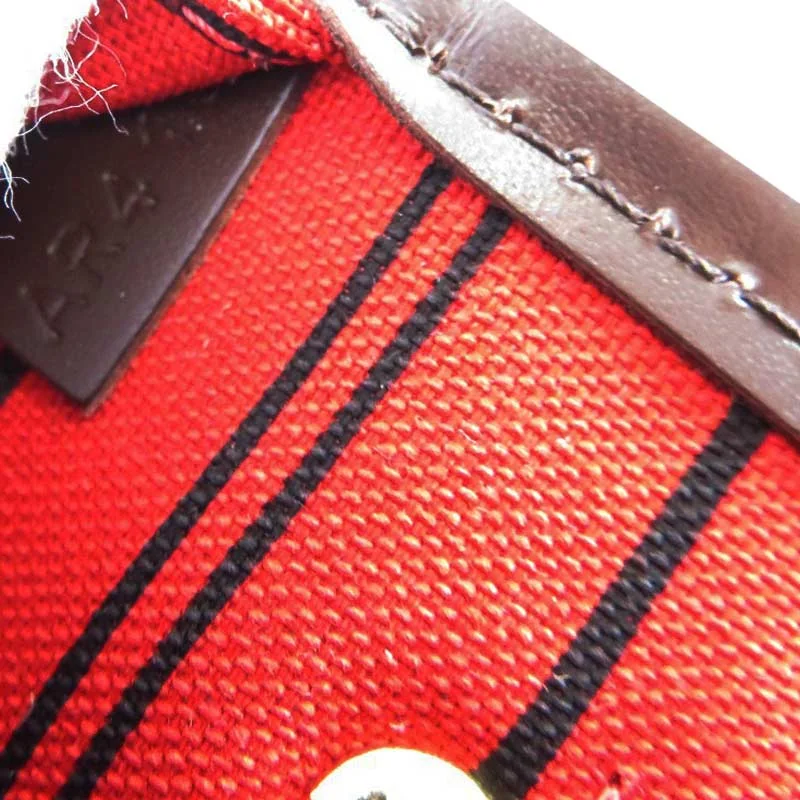
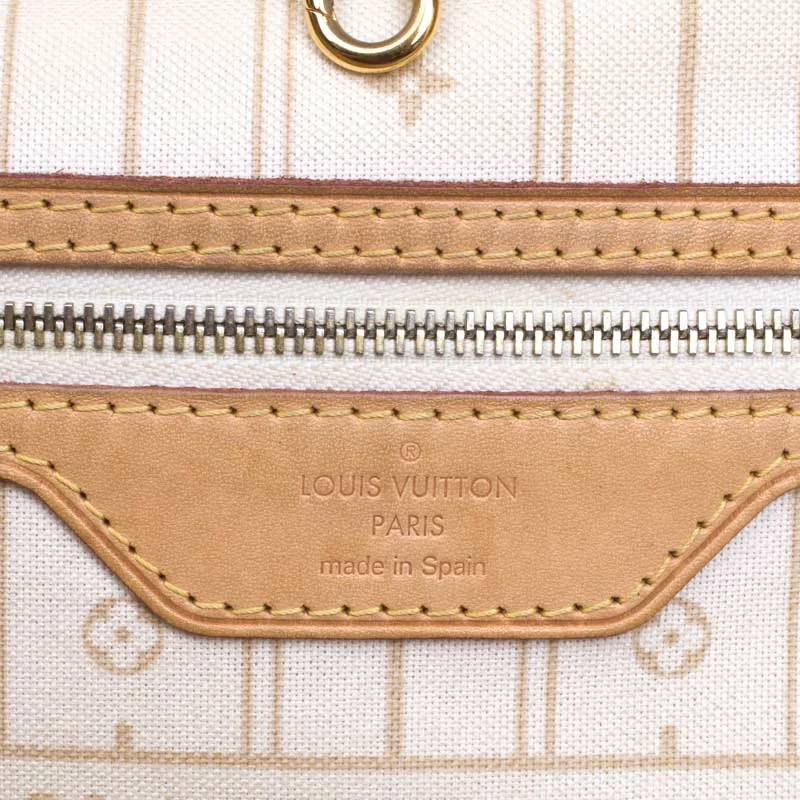
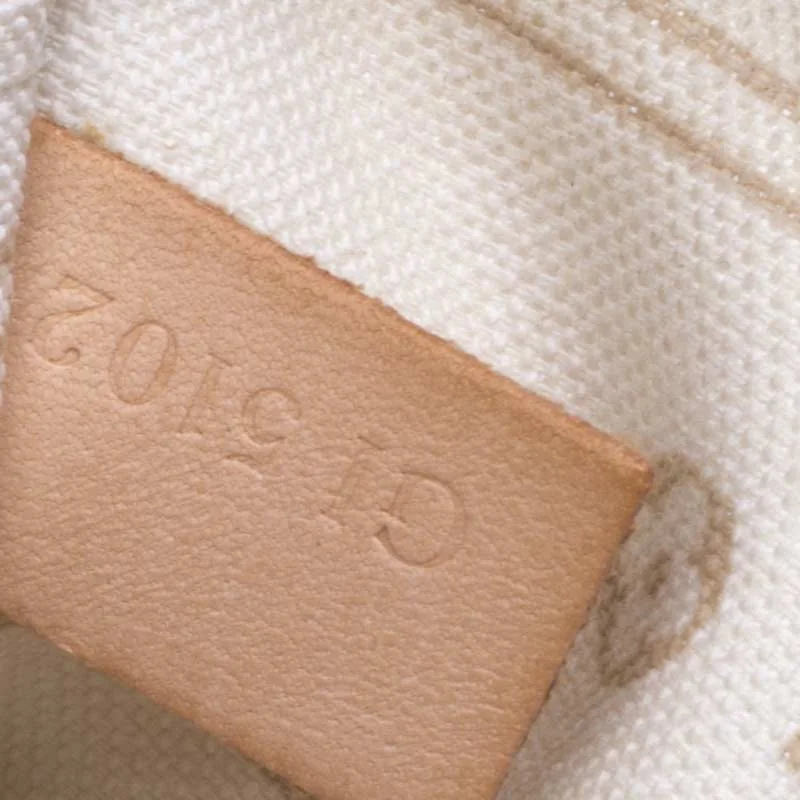
A genuine Louis Vuitton bag is one of the most counterfeited luxury items in the world, which means learning how to spot a fake Louis Vuitton bag is essential before you spend real money on one. Whether you’re eyeing a classic Speedy, a Neverfull tote, or a limited-edition clutch, the difference between an authentic Louis Vuitton bag and a convincing knockoff often comes down to details most shoppers never think to check: stitch count, lining texture, date codes, and the precise geometry of the brand’s own logo. This guide breaks down eleven concrete authentication checkpoints, drawn from how professional authenticators actually inspect these bags, so you can shop with confidence instead of guesswork.
Product Overview#
Louis Vuitton handbags are built around a handful of recognizable house codes: the Monogram canvas, the Damier check, coated canvas construction over a leather trim, and hardware finished in gold-tone brass. These construction choices aren’t just aesthetic signatures, they’re also the first line of defense against counterfeits, because replicating them accurately at scale is expensive and difficult. That’s exactly why counterfeiters cut corners in predictable places: cheaper linings, plastic-coated hardware, uneven monogram alignment, and sloppy stitching. Knowing where to look turns you from a hopeful buyer into an informed one.
Design#
Authentic Louis Vuitton monogram bags are cut so that the pattern flows continuously and symmetrically across every panel. On styles like the Speedy or Keepall, the seamless leather and canvas construction means the LV monogram appears upside-down on the reverse side of the bag, a deliberate result of the way the material wraps around a single piece rather than being pieced together. Counterfeiters frequently get this wrong, either by matching the pattern right-side-up everywhere (which is actually a red flag) or by misaligning the print at the seams.
Pattern placement matters just as much on smaller items. On clutches and structured handbags, the monogram should sit perfectly centered and evenly matched across every panel, pocket, and gusset. If the design looks slightly tilted, stretched, or the panels don’t line up when the bag is closed, that’s a strong indicator of a counterfeit.
The brand’s main stamp is another design element worth studying closely. Authentic lettering has a short tail on the “L,” a rounded “O” that’s noticeably larger than the “L,” and tightly, evenly spaced “T"s. The font is always thin, crisp, and perfectly aligned. Fakes tend to show thicker strokes, inconsistent spacing, or a slightly different letterform that’s hard to describe but easy to spot once you’ve seen the real thing side by side.
Materials#
Material quality is where Louis Vuitton’s craftsmanship becomes obvious, and where counterfeits struggle most to keep up.
Leather trim and handles: Genuine LV bags use vachetta, an untreated cowhide leather that naturally oxidizes and deepens in color with age and sun exposure. It’s left unprotected on purpose, developing a warm honey patina over months of use. Fake bags almost always seal this leather under a shiny plastic coating to avoid the maintenance real vachetta requires, which is a giveaway if you know to check for it.
Interior lining: Louis Vuitton varies its lining by style and collection, using micro-monogram textile, cross-grain leather, honey or red canvas, multi-toned polyester, or microfiber suede depending on the bag. What all of these have in common is a soft, finished feel. Counterfeits typically default to a cheap tan plastic or brown suede-like material that feels stiff and looks noticeably flat under light.
Hardware: Authentic clasps, zippers, and D-rings are made from solid brass or gold-plated metal with crisp, precisely stamped branding. Fakes substitute painted plastic or thin metal that tarnishes quickly and often shows blurry or shallow engraving on the hardware.
Stitching: Stitch quality is measured in stitches per inch (SPI), and Louis Vuitton keeps this count high and consistent along every seam. A higher SPI means tighter, stronger seams and a cleaner finish overall. Counterfeit bags typically have visibly uneven, looser stitching with gaps between stitches, particularly around handles and corners where stress is highest.
Pros and Cons#
Advantages of learning to authenticate LV bags yourself:
- You gain a transferable skill that applies across the entire Louis Vuitton catalog, not just one bag
- You can shop secondhand and resale markets with far more confidence
- You avoid the financial loss and disappointment of buying a counterfeit
- You become a more informed buyer overall, which helps when evaluating other luxury leather goods too
Disadvantages and limitations:
- Some counterfeits, especially “superfake” grade, are now good enough that visual inspection alone isn’t always conclusive
- Certain checks (like date codes) require handling the bag in person, which isn’t always possible with online listings
- Authentication takes time and attention to detail that not every buyer wants to invest
- Even with all eleven checkpoints, professional authentication services remain more reliable for high-value purchases
Who Should Buy#
This guide is most useful for three types of buyers. First, anyone shopping the resale or secondhand market, where authenticity risk is highest and where sellers vary widely in reliability. Second, first-time Louis Vuitton buyers who want to feel confident walking into a purchase, especially for iconic styles like the Neverfull, Speedy, or a monogrammed clutch that are among the most counterfeited handbags globally. Third, gift buyers purchasing on someone else’s behalf, where getting it wrong means disappointing the recipient rather than just yourself.
If you’re buying brand new from a Louis Vuitton boutique or the brand’s official website, most of these checks are unnecessary since authenticity is guaranteed at the point of sale. The real value of this guide kicks in the moment you’re buying outside that direct channel.
Alternatives#
If you want the reassurance of authenticity without doing the detective work yourself, a few paths are worth considering:
Buy from vetted luxury resale platforms. Established resale marketplaces that authenticate every item before listing remove most of the guesswork, though prices sit above uncertain marketplace listings for good reason.
Use a third-party authentication service. Independent authenticators can review photos or inspect a bag in person for a modest fee, which is a smart step for expensive or limited-edition pieces before you commit.
Consider other heritage leather houses. If you’re drawn to the monogram aesthetic but want to sidestep the counterfeit market entirely, brands like Goyard or Fendi offer comparable craftsmanship with different, though still occasionally counterfeited, brand codes. None of these fully escape the counterfeit problem, but the risk profile shifts depending on how widely a piece is copied.
Stick to Louis Vuitton’s official retail channels. Boutiques and the official Louis Vuitton website remain the only zero-risk option, even if it means paying full retail price.
FAQ#
How can I tell if my Louis Vuitton bag is real just from the stitching? Check the stitches per inch along the seams, especially near handles and corners. Authentic bags have tight, even, high-SPI stitching with no gaps or loose threads. Sloppy or widely spaced stitches are one of the clearest signs of a counterfeit.
What’s the difference between a real and fake Louis Vuitton logo? On authentic bags, the LV monogram is printed with a consistent gold tone and clean brown detailing, and the pattern flows evenly across every panel, appearing upside-down on the reverse of seamless styles like the Speedy. Fakes often show solid-colored, greenish-tinted, or misaligned monograms.
How do I check a Louis Vuitton date code for authenticity? The date code sits under the D-ring or inside an interior pocket, depending on the style. Since the 1990s, it follows a format of two letters followed by four numbers, indicating the factory and production date. A missing, poorly stamped, or oddly formatted code is a warning sign.
Do authentic Louis Vuitton bags come with attached tags? No. Louis Vuitton ships its tags loose, tucked inside a pocket rather than attached by string or plastic loop. A bag arriving with a tag physically fastened to it is very likely counterfeit.
Are there legitimate Louis Vuitton wholesale or liquidation sales? No. Louis Vuitton does not run wholesale lists or closeout liquidation sales. Any seller advertising one is almost certainly offering counterfeit goods.
Final Thoughts#
Spotting a fake Louis Vuitton bag isn’t about any single detail, it’s about how many checkpoints line up together: even stitching, a properly aged vachetta handle, a well-finished lining, precise hardware stamping, and a date code that makes sense for the bag’s style and era. No individual sign is always conclusive on its own, but a bag that passes all eleven checks is about as close to certain as visual inspection gets. When the stakes are high, whether that’s a rare limited-edition piece or simply a bag you’re excited about, pairing your own inspection with a reputable seller or a professional authentication service is the safest way to make sure your investment is the real thing.
Related Articles#
Related guides
- Online Bag Authentication: What Photos Can and Cannot Prove
- Fake Goyard Bag Guide: How to Spot Real vs Fake (2026)
- How to Spot a Fake Chanel Flap Bag: Authentication Guide
- How to Spot a Fake Hermès Birkin: Expert Checklist
- How to Buy an Authentic Luxury Bag from China Safely
- New vs Pre-Owned Luxury Bags: Which Route Is Right for You?
- Chanel Bag Guide: What to Know Before You Buy
- Luxury Bag Houses


Keyword index