Introduction #

Open most wardrobes and you’ll find more than clothes. You’ll find decisions: the blazer bought for a job interview, the wedding-guest dress, the bag carried on the first day of a new job. What we wear signals who we are, what we value, and increasingly, how we think about the planet we’re dressing for. That last point is no longer a niche concern. It’s become part of the calculus every time someone reaches for their wallet.
The fashion industry sits at an odd crossroads right now. It’s worth well over $1.5 trillion globally, yet it’s also one of the most resource-intensive sectors on earth, from water use to landfill waste. Somewhere between the desire to look good and the responsibility to do better, pre-loved luxury handbags have quietly become one of the smartest answers available. A well-made Hermès Kelly or a vintage Chanel flap isn’t just a style statement, it’s a piece of craftsmanship that was built to outlast trend cycles, and buying it secondhand means you’re not adding to the industry’s environmental tab.
This guide is written for the buyer who’s curious but cautious: someone who likes the idea of pre-loved luxury but has real questions about authenticity, value, and where to actually shop without getting burned. We’ll cover all of it, including the parts nobody likes to talk about, like how often counterfeits slip through and what it actually costs to get a professional authentication done.
The Environmental Case for Buying Pre-Loved #
Fast fashion doesn’t get criticized for no reason. The sector is responsible for up to 8% of global carbon emissions and roughly 20% of the world’s wastewater production, numbers that put it in the same conversation as heavy industry and aviation. Cheap garments are designed to be worn a handful of times and discarded, which means the environmental cost of producing them is rarely matched by how long they’re used.
Circular fashion, the practice of keeping garments and accessories in circulation for as long as possible, works against that cycle in a few concrete ways.
- Fewer new items need to be produced. Every pre-loved bag that finds a second owner is one less new bag manufactured, tanned, dyed, and shipped.
- Landfill waste drops. Quality leather goods that get resold instead of discarded stay out of waste streams for years, sometimes decades, longer.
- Life-cycle extension has an outsized impact. Research from McKinsey found that extending a garment’s usable life by just nine months can cut its carbon footprint by up to 30%. A Hermès bag carried for fifteen years, then resold and carried for another fifteen, represents exactly the kind of extension that moves the needle.
- Transport and manufacturing emissions shrink. Fewer new units in production means fewer shipments across the supply chain, from factory to warehouse to store.
Selling and Trading In: Closing the Loop #
Buying pre-loved is half the equation. The other half is putting your own pieces back into circulation instead of letting them sit unused. If you have bags, shoes, or apparel you no longer wear, consignment platforms and resale marketplaces will typically authenticate, photograph, and list the item for you, taking a commission on the sale. Trade-in programs run by some resellers go a step further, offering store credit that can be applied toward your next purchase, which is a practical way to upgrade a bag without a full cash outlay. Either way, you’re extending that item’s life cycle rather than letting it end up in storage or, worse, in a landfill.
This isn’t a fringe behavior anymore. The global second-hand fashion market reached €33 billion in 2021, and the broader second-hand luxury goods market is projected to more than double in value between 2023 and 2031 as more buyers treat resale as a first choice rather than a fallback.
Why Pre-Loved Hermès and Designer Bags Hold Their Value #
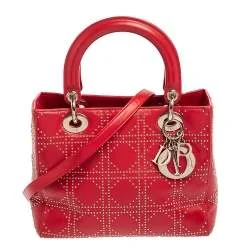
Here’s where pre-loved luxury separates itself from pre-loved fast fashion: certain bags don’t just resist depreciation, they appreciate. A Hermès Kelly or Birkin in a desirable leather and hardware combination has, in many cases, held or increased its value over time, something almost no fast fashion item and very few luxury categories outside of fine jewelry and watches can claim.
A few reasons this happens:
- Deliberate scarcity. Hermès controls production volume tightly, and certain bags simply aren’t available on demand at retail. That scarcity pushes resale demand up.
- Material and construction quality. Full-grain leathers, hand-stitched saddle seams, and solid brass or gold-plated hardware age well when cared for, unlike bonded leather or coated canvas that degrades within a few years.
- Brand equity built over decades. Hermès, Chanel, and a handful of others have maintained consistent design language for generations, so a bag bought in 2005 still looks current in 2025.
The cost comparison is where this becomes a genuinely commercial argument, not just a sentimental one. A new Hermès Kelly 28 in classic leather, when you can actually get one through retail allocation, sits well into five figures, and that’s before factoring in the waiting list most buyers face. A pre-loved Kelly in excellent condition from a reputable reseller often comes in below retail, sometimes significantly, while skipping the wait entirely. For rare colors or discontinued leathers, the pre-loved market can actually run higher than original retail, which tells you everything about where demand sits.
Other Brands and Categories Worth Watching #
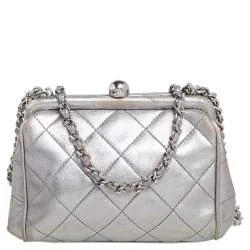
Hermès isn’t the only name performing well in resale. Chanel Classic Flaps and Louis Vuitton’s monogram staples consistently rank among the most resold handbag categories, largely because of the same formula: recognizable design, durable materials, and steady demand. Outside of bags, resale is also strong in structured leather shoes and outerwear, categories where construction quality is easy to verify and wear patterns are predictable. If you’re building a pre-loved collection rather than a single purchase, these are reasonable categories to prioritize alongside Hermès.
Authenticity: What to Check Before You Buy Pre-Loved #
This is the section that separates confident buyers from anxious ones. Counterfeits in the Hermès and broader luxury handbag market have gotten sophisticated, so a quick glance at the logo isn’t enough anymore. Before you commit to any pre-loved bag, work through this checklist.
- Hardware weight and finish. Genuine Hermès hardware has real heft and a consistent, non-tarnishing finish. Counterfeit hardware often feels light or shows discoloration within months.
- Stitching pattern. Authentic pieces use a saddle stitch, an even, slightly diagonal hand-stitch technique. Machine stitching that looks too perfectly uniform is a warning sign.
- Blind stamps and craftsman marks. Hermès bags carry a stamped mark indicating the year of production and, on many pieces, a craftsman’s individual stamp. These marks should be crisp, correctly placed, and consistent with the bag’s claimed production year.
- Serial or date stamps. Depending on the era, look for a date code inside the bag, usually near the interior pocket, and confirm it aligns with the hardware style and leather type used at that time.
- Leather grain and smell. Genuine leather has an irregular, natural grain and a distinct smell. Overly uniform texture or a strong chemical odor usually points to a synthetic substitute.
- Proportions and symmetry. Compare the bag’s dimensions, strap drop, and turn-lock placement against verified reference images from the brand’s own archives.
Honest caveat: none of these checks are foolproof in isolation, especially with high-tier counterfeits, which is why serious buyers combine visual checks with a professional authentication service before finalizing a purchase.
How to Choose Quality Pre-Loved Pieces That Last #
Buying pre-loved isn’t just about avoiding fakes, it’s also about avoiding pieces that are authentic but simply worn out or poorly suited to lasting use. The instinct to chase whatever’s trending works against you here. A trend-driven bag, even a real one, tends to lose desirability and resale value within a few seasons.
The Kelly is a useful benchmark because its design has barely changed since the 1930s. That kind of consistency is what you should be screening for in any pre-loved purchase: a silhouette that isn’t tied to a specific fashion moment, materials that were built to be handled daily, and a brand with a track record of standing behind its craftsmanship. When evaluating a specific piece, check the corners and base for structural wear, examine the interior lining for stains or odor, and test all hardware, clasps, and zippers for smooth function rather than relying on how the bag photographs.
Caring for Your Pre-Loved Bag #
Buying well is only the first half of getting long-term value out of a pre-loved piece. Maintenance is what protects that investment.
- Condition leather periodically with a product recommended for the specific leather type, since generic conditioners can darken or stiffen delicate finishes like Swift or Chevre.
- Store upright with the bag stuffed lightly to hold its shape, away from direct sunlight, which fades color and dries leather over time.
- Avoid overloading the bag, which stresses handles and stitching well beyond what the design was intended to carry.
- Have hardware professionally cleaned rather than using household metal polish, which can strip plating on gold or palladium finishes.
- Get a professional spot-clean or restoration for stains or scuffs instead of attempting DIY fixes, since amateur cleaning is one of the most common causes of value loss in resale.
Where to Buy Pre-Loved [[[Luxury Handbags](/buying-guides/designer-handbag-trends-2025/)](/buying-guides/best-time-to-buy-a-luxury-handbag-1/)](/buying-guides/how-to-buy-authenticate-preowned-louis-vuitton-bags/) Safely #
Where you buy matters almost as much as what you buy. The pre-loved market spans a wide range of channels, each with different trade-offs.
- Reputable online resellers with in-house authentication. Established platforms that authenticate every item before listing offer the best balance of selection and safety. Look for sellers who disclose their authentication process, offer detailed condition reports, and provide multiple close-up photos of hardware, stamps, and interior tags.
- Brand-operated pre-owned programs. A small number of maisons now run their own certified pre-owned channels, which removes authentication risk entirely, though selection tends to be limited.
- Consignment boutiques with in-person inspection. Buying in-store lets you handle the bag, check weight and stitching firsthand, and ask direct questions about provenance, which is harder to replicate online.
- Peer-to-peer marketplaces. These often have the lowest prices but the highest risk, since there’s no institutional authentication layer. If you go this route, insist on a third-party authentication check before completing payment, and use a payment method with buyer protection.
- Live auctions and estate sales. Occasionally a source of rare, well-documented pieces, but pricing can be unpredictable and provenance isn’t always verifiable on the spot.
If you’re buying online, favor platforms that offer clear return policies and independent authentication guarantees, not just a seller’s word. If you’re buying in person, don’t rush the inspection. A legitimate seller will expect and welcome careful scrutiny.
How to Authenticate a Luxury Handbag #
This deserves its own walkthrough because it’s the single question most pre-loved buyers search for before they’ll trust a purchase. Treat authentication as a layered process rather than a single check.
- Start with the paperwork. A dust bag, box, care card, and original receipt aren’t proof on their own, but their absence should prompt closer scrutiny elsewhere.
- Inspect the stamps and serials. Cross-reference the date stamp or serial number against known production timelines for that brand and model. Inconsistencies between the claimed age and the stamp format are a common tell.
- Examine construction under good light. Saddle stitching, even seam spacing, and clean edge-painting on leather edges are hallmarks of high-end manufacturing that counterfeiters struggle to replicate consistently.
- Check hardware plating and engravings. Genuine hardware engravings are sharp and evenly spaced; counterfeit engravings often look shallow or slightly uneven under magnification.
- Compare against verified references. Use the brand’s official product images or a trusted authentication database to compare proportions, hardware placement, and logo font.
- Get a professional opinion for anything above a few thousand dollars. Independent authentication services exist specifically for this, and the fee, typically a small fraction of the bag’s value, is cheap insurance against a costly mistake.
The honest reality is that even experienced buyers get fooled occasionally, particularly with superfakes replicating newer hardware and stamping techniques. That’s precisely why professional authentication has become standard practice rather than an optional extra for anyone spending real money on a pre-loved bag.
FAQ #
Is it actually safe to buy a pre-loved Hermès bag online? Yes, provided you buy from a reseller that authenticates every item and discloses its process. Avoid unverified peer-to-peer listings unless you arrange independent authentication before paying.
How much can I realistically save buying pre-loved versus new? It varies by model and rarity. Common leathers and sizes often sell below original retail. Rare colors, discontinued leathers, or limited editions can sell at or above retail due to scarcity, so savings aren’t guaranteed across every piece.
What’s the fastest way to spot a fake Hermès bag? Hardware weight and stitching are the two quickest tells for most buyers. Genuine hardware feels substantial and shows a consistent finish, and the stitching follows an even, hand-done saddle pattern rather than a machine-perfect line.
Do pre-loved bags need a certificate of authenticity to be trustworthy? A certificate helps but isn’t definitive on its own, since certificates can be forged too. A physical inspection, either in person or through a professional authentication service, remains the most reliable step.
Can I sell my own designer bag through the same platforms I buy from? Most reputable resale platforms accept consigned or trade-in items, handling authentication, photography, and listing on your behalf in exchange for a commission or offering store credit toward a future purchase.
Does buying pre-loved actually make a meaningful environmental difference? Yes. Extending a garment or accessory’s usable life by even nine months can cut its carbon footprint by up to 30%, and every pre-loved purchase reduces demand for newly manufactured goods.
Related Articles #
- How Pre-Owned Luxury Fashion Is Reshaping the Industry
- Handbag Trends 2024: The Bags You’ll Actually Wear
- Replica vs Pre-Owned Bags: Which Is the Smarter Buy?
- Authentic vs Fake Hermès Kelly Bag: How to Tell
- How to Spot a Fake Burberry Bag: Full Guide
Related guides
- Online Bag Authentication: What Photos Can and Cannot Prove
- Inside a Million-Dollar Closet: Pre-Loved Hermès & More
- Meet Marwa Azzam Aldabbagh: Kelly Bag Authentication Expert
- Luxury Handbag Authentication Process Explained
- How to Buy an Authentic Luxury Bag from China Safely
- New vs Pre-Owned Luxury Bags: Which Route Is Right for You?
- Chanel Bag Guide: What to Know Before You Buy
- Luxury Bag Houses


Keyword index