Introduction: The Rise of [[[Pre-Owned Luxury](/buying-guides/handbags-worth-investing-in/)](/bag-care/hermes-leathers-guide/)](/buying-guides/replica-vs-pre-owned-bags/) and the Authenticity Imperative #
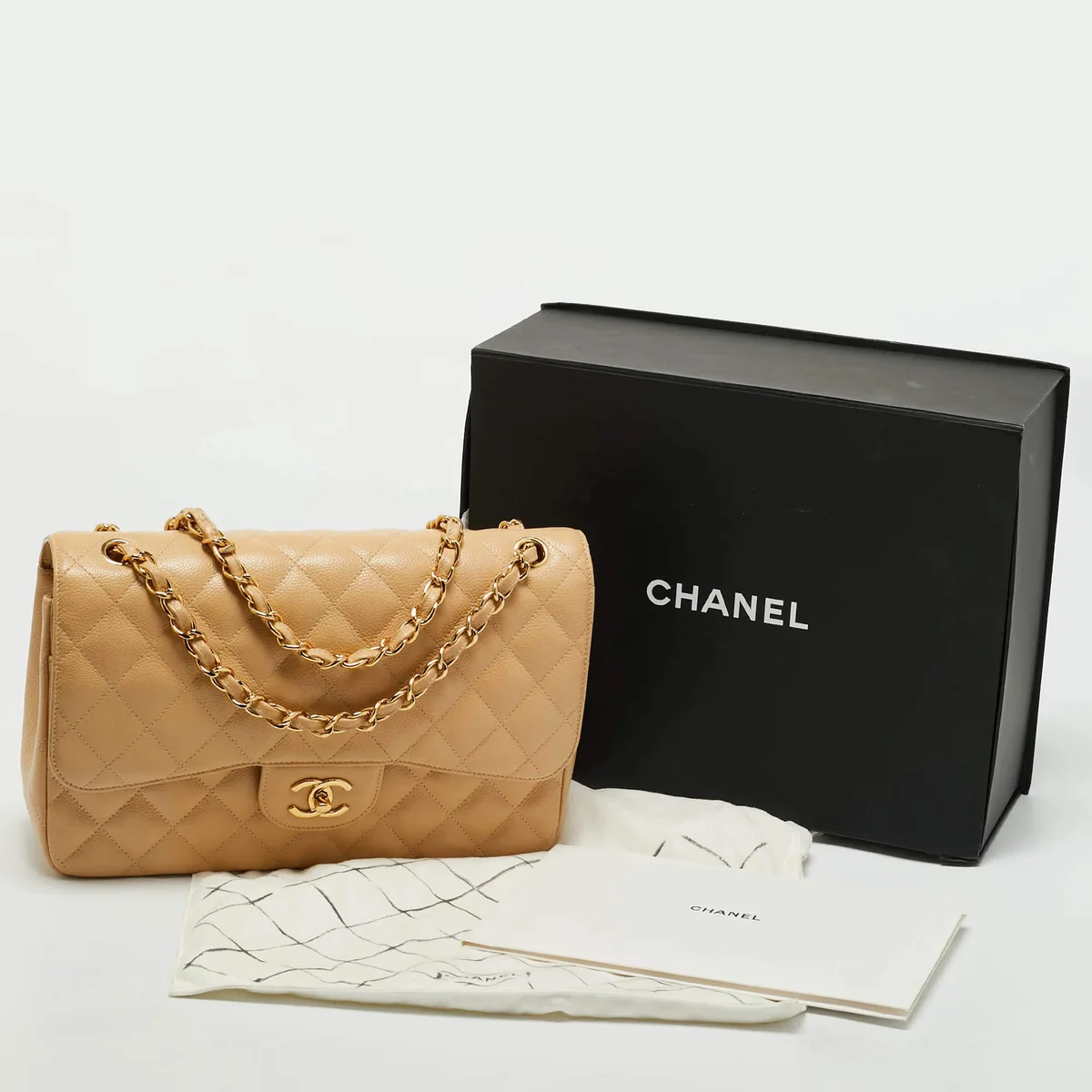
Secondhand luxury stopped being a niche a few years ago. According to Statista, the global resale market for luxury goods hit $7.1 billion in 2022 and crossed $10 billion in 2023, with analysts projecting steady 3% annual growth through 2028. That trajectory isn’t just about thrift. Buyers are treating pre-owned Hermès, Chanel, and Cartier pieces the way collectors treat art or fine watches: as assets that hold or gain value over time.
That shift changes the stakes. When a bag is just an accessory, a fake is annoying. When it’s a store of value, a fake is a financial loss with your name attached to it. As resale prices climb and platforms compete on inventory, the one variable that determines whether any of this works is authentication. Not as a marketing checkbox, but as the actual mechanism that keeps a $30,000 Birkin worth $30,000 instead of worth nothing.
This piece looks at why that verification step matters more than most buyers realize, what a real authentication process looks like from the inside, and how to protect yourself whether you’re buying from us or anyone else.
The Real Cost of Buying a Counterfeit #
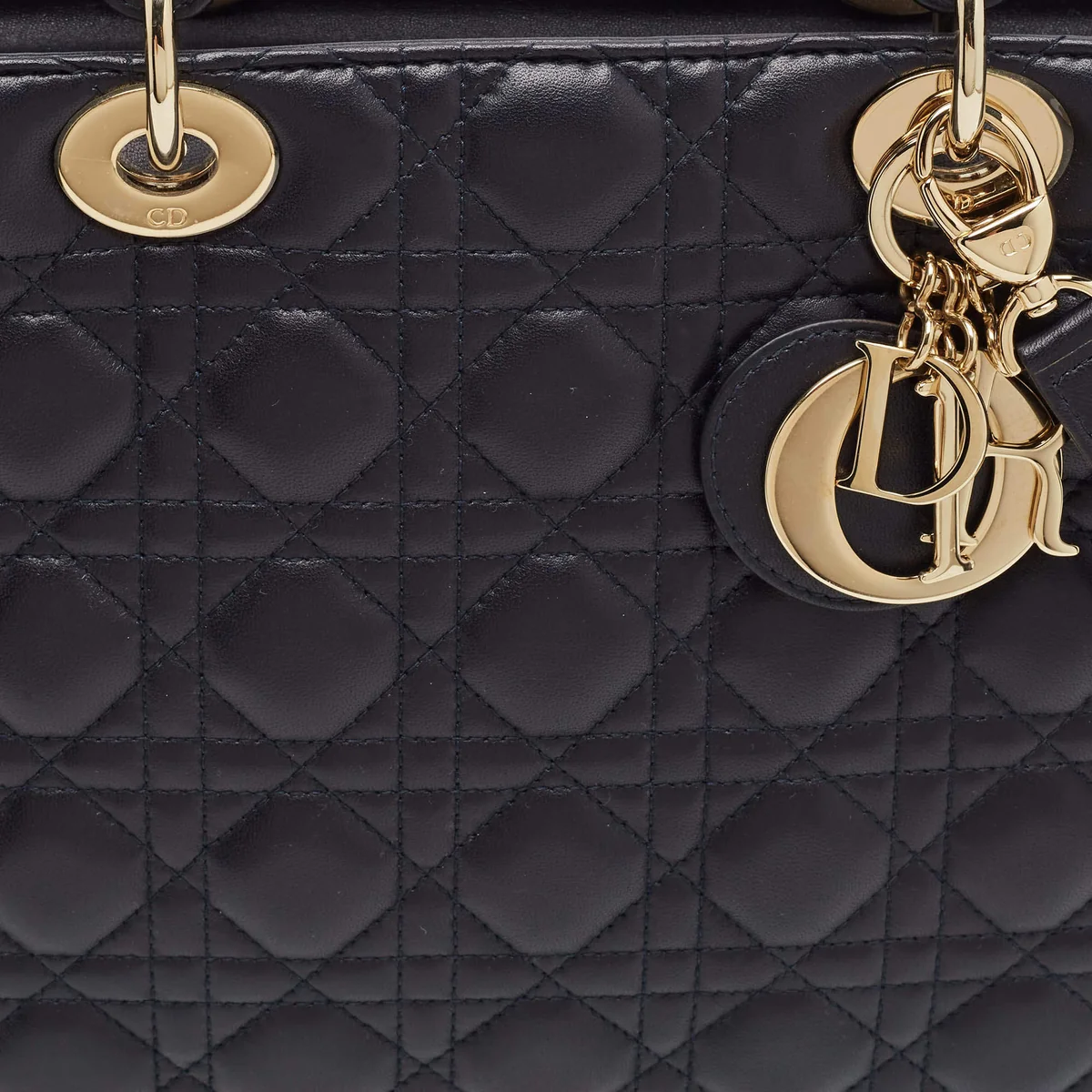
Here’s a scenario we hear more often than you’d think. Someone spends months tracking a specific bag, finally finds one at a price that feels almost too good, and completes the purchase. It arrives, it looks flawless, they’re thrilled. Then a friend who’s owned three of that same model picks it up and says, “Something feels off about this.”
That moment triggers a specific kind of panic, because it’s not really about the bag anymore. It’s about every other purchase decision you’ve made based on trusting your own eye.
The financial fallout is blunt: a counterfeit has no resale value. None. A genuine Hermès Kelly holds or appreciates because scarcity and craftsmanship back the price. A fake Kelly, no matter how convincing, is worth what a fake is worth, which is close to zero the moment it’s identified. For buyers treating handbags as part of a broader collection or investment strategy, that’s not a minor loss, it’s a portfolio hit.
There’s a reputational cost too. Sellers who unknowingly pass along a fake lose credibility even if they were deceived themselves. Buyers who gift a counterfeit, or unknowingly resell one, inherit a problem that follows them into future transactions. And in some jurisdictions, knowingly reselling counterfeit goods carries legal exposure, regardless of intent.
None of this is theoretical. It’s the reason “how to spot a fake [brand]” is one of the most searched phrases in luxury resale, and it’s why authentication has moved from nice-to-have to non-negotiable.
Why Authentication Is the Backbone of Luxury Resale #
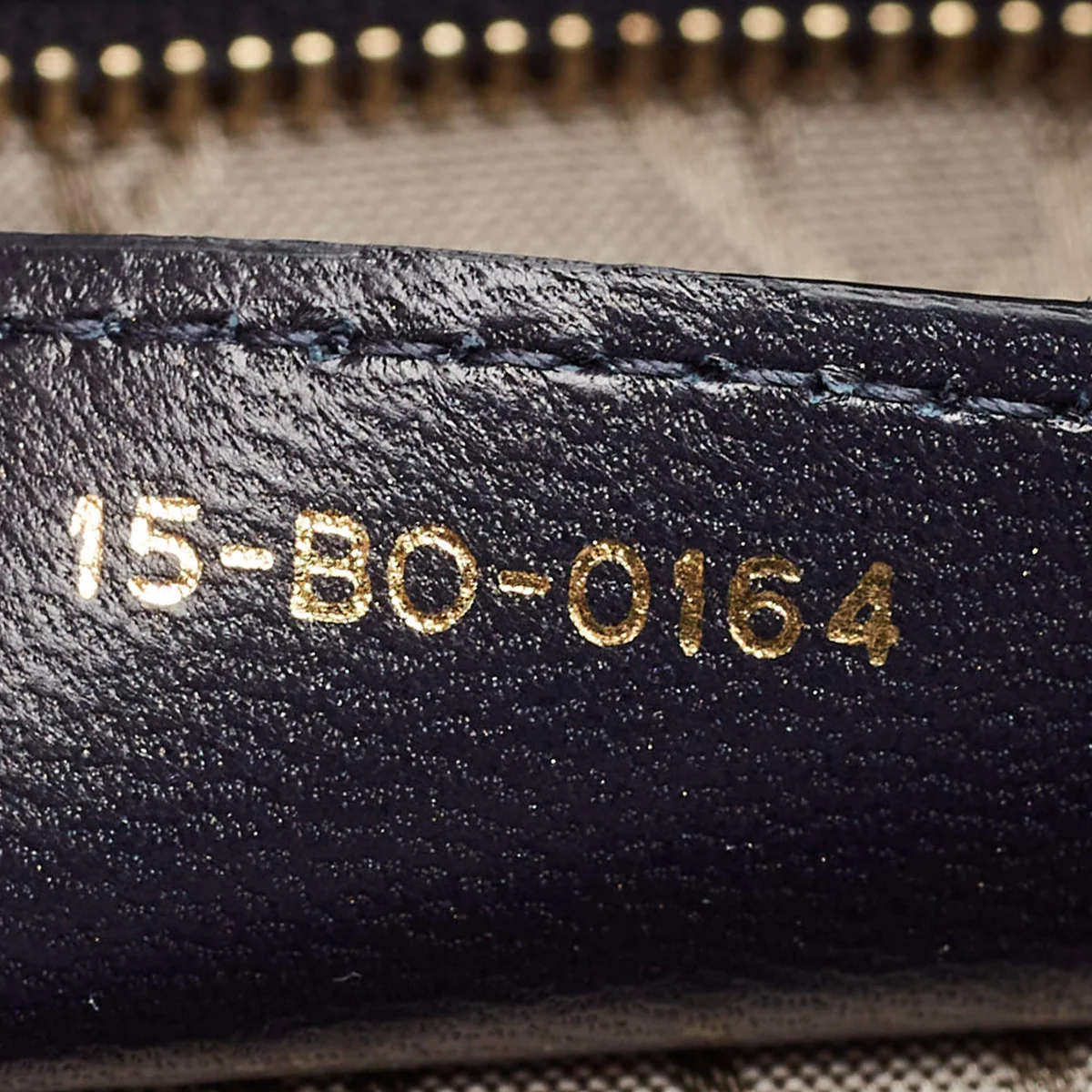
Authentication works because it protects both sides of a transaction, not just the buyer.
For buyers, it’s the guarantee that the item’s condition, materials, and provenance match what’s advertised, which is the only thing that justifies paying resale prices for a used item in the first place. For sellers, it’s what prevents disputes, chargebacks, and the kind of reputational damage that’s hard to recover from in a market built on trust.
The broader resale ecosystem depends on this working consistently. Counterfeiting isn’t a fringe problem anymore. The Supply Chain Resource Cooperative estimates the global counterfeit trade grew from roughly $1 trillion in 2013 to $3 trillion in 2022, and the goods flooding that market aren’t the obvious knockoffs sold on a folding table. They’re what the industry now calls “superfakes”: counterfeits made with real leather, real gold-plated hardware, accurate serial numbers and holograms, sometimes produced in the same manufacturing regions as the originals. These pass casual visual inspection, and in some documented cases, they’ve fooled boutique staff and experienced collectors.
That’s why general authentication, a quick logo check or a font comparison against a reference photo, isn’t sufficient anymore. It’s also why third-party verification services like Entrupy (which uses AI-trained microscopic image matching against a database of confirmed authentic items) and Real Authentication (which relies on human specialists cross-referencing hardware, stitching, and documentation) have become standard reference points in the industry. Any resale platform claiming to authenticate at scale should be measured against that bar: a combination of trained human expertise and consistent, repeatable technical checks, not a single person’s gut instinct.
Inside The Luxury Closet’s Expert Authentication Process #
Every item that comes through our platform goes through a multi-point inspection before it’s listed for sale, handled by a team with backgrounds in leather goods manufacturing, horology, and fine jewelry appraisal, several with prior experience at auction houses and brand ateliers. That mix matters because a handbag specialist and a watch specialist are looking for entirely different failure points, and a generalist will miss both.
The process itself combines three layers:
Hardware inspection. Weight, plating thickness, engraving depth, and the mechanical action of clasps and turn-locks are checked against known genuine specifications for that model and production era.
Stitching and material analysis. Saddle stitching, leather grain, dye consistency, and edge-paint quality are examined under magnification, since machine-perfect stitching is often itself a red flag on a bag that should have been hand-stitched.
Serial number and documentation verification. Date stamps, blind stamps, and any accompanying receipts or certificates are cross-checked against brand production records and known counterfeit patterns.
Where it goes further than a basic visual check is the use of microscopic imaging tools to compare stitch density, leather grain patterns, and hardware finish against a reference library of confirmed authentic pieces, similar in principle to what Entrupy’s AI matching does, but paired with a human specialist’s final sign-off rather than an algorithm alone. Neither method is infallible on its own. That’s the honest caveat: no single tool catches every superfake, which is why the process leans on layering technical inspection with trained human judgment rather than replacing one with the other.
Spotting Fakes: What Experts Look for on Hermès Kelly and Hardware #
The Kelly is one of the most counterfeited bags in the world, which means it’s also one of the best case studies for what real scrutiny looks like.
Blind stamps and date stamps. Every genuine Kelly carries a craftsman’s blind stamp and a date stamp indicating the year of production, stamped into the leather with consistent depth and placement. Fakes often get the format close but the spacing, font weight, or stamp location slightly wrong.
Hardware weight and plating. Genuine Kelly hardware, whether gold-plated or palladium, is solid and noticeably heavier than the lightweight alloy used on most counterfeits. The plating on authentic hardware wears evenly over time; fake plating tends to flake or discolor unevenly at contact points.
Saddle stitching. Hermès leather goods are hand-stitched using a saddle stitch technique, which produces slightly irregular but structurally even stitches, angled consistently at 45 degrees. Machine stitching, which is straighter and more uniform, is one of the fastest tells on a counterfeit.
Leather grain and smell. Togo, Epsom, and Swift leathers each have distinct grain patterns and a specific texture underhand. Synthetic or bonded leather used in fakes often has a chemical smell and a grain pattern that repeats too regularly, since real hide grain is never perfectly consistent.
Turn-lock and sangles. The turn-lock mechanism should move with resistance and a solid click, not loosely. The sangles (the straps that wrap around the lock) should be symmetrical in length and stitched with the same precision as the rest of the bag.
None of these checks work in isolation. A convincing fake might nail three of the five and fail on the sixth detail nobody thought to fake, which is exactly why authentication has to be systematic rather than a quick glance.
How to Buy Pre-Owned Luxury with Confidence #
If you’re buying resale, whether from us or another platform, a few habits reduce your risk significantly.
Choose platforms that disclose their authentication methodology, not just a badge that says “authenticated.” Ask whether the process involves in-house specialists, third-party services, or both, and whether it includes physical inspection versus photo review only.
Look for a post-purchase guarantee. On our platform, every item is sold with a certificate of authenticity and backed by a money-back guarantee if an item is ever proven counterfeit after purchase, which is a meaningful signal because it means the platform has enough confidence in its own process to stand behind it financially.
Keep documentation. Original receipts, dust bags, and box packaging don’t guarantee authenticity on their own, since these are also counterfeited, but they add supporting context that specialists use during inspection.
Frequently Asked Questions #
Can experts always tell a superfake from the real thing? Not with certainty from photos alone. That’s why physical, in-hand inspection under magnification remains necessary even as AI-assisted tools improve.
Does a certificate of authenticity guarantee resale value? It confirms the item is genuine at the time of sale. Resale value still depends on condition, model demand, and market timing.
What happens if an authenticated item later turns out to be fake? Reputable platforms, including ours, offer a refund guarantee in that scenario, which is worth confirming in writing before you buy.
Step 1: Intake and Initial Visual Inspection #
When an item arrives for consignment, it’s photographed from every angle before anything else happens, creating a baseline record of its condition. A specialist then does a full visual pass: checking overall proportions against known model dimensions, examining color consistency across panels, and looking for anything structurally inconsistent, like hardware that doesn’t match the bag’s production era or a lining that feels wrong for the stated material.
This stage catches the obvious fakes quickly. A bag with the wrong stitch angle or an off-brand zipper pull doesn’t make it past intake. What it doesn’t catch are the superfakes, which is why nothing gets listed on visual inspection alone.
Step 2: Material, Stitching, and Hardware Analysis #
This is where the item moves under magnification. Stitch count per inch is measured and compared against brand-specific benchmarks, since deviations of even one stitch per inch can indicate a different production source. Leather is tested for grain pattern, flexibility, and edge-paint finish, since genuine edge paint is applied in thin, even layers that age by fading rather than cracking.
Hardware is weighed, and clasps and locks are tested for the specific resistance and sound genuine mechanisms produce. Serial numbers and stamps are checked against the item’s stated production year, and any inconsistency, a date stamp that doesn’t match the claimed hardware style, for example, flags the item for further review or outright rejection.
Only after passing this stage does an item receive its certificate of authenticity and move to listing. It’s a slower process than a same-day visual sign-off, but it’s the difference between a platform that says “authenticated” and one that can actually back that claim when it matters.
Related Articles #
- Hermès Replica vs Pre-Owned: Which Is Worth It?
- Authentic vs Fake Hermès Kelly Bag: How to Tell
- How to Spot a Fake Hermès Bag: Authentication Guide
- Why the Chanel Crossbody Bag Never Goes Out of Style
- Hermès Leathers Guide: Togo, Epsom, Exotic Skins Explained
Related guides
- Online Bag Authentication: What Photos Can and Cannot Prove
- China TikTok Luxury Factory Claims: Fact vs Fiction
- Chanel 2.55 History, Details & How to Spot a Fake
- Private Bag Edit: Hermès Kelly Authentication Blog
- How to Buy an Authentic Luxury Bag from China Safely
- New vs Pre-Owned Luxury Bags: Which Route Is Right for You?
- Chanel Bag Guide: What to Know Before You Buy
- Luxury Bag Houses

Keyword index