Introduction: Why Do You Really Want a Hermès? #

Before you compare prices, ask a more honest question: what are you actually buying a Hermès bag for?
If the answer is status — the flash of orange box, the recognizable silhouette on someone’s arm — a convincing replica might genuinely scratch that itch for a while. But if what you’re after is the object itself, the leather, the hand-finishing, the decades of value retention that make Hermès behave more like an asset than an accessory, then a replica is a dead end dressed up as a shortcut.
I’ve handled both. I’ve examined superfake Birkins that fooled people at dinner parties, and I’ve sat across from authenticators pulling apart stitching on a genuine Kelly under a loupe. The gap between the two isn’t cosmetic. It’s structural, financial, and — depending on where you live — occasionally legal. This guide breaks down that gap honestly: what you’re really paying for, what a replica costs you that isn’t on the price tag, and why pre-owned Hermès has quietly become one of the smarter luxury purchases you can make, replica or not.
Hermès: The Brand That Outlasts Trends #
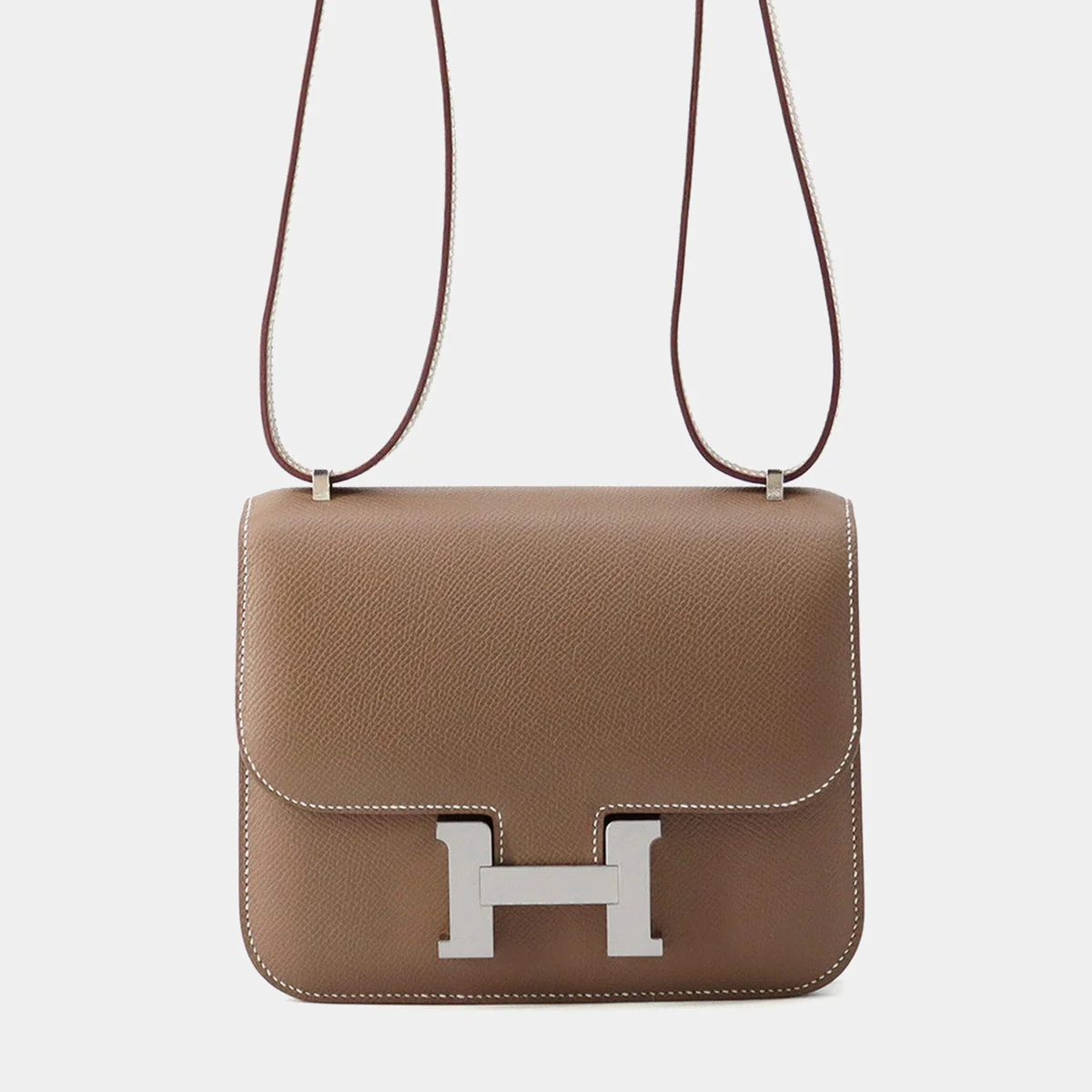
Hermès doesn’t chase seasons the way most fashion houses do, and that’s precisely why it holds value the way it does. A single leather artisan builds a Birkin or Kelly from start to finish — cutting, saddle-stitching by hand, setting hardware — a process that can take upward of 18 to 24 hours per bag. There’s no assembly line splitting the labor across ten people to hit a quota. That’s not a marketing line; it’s how the ateliers in Pantin and the Franche-Comté region actually operate, and it’s a big part of why supply is deliberately, permanently constrained.
That scarcity is manufactured, yes, but it’s backed by something real: consistent leather quality (Togo, Epsom, Clemence, and exotic skins that go through their own separate sourcing and tanning standards), hardware that’s plated rather than painted, and a house that has controlled its own tanneries and hardware production for generations instead of outsourcing to whoever’s cheapest that quarter.
That combination — genuine craft plus engineered scarcity — is what lets Hermès charge what it charges, and it’s also the reason resale prices don’t collapse the way they do for other designer bags the moment a new collection drops. You’re not paying for a logo. You’re paying for a closed, tightly controlled supply chain that has protected its own value for nearly two centuries.
Replica vs Real: What You’re Actually Paying For #
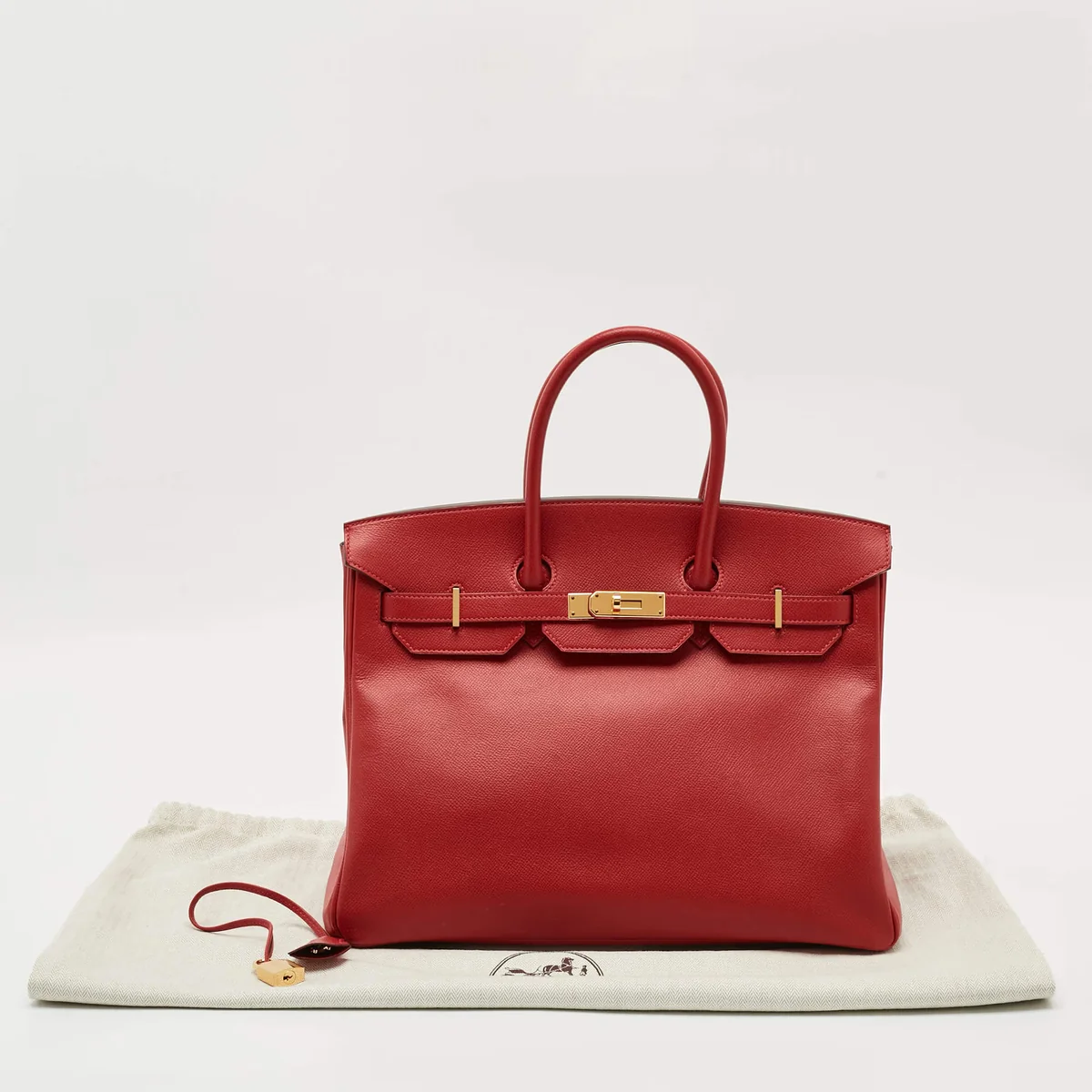
This is where I’ll be blunt, because the replica market has gotten good at muddying this comparison. The best “superfakes” today — the ones running $500 to $5,000 — use decent exterior leather and can nail the silhouette closely enough to pass a glance test. I don’t dispute that.
Where they consistently fall apart, literally and figuratively, is everything you can’t see in a photo:
- Stitching. Genuine Hermès saddle stitching is done by hand with a single waxed linen thread, producing even, diagonal stitches that stay intact even if one thread breaks. Even high-tier replicas use machine stitching or hand-finish only the visible seams, leaving interior construction sloppy.
- Leather grain and smell. Togo and Epsom have a distinct grain pattern and a specific tannery smell that’s genuinely hard to replicate at scale. Replica leather is often coated or corrected-grain cowhide that feels stiffer and ages poorly — cracking or peeling within a year or two of regular use.
- Hardware weight and finish. Genuine palladium and gold-plated hardware has real heft and a plating process that resists tarnish for years. Replica hardware is frequently lighter zinc alloy that discolors at the edges within months.
- The interior details. Blind stamps, date stamps, and craftsman marks follow specific, consistent formatting that Hermès controls closely. Replicas either omit these, fake them inconsistently, or copy a stamp format that was only used in a particular year — a dead giveaway to anyone who knows what they’re looking at.
None of this shows up in a well-lit unboxing video. All of it shows up after six months of actual use, which is really the point. A genuine bag is engineered to be used hard for decades. A replica is engineered to look good in a photo.
The Hidden Costs of Buying a Replica #
The sticker price on a replica is the smallest part of what it actually costs you.
Legal exposure is real, not theoretical. In the US, the EU, and most of Asia, knowingly purchasing counterfeit goods can expose you to fines, and in several countries — France and Italy notably — buyers, not just sellers, have faced penalties for carrying counterfeit luxury goods, particularly at customs. Superfakes are trafficked internationally and regularly seized in shipments; you can lose the bag and the money with no recourse.
The ethics are worse than people want to admit. High-end replica production isn’t a scrappy cottage industry. Investigations into counterfeit manufacturing have repeatedly tied it to unregulated workshops with poor labor conditions and, in some documented cases, forced labor. If part of your reasoning against luxury brands is fair labor practice, a superfake workshop is rarely an ethical upgrade.
Durability quietly disappoints. I’ve watched a “1:1 mirror” Birkin’s corners start peeling after eight months of normal rotation. Corrected-grain leather doesn’t patina, it degrades. There’s no restoration path either, because no craftsman will service a bag they know is counterfeit.
And the resale value is zero. This is the one that should matter most to anyone weighing this as a financial decision rather than a style decision. A genuine Hermès is a store of value you can sell, consign, or pass down. A replica has no legitimate resale market. You can’t consign it anywhere reputable, and reselling it privately just pushes the legal and ethical problem onto someone else. Every dollar you put into a replica is gone the moment you buy it.
Why Pre-Owned Hermès Holds (and Grows) Its Value #
Here’s the part that tends to surprise people outside the resale world: a well-chosen pre-owned Hermès bag frequently sells for more than its original retail price, and it almost never sells for dramatically less.
The Birkin is the clearest example. Because Hermès controls production volume rather than meeting demand, retail waitlists routinely run one to several years, even for clients with strong purchase history. That scarcity pushes buyers into the resale market, where a Birkin 25 or 30 in a desirable leather and popular colorway (black, gold, étoupe) regularly commands 10-30% above original retail, and considerably more for exotic skins like crocodile or ostrich in excellent condition. This is well documented across resale platforms and auction houses, and it’s the reason “Hermès Birkin resale value” gets searched as often as it does — people are genuinely treating it as an asset class.
The Constance behaves similarly, if slightly less dramatically. Its cult following and comparatively smaller production run have pushed pre-owned prices up steadily over the past several years, particularly in mini and 18cm sizes.
This isn’t true of luxury handbags generally. Plenty of “It bags” from other maisons depreciate the moment they leave the boutique. Hermès is the exception because the brand treats scarcity as policy, not accident, and because the materials genuinely hold up over 10, 20, even 30 years of use — which matters enormously to anyone thinking about [[[[luxury handbag investment](/prices-and-value/designer-handbags-that-hold-their-value/)](/prices-and-value/chanel-classic-flap-bag-luxury-investment/)](/buying-guides/reasons-to-invest-in-a-bally-bag/)](/buying-guides/best-it-bags-to-buy/) rather than just a single-season purchase.
The honest caveat: this appreciation isn’t universal or guaranteed. Less iconic styles, oversized totes, and pieces in less popular leathers or hardware combinations can sit flat or dip. Condition matters enormously. And the market can soften during broader luxury slowdowns, as it did briefly in 2023. Treat resale strength as a strong tendency for the right styles, not a blanket promise for anything with an H on it.
How to Buy Authentic Pre-Owned Hermès Safely #
If you’re going the pre-owned route, and I’d argue you should, the process deserves the same diligence you’d apply to any five- or six-figure purchase.
Buy from platforms with in-house authentication and buyer protection. Established resale marketplaces such as Fashionphile, The RealReal, Vestiaire Collective, and TheLuxuryCloset employ trained authenticators and typically offer money-back guarantees if a piece is later found to be inauthentic. Avoid unmoderated marketplace listings or social media sellers regardless of how convincing the photos look — this is where most counterfeit pre-owned sales actually happen.
Know what authenticators check. Date stamps (a letter-and-symbol code indicating production year), blind stamps (indicating the artisan and workshop), consistent font and spacing on embossing, symmetrical hardware stamping, and interior leather quality matching the exterior grade. If you’re buying privately, ask for close-up photos of all of these before you commit.
Understand condition grading before you negotiate. Reputable resellers grade bags roughly as Pristine (unused or barely used), Excellent (light wear, no major flaws), Good (visible wear, corner rubbing, possible handle darkening), and Fair (structural wear requiring restoration). Price should track grade closely — a “good condition” bag priced like “pristine” is a red flag or a negotiating opportunity, depending on which side of the table you’re on.
Benchmark prices before you shop. Spend an hour checking recent sold listings (not just asking prices) across two or three platforms for the specific size, leather, and hardware combination you want. Prices vary meaningfully by color and leather type, and popular combinations command a real premium over less sought-after ones.
Budget for authentication and shipping insurance. Independent third-party authentication services (Entrupy, Real Authentication) are worth the $20-50 fee for peace of mind on a private sale, and any shipment worth this much should be insured for full value.
Final Verdict: Replica or Real? #
If what you actually want is a status signal for a season, be honest with yourself: a replica will get looked at the same way in a photo, and it will cost you nothing in resale because you were never going to resell it anyway. Just go in with your eyes open about the legal exposure, the ethical sourcing problems, and the fact that it’ll likely look tired within a year or two.
But if you want the thing Hermès actually sells — hand-craftsmanship, materials that age instead of degrade, and a purchase that can realistically be worth more in five years than it is today — there’s no substitute, and there doesn’t need to be one. Pre-owned Hermès gets you the genuine article, often at a gentler price point than retail (ironically, sometimes cheaper than a top-tier superfake once you factor in what a replica loses in value versus what a real bag can gain), with a functioning resale market behind you if you ever change your mind.
My honest recommendation, after years of watching both sides of this market: buy pre-owned, buy authenticated, and buy the bag you’d actually want to keep. It’s the only version of this decision that pays you back.
Frequently Asked Questions About Hermès Replicas and Pre-Owned Bags #
Is buying a Hermès replica illegal? It depends on your country. In much of the EU, including France and Italy, purchasing or importing counterfeit goods can carry fines even for personal buyers, and customs seizure is common. In the US, enforcement typically targets sellers and importers more than individual buyers, but there’s no consumer protection if the bag is seized or turns out to be low quality.
Can even experts tell a superfake from a real Hermès? Top-tier superfakes can fool a casual glance, and occasionally photos. In hand, under proper lighting, with knowledge of stitching, stamps, and leather grain, trained authenticators can reliably tell the difference. The gap narrows in photos and widens the moment you touch the bag.
Does a pre-owned Hermès actually appreciate in value? For iconic, high-demand styles like the Birkin and Constance in popular leathers and colors, yes, often. For less iconic styles or unusual color/hardware combinations, value tends to hold steady rather than climb. Condition and rarity are the two biggest drivers.
Where’s the safest place to buy pre-owned Hermès? Platforms with dedicated in-house authentication teams and buyer guarantees — Fashionphile, The RealReal, Vestiaire Collective, and TheLuxuryCloset are established names in this space. Private sales through social media or unmoderated marketplaces carry meaningfully higher counterfeit risk.
Is a pre-owned Hermès cheaper than buying new? Sometimes, particularly for older leathers, discontinued colors, or bags with light wear. For rare exotics or extremely sought-after new colorways, pre-owned can actually exceed original retail. Either way, you skip the waitlist, which for some buyers is worth as much as the price difference itself.
Related Articles #
- 5 Most Popular Chanel Bags You Need to Know
- How Pre-Owned Luxury Fashion Is Reshaping the Industry
- Chanel Flap Bag Buying Guide: Sizes, Prices & Deals
- Hermès Leathers Guide: Togo, Epsom, Exotic Skins Explained
- Popular Handbag Brands: Which One Is Right for You?


Keyword index