Introduction#
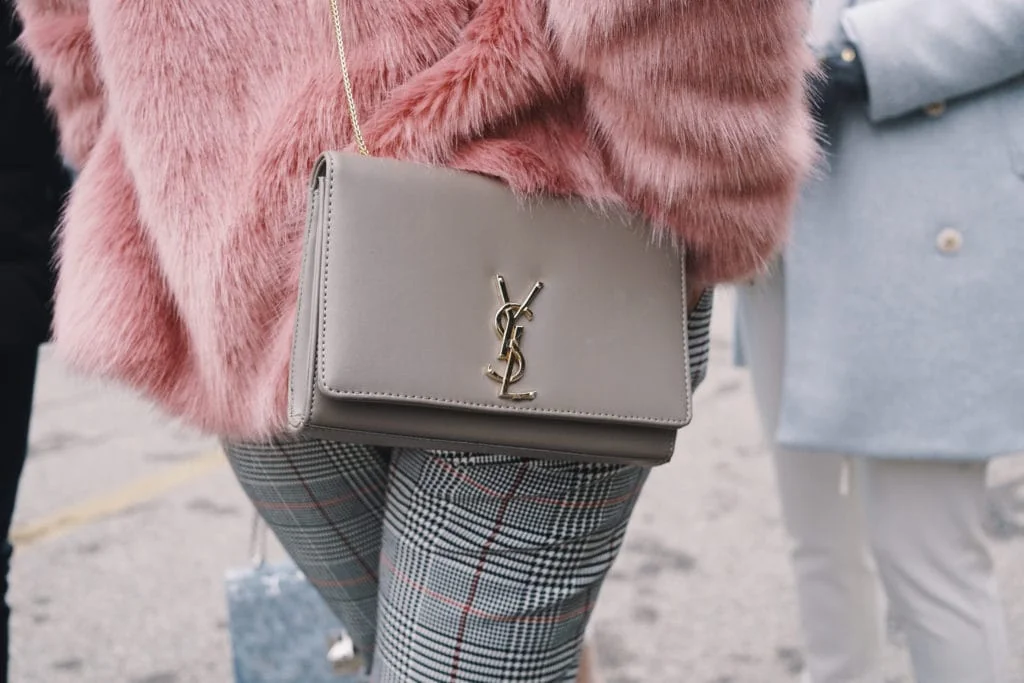
Yves [Saint Laurent](/brands/ysl-tribute-sandals-guide/) built a house on contradiction: androgynous yet sensual, disciplined yet rebellious, tailored yet loose enough to move in. That same tension defines its handbags. A Sac de Jour looks like it belongs in a corner office, but flip it over and the hardware still has that slightly rock-and-roll edge the brand never fully shook off. That’s the appeal, and it’s also why certain YSL bags have quietly become some of the more sensible luxury purchases you can make right now.
I’m not going to pretend every bag with the YSL cassandre logo is a smart buy. Some are trend pieces that will look dated in five years. Others are genuinely well-made, hold their shape, and resell for a respectable percentage of retail years after purchase. This guide is about separating the two. We’re looking at the best YSL bags to invest in, based on design integrity, resale performance, and how they actually hold up in daily use, not just how they photograph.
The Saint Laurent Legacy#
Yves Saint Laurent founded the house with his partner Pierre Bergé in 1961, and it’s hard to overstate how disruptive it was at the time. Saint Laurent is credited as one of the earliest architects of prêt-à-porter, moving high fashion off the runway and into something women could actually buy and wear, which was itself a quietly radical idea in the early 1960s Paris fashion establishment.
The house’s reputation was built on pieces that challenged what “womenswear” was allowed to look like. Le Smoking, the women’s tuxedo suit, is probably the best-known example: it took a menswear staple and turned it into one of the most quoted silhouettes in fashion history. The Mondrian shift dress did something similar with fine art, and the sheer dress from 1968 caused the kind of stir that still gets referenced in fashion history classes today.
Yves Saint Laurent stepped back from the house in 2002, handing creative control to Tom Ford, who had already been running ready-to-wear since 1999 and had spent that time turning YSL into a much sharper, more commercially aggressive brand. After Ford’s exit and a run of creative directors, Anthony Vaccarello took over in 2015 and remains at the helm today.
Why does any of this matter to someone deciding whether to spend four figures on a handbag? Heritage is one of the quiet drivers of resale value in this category. Buyers on the secondhand market pay a premium for houses with a documented, consistent design language, because it signals the piece will still be recognizable and desirable in a decade. YSL has that pedigree. Its handbag line, however, is a much more recent story.
How YSL Handbags Rose to Cult Status#
Here’s something that surprises people: Yves Saint Laurent himself was never particularly invested in handbags. His personal fascination ran toward jewelry, and for a long stretch, the house’s bag offering was respectable but unremarkable, nowhere near the cultural weight of its ready-to-wear.
That changed under Hedi Slimane, who took the creative director role in 2012 and introduced the Sac de Jour in 2013. It landed at exactly the right moment, when the market was hungry for structured, minimalist totes that read as “quiet luxury” long before that phrase existed. It gave YSL its first true “it bag” of the modern era.
Anthony Vaccarello picked up that momentum and pushed it further. The Loulou, introduced in 2017, brought a softer, more youthful energy to the lineup, and later designs like the Kaia and Solferino leaned into texture, hardware, and silhouette in ways that felt distinct rather than derivative of [Chanel](/brands/devil-wears-prada-2-fashion-style-guide/) or Dior. What’s notable is that this all happened in under a decade. YSL essentially built a handbag identity from a near-standing start, and it did so by being consistent about proportions, hardware finish, and leather quality rather than chasing every micro-trend. That consistency is exactly why some of these bags now hold value the way older, more established “investment” bags do.
Top 5 YSL Bags Worth Investing In#
Before the list, a quick note on criteria. I’m weighing four things for each bag: build quality and structure (does it hold its shape over years of use), versatility (can it move between contexts without looking out of place), recognizability (is the design instantly identifiable as YSL, which matters for resale), and honest daily practicality, not just how it looks styled for a photo. A bag can be beautiful and still be a poor investment if it’s delicate, over-trendy, or awkward to actually live with.
1. Sac de Jour Tote#
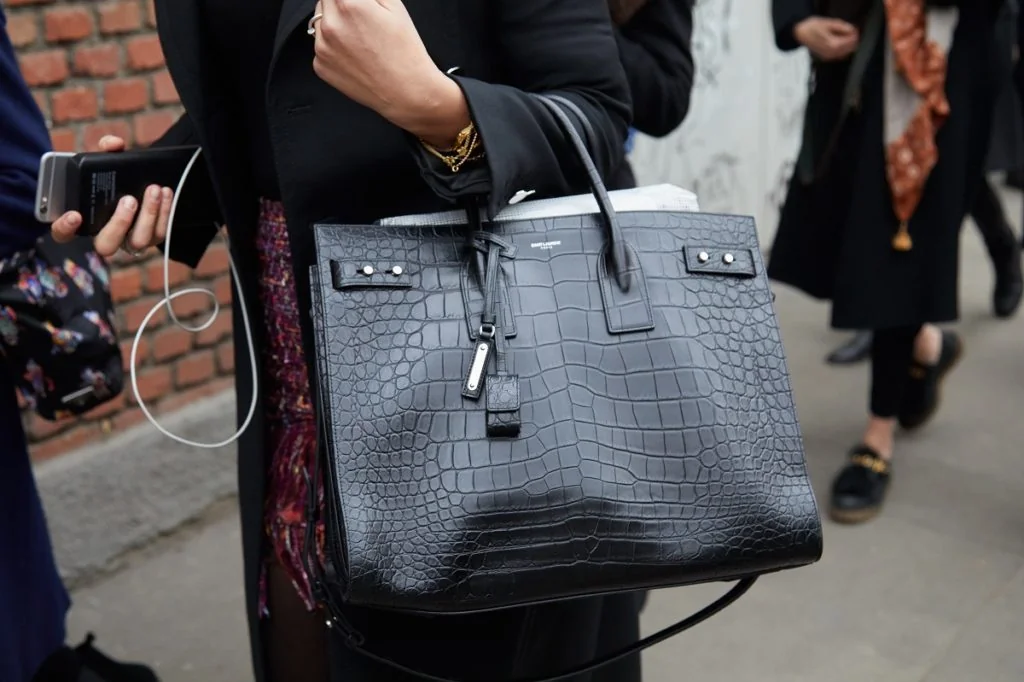
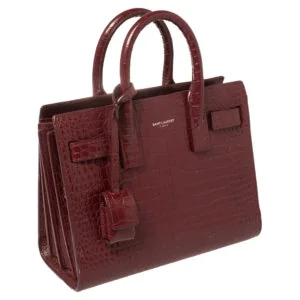
The Sac de Jour is the closest thing YSL has to a modern classic, and it’s the bag I’d point most people toward first. Hedi Slimane designed it in 2013 as a structured, boxy tote with a compartmentalized interior, and it reads more like a well-made work bag than a fashion statement, which is precisely its strength. It comes in nano, baby, small, and large sizes, and in everything from smooth calfskin to exotic skins, so there’s real range in price point.
What I like: the silhouette is genuinely timeless, the structured base means it doesn’t slouch or sag with use, and it’s one of the more recognizable YSL shapes on the resale market, which supports value retention. The smaller sizes in classic black or neutral leather are consistently the easiest to resell.
The honest downside: the larger sizes are heavier than they look once loaded, and the structured shape means it doesn’t compress or pack flat, which matters if you travel with it. It’s also not a bag that flatters an ultra-casual outfit; it wants at least a bit of polish.
2. Loulou Bag#
Named for Loulou de La Falaise, Yves Saint Laurent’s longtime muse and a jewelry designer in her own right, this Vaccarello design from 2017 is the most versatile bag on this list. The chevron quilting and chain strap give it a day-to-night flexibility that the Sac de Jour doesn’t have, and the front flap hardware is instantly identifiable.
What I like: it’s genuinely comfortable to wear cross-body or on the shoulder, the quilted leather is forgiving of minor wear compared to smooth calfskin, and it spans a wide price range across sizes, making it a realistic entry point into YSL.
The honest downside: because it launched into an already crowded market of quilted chain bags (Chanel’s influence here is obvious), it doesn’t have quite the same singular identity as the Sac de Jour, and that shows slightly in resale pricing, it tends to hold value well but rarely appreciates the way rarer pieces do.
3. Kaia Bag#
The Kaia is a softer, slouchier design that leans into a more relaxed, textured aesthetic, often shown in suede or with a tasseled drawstring detail. It reads younger and more casual than the Sac de Jour or Loulou.
What I like: it’s a nice counterpoint if your existing collection is heavy on structured bags, and the tactile, textured materials feel distinct in a category dominated by smooth leather.
The honest downside: soft, slouchy silhouettes are historically weaker resale performers than structured ones, because they show wear more visibly and don’t hold their shape in storage. Suede in particular is harder to maintain and less forgiving of everyday use. I’d treat this as a bag you buy because you love wearing it, not primarily as a value play.
4. Solferino Bag#
The Solferino is one of Vaccarello’s more architectural designs, a structured top-handle flap bag with a kisslock closure and a boxier, saddle-adjacent silhouette. It has a distinct front and profile that doesn’t try to echo other houses’ bags, which I appreciate.
What I like: the structure holds up well, the top handle option makes it feel more formal and office-appropriate than the Loulou, and its relative rarity compared to the Sac de Jour or Loulou means it stands out.
The honest downside: that same rarity cuts both ways. It’s less immediately recognizable to the average buyer, which can mean a longer resale window and more negotiation on price, since fewer buyers are specifically hunting for it by name.
5. Kate Bag#
The Kate rounds out the list, and it’s the most overtly evening-oriented piece here. Built on a flap-bag silhouette with an interchangeable chain strap that detaches to let it function as a clutch, it’s compact, practical for essentials only, and typically finished with the brand’s metal tassel detail on front.
What I like: the convertibility is genuinely useful, it’s one of the more affordable entry points into the range, and the classic flap shape ages well stylistically.
The honest downside: it’s a small bag by design, so it’s not a realistic daily-use option if you carry more than a phone, cardholder, and keys. It’s also less structurally robust than the Sac de Jour or Solferino, so heavy daily use will show wear faster.
Investment Value and Resale Potential#
If you’re buying with resale in mind, a few patterns hold up consistently across the YSL secondhand market.
Structured leather outperforms soft or slouchy silhouettes. Bags like the Sac de Jour and Solferino, which hold their shape on a shelf or in storage, photograph better secondhand and tend to show wear more gracefully than suede or unstructured designs like the Kaia.
Neutral colors sell faster and closer to retail. Black, tan, and dark neutrals are the safest choice if value retention matters to you. Bold seasonal colors and heavily trend-driven finishes tend to depreciate faster, simply because the resale buyer pool is smaller and more particular.
Classic calfskin and box leather generally outlast trend materials in resale desirability. Exotic skins can hold value well, but only in classic colorways and only if impeccably maintained; a scuffed or dry crocodile-embossed bag loses value fast. Quilted leather (Loulou, Envelope) is more forgiving of daily wear but rarely commands the same premium as smooth, structured leather.
Hardware condition matters more than people expect. Tarnished or scratched YSL hardware is one of the fastest ways to knock meaningful value off an otherwise well-kept bag, since the logo hardware is so central to how these pieces are identified.
Discontinued or limited pieces can appreciate, but it’s the exception, not the rule. Most current-line YSL bags depreciate like any luxury good; they just depreciate more slowly than fast-fashion designer pieces if you choose well.
How to Choose Your First YSL Bag#
Start with how you’ll actually use it, not how it looks in a flat lay. If you need one bag that works for an office and can survive a commute, the Sac de Jour in a small or baby size is the more rational choice than something delicate like the Kate. If you want one bag that spans casual and dressed-up, the Loulou is the more flexible pick.
Set a realistic budget bracket before you shop, and be honest about where you land. YSL’s range spans from a few thousand dollars for smaller leather pieces up to significantly more for larger sizes in exotic skins. Buying the smallest size in your target style in a classic leather is almost always a better investment than stretching for a larger bag in a trend color or material you’ll tire of.
Authentication is non-negotiable at this price point. Check stitching consistency, the weight and finish of the hardware, the placement and font of the interior stamp, and the serial number or date code where applicable. If you’re buying secondhand, use a reputable consignment platform or authenticator rather than relying on seller photos alone, and be wary of prices that seem too far below market for the condition described.
Buy from authorized boutiques or established, vetted resale platforms. Both have tradeoffs: boutiques guarantee authenticity but at full retail, while resale platforms can offer meaningful savings and access to discontinued styles, provided the platform has a real authentication process rather than just a marketplace listing.
FAQ#
Do YSL bags actually hold their value? Some do, some don’t. Structured, classic styles in neutral leather, like the Sac de Jour, hold value reasonably well and depreciate more slowly than the broader designer handbag market. Trend-driven or delicate styles depreciate faster, regardless of brand name.
Which YSL bag is the safest investment? The Sac de Jour, specifically in a smaller size, in black or a neutral leather. It has the strongest combination of recognizability, structural durability, and consistent resale demand of anything in the current lineup.
Is the Loulou a good first YSL bag? Yes, particularly if you want versatility over pure investment potential. It’s comfortable to wear daily and spans a wide price range, though it won’t appreciate the way a rarer or more structurally distinctive piece might.
Do YSL bags appreciate like Hermès or Chanel? Not typically. Hermès Birkins and Kellys are the outliers in the entire luxury handbag market and shouldn’t be used as the benchmark. YSL bags are better understood as pieces that retain value well relative to their price point rather than assets that appreciate over time.
What should I check before buying a YSL bag secondhand? Stitching quality, hardware weight and finish, the interior stamp and date or serial code, and overall leather condition. Buy from a platform or seller with a documented authentication process, and ask for close-up photos of hardware and stamps before committing.
Are exotic skin YSL bags worth the premium? Only if you’re confident you’ll maintain them properly. They can hold value well in classic colorways and excellent condition, but they’re less forgiving of wear and have a smaller resale buyer pool than standard calfskin.
Related Articles#
- 50 Best Bags Under $500: Smart Style on a Budget
- Saint Laurent Kate Bag Review: Style, Fit & Resale Value
- How Pre-Owned Luxury Fashion Is Reshaping the Industry
Related guides
- Online Bag Authentication: What Photos Can and Cannot Prove
- Fake Goyard Bag Guide: How to Spot Real vs Fake (2026)
- How to Spot a Fake Chanel Flap Bag: Authentication Guide
- How to Spot a Fake Hermès Birkin: Expert Checklist
- How to Buy an Authentic Luxury Bag from China Safely
- New vs Pre-Owned Luxury Bags: Which Route Is Right for You?
- Chanel Bag Guide: What to Know Before You Buy
- Luxury Bag Houses


Keyword index