Introduction#
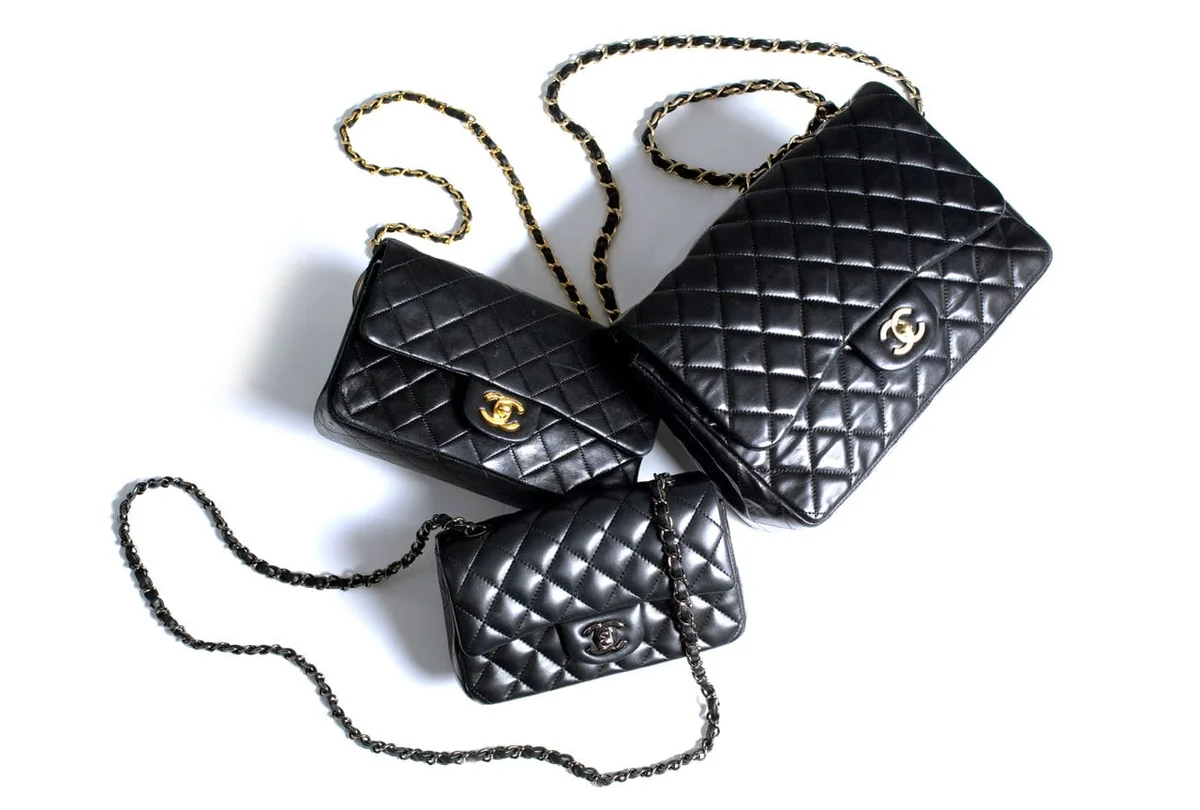
If you’ve spent any time researching [designer handbags](/brands/top-tory-burch-handbags/), you already know the Chanel flap bag isn’t just another “it bag.” It’s the bag people use as a benchmark for everything else — the one collectors mention in the same breath as “investment piece,” and the one first-time luxury buyers agonise over for months before pulling the trigger.
That agonising is fair. A Chanel flap bag is a serious purchase, and getting it wrong — the wrong size, the wrong leather, a colour that dates quickly — is an expensive mistake to sit with. This guide is built to help you avoid that. We’ll walk through sizing, leather and colour choices, how to style the bag properly (including Chanel’s gold medallion belt, which is having a real moment), what the resale market actually looks like right now, and how to buy pre-owned Chanel with confidence rather than crossed fingers.
Why the Chanel Flap Bag Remains an Icon#
The Chanel flap bag has been in continuous production since Coco Chanel introduced the original 2.55 in February 1955 — the month and year give the bag its name. Karl Lagerfeld reworked it in 1983 into the Classic Flap we know today, adding the interlocking CC turn-lock and leaning further into the quilted diamond stitching that’s now instantly recognisable from across a room.
What keeps it relevant isn’t nostalgia. It’s that Chanel has been disciplined about the design for decades: no gimmick colourways that undercut the core line, no diffusion version sold cheaper elsewhere, and a runway presence every season at Paris Fashion Week that keeps the bag visually connected to the current collection without changing its bones. That restraint is exactly why the flap bag has held its status while other “it bags” from the 2000s and 2010s have faded. You’re not buying a trend piece. You’re buying a design Chanel has protected for seventy years, which is a big part of why it behaves differently from most handbags on the resale market — more on that later.
The honest caveat: because the shape is so ubiquitous, it’s also one of the most counterfeited bags in the world. That reputation cuts both ways — it’s desirable precisely because everyone recognises it, but that recognition is also why authentication matters so much when you’re buying pre-owned.
Chanel Flap Bag Sizes Explained#
Chanel currently produces the flap bag in four main sizes, and picking the right one matters more than picking the right colour. I’ve carried all four, and they genuinely suit different people and different lives.
Mini (roughly 17–20cm) Fits a phone, a card holder and lip balm. That’s it. Gorgeous as an evening bag or for someone who already carries a tote for daily essentials and wants a small bag purely as a styling piece. The downside is obvious: if you need to carry anything beyond the basics, you’ll be frustrated within a week.
Small (23cm) The most underrated size, in my opinion. It holds a slim wallet, keys, sunglasses and a phone with some breathing room, and it sits close to the body in a way the medium doesn’t always manage. Good for petite frames and for anyone who wants the classic flap silhouette without the bulk.
Medium (25cm) This is the size most people mean when they say “[Chanel Classic Flap](/buying-guides/vintage-chanel-finds-top-picks/),” and it’s the best-selling size for a reason — it’s the most versatile and, not coincidentally, the easiest to resell. It works for day and evening, holds a reasonable amount, and looks proportionate on most body types. If you’re buying one flap bag and want it to do the most work, this is usually it.
Jumbo / Large (30cm) Genuinely useful as a daily bag — it’ll take a small tablet, a proper wallet, and daily essentials without becoming a tote. The trade-off is weight: caviar leather and the chain strap add up, and worn cross-body for a full day it can dig into the shoulder. It also reads more casual than the medium, which some buyers love and others find undercuts the “elevated” feeling they wanted from the bag.
If I’m advising a first-time buyer with one bag budget, I steer them toward the medium unless they have a specific reason not to — either a petite frame (go small) or a genuine need to carry more day to day (go jumbo).
Choosing Your Colour and Leather#
This is where I see buyers make the most regrettable decisions, usually because they fall for a colour in the boutique lighting and don’t think about five years down the line.
Leather types:
- Caviar leather — textured, grainy, scratch-resistant. This is the leather I recommend for anyone who will actually use the bag regularly. It shrugs off light rain and daily handling far better than lambskin.
- Lambskin — buttery soft, with a beautiful drape, but genuinely delicate. It marks easily, shows corner wear faster, and isn’t the one to choose if you’re rough with your bags or plan to use it as a daily workhorse.
- Patent leather — durable and easy to wipe clean, though it can crack at fold lines over many years and reads a touch less “quiet luxury” than caviar.
- Seasonal materials (tweed, velvet, exotic skins) — beautiful, often limited production, but harder to match with everyday wardrobes and, with exotics, subject to import restrictions in some countries.
Colour: classic vs. seasonal. Black with gold hardware is the safest choice for a reason — it goes with everything, ages well, and holds resale value better than almost any other combination. Black with silver hardware is a close second and slightly more understated. Beige/caramel is the other genuinely “classic” option and has its own loyal following, though it shows dirt on the handles faster than black.
Seasonal colours — the pinks, blues, greens Chanel releases each collection — are tempting and often gorgeous in person, but they date. A colour that feels current this season can feel dated in three years, and it will typically resell for noticeably less than the classic options, sometimes at a real discount to what you paid. Buy a seasonal colour because you love it and can afford the depreciation, not because you’re hoping it’ll be a smart resale move.
Styling It: Gold Medallion Belts and Accessories#
One of the most useful things Chanel has done in recent collections is expand the accessories that let you build a full “look” around the flap bag rather than treating it as a standalone purchase.
The Chanel medallion belt — the gold CC coin-link belt — pairs particularly well with the flap bag because it echoes the bag’s gold hardware without competing with it. Worn over a plain black dress or slouchy denim, it does the job of “dressing up” an outfit the same way the bag does, and the two together read as considered rather than logo-heavy. I’d avoid pairing a heavily embellished belt with a heavily quilted bag in a busy colour — let one piece carry the statement and keep the other simple.
A few styling notes from actually wearing these pieces:
- Match metals. Gold hardware bag with gold hardware belt and jewellery; don’t mix golds and silvers within the same look unless you’re doing it deliberately.
- The medallion belt sits best on lower-rise trousers or over a dress with definition at the waist — it gets lost on very fitted silhouettes with no waistband to sit on.
- Resist the urge to double up on logos. One CC moment (the bag) plus one subtler nod (the belt’s coin detail) reads more expensive than head-to-toe monogram.
Resale Value and Investment Potential#
This is the section most readers actually came for, so let’s be direct about it.
Chanel flap bags — specifically black caviar with gold or silver hardware, in medium or small size — have historically held value better than almost any other handbag category, including most Hermès bags aside from the Birkin and Kelly. Chanel has raised retail prices multiple times a year for over a decade, and because pre-owned pricing tends to track a percentage of current retail rather than original purchase price, well-kept classic pieces have in many cases resold for close to, or occasionally above, what buyers originally paid.
That said, I want to push back on the idea that a Chanel flap bag is a guaranteed investment, because it isn’t one, and treating it that way sets buyers up to be disappointed.
What holds value well:
- Black caviar, medium or small, gold hardware
- Excellent condition with original box, cards and dust bag
- Classic hardware (avoid heavily worn or discoloured CC turn-locks)
What doesn’t hold value as well:
- Bright seasonal colours and lambskin in worn condition
- Jumbo sizes, which have a smaller resale buyer pool than medium
- Bags without authenticity cards or with visible corner wear, since condition grading affects price more than people expect
My honest take: buy the bag because you want to carry it and love it, and treat the fact that it holds value reasonably well as a nice bonus, not the primary reason to spend five figures. If pure investment return is your goal, the flap bag is a decent hedge against depreciation compared to most handbags, but it’s not going to outperform actual financial assets, and Chanel’s own price increases mean “new retail” is a moving target that resale rarely beats by much in real terms.
Where and How to Buy Authentic Chanel#
Buying new is straightforward — a Chanel boutique or Chanel’s own site, full stop. Buying pre-owned is where due diligence actually matters, and where I’d urge patience over impulse.
Authentication basics to check before buying secondhand:
- Serial/authenticity system: Chanel phased out the old hologram sticker around 2021 in favour of a microchip embedded in the bag paired with an authenticity card. Older bags will have a holographic sticker and a matching serial number card — the numbers must match and the sticker should show no signs of tampering or re-application.
- Stitching: Chanel’s diamond quilting is precise and symmetrical. Uneven stitch spacing or crooked diamonds are a major red flag.
- Hardware weight: authentic CC turn-locks and chain straps have real heft. Lightweight, tinny hardware is a common tell on counterfeits.
- Leather smell and texture: genuine caviar leather has a distinct, fine pebbled grain that’s consistent across the whole bag — not just the front panel.
- Interior stamping and font: Chanel’s interior stamp uses a specific, consistent font. Blurry or oddly spaced lettering is a warning sign.
Where to buy pre-owned: stick to platforms that authenticate in-house with named specialists, offer clear condition grading (not just “good” or “excellent” with no explanation), and provide some form of buyer protection or return window if authenticity is ever in question. Avoid private marketplace listings with only stock photos, sellers unwilling to provide close-up shots of hardware and stitching, or prices that sit dramatically below the going rate for that size and leather — with Chanel, an unusually good price is the biggest red flag there is.
FAQs#
What’s the best Chanel flap bag size for everyday use? For most people, the medium (25cm) is the most practical everyday size — it holds a reasonable amount without becoming heavy, and it’s the easiest size to resell later if your needs change.
Is caviar or lambskin better for a first Chanel bag? Caviar, if you plan to use the bag regularly. It resists scratches and light moisture far better than lambskin, which is more delicate and better suited to occasional or evening use.
Do Chanel flap bags actually hold their value? Classic combinations — black caviar with gold or silver hardware, in good condition with original cards — have historically held value well and sometimes resold near original retail, thanks in part to Chanel’s frequent price increases. Trend colours, lambskin in worn condition, and jumbo sizes tend to depreciate more.
How can I tell if a pre-owned Chanel flap bag is authentic? Check the serial number or microchip against the authenticity card, inspect stitching for even, symmetrical quilting, and check hardware weight and interior stamping. When in doubt, buy from a reseller that authenticates in-house rather than a private, unverified listing.
Is the medallion belt worth buying alongside a flap bag? If you want a cohesive, considered look without buying multiple bags, yes — it’s a relatively accessible entry point into Chanel accessories and pairs naturally with the flap bag’s hardware. Just avoid stacking it with other heavily logoed pieces in the same outfit.
How much does a Chanel Classic Flap cost new? Pricing varies by size, leather and current exchange rates, and Chanel has increased prices multiple times a year in recent seasons — always check current pricing directly with a Chanel boutique rather than relying on older published figures.
Related Articles#
- Best It Bags to Buy This Year: A Definitive Guide
- How Pre-Owned Luxury Fashion Is Reshaping the Industry
- Hermès Leathers Guide: Togo, Epsom, Exotic Skins Explained
- Why the Chanel Crossbody Bag Never Goes Out of Style
- Top ‘It’ Bags Worth Buying in 2024: Investment Guide
Related guides
- Online Bag Authentication: What Photos Can and Cannot Prove
- Fake Goyard Bag Guide: How to Spot Real vs Fake (2026)
- How to Spot a Fake Chanel Flap Bag: Authentication Guide
- How to Spot a Fake Hermès Birkin: Expert Checklist
- How to Buy an Authentic Luxury Bag from China Safely
- New vs Pre-Owned Luxury Bags: Which Route Is Right for You?
- Chanel Bag Guide: What to Know Before You Buy
- Luxury Bag Houses


Keyword index