Introduction: Why Hermès Fakes Are Harder to Spot Than Ever#
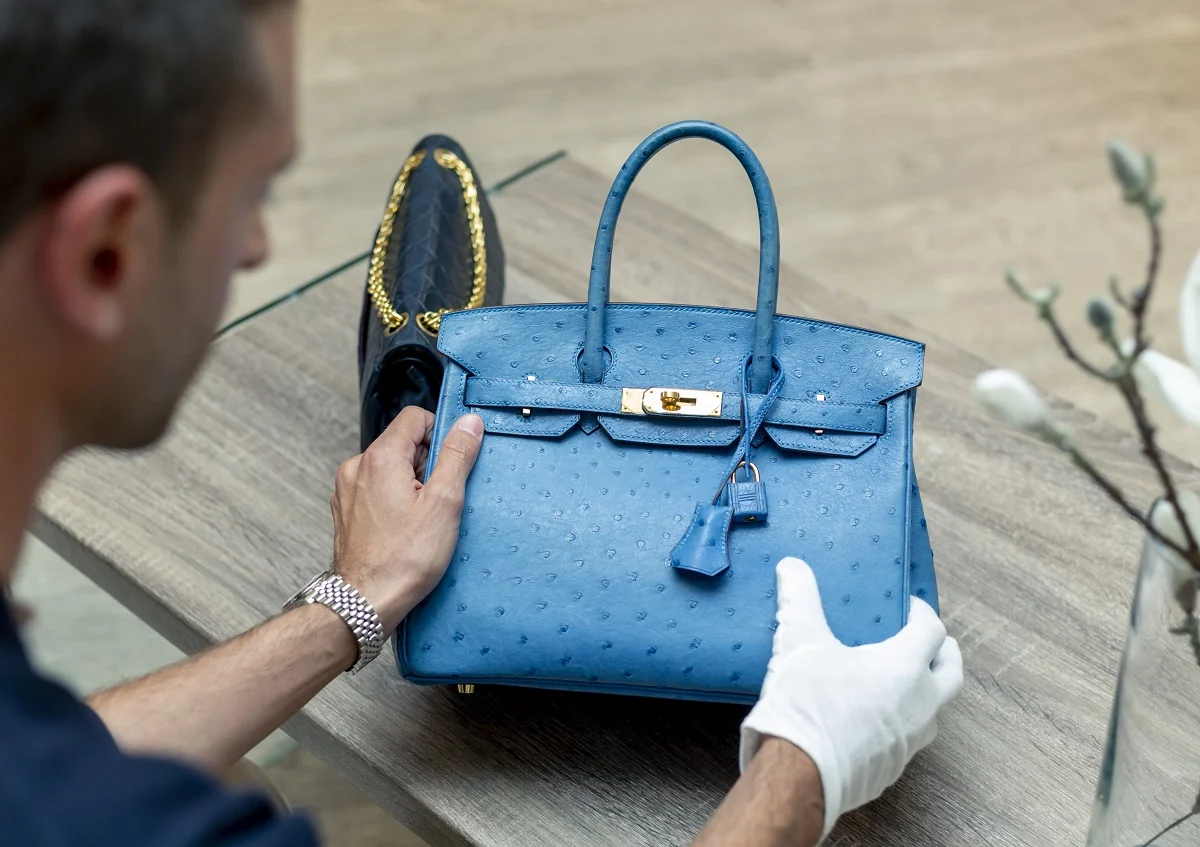
A decade ago, spotting a fake Hermès bag was almost a party trick. The stitching gave it away, the hardware felt cheap, the leather smelled like a tire shop. Today, that confidence is gone. Superfake workshops now source similar leather grades, replicate blind stamps with unsettling precision, and even weight their hardware to mimic the heft of solid palladium or gold. I’ve had bags land on my desk that fooled me for a full minute before something — usually the stitch tension or the smell — gave them up.
This matters more now than ever because the resale market has exploded. Birkins, Kellys, and Clic Clac bracelets change hands constantly outside of Hermès boutiques, and demand has outpaced the brand’s notoriously limited supply. That gap is exactly where counterfeiters thrive. If you’re researching a pre-owned Hermès purchase, this isn’t a guide you skim once and forget. It’s the reference you come back to before every purchase, because the fakes keep evolving and so should your eye.
This isn’t meant to scare you off buying pre-owned. It’s meant to make you a harder person to fool, and to explain why working with a source that authenticates in-house is worth far more than saving a few hundred dollars buying blind.
The Hallmarks of Genuine Hermès Craftsmanship#
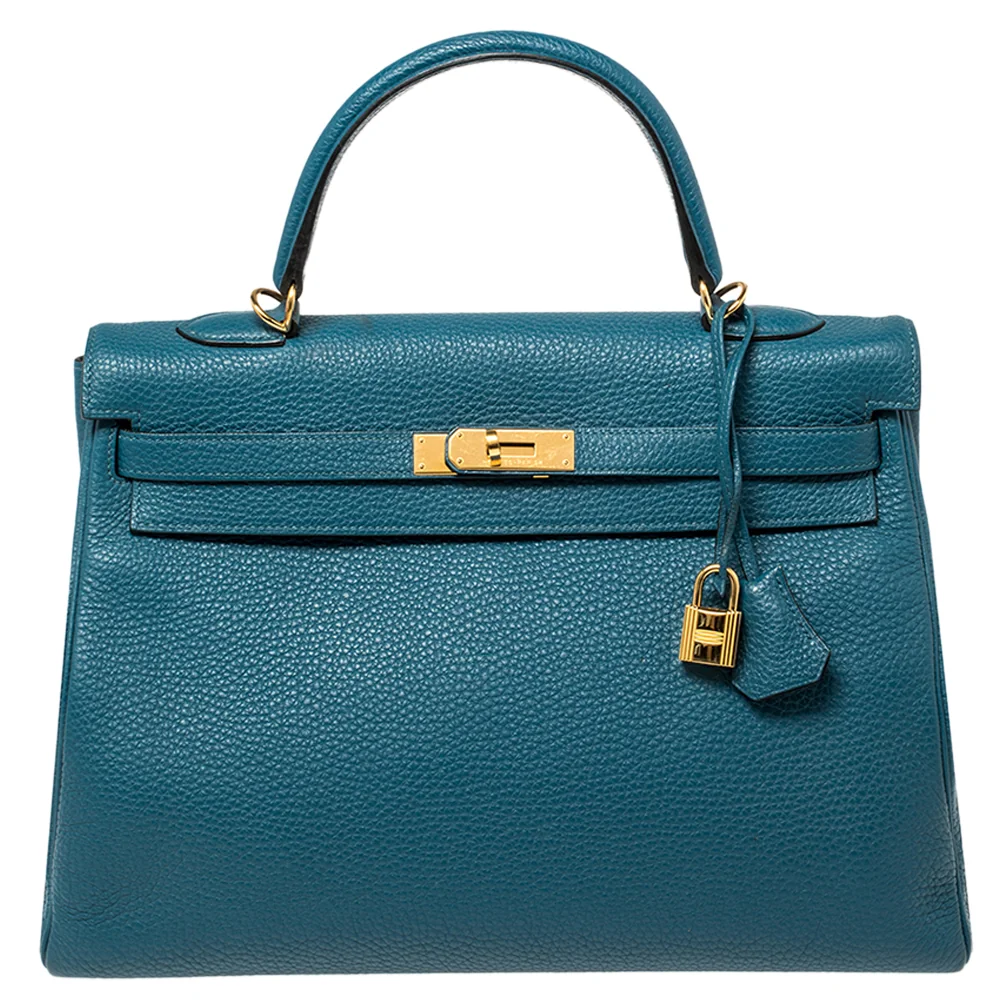
Before you can spot a fake, you need to know what real Hermès actually feels like in the hand. This is the baseline everything else gets measured against.
Start with the saddle stitching. Every Hermès bag is hand-stitched using a technique borrowed from saddlery — two needles, one thread, pulled through the same hole from opposite sides. The result is a stitch line that’s slightly uneven in the most human way possible, with consistent tension and a diagonal lean to each stitch. Machine stitching, which is what almost all fakes use, produces stitches that are too perfectly uniform and sit flat rather than at an angle.
Then there’s the leather. Hermès works with some of the best tanneries in France, and the difference shows up in how the leather smells, feels, and ages. Togo leather has a distinctive pebbled grain that’s slightly irregular, never a repeating pattern. Chèvre (goatskin) has a finer, more textured grain with a dry, slightly waxy hand-feel. Genuine Hermès leather has a rich, almost sweet smell — not the sharp chemical scent you get from bonded or heavily treated leather used in fakes.
Hardware is another giveaway once you know what to check. Genuine palladium and gold-plated hardware has real weight to it — it doesn’t feel hollow or light when you flick the clochette or turn the lock. The plating is thick enough that it ages gracefully, developing a soft patina rather than flaking or discoloring in blotches.
Finally, every Hermès bag carries a blind stamp — a craftsman’s stamp and a date stamp pressed into the leather, usually inside the bag near the strap attachment. The font, spacing, and depth of this stamp are remarkably consistent across genuine pieces from the same era, which is exactly why it’s one of the first things a trained eye checks.
Universal Red Flags Across All Hermès Items#
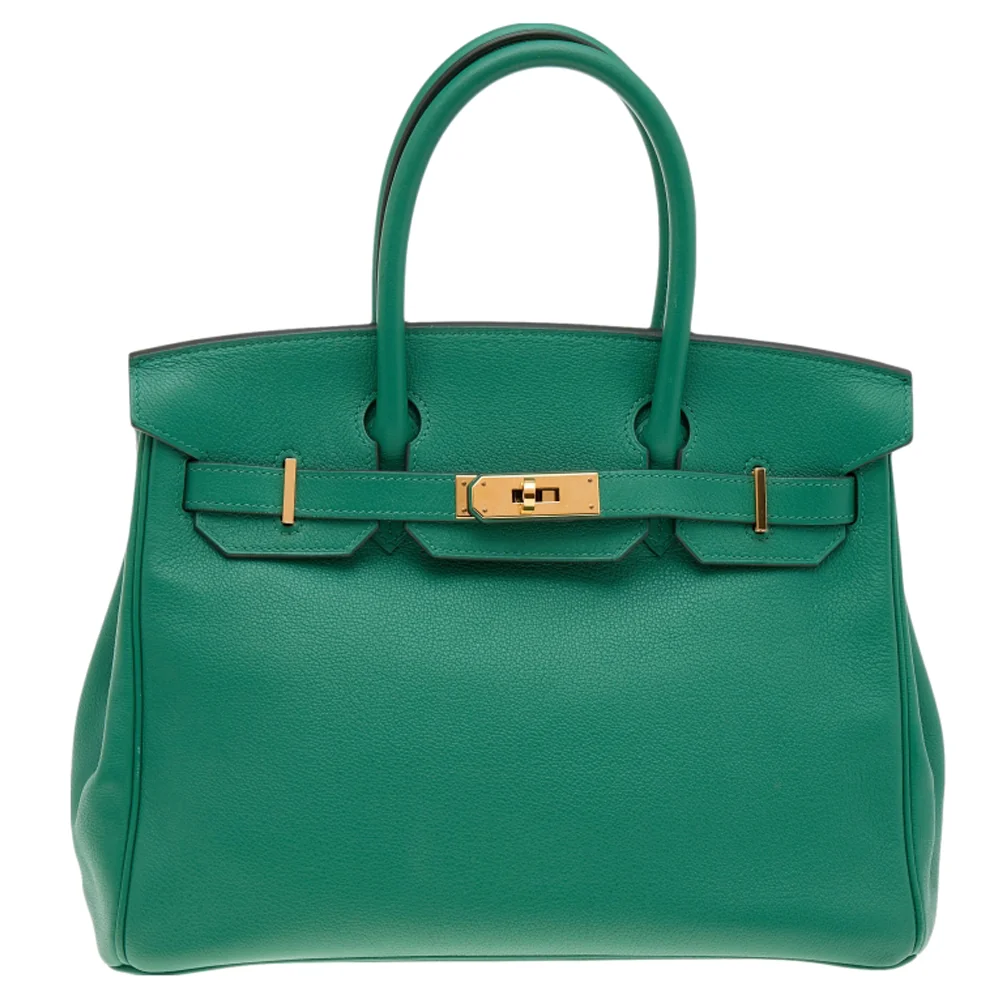
Regardless of whether you’re looking at a bag, a bracelet, or a small leather good, certain tells apply across the board.
Hardware fonts and engravings. Hermès uses a specific, slightly condensed font for logos and engravings. Counterfeiters routinely get the letter spacing, weight, or proportions slightly wrong. Compare the “H” in “Hermès” against verified reference images — genuine engravings are crisp and evenly deep across every letter, not shallow in some spots and overly deep in others.
Dust bags and boxes. Genuine Hermès dust bags are made from a felt-like flannel material with a substantial weight to them, and the drawstring closure sits evenly. Fakes often use thinner, shinier fabric that feels more like polyester. Boxes should have crisp, embossed lettering and a lid that closes with real resistance and precision — a loose-fitting box lid is a bad sign.
Stitching consistency. This is worth repeating because it’s the single most reliable universal tell. Look at the stitch length and spacing across the entire item, not just one section. Genuine pieces are consistent from end to end because they’re made by one artisan start to finish. Fakes often show subtle shifts in stitch length halfway through a seam, where quality control simply wasn’t as tight.
Leather smell. I know this sounds unscientific, but it’s genuinely one of the fastest tells for anyone who’s handled enough authentic pieces. Real Hermès leather smells rich and slightly sweet. Cheap fakes often smell chemical or plasticky, especially near the edges where the leather has been dyed or coated.
I’ll be honest: on superfakes, several of these tells can be close enough that you need more than one data point to feel confident. That’s exactly why professional authentication exists, and why relying on a single “obvious” red flag is no longer enough.
Authenticating the Birkin and Kelly: What to Examine Closely#
The Birkin and Kelly are, unsurprisingly, the two most counterfeited bags in the world, and their authentication criteria overlap heavily enough that it makes sense to cover them together.
The clochette and lock and key set. On a genuine bag, the clochette (the little bell-shaped leather piece that holds the keys) is stitched with the same saddle-stitch precision as the rest of the bag, and the leather matches the body in grain and color exactly. The lock should feel substantial, turn smoothly, and the keys should be stamped with matching serial numbers to the lock itself — mismatched numbers are an immediate disqualifier.
Interior stitching and construction. Don’t just check the exterior. Open the bag and examine the interior seams, the pocket stitching, and where the strap attaches to the body. Genuine Hermès bags maintain the same stitch quality inside as outside. Fakes frequently cut corners here because buyers rarely look.
Chèvre versus Togo grain. Knowing which leather a specific bag should have, and recognizing its texture, is critical. Togo has a pronounced, irregular pebbled grain and is more structured. Chèvre is finer-grained, slightly glossier, and softer to the touch. A bag claiming to be Togo but with a suspiciously uniform, repeating grain pattern is a red flag — real leather grain is never perfectly repetitive.
Date stamp placement and format. The blind stamp inside a Birkin or Kelly includes a letter or symbol indicating the production year, alongside a craftsman’s stamp. These have changed format over the decades, so a date stamp that doesn’t match the styling era of the bag (hardware type, lining material, etc.) is a serious inconsistency.
Because these two bags carry such detailed, model-specific authentication points — turn locks, strap width, base shape, handle drop — they genuinely deserve their own deep dives rather than a quick summary. For a full breakdown of Kelly-specific tells, see our guide on how to spot a fake Hermès Kelly bag. For Birkin-specific detail, read how to spot a fake [Hermès Birkin bag](/brands/kelly-vs-birkin-hermes-bags-buying-guide/).
Spotting a Fake Hermès Clic Clac H Bracelet#
The Clic Clac H is one of Hermès’ most accessible pieces, which unfortunately also makes it one of the most heavily duplicated. A handful of specific tells consistently separate real from fake.
Enamel finish depth and consistency. Genuine Clic Clac bracelets have enamel that’s applied with real depth and an even, glass-like finish across the entire surface. Fakes often have enamel that looks slightly cloudy, has visible brush strokes, or shows uneven thickness at the edges where it meets the metal.
H clasp engraving sharpness. The clasp itself should have a crisp, deeply cut “H” with clean edges. On fakes, this engraving is often shallow, slightly blurred, or positioned asymmetrically on the clasp.
Metal plating quality. Genuine palladium or gold-plated hardware on a Clic Clac has a cool, substantial feel and a plating that doesn’t show brassy undertones even after light wear. Cheap plating on fakes tends to yellow or reveal a brassy base metal at the edges within months.
Weight. Pick it up. Genuine Clic Clac bracelets have a reassuring heft that comes from quality base metal underneath the plating. Fakes are frequently noticeably lighter because they’re cast from cheaper alloys.
Interior hallmarks. Flip the bracelet over and check the interior for the Hermès stamp and, on gold or silver versions, metal purity hallmarks. These should be crisp, correctly formatted, and consistent with the piece’s claimed materials.
For a closer visual breakdown of each of these points, see our dedicated guide on how to spot a fake Hermès Clic Clac H bracelet.
What Fakes Always Get Wrong — and Why#
If you only remember one section of this guide, make it this one. Across every category, these are the details that even the best counterfeiters consistently fail to replicate, and understanding why helps you prioritize what to check first.
- Hand-painted edges. Hermès leather edges are painted by hand in multiple thin coats, which creates a slightly imperfect, non-uniform line with subtle variation in coverage. Fakes use spray or dip methods that produce a suspiciously flawless, uniform edge — ironically, too perfect is often the tell.
- Palladium aging. Genuine palladium hardware develops a soft, even patina over years of handling. Fake plating either doesn’t age at all (staying artificially shiny) or ages badly in blotches and flaking, because the base metal underneath isn’t designed to wear gracefully.
- Saddle stitch tension. This is the hardest thing to fake because it requires the actual hand-stitching technique, not just a similar-looking stitch. Genuine tension is consistent but never mechanically perfect. It’s a human skill that takes years to master, and it shows.
- Leather scent and hand-feel over time. Fakes can smell convincing on day one, but poor-quality leather and coatings degrade differently than fine tannery leather. A bag that starts smelling plasticky or feels stiffer after a few months of ownership was never genuine to begin with.
Here’s a quick-reference checklist to run through before you commit to any purchase:
Authentication checklist:
- Saddle stitching is consistent, diagonal, and hand-stitched in appearance
- Leather grain is irregular and matches the claimed type (Togo, Chèvre, etc.)
- Hardware has real weight and correct font/engraving depth
- Blind stamp format matches the claimed production era
- Clochette, lock, and keys share matching serial numbers
- Interior stitching matches exterior quality
- Dust bag and box materials feel substantial, not thin or shiny
- Leather scent is rich and natural, not chemical
- Edge paint shows slight human imperfection, not machine-perfect uniformity
- Hardware shows appropriate, graceful signs of age if pre-owned
No single item on this list is foolproof on its own with today’s superfakes. What matters is how many boxes a piece checks consistently — genuine Hermès should pass on every point, not most of them.
Where to Buy Pre-Owned Hermès With Confidence#
Given how sophisticated fakes have become, the honest advice is this: unless you’ve personally authenticated dozens of Hermès pieces, buying from an unvetted private seller is a gamble, even when the price feels “too good to skip.” I’ve seen buyers get burned by sellers who genuinely believed their own bag was real.
When evaluating a reseller for pre-owned Hermès, look for a few concrete criteria rather than taking marketing claims at face value:
In-house authentication, not just “verified” badges. Ask specifically who authenticates the pieces and what their process involves. A reputable reseller should be able to explain their methodology — checking stitching, stamps, hardware, and materials against known references — rather than just slapping on a stamp of approval.
A real return policy. If a seller won’t offer a return window in the event a piece fails authentication elsewhere, that’s a warning sign. Confidence in authenticity should translate into confidence in their return terms.
Provenance and documentation. While Hermès doesn’t issue formal certificates of authenticity the way some brands do, a good reseller can often provide purchase history, original receipts, or at minimum a clear chain of custody for the piece.
Condition transparency. Honest resellers photograph and disclose flaws — scuffed corners, hardware wear, interior stains — rather than only showing flattering angles. If every listing photo looks suspiciously perfect, ask for more images before buying.
This is precisely why platforms with dedicated in-house authenticators exist: they take on the verification work that most buyers simply don’t have the training or reference library to do reliably themselves. At The Luxury Closet, every Hermès piece we list, from bags to jewelry, passes through our in-house authentication team before it’s offered for sale. It doesn’t mean skipping your own due diligence, but it does mean you’re not authenticating alone.
FAQ: Hermès Authentication Questions Answered#
Does Hermès have serial numbers? Not in the way brands like Chanel use sequential serial numbers. Hermès uses blind stamps that include a craftsman’s identifying letter/number and a date stamp indicating production year. These follow specific formats that changed over the decades, which is part of what authenticators check against.
Can I authenticate a bag just by the receipt? No. A receipt shows a transaction happened, not that the item in front of you is the one that was purchased. Receipts can be mismatched, altered, or simply belong to a different (genuine) bag entirely. They’re supporting evidence at best, never proof on their own.
Is a dust bag proof of authenticity? No, and this is a common misconception. Dust bags and boxes can be counterfeited too, and in some cases sold separately from the item entirely. They can support a purchase’s story, but they authenticate nothing about the bag itself.
How much do professional Hermès authenticators charge? Independent third-party authentication services typically charge anywhere from $20 to $50 per item for a standard review, sometimes more for detailed reports. When buying through a reseller with in-house authentication already built into the price, you’re effectively getting that service included rather than paying separately.
Can superfakes fool professional authenticators? Rarely, but it happens on the highest tier of counterfeits, which is exactly why reputable authenticators use multiple physical checkpoints (stitching, materials, hardware weight, stamp format) rather than relying on any single tell. This is also why buying from sources with strong return policies matters as a safety net.
Related Articles#
- Best It Bags to Buy This Year: A Definitive Guide
- 5 Most Popular Chanel Bags You Need to Know
- How to Sell Luxury Items Online: The Luxury Closet Guide
- 6 Trending Coach Bags That Prove the Brand Is Back
Related guides
- Online Bag Authentication: What Photos Can and Cannot Prove
- Fake Goyard Bag Guide: How to Spot Real vs Fake (2026)
- How to Spot a Fake Chanel Flap Bag: Authentication Guide
- How to Spot a Fake Hermès Birkin: Expert Checklist
- How to Buy an Authentic Luxury Bag from China Safely
- New vs Pre-Owned Luxury Bags: Which Route Is Right for You?
- Chanel Bag Guide: What to Know Before You Buy
- Luxury Bag Houses


Keyword index