Introduction#
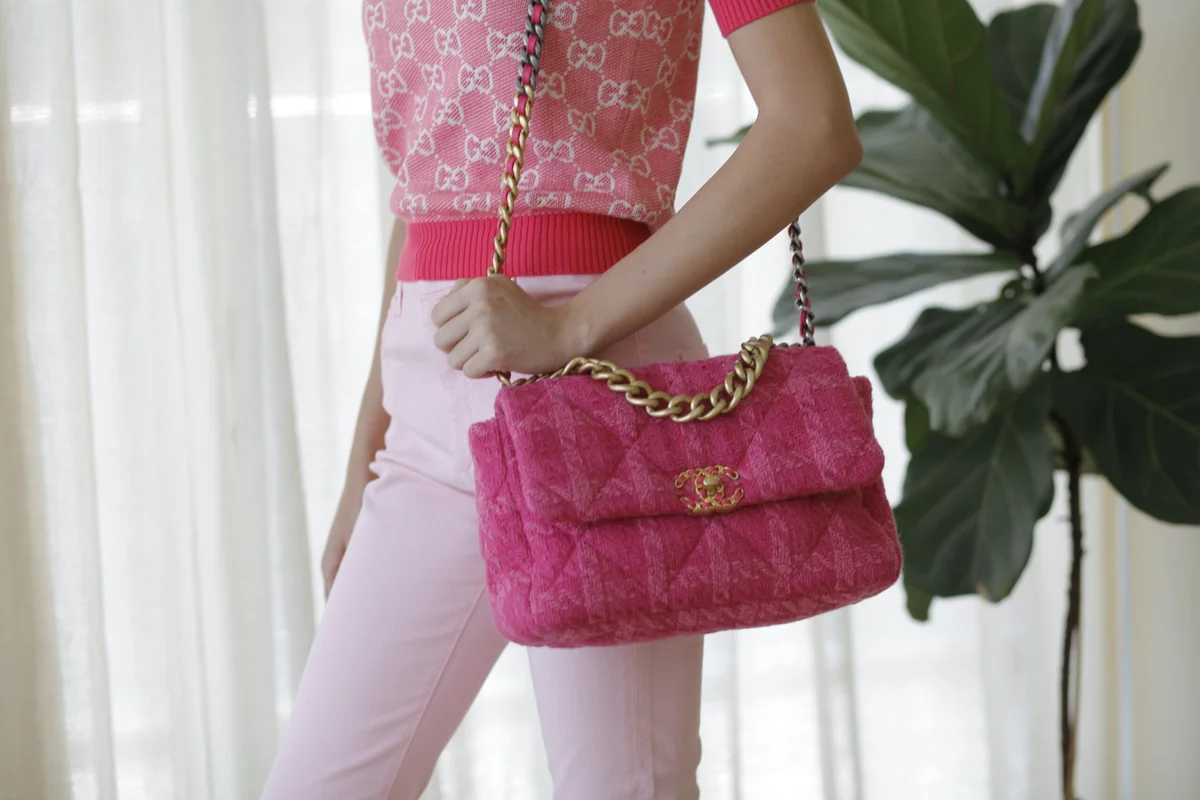
Ask most people where to put serious money and you’ll hear the usual suspects: index funds, property, maybe crypto if they’re feeling bold. Rarely does anyone mention a handbag. Yet over the past decade, a quietly persistent group of collectors and stylists has been doing exactly that, buying an Hermès Birkin, a vintage Chanel flap, or a discontinued Rolex the way others buy shares, and watching the numbers move in their favor.
I’ve spent years handling these pieces professionally, appraising condition, tracking auction results, watching which bags fly off resale platforms and which ones sit. The honest takeaway is this: luxury fashion investment is real, but it’s selective. Most designer goods depreciate the moment they leave the boutique, same as a new car. A small, well-defined category does the opposite. It appreciates, sometimes dramatically, while giving you something a stock certificate never will: you can actually wear it.
This guide is about separating that small category from the noise, and giving you the criteria to buy with the same discipline you’d apply to any other asset.
The Rise of Fashion as an Asset Class#
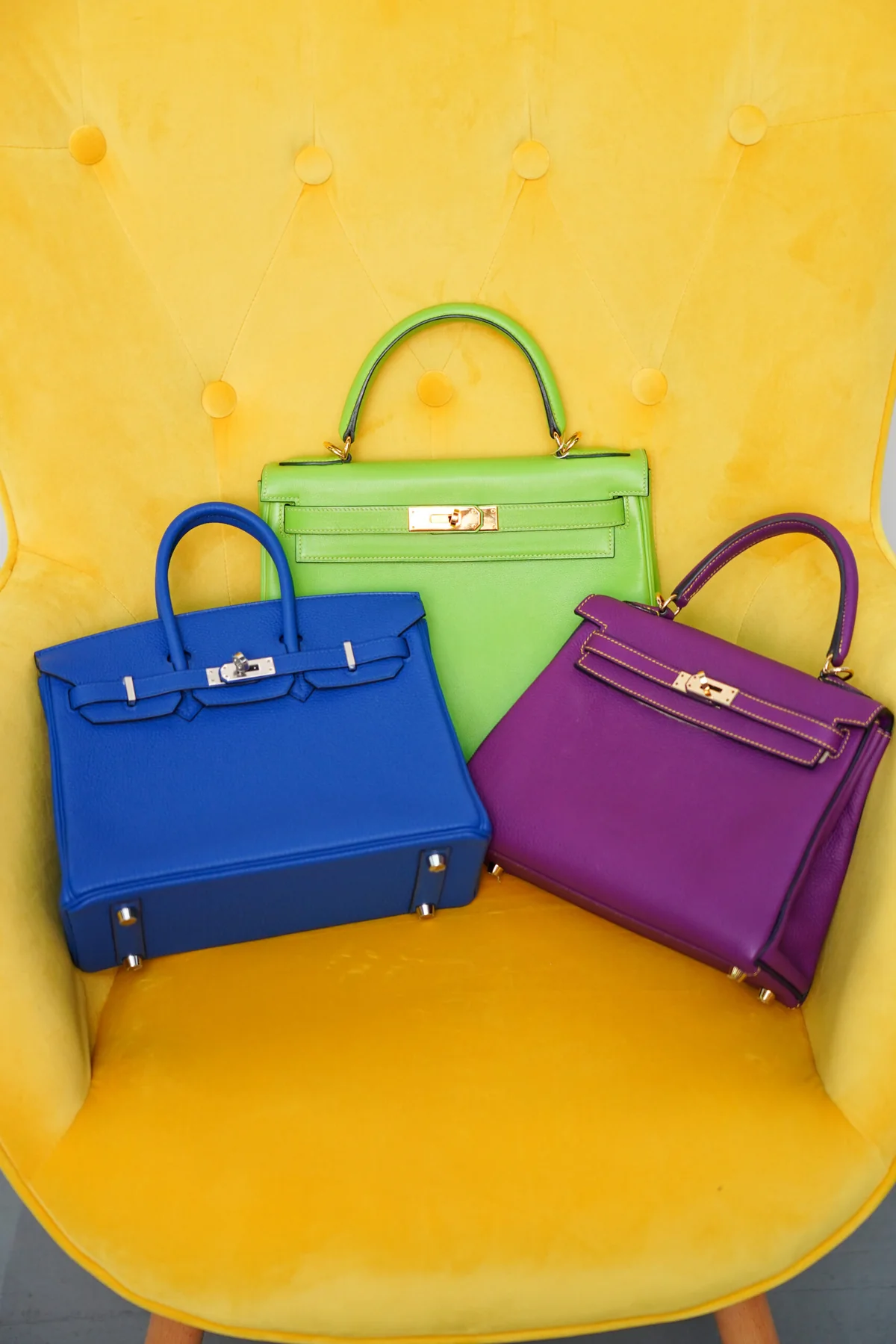
The secondhand luxury market has stopped being a niche for bargain hunters and turned into serious infrastructure. ThredUp’s 2023 Resale Report put the global resale market on track to hit roughly $350 billion by 2027, and luxury resale has been one of the fastest-growing slices of that pie. Auction houses now run dedicated handbag and watch sales. Authentication technology has matured. Platforms specializing exclusively in pre-loved designer goods have professionalized what used to be a fairly informal, risk-heavy trade.
What’s driving this isn’t nostalgia, it’s scarcity economics. A handful of houses deliberately restrict production, control distribution, and raise retail prices year after year. When demand consistently outstrips supply, and the brand keeps making it harder to buy new, the secondary market becomes the only reliable source, and prices there start behaving less like fashion and more like a limited asset.
That said, “luxury” and “investment-grade” are not synonyms. Plenty of expensive items lose half their value the day the tags come off. The pieces worth discussing here are the exceptions, not the rule, and knowing which is which is the whole game.
Handbags That Hold (and Grow) Their Value#
Hermès Birkin and Kelly: still the benchmark#
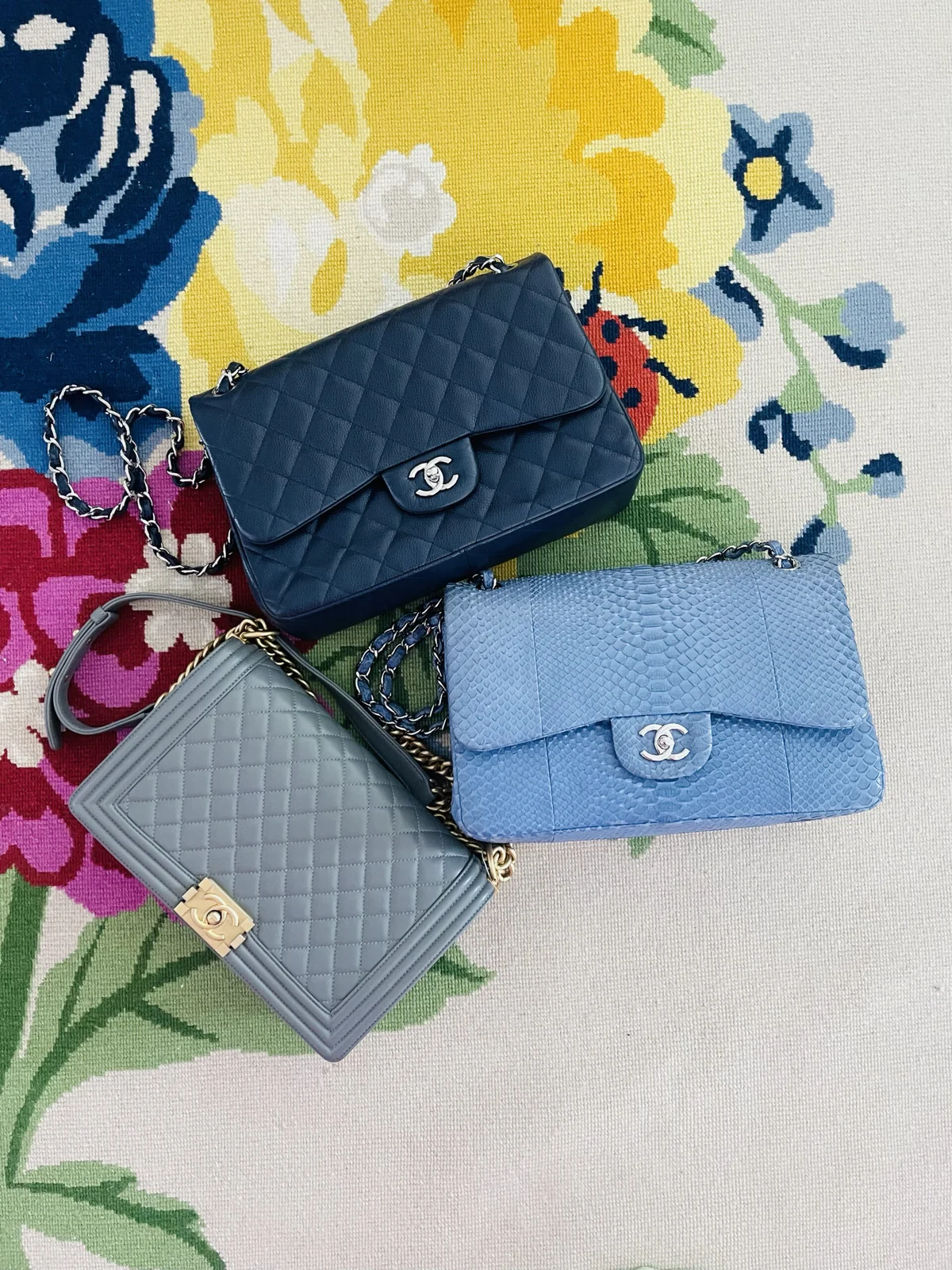
No conversation about resale value [designer handbags](/brands/top-tory-burch-handbags/) gets far without landing on the Hermès Birkin and Kelly. Hermès famously doesn’t let you simply buy one; allocation is opaque, waitlists are unofficial, and most buyers walk into a boutique and walk out empty-handed. That artificial scarcity is precisely what fuels the resale premium.
Depending on leather, hardware, and size, Birkins routinely resell for 20% to 120% above original retail. Exotic skins in sought-after colorways, Vert Cypress, Rose Scheherazade, command the steepest premiums, and in some cases have outpaced gold as a store of value over the same period. The extreme end of this market is genuinely eye-popping: a 25cm Himalayan Birkin with diamond hardware sold for over $300,000 at Sotheby’s Hong Kong in 2022, a multiple of its original retail price.
A word of caution from experience: not every Birkin appreciates equally. Common leathers in less popular colors, or bags in worn condition, can sit on resale platforms for months at prices barely above retail. Rarity and condition do the heavy lifting, not the name alone.
Chanel flap bags: consistency over spectacle#
Chanel’s Classic Flap plays a different game than Hermès. It’s not artificially rationed the same way, but Chanel’s habit of raising prices multiple times a year, combined with genuinely limited production runs on certain finishes, has made both vintage and recent Flaps dependable performers.
Caviar leather Flaps from the 1990s with 24k gold-plated hardware have nearly doubled in resale value over the past five years. Seasonal iterations in tweed or velvet, produced in smaller runs, often sell out at retail and resell at a markup almost immediately. What I’d flag for buyers is that Chanel’s newer bags, especially since recent material and craftsmanship changes, don’t always command the same long-term confidence as pieces from the Lagerfeld era. Vintage isn’t automatically better, but it’s worth scrutinizing rather than assuming continuity.
The rest of the field#
A few other bags deserve honorable mention for consistent resale strength: the Louis Vuitton monogram trunk pieces and rare capsule collaborations, and Dior’s Lady Dior in exotic leathers. None match Hermès or Chanel’s track record, but limited-edition runs from any of these houses can outperform their own mainline collections by a wide margin.
Watches and Jewelry Worth Collecting#
Watches: the other blue-chip category#
Luxury watches behave a lot like handbags with an added mechanical pedigree. Rolex, Patek Philippe, Audemars Piguet, and Cartier dominate resale charts, particularly on discontinued references and limited runs.
The Rolex Daytona and Submariner are the clearest case studies: years-long boutique waitlists have pushed resale prices 50% to 100% above retail, and a stainless steel Daytona in good condition can fetch nearly double its boutique price. Vintage Cartier Tanks have had their own resurgence, helped along by renewed interest in classic dress-watch proportions and steady celebrity visibility. Further up the ladder, the Audemars Piguet Royal Oak, Patek Philippe Nautilus, and Vacheron Constantin Overseas have all seen demand climb sharply, with production caps and multi-year waiting lists keeping secondary prices firm.
The auction market backs this up at the extreme end: in 2025, a Rolex Daytona “Paul Newman John Player Special” sold for approximately $1.2 million at Geneva’s spring watch auctions, and independent horology brands like F.P. Journe drew similarly intense bidding, a sign that collector appetite extends well beyond the obvious names.
Luxury watch investment is a genuine category, but I’d be cautious about generalizing it too far. Quartz movements, most fashion-brand “watches,” and even mainstream steel sports models bought at retail without a discount or waitlist advantage often don’t appreciate at all. The upside is concentrated in a fairly narrow band of references.
Jewelry: slower, but steadier#
Jewelry rarely makes headlines the way an auction-record Birkin does, but certain categories hold up remarkably well. Cartier’s Love bracelet and Van Cleef & Arpels’ Alhambra pieces have built loyal secondary markets thanks to instant recognizability and consistent brand positioning; both tend to resell close to, and occasionally above, retail on discontinued or limited motifs. Bulgari’s Serpenti line has followed a similar path. Beyond branded jewelry, unbranded fine pieces with high-quality diamonds, colored gemstones, or platinum settings hold value largely on material worth rather than design cachet, which makes them a more stable, if less exciting, store of value than the handbag or watch categories.
The honest caveat: jewelry appreciation is generally slower and less dramatic than handbags or watches. It’s a better fit for wealth preservation than for chasing outsized returns.
What Actually Drives Resale Value#
After handling enough of these pieces, a few consistent variables separate the appreciating assets from the depreciating ones.
Rarity. Limited production runs, discontinued colorways, exotic materials, and brand-imposed scarcity (Hermès being the extreme example) are the single biggest predictor of appreciation. If a brand will sell you as many as you want, whenever you want, resale value rarely climbs.
Condition. Corners, hardware, leather patina, and movement accuracy (for watches) all get scrutinized by serious buyers. A bag with honest signs of care but no structural damage retains far more value than one that’s merely “gently used” on paper but shows real wear.
Materials. Exotic skins, solid gold hardware, and precious metal watch cases hold intrinsic value independent of brand cachet, which acts as a floor even if desirability shifts.
Brand pricing strategy. Houses that raise retail prices consistently and restrict supply (Chanel, Hermès, Rolex) create a built-in resale cushion. Brands that discount, over-produce, or chase trends aggressively tend to see the opposite effect.
Completeness. Original box, dust bag, authentication cards, and papers matter more than people expect, sometimes accounting for a 10-15% swing in resale price on their own.
How to Buy Smart in the Pre-Loved Market#
Authenticate before anything else. This is non-negotiable. Use platforms with in-house authentication teams, request serial numbers, date stamps, and hardware close-ups, and when in doubt, pay for third-party verification (Entrupy, Real Authentication, or similar services). Counterfeits have gotten good enough that visual inspection alone isn’t reliable anymore.
Understand condition grading. Reputable resale platforms grade condition (often something like “pristine,” “excellent,” “good,” “fair”). Learn to read past the label: ask for close-up photos of corners, handles, interior lining, and hardware plating. A bag graded “excellent” by one seller can look “good” by stricter standards elsewhere.
Choose your marketplace deliberately. Auction houses (Sotheby’s, Christie’s) suit rare, high-value pieces where provenance matters. Specialist resale platforms suit everyday buying and selling with more liquidity and faster turnaround. Peer-to-peer marketplaces offer the lowest prices but the highest authentication risk, proceed carefully.
Time your purchase. Watch for price hikes: buying a Chanel Flap or a Rolex just before an announced retail increase, or picking up a discontinued colorway shortly after it’s phased out, tends to produce the strongest short-to-medium-term appreciation. Buying at the peak of a hype cycle (a viral collaboration, a celebrity-driven spike) is usually the worst timing.
Keep everything. Box, dust bag, receipt, authentication cards. It’s tempting to toss the packaging; don’t. It directly affects what you can resell for later.
The Risks: What Can Go Wrong#
I’d be doing you a disservice if I framed this as a sure thing, because it isn’t.
Trend shifts happen, even to icons. Bags and watches fall in and out of favor with shifts in design leadership, celebrity association, or simple fatigue. A style that’s red-hot today can cool noticeably within a few years; the Chanel Boy bag’s resale premium, for instance, has softened compared to its peak.
Market saturation is real. When a brand overproduces a “limited” piece, or a resale platform floods with the same reference, prices soften fast. This has happened with certain Louis Vuitton collaborations and some Rolex references once supply caught up with demand.
Authenticity risk never fully disappears. Even with authentication services, sophisticated counterfeits occasionally slip through, and buying from unverified individual sellers carries real risk.
Liquidity isn’t guaranteed. Unlike stocks, you can’t sell a Birkin in seconds. Depending on the piece and the platform, it can take weeks or months to find the right buyer at the right price.
Costs eat into returns. Storage, insurance, platform commissions (often 15-30% on consignment), and the simple wear that comes from actually using the piece all reduce net returns. Treat any appreciation figure as gross, not net.
None of this makes pre-loved luxury investment a bad idea. It makes it a category that rewards research and punishes impulse buying, same as any other asset class.
FAQ#
Is buying pre-loved luxury actually a good investment? For a narrow set of pieces, yes, certain Hermès bags, discontinued Chanel Flaps, and specific Rolex and Patek Philippe references have outperformed inflation and, in some cases, gold. Most designer goods, however, still depreciate. Treat “luxury” as a category, not a guarantee.
Which handbags hold their value best? Hermès Birkins and Kellys in exotic leathers or rare colors lead the pack, followed by Chanel Classic Flaps in caviar leather with gold hardware. Beyond these two houses, appreciation becomes far less consistent.
Do luxury watches really appreciate over time? Select references do, particularly discontinued Rolex Daytonas and Submariners, and limited Patek Philippe or Audemars Piguet models with long waitlists. Most quartz or mainstream steel watches bought at retail do not appreciate meaningfully.
How do I know if a pre-loved piece is authentic? Buy from platforms with dedicated authentication teams, request detailed photos of serial numbers, stitching, and hardware, and consider third-party verification services for high-value purchases. Never rely solely on price or seller reputation as proof of authenticity.
When is the best time to sell? Generally, ahead of anticipated retail price increases, shortly after a colorway or reference is discontinued, or during periods of strong demand for that specific style. Selling during a hype spike (rather than after it’s cooled) tends to maximize returns.
Are jewelry pieces a good investment compared to handbags or watches? They’re steadier but generally slower to appreciate. Branded pieces like the Cartier Love bracelet or Van Cleef & Arpels Alhambra hold value well; unbranded fine jewelry tends to track material value more than design desirability.
What costs should I factor in beyond the purchase price? Insurance, secure storage, platform or consignment fees, and potential authentication costs. These can meaningfully reduce net returns, so factor them in before assuming a piece has “made money.”
Related Articles#
- Best Time to Buy a Luxury Handbag: Save More in 2025
- Sell Designer Handbags in 2025: Maximize Your Payout
- Classic and Chic Handbags: Timeless Style Icons
- Designer Handbag Trends 2025: What’s Actually Worth Buying
- Chanel Flap Bag Buying Guide: Sizes, Prices & Deals
Related guides
- Online Bag Authentication: What Photos Can and Cannot Prove
- Fake Goyard Bag Guide: How to Spot Real vs Fake (2026)
- How to Spot a Fake Chanel Flap Bag: Authentication Guide
- How to Spot a Fake Hermès Birkin: Expert Checklist
- How to Buy an Authentic Luxury Bag from China Safely
- New vs Pre-Owned Luxury Bags: Which Route Is Right for You?
- Chanel Bag Guide: What to Know Before You Buy
- Luxury Bag Houses

Keyword index