Introduction: This Year’s Must-Have Handbag Trends #
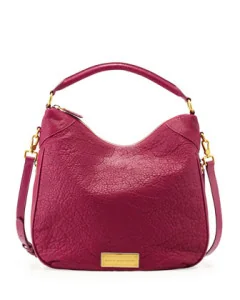
Every January, the resale market resets. Prices shift, waitlists reshuffle, and a handful of colors, prints, and finishes suddenly show up on every “what I’m carrying” post. If you collect Hermès or shop [[pre-owned designer bags](/buying-guides/replica-vs-pre-owned-bags-smarter-buy/)](/buying-guides/replica-vs-pre-owned-bags/) seriously, this matters more than it looks. Trend cycles move retail prices, but they also move resale value, and the two don’t always move together.
This report breaks down the handbag trends worth paying attention to this year: the standout color, the novelty clutch craze, the prints brands are leaning into, and the hardware details collectors are asking about most (including the finishes that come up constantly in Hermès Kelly and Birkin conversations). We’ll also cover the part most trend roundups skip: how to shop these trends without buying a fake, what each look actually costs at different budget tiers, and which of these trends are likely to still matter in five years versus which will look dated by next spring.
If you’re weighing a first Kelly purchase, adding a statement clutch to a collection, or just trying to figure out where your money goes further, treat this as a shopping companion, not just a lookbook.
Color of the Year: The Shade Every Designer Bag Is Wearing #
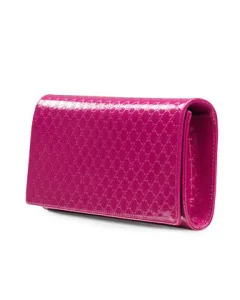
Pantone’s Color of the Year sets the tone for the entire season, and design houses respond to it fast, especially in leather goods where a new colorway can be produced without retooling a bag’s shape. This year’s warm, peachy neutral has shown up across evening bags, totes, and structured shoulder bags, functioning almost like a warmer alternative to the classic camel or blush tones houses return to every few seasons.
Why it matters to buyers: warm neutrals like this tend to have longer shelf lives than saturated “it” colors. A fuchsia or cobalt bag reads as dated within two or three years; a soft peach or warm nude tends to keep working in a wardrobe (and keeps its resale value steadier) because it doesn’t scream “this was bought in a specific season.”
Price ranges and alternatives #
- Entry point (contemporary brands): $200–$600 for a warm-toned tote or crossbody
- Mid-tier designer: $1,500–$3,500 (Chloé, Loewe, Bottega Veneta shoulder bags)
- Investment tier: $8,000+ for Hermès pieces in warm clemence or chèvre leathers like Sable, Trench, or Biscuit, which sit in the same warm-neutral family and hold value far better than a trend color ever will
If the exact shade is out of budget, look at tan, camel, or biscuit-toned bags you may already own. They read as “on trend” without the markup that comes from a color being freshly fashionable.
Styling notes #
Warm neutrals pair easily with denim, cream knits, and black tailoring, which is part of why the color keeps recurring. It’s a low-risk way to look current without buying into a shape or hardware trend that ages out.
Novelty and Statement Clutches Making a Splash #
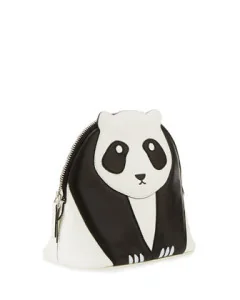
Novelty clutches, the shaped, sculptural pieces built to look like objects rather than bags, have had staying power for over a decade now, and this season is no exception. Think box clutches shaped like everyday objects, perspex and acrylic builds, and playful animal or character motifs. Houses known for whimsy in accessories continue to lean into this category because it drives social engagement in a way a plain leather clutch doesn’t.
Why they sell, and why they’re risky as investments #
Novelty clutches are conversation pieces, not workhorses. They’re genuinely fun to wear once or twice a season, but they have limited resale liquidity because the buyer pool is small and taste-specific. If you’re buying one, buy it because you’ll enjoy carrying it, not because you expect it to appreciate.
Price ranges and alternatives #
- Statement acrylic or novelty-shaped clutches: $800–$2,500 at the designer level
- Budget alternative: independent and smaller-label novelty clutches, $80–$250, which scratch the same “conversation piece” itch without the resale risk of a piece that’s hard to move later
- If you want a novelty piece with real resale backing, look for limited-edition collaborations from established houses rather than one-off seasonal designs; the brand name does more to protect resale value than the novelty factor does
Styling notes #
These work best as the single statement element in an outfit. Pair with a plain black dress or tailored separates and let the bag do the talking. Skip the print top and the printed clutch in the same look.
Bold Prints and Patterns to Watch #
Prints are cycling back into handbags after a few seasons dominated by minimalist, logo-light design. This time around it’s less classic leopard and paisley, more graphic, almost artistic prints: abstract florals rendered in bold, stained-glass-style color blocking, and animal motifs reworked as texture rather than straight spot patterns. It’s a shift from “print as pattern” to “print as design statement.”
How prints affect resale #
Prints are the riskiest handbag trend from a value-retention standpoint. A printed bag is tied to a specific season and collection in a way a solid-color bag isn’t, which narrows the resale market considerably. If you’re buying primarily for investment, a printed bag should be the last purchase you make, not the first.
Price ranges and alternatives #
- Statement printed clutches and totes: $1,200–$4,000 at the designer level
- Studded or textured animal-motif pieces (a subtler take on print): $2,000–$5,000
- Budget alternative: a printed silk scarf tied to the handle of a plain bag gets you 80% of the visual effect for under $150, and it’s removable when the trend passes
Styling notes #
Let a printed bag be the only patterned item in the outfit. These read as directional and slightly maximalist, so they work best with simple tailoring or monochrome looks.
Hardware Details That Are Defining This Season #
Hardware is where trend-chasing and authentication concerns intersect most directly, which makes this section relevant well beyond seasonal styling. This year, the hardware conversation is dominated by finish, not just metal color. Brushed and matte palladium finishes are being paired more often with warm leathers instead of the traditional gold-on-warm, silver-on-cool pairing, and houses are experimenting with tonal hardware that blends into the leather color rather than contrasting with it.
For Hermès specifically, this ties directly into ongoing collector interest in hardware finish as a value driver. Palladium hardware on a Kelly or Birkin has historically traded at a premium over gold in some colorways because it reads as more versatile, though gold hardware retains stronger resale demand in warm and neutral leather tones. Brushed palladium, a matte, less reflective finish, has become a specific ask among buyers who want the cooler tone without the high shine.
What to check on hardware #
- Weight: real palladium and gold-plated hardware has heft. Lightweight, hollow-feeling hardware is a red flag.
- Stamping: authentic Hermès hardware carries clean, evenly spaced engraving with no blurring on logos or clasp mechanisms.
- Plating wear: genuine plating wears evenly and shows brass or a consistent undertone beneath, not flaking paint or discoloration in patches.
- Turn-lock and clasp action: on Kelly and Birkin bags, the twist-lock and strap closures should move smoothly with a solid, quiet click, not a loose rattle or a stiff catch.
Price ranges and alternatives #
- Contemporary bags with statement hardware: $150–$500
- Designer bags with notable hardware finishes: $1,800–$4,000
- Hermès with palladium or brushed hardware: $9,000–$15,000+ depending on leather, size, and condition on the resale market
If Hermès-level hardware is out of reach right now, mid-tier brands using solid brass hardware with a similar tonal finish give a similar visual effect at a fraction of the cost, though the resale ceiling is much lower.
How to Shop Trending Bags Without Getting Fooled #
Trend spikes are exactly when counterfeit volume increases, because demand outpaces authorized retail availability and buyers get less careful trying to move fast. This is the section that matters most if you’re actually spending money this season.
Before you buy #
- Buy from authorized retailers, brand boutiques, or resale platforms with in-house authentication and clear return policies. A private seller offering a “hot” trend piece at 40% below market is the single biggest red flag in resale.
- Ask for close-up photos of stitching, interior stamps, serial or date codes, and hardware engraving before you commit, not after.
- Check stitch count and spacing against reference photos from the brand’s current collection. Uneven stitch length is one of the most consistent counterfeit tells across all price points.
- For Hermès specifically, verify the blind stamp (the craftsman’s stamp), the date stamp format for the claimed production year, and interior leather grain consistency. Counterfeiters have gotten very good at exterior details but still struggle with interior construction.
After you buy #
- Get a third-party authentication service to review the bag if you have any doubt, especially for purchases over $1,000. It typically costs $10–$30 and can save you from a five-figure mistake on Hermès pieces.
- Keep the original receipt, authentication certificate, and any brand packaging. This protects resale value later, not just your purchase now.
Honest downside #
No authentication method is 100% foolproof, including in-person inspection by experienced buyers. High-end counterfeits of trending pieces, novelty clutches especially, since they’re less scrutinized than a classic Birkin, have improved enough that even careful buyers get fooled occasionally. Buying from sources with a real return policy is more reliable than any single authentication trick.
TikTok and Social Media’s Influence on Bag Trends #
Trend discovery doesn’t start on runways anymore, it starts on social feeds, and that changes both the pace and the risk profile of buying into a trend. A single viral video can send resale prices on a specific bag or colorway up 20–30% within weeks, then back down just as fast once the moment passes. Novelty clutches and printed bags are especially prone to this cycle because they photograph well and generate comments, which is exactly what platform algorithms reward.
The practical effect for buyers: if you’re seeing a specific bag everywhere on your feed right now, you’re already late to the best price on it, and you’re early to the point where resale supply floods the market from people who bought in on the hype. Waiting two to three months after a trend peaks on social media often gets you the same bag for less, once the initial rush of listings settles the resale price back down.
This is also why hardware and color trends, which move more slowly and get less viral spotlight than a shaped novelty clutch, tend to be the safer trend category to buy into. They’re less exciting to post about, which means less speculative price inflation.
FAQ: Handbag Trends and Buying Tips #
Do trending handbag colors or prints affect resale value long-term? Generally, yes, and not in the buyer’s favor. Trend-driven colors and prints tend to lose 10–20% more resale value over three to five years compared to classic neutral or monochrome pieces in the same style, because demand narrows once the color cycles out of fashion.
Is it worth buying a novelty or statement clutch as an investment? Rarely. Buy novelty pieces because you want to wear them, not because you expect appreciation. Limited-edition collaborations from established houses are the exception, since brand scarcity supports resale demand better than novelty design alone.
How can I tell if a trending Hermès bag is authentic before buying secondhand? Check the blind stamp, date stamp, interior stitching, and hardware engraving against verified reference photos, and use a paid third-party authentication service for anything over $1,000. No single check is definitive; use several together.
Are palladium or gold hardware finishes better for resale? It depends on the leather color. Gold tends to hold stronger demand on warm and neutral leathers, while palladium and brushed palladium finishes are gaining ground for their versatility across both warm and cool tones. Neither is universally “better,” it’s a matching question.
Should I buy into a trend as soon as I see it on social media? Wait if you can. Viral trend spikes typically inflate resale prices for a few weeks before supply catches up and prices settle. Buying a month or two after the peak usually gets you a better price on the same bag.
What’s a realistic budget alternative if I can’t afford the designer version of a trend? Focus on the trend element, color, print, or hardware finish, rather than the exact bag. A well-made contemporary brand piece in the same colorway or a scarf/accessory in the same print gets you the styling effect for a fraction of the cost, with far less resale risk.
Related Articles #
- Designer Handbag Trends 2025: What’s Actually Worth Buying
- Best Time to Buy a Luxury Handbag: Save More in 2025
- 50 Best Bags Under $500: Smart Style on a Budget
- Why the Chanel Crossbody Bag Never Goes Out of Style
- Sell Designer Handbags in 2025: Get Paid More, Faster
Related guides
- Online Bag Authentication: What Photos Can and Cannot Prove
- Chanel 2.55 History, Details & How to Spot a Fake
- Private Bag Edit: Hermès Kelly Authentication Blog
- Hermès Date Codes & Stamps Explained: Full Guide
- How to Buy an Authentic Luxury Bag from China Safely
- New vs Pre-Owned Luxury Bags: Which Route Is Right for You?
- Chanel Bag Guide: What to Know Before You Buy
- Luxury Bag Houses

Keyword index