Introduction#
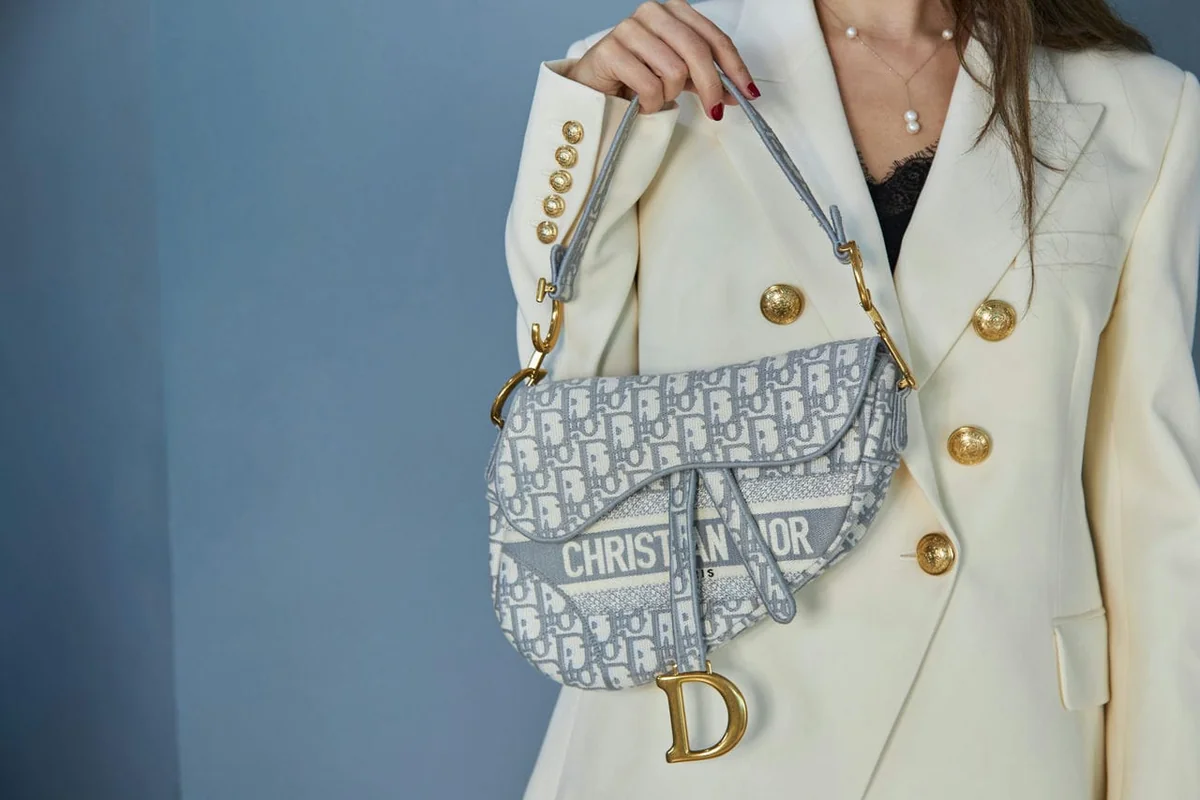
There’s a reason a well-chosen handbag outlasts every other purchase in a wardrobe. A [Chanel Classic Flap](/buying-guides/vintage-chanel-finds-top-picks/) or a Hermès Birkin isn’t just an accessory, it’s an investment piece that can appreciate while a car depreciates the moment you drive it off the lot. But here’s what most shoppers get wrong: they treat the purchase decision as purely “which bag” when “when to buy” matters just as much, sometimes more.
After years of tracking price movements, sale calendars and resale listings across the luxury handbag market, I can tell you the timing of your purchase directly affects both what you pay upfront and what you’ll recoup later. Buy at the wrong moment and you overpay for a bag that’s about to be discounted or restocked in a better colorway. Buy at the right moment and you walk away with the same bag for meaningfully less, without touching its long-term resale value. This guide breaks down exactly when that window opens, and how to plan around it.
Why Timing Your Purchase Matters#
Luxury retailers don’t discount on impulse. Markdowns follow predictable cycles tied to inventory turnover and seasonal collections, and once you understand that rhythm, you stop shopping reactively and start shopping strategically.
Most maisons and multi-brand retailers plan two major stock transitions a year, one for spring/summer and one for fall/winter. As a new season’s inventory arrives, the previous season’s stock needs to move, which is precisely when discounting happens. This doesn’t apply evenly across all brands. Hermès, for instance, rarely marks down bags at all, scarcity is part of its pricing model, so “waiting for a sale” means something different for a Birkin than it does for a Valentino tote or a Gucci Marmont.
Demand cycles matter too. Bridal season, holiday gifting, and the run-up to major shopping events all push prices up on popular styles, while quieter retail months (think late summer, early in the new year) tend to bring better negotiating room, more resale inventory, and less competition from other buyers. Knowing this gives you leverage that most shoppers never think to use.
End-of-Season Sales: The Sweet Spot#
If you don’t need the bag immediately, end-of-season sales are genuinely the best time to buy a luxury handbag at retail price. There are two windows worth marking on your calendar:
- May to July – this is when summer stock gets discounted to make room for fall arrivals. It’s a strong window for lighter leathers, canvas totes, and pastel or bright colorways that retailers are eager to clear.
- November to January – post-holiday clearance plus the winter-to-spring transition. This window tends to include more classic neutrals and structured bags, since retailers are working through holiday inventory.
Not every brand plays by the same rules, though, and this is where honesty matters more than optimism. Hermès almost never discounts; if you see a “sale” Birkin or Kelly at retail, be suspicious. Chanel raises prices more often than it lowers them, so end-of-season markdowns are rare and usually limited to older or discontinued colorways found through outlet channels or authorized resellers. Where you’ll see genuine, worthwhile discounts are brands like Balenciaga, Valentino, and Saint Laurent, along with last-season Louis Vuitton and Dior pieces at multi-brand retailers rather than the mono-brand boutiques.
The trade-off is selection. End-of-season sales mean last season’s colors and sizes, not the newest drop. If you want the current-season Lady Dior in this year’s exact shade, waiting for the sale isn’t an option, you pay full price or you wait a year.
Shopping the Resale Market for Classic Styles#
For true icons, the resale market is often a smarter move than waiting on a retail sale at all, especially for styles that rarely get discounted new.
The Louis Vuitton Neverfull, Lady Dior, Gucci Marmont, and Hermès Birkin all hold their category-leading resale demand for a reason: consistent design, brand recognition, and limited depreciation. On a reputable resale platform, you can find pre-loved examples of these bags in excellent condition for noticeably less than boutique retail, and because these styles are so recognizable, authentication and liquidity are both easier than with more obscure or seasonal pieces.
A few honest notes from experience shopping resale for these bags:
- Condition grading varies by platform, so read descriptions carefully and ask for close-up photos of corners, hardware, and interior lining before buying anything described as “excellent” or “pristine.”
- Rare colorways and discontinued hardware finishes command a premium even secondhand, so don’t assume resale automatically means a bargain on every reference.
- Birkins and Kellys rarely drop below retail on the resale market, and often sell above it for sought-after leathers or sizes. If you’re buying a Birkin specifically to save money, resale isn’t usually the lever, patience and a good relationship with a boutique is.
- Canvas Louis Vuitton pieces (like the Neverfull) show wear differently than leather bags. Check the base and handles closely, as canvas patina isn’t always a charming feature the way it can be on leather.
Buying pre-loved isn’t a downgrade, it’s simply a different strategy, and for the classics, it’s often the more rational one.
Protecting Your Handbag’s Condition and Value#
Timing the purchase is only half the equation. What you do after buying determines whether the bag holds its value or becomes a write-off.
- Store it properly. Keep the bag stuffed with its dust bag or acid-free tissue to help it hold its shape, away from direct sunlight, which fades leather and canvas alike.
- Clean per the brand’s actual guidance, not generic leather-care advice. Exotic skins, coated canvas, and smooth calfskin all need different products, and using the wrong one is one of the most common ways I’ve seen bags get permanently damaged.
- Rotate use. Carrying the same bag daily accelerates wear on corners, handles, and hardware far faster than most owners expect.
- Use authorized repair services only. A third-party “restoration” can void authenticity checks later and, in some cases, actually lowers resale value more than the damage it fixed.
- Keep the original packaging, receipt, and authenticity cards. Resale buyers and consignment platforms pay a premium for full sets, and it materially speeds up authentication.
- Address minor issues early. A loose stitch or slightly discolored corner is a small fix now; left alone, it becomes a structural problem that tanks resale value later.
None of this is glamorous advice, but it’s the difference between a bag that sells for 70% of retail in five years and one that sells for 40%.
Buying Advice: How to Plan Your Purchase#
Here’s how I’d actually approach this if a client asked me to plan a handbag purchase around value:
- Separate “want it now” from “want the best deal.” If you have a specific bag in mind for a specific event, buy it when you need it and accept full retail. Timing strategy is for buyers with flexibility.
- Mark the two sale windows on your calendar (May–July and November–January) and check inventory a few weeks before each begins. Retailers often start marking down early to gauge demand.
- For Hermès and Chanel, stop waiting for a sale and start building a relationship with a boutique or sales associate instead. Availability, not price, is the real constraint with these houses.
- For classic, high-demand styles, compare resale prices against retail before committing to either. Sometimes a lightly used Neverfull at 30% off retail is a better buy than a brand-new one; sometimes it isn’t, if the retail piece is a current-season colorway with strong demand.
- Buy your investment pieces (Birkin, Kelly, Chanel Classic Flap) with intention to hold long-term, and buy your trend pieces (seasonal totes, statement colors) during the sale windows, since these depreciate faster regardless of timing.
- Document everything at purchase, box, dust bag, receipt, authenticity card, since this paperwork protects the resale value you’re trying to build from day one.
FAQ#
What is the best time to buy a luxury handbag? For most brands, the end-of-season sale windows, May to July and November to January, offer the best combination of discount depth and selection. Hermès and Chanel are exceptions, since they rarely discount regardless of season.
Do designer bag sales actually offer real savings, or is it a marketing tactic? Genuine end of season sale handbags exist, particularly at multi-brand luxury retailers clearing last season’s stock. The discounts are real, but selection is limited to older colorways and less popular sizes, not new arrivals.
Is it better to buy a designer bag new or on the resale market? It depends on the style. For classics like the Neverfull, Lady Dior, or Marmont, resale platforms often offer excellent condition pieces for less than retail. For scarcity-driven pieces like the Birkin, resale prices frequently match or exceed retail, so resale isn’t the money-saving route there.
Which brands hold their value best for resale? Hermès Birkins and Kellys lead the market by a wide margin, followed by Chanel Classic Flaps and certain Louis Vuitton leather styles. Canvas and heavily logoed pieces from most brands depreciate faster than structured leather icons.
Does buying during a sale hurt a handbag’s resale value later? No. Resale value depends on the bag’s condition, rarity, and demand, not on what you originally paid. A well-maintained bag bought on sale will resell for roughly the same amount as one bought at full price.
How can I buy a designer bag for less without waiting for a sale? Consider certified pre-owned platforms for classic styles, ask boutiques about upcoming markdowns before they’re publicly announced, and be flexible on color and size if you’re shopping styles that see frequent seasonal releases.
Related Articles#
- Chanel Flap Bag Buying Guide: Sizes, Prices & Deals
- Best It Bags to Buy This Year: A Definitive Guide
- Sell Designer Handbags in 2025: Get Paid More, Faster
- Designer Handbag Trends 2025: What’s Actually Worth Buying
- Classic and Chic Handbags: Timeless Style Icons
Related guides
- Online Bag Authentication: What Photos Can and Cannot Prove
- Fake Goyard Bag Guide: How to Spot Real vs Fake (2026)
- How to Spot a Fake Chanel Flap Bag: Authentication Guide
- How to Spot a Fake Hermès Birkin: Expert Checklist
- How to Buy an Authentic Luxury Bag from China Safely
- New vs Pre-Owned Luxury Bags: Which Route Is Right for You?
- Chanel Bag Guide: What to Know Before You Buy
- Luxury Bag Houses


Keyword index