Introduction: How to Read a Trend Before You Buy Into It#
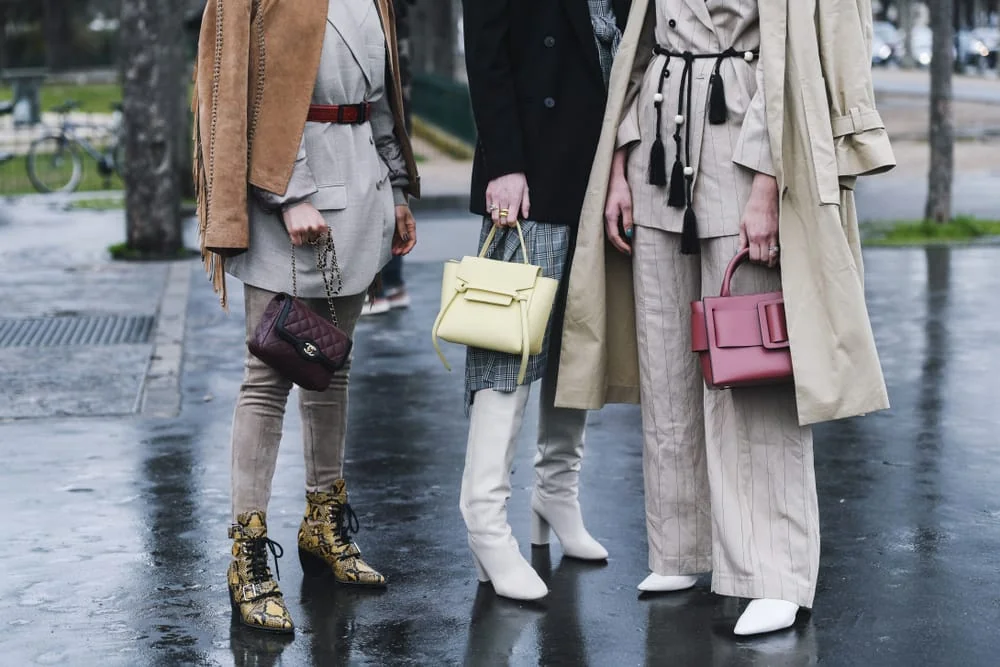
The last time a Louis Vuitton Neverfull cost under $1,000, the iPhone hadn’t been invented yet. Prices across the major luxury houses have increased between 60and 100percent over the past decade, and the pace hasn’t slowed. A mid-tier Chanel flap now clears $10,000 at retail; a Hermès Birkin, if you can even get one, starts well above that.
In this environment, buying into a designer handbag trend is no longer just a style decision — it’s a financial one. That’s not hyperbole. It means that trend literacy, the ability to read which directions in designer handbag trends have real longevity versus which ones belong to a six-month Instagram cycle, is now a genuinely useful skill.
This guide applies an investment lens to the current wave of luxury handbag trends. For each trend, I’ll tell you what makes it compelling, what makes it risky, and whether the secondary market supports or undermines the premium being charged at retail. The framework is consistent throughout: longevity, versatility, resale potential, and honest caveats. No piece here gets a pass just because it’s having a moment.
The Trends Worth Your Attention — and Your Budget#
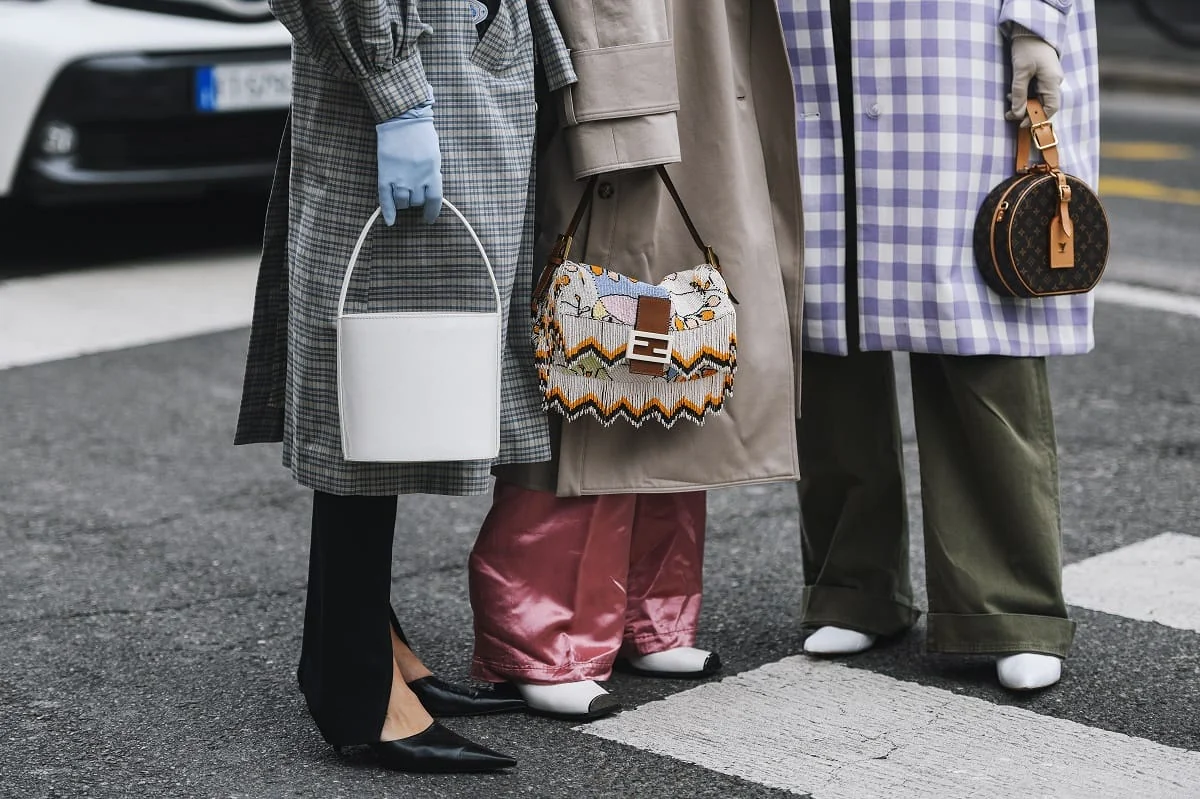
Not every luxury handbag trend in2025 deserves a four-figure commitment. Some are styling exercises best tried on a budget. Others have demonstrated enough secondary market strength and cultural staying power that buying now — new or pre-owned — is a defensible decision. The rest fall somewhere in the middle: desirable, wearable, but not worth stretching for.
What follows is a discerning edit of the luxury handbag trends2025 actually has to offer. I’ve focused on silhouettes and design languages that have moved beyond runway hype into something more durable: pieces people are actually wearing, reselling at strong prices, and returning to season after season. I’ve also been deliberately honest about where the hype outpaces the reality.
The Pochette Comeback: Small Bag, Serious Staying Power#
The 90s pochette revival has been building for a few years, and at this point it’s less a trend than a permanent category re-entry. The silhouette — essentially a flat, envelope-shaped bag worn crossbody or clutched under the arm — works because it photographs well, reads immediately as intentional, and costs significantly less than a structured top-handle while delivering comparable styling impact.
The cult references are well established. The Louis Vuitton Multi Pochette Accessoires remains the most recognisable iteration: a chain-linked trio of monogram pouches that commands strong secondary market prices despite being widely available. Less talked about but arguably more elegant is the LV Eva Pochette, a slimmer, quieter option that ages better on repeat wear. Prada’s nylon pochettes, meanwhile, hit a different chord — practical enough for daily use, minimal enough to avoid feeling costume-y, and associated with a brand narrative that has only strengthened in the past three years.
The honest downside: a pochette is genuinely limiting in terms of capacity. Cards, a phone, keys — that’s about the ceiling for most formats. If you need to carry a tablet, a makeup kit, or anything resembling a real load-out, this silhouette will frustrate you. The answer for many buyers is to treat it as a secondary bag rather than a primary one, which changes the value calculus considerably.
Resale context: LV monogram pochettes hold value remarkably well in the pre-owned market, particularly the Multi Pochette Accessoires. Expect to recover 60–80% of retail on a well-maintained piece, and more if the bag is in near-new condition. Prada nylon variants have a steadier, lower ceiling but reliable demand. For authentication guidance on these specific pieces — the monogram alignment, hardware engraving, and date codes to check — [see our authentication guide for Louis Vuitton bags].
Micro Bags: Fashion Provocation or Functional Dead End?#
No category in designer handbag trends generates more polarised opinions, and both sides are right. Micro bags are, by any practical measure, absurd. You cannot put anything useful in a Jacquemus Le Chiquito. The Fendi First Nano fits a folded note and not much more. If you approach these pieces looking for functionality, you will be disappointed and, at current retail prices, significantly out of pocket.
That said, framing micro bags purely as a functionality question misses the point. The Le Chiquito, in particular, is a design object — one of the most recognisable bag silhouettes of the past decade. It earns its place in a collection the way a sculptural ring earns its place in a jewellery wardrobe: not because it performs a service, but because it says something. The Fendi First Nano operates similarly: the quilted leather and distinctive split-bar hardware are recognisable at a glance, and that recognition has value in certain contexts.
Who should actually buy one: collectors, buyers who already have functional bags covered and want a statement piece, anyone who appreciates the design language of SimonPorte Jacquemus or Kim Jones-era Fendi. Are micro bags worth buying in 2025? Conditionally, yes — but only if you’ve already solved for the bag that carries your actual life.
The honest downside: the styling window is narrow. A Le Chiquito reads very specific — it telegraphs a particular kind of fashion-literacy that can feel forced outside of certain environments. Resale on micro formats is inconsistent; demand exists but is seasonal and trend-dependent. Buy one because you love the object, not because you expect it to appreciate.
Chunky Chain Straps: When Hardware Becomes the Whole Point#
The move toward thick, sculptural chain straps is one of the more interesting designer handbag trends to analyse because it represents something genuinely new in the hardware-as-design tradition. Historically, a chain strap was a functional element given a decorative treatment. What Bottega Veneta did under Daniel Lee — and what the house has continued since — is treat the chain as the primary design statement, with the bag itself almost secondary.
The Bottega Veneta Cassette with chainstrap is the clearest example. The interlocking brass links are substantial enough to make an impact on their own; against the woven leather of the Cassette body, the contrast is considered and deliberate. The effect is less “I added a chain” and more “the chain is the bag.” The Pouch, draped over the wrist with a chunky link handle, extends the same logic.
Beyond Bottega, chunky chain straps have proliferated across price points and brand identities. The question for buyers is whether the hardware is genuinely part of a coherent design vision or simply a detail borrowed from a trend board. The difference tends to be visible.
Durability note for pre-owned buyers: thick chain links take wear differently than delicate ones. Look for plating wear at the connection points, stress marks on individual links, and any rattling that suggests internal wear. Well-maintained chain hardware on a Bottega piece is designed to last, but neglected examples show their age clearly.
The honest downside: chunky hardware significantly changes how a bag wears. It adds weight, and it shifts the bag’s occasion range — a heavy brass chain is not an office bag, and not a bag you want to carry for six hours at a trade show. Know your use case before committing.
Woven and Artisanal Textures: The Craft Argument for Luxury Pricing#
If there is one trend in the current luxury handbag landscape that genuinely earns its price point from a materials and craft perspective, it’s the continued elevation of woven and artisanal textures. Raffia, straw, leather intrecciato, and wicker aren’t new — but their positioning has shifted. Where woven bags once signalled summer and casualness, they now appear in pre-fall collections, at formal-adjacent events, and priced at the same tier as structured leathers.
The craft argument is real. A well-executed raffia weave or leather intrecciato requires skilled handwork that simply cannot be replicated at volume or speed. Bottega Veneta’s intrecciato leather — the interlocking weave that has defined the house since the 1960s — remains one of the most technically demanding constructions in luxury accessories. When you pay for it, you are paying for something specific.
What ages well: tightly woven leather intrecciato improves with age, developing a patina that adds character. Natural raffia and straw age less gracefully — they’re more susceptible to humidity, snagging, and general wear, and a raffia tote from three seasons ago can look genuinely tired next to a current season version.
Which pieces to focus on: for longevity, prioritise leather intrecciato over natural fibre. A Bottega Veneta intrecciato top-handle is a genuinely long-term piece; a raffia beach tote, however luxurious, has a shorter useful life. Woven styles at mid-tier houses (Cult Gaia, Olga Berg’s upper range) offer the aesthetic at a lower entry point if you’re testing the category.
The honest downside: woven textures are harder to clean and more vulnerable to structural damage than smooth leather. If you’re buying pre-owned, inspect the weave at stress points — corners, handle joins, the bottom — for fraying, loosening, or colour variation. These are not necessarily disqualifying, but they affect pricing significantly.
Monogram Dressing: Which House Logos Appreciate and Which Don’t#
Monogram handbags are perpetually in and perpetually risky, depending entirely on which house and which canvas you’re talking about. A blanket endorsement of “logos are investment pieces” is one of the most misleading things circulating in luxury media. The reality is more specific.
Louis Vuitton Monogram canvas is the most liquid asset in the secondary handbag market. The material doesn’t crack or peel like coated leathers, it’s instantly recognisable, and demand is structurally consistent across global markets. A well-maintained Speedy 30 in LV Monogram will sell. Full stop. That’s not true of most bags.
Dior Oblique has had a significant resurgence, largely driven by Kim Jones and Maria Grazia Chiuri’s renewed focus on the house’s archive. The Oblique jacquard on the Book Tote and the Bobby has held value well on the secondary market, though it’s sensitive to condition — the fabric shows wear more than coated canvas.
Fendi Zucca exists in a curious middle position. The pattern itself has strong nostalgic equity (early-2000s cachet is genuinely powerful right now), but Fendi’s resale market is thinner than LV or Dior, which means liquidity is lower even when prices hold.
Gucci GG Supreme is the most complicated case. The house’s brand positioning has shifted multiple times under multiple creative directors in the past decade, and secondary market pricing for GG Supreme reflects that uncertainty. Pieces from the Alessandro Michele era have some collector interest, but GG Supreme generally doesn’t command the resale premiums that LV Monogram does.
Logo saturation risk is real. The more visible a monogram is across entry-level and mid-tier markets, the faster its premium positioning erodes. This is partly what has happened to some Gucci and Coach logo products. Louis Vuitton manages this through tight control over entry-point pricing and consistent product architecture; not every house does.
For resale-focused buyers: LV Monogram remains the most reliable option. For authentication details on LV monogram canvas, date codes, and common tells on counterfeit pieces, [see our full Louis Vuitton authentication guide].
Sculptural Silhouettes: The Shapes That Define the Current Moment#
Architectural and geometric bag shapes have been building across collections for several seasons, and the current moment feels like the peak of that curve rather than the beginning of it. The Prada Cleo — a curved, boxy shoulder bag with a clean arc silhouette — has become shorthand for this direction. Loewe’s Puzzle pushed the conceptual edge further, folding flat leather panels into a three-dimensional form. Bottega Veneta’s Jodie turns unstructured intrecciato into a knotted, organic shape that looks different on every body.
These pieces are compelling precisely because they’re legible as design objects without relying on logo identity. A Prada Cleo reads as Prada not because of a stamp, but because of the proportion and material treatment. That’s a different kind of brand expression — subtler, and in my view, more durable.
The honest tradeoff: sculptural silhouettes have a shorter trend cycle than classic shapes. The Cleo is already a few years into its run, which means it’s past peak buzz but still very much in the market’s active consciousness. Highly directional shapes — anything that reads primarily as this season’s idea — will date faster. The more a sculptural bag can function as a clean, interesting object independent of trend context, the longer it stays relevant.
Buying advice: if you’re drawn to sculptural shapes but concerned about longevity, anchor your choice in the most restrained version of the silhouette. A Prada Cleo in black satin or nude leather reads more classically than the same shape in a seasonal colour. The architecture works; the colour story is where you can get caught.
Our Verdict: Which Trends Deserve a Spot in Your Wardrobe#
Here’s the honest ranking by the criteria that actually matter for a considered luxury purchase: longevity, versatility, and resale potential.
Highest longevity and resale: Monogram canvas pieces from Louis Vuitton, followed by leather intrecciato from Bottega Veneta. Both have demonstrated multi-decade staying power on the secondary market. If you’re investing for the long term or want a piece you can resell without taking a significant loss, these are your anchors.
Strong longevity, moderate resale: pochettes (particularly LV formats) and chunky chain-strap bags from houses with strong brand equity. Wearable for years, good demand in the secondary market, but pricing is more variable than the top tier.
Medium longevity, moderate resale: sculptural silhouettes from Prada and Loewe. Dependent on the house’s sustained creative momentum, but with a more restrained design language than purely trend-driven pieces.
Short trend cycle, lower resale: micro bags and highly directional sculptural shapes. Worth buying if you love the object; not worth buying on investment logic.
By buyer profile:
- First luxury bag: LV Monogram pochette (Multi Pochette or Eva) or a Bottega Veneta Jodie in a neutral. Proven resale, real wearability, clear design identity.
- Growing a collection: A sculptural silhouette (Prada Cleo) alongside a monogram anchor. The sculptural piece adds visual range without abandoning investment logic.
- Purely investment-minded: LV Monogram in a classic format (Speedy, Neverfull, or Pochette Accessoires). Boring advice, but it’s the most honest one. Pre-owned in excellent condition often offers better value than retail.
[For a detailed comparison of new versus pre-owned purchasing across these formats, see our luxury handbag buying guide.]
Frequently Asked Questions#
Should I buy trend pieces new or pre-owned? For micro bags and sculptural silhouettes — pieces with a shorter trend cycle — pre-owned is almost always the better entry point. You avoid the steepest depreciation curve. For monogram canvas pieces from Louis Vuitton, the secondary market price for excellent-condition pieces often approaches retail, so the discount is smaller; here, condition matters more than channel. If authenticity is a concern with pre-owned purchases, [our authentication guides cover the specific tells for each major house].
Which current trends photograph well versus wear well daily? Micro bags photograph disproportionately well for their size and practicality. They’re styling pieces, and they read on camera. For daily use, the pochette and woven tote formats hold up better — more carrying capacity, less visual demanding-ness over time. Chunky chain straps also photograph well but can be tiring on longer wear days.
How do I authenticate the specific bag types covered here? The authentication markers vary significantly by format and house. For LV Monogram pochettes, focus on canvas pattern alignment at seams, heat-stamp depth and font weight, and date code format. For Bottega Veneta intrecciato, the weave itself is the tell — authentic intrecciato has a consistent depth and regularity that fakes rarely replicate convincingly. For Prada Cleo and nylon pieces, the enamel triangle logo, nylon weave density, and interior lining quality are key checkpoints. [See our dedicated authentication guides for each house for full checklists.]
Are micro bags worth buying in 2025? Only with clear expectations. If you’re buying a Jacquemus Le Chiquito because you love the design object and already have functional bags sorted, yes. If you’re buying it as a primary bag or expecting significant resale return, no. The Le Chiquito in particular is widely available and not in short supply, which limits secondary market upside.
Which designer pochette bags are worth investing in? The LV Multi Pochette Accessoires and the Prada Re-Edition2000 mini bag (which operates in the same cultural space) are the strongest options by resale metrics. Both have demonstrated consistent secondary market demand across multiple years, which is the real test of investment potential rather than peak-moment hype.
Which monogram handbags hold their value best? Louis Vuitton Monogram canvas leads by a significant margin — it’s the most liquid and most consistently priced category in the [[pre-owned luxury](/luxury-resale-condition-guide-fair-to-pristine/)](/best-luxury-casualwear-brands-effortless-style-2025/) market. Dior Oblique follows, with the caveat that fabric condition is critical. Fendi Zucca and Gucci GG Supreme have more volatile secondary pricing and are better treated as style purchases than investment vehicles.
Related Articles#
- Best Investment Handbags to Buy in 2026 (Expert Guide)
- Hermès Birkin Prices 2025: Where to Buy for Less
Related guides
- Online Bag Authentication: What Photos Can and Cannot Prove
- Fake Goyard Bag Guide: How to Spot Real vs Fake (2026)
- How to Spot a Fake Chanel Flap Bag: Authentication Guide
- How to Spot a Fake Hermès Birkin: Expert Checklist
- How to Buy an Authentic Luxury Bag from China Safely
- New vs Pre-Owned Luxury Bags: Which Route Is Right for You?
- Chanel Bag Guide: What to Know Before You Buy
- Luxury Bag Houses


Keyword index