Introduction#
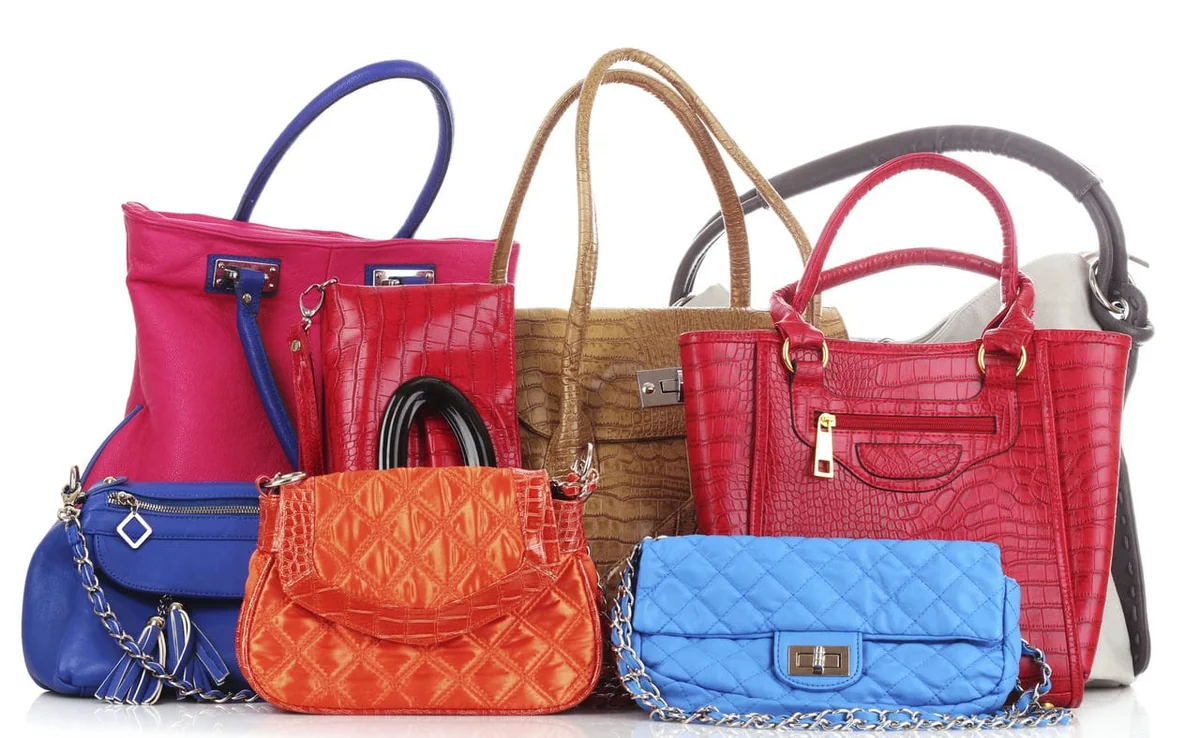
Sales season is when good judgment either pays off or gets abandoned entirely. A 30% discount code doesn’t turn a mediocre bag into a good investment, and “under $500” isn’t a virtue on its own. It’s a price cap, and at this level you’re shopping a specific, competitive tier: contemporary designer lines, diffusion collections from bigger houses, and the well-made independent labels that punch above their price.
I’ve spent enough time handling bags at this price point, in stores and off the shelf at press events, to know where the real value sits and where a “discount” is really just a markdown on something that wasn’t worth full price to begin with. For this edit, every bag had to clear three bars: construction that holds up to actual use, hardware and materials that don’t look cheap under normal light, and a design identity strong enough that it doesn’t read as a knockoff of something more expensive.
You won’t find [[[Chanel](/brands/unique-chanel-bags-rare-novelty-designs/)](/brands/luxury-brands-founded-by-women/)](/brands/devil-wears-prada-2-fashion-style-guide/), Hermès, or Birkin-tier pieces here — that’s not what $500 buys, and anyone telling you otherwise is selling something. What you will find is a curated range across Coach, Kate Spade, Longchamp, Tory Burch, Marc Jacobs, Staud, Mansur Gavriel, Furla, and a few others that consistently deliver design and craftsmanship worth the money. I’ve grouped them by how you’ll actually use them, because that matters more than brand name when you’re spending real money on a bag.
Everyday Totes and Work Bags#
This is the category where cheap materials get exposed fastest — a tote goes through more daily wear than almost anything else you own, so structure and strap durability matter more than trend appeal.
- Coach Cassie Tote — Coach’s leather quality remains genuinely strong for the price, and the Cassie has enough structure to hold shape through a full workday without collapsing. The pebbled leather resists scuffing better than smoother finishes, which matters if you’re carrying it daily.
- Longchamp Le Pliage Néo — Not a “leather bag” in the traditional sense, but the nylon-and-leather-trim construction is close to indestructible and the fold-flat design is genuinely useful for travel. If you want a workhorse rather than a statement piece, this is it.
- Tory Burch Perry Triple-Compartment Tote — The compartment structure is the actual selling point here — it’s an organizational system as much as a bag, which matters if you’re using it to commute with a laptop.
- Kate Spade Knott Large Tote — Kate Spade’s hardware has improved noticeably in recent seasons; the twist-lock detail feels sturdier than it used to. The saffiano-style leather is scratch-resistant, which is a real advantage for daily use.
- Marc Jacobs The Tote Bag (Large) — More fashion-forward than the others on this list, with a canvas-and-leather combination that’s held up well in my experience despite looking less “durable” on paper. Good option if you want your work bag to not look like a work bag.
Editor’s take: if you only buy one bag from this whole list, buy it from this category. A tote gets used the most, so cost-per-wear math favors spending your full budget here rather than splitting it across multiple bags.
Crossbody and Shoulder Bags for Summer#
Warm-weather bags need to be light, low-maintenance, and forgiving of being tossed around — which is exactly where a lot of “affordable designer handbags” either shine or fall apart.
- Coach Pillow Tabby 18 — The quilted leather is soft without being flimsy, and the chain strap is genuinely nice hardware, not the thin, tarnish-prone kind you sometimes get at this price. A strong everyday crossbody.
- Staud Shirley Bag — Staud’s structured shapes photograph well and hold their form, which is unusual for a bag in this price range. The trade-off is a stiffer break-in period — expect a few weeks before it softens to your body.
- Mansur Gavriel Mini Crossbody — Vegetable-tanned leather that develops a genuinely nice patina over time, which is rare to find under $500. Slower to break in, but it rewards patience more than most bags on this list.
- Rebecca Minkoff Mini MAC — The classic quilted crossbody silhouette at a fraction of the price of its inspiration. The leather is thinner than Coach or Staud, so it’s better suited to light daily use than heavy rotation.
- Furla 1927 Mini Crossbody — Furla’s hardware detailing is a genuine strength — the metal logo plaque feels substantial rather than stamped-on. Good option if you want something that reads slightly more “European luxury” without the price tag.
Honest note: summer bags take more abuse — sunscreen, humidity, sand — so this is a category where I’d prioritize a wipeable or treated leather over something delicate, even if the delicate option looks nicer on a shelf.
Evening Clutches and Statement Pieces#
Occasion bags get a pass on some practicality concerns because they’re not doing daily-use duty, but that doesn’t mean quality stops mattering — cheap embellishment and hardware are especially obvious under evening lighting.
- Kate Spade Glitter Bug Clutch — Embellished clutches are a minefield at low price points because the crystals or sequins shed. This one holds up better than most, with a backing that keeps stones secured through a full night out.
- Tory Burch Fleming Soft Chain Shoulder Bag — Doubles as a smaller evening option thanks to the chain strap and quilted front, with hardware that’s noticeably weightier than the brand’s more casual lines.
- Ted Baker Crystal Bow Clutch — Ted Baker’s occasion pieces tend to be undervalued; the bow hardware detail is a genuine design moment rather than an afterthought, and it doesn’t look like a $100 bag despite the price.
- Marc Jacobs The Snapshot Crossbody — Not a traditional clutch, but functions as one for less formal events, and the snap-button front closure has real mechanical quality rather than a decorative one.
Editor’s take: this is the category where I’d actually spend closer to the full $500 cap rather than looking for a deal. A statement piece gets worn less often, so longevity matters less than the design actually landing — cheaping out here shows immediately.
Where Quality Trade-Offs Show Up#
This is the section that doesn’t get said often enough: bags under $500 are good, but they are not equivalent to true luxury, and pretending otherwise does readers a disservice.
Leather quality. Most bags in this range use coated or corrected-grain leather rather than the full-grain leather you’d find in a $2,000+ bag. It looks fine, resists scratching reasonably well, but won’t develop the same patina or softness over a decade of use. A couple of exceptions — Mansur Gavriel notably — use vegetable-tanned leather that ages more like true luxury pieces, which is part of why they’re worth the slight premium within this tier.
Hardware. This is where the price gap is most visible in hand. Zippers, clasps, and chain straps at this level are often lighter-gauge metal with a plated finish rather than solid hardware. Plating can wear thin at contact points — the underside of a strap, a zipper pull — after a year or two of regular use. Coach and Furla tend to hold up better here than the more fashion-forward brands.
Structural longevity. A $150–$400 bag is generally built to look great for 2–4 years of regular use, not the 10+ years you’d expect from an Hermès or Chanel piece bought new. That’s not a flaw, it’s a design decision — these bags are priced and engineered for a shorter, more trend-responsive lifecycle.
Resale value. This is the honest disappointment for collectors: bags under $500 rarely hold or appreciate in resale value the way true investment pieces do. A Kate Spade or Coach bag will typically resell for 20-40% of retail at best, compared to Chanel or Hermès pieces that can hold or exceed original price. If resale value is your primary goal, this tier isn’t the place to look — treat these as style purchases, not investment purchases.
How to Shop Smart During Sales#
Buy off-season, not on-trend. The deepest markdowns happen when a bag is going out of season, not when it first launches. Waiting two months after a bag’s release for the first real discount usually beats buying it at full price during a flash sale.
Check the return window before you buy, not after. Sale items are frequently marked “final sale,” which matters enormously with bags since color and proportion often look different in hand than in photos. If a retailer won’t offer at least a 14-day return window, that’s a signal worth weighing before you commit.
Inspect the leather and hardware in photos, not just the silhouette. Zoom into product photos for stitching consistency and hardware finish — sale listings sometimes include older stock with visible quality differences from current-season production.
Don’t chase the discount percentage — chase the final price relative to comparable options. A 50%-off bag that ends up at $480 isn’t automatically better value than a $350 bag at full price. Compare final cost against the alternatives in this list, not against the original sticker.
Buy classic silhouettes if resale matters at all to you. Even within this price tier, structured, logo-light designs (think Longchamp Le Pliage, Coach’s classic totes) hold resale value noticeably better than heavily embellished or logo-forward pieces, which age out of trend faster.
FAQ#
Are bags under $500 actually good quality, or just “good for the price”? Both can be true. The best options in this range — Coach, Longchamp, Mansur Gavriel among them — use genuine leather and solid construction that performs well for years of normal use. They’re not equivalent to true luxury leather goods, but they’re not compromise purchases either.
What’s the difference between “affordable designer” and “budget luxury” bags? Affordable designer generally refers to labels like Coach, Kate Spade, or Marc Jacobs — established design houses pricing strategically below true luxury. Budget luxury sometimes stretches to include diffusion lines or outlet pieces from bigger houses. In practice, the terms overlap, and the quality bar within both varies by specific product, not just brand name.
Do handbags under $500 hold their value for resale? Generally no, not in the way true luxury pieces do. Expect most bags in this range to resell for a fraction of retail. If resale value matters to you, prioritize classic, low-logo silhouettes in durable leather over trend-driven or heavily branded pieces.
Is it worth spending close to $500, or should I stay closer to $150–$250? It depends on the category. For everyday totes and statement evening pieces, spending closer to the cap usually buys noticeably better hardware and leather. For casual summer crossbodies, the $150–$250 range often delivers comparable quality without much drop-off.
Should I buy secondhand instead of new at this price point? Worth considering for brands like Coach, Longchamp, or Furla, where older leather styles are well-made and secondhand prices can undercut new retail significantly. Less advisable for trend-driven pieces from fast-moving contemporary labels, where you’re paying for a specific season’s design.
Recommendations and Buying Advice#
If you’re buying one bag: get the Coach Cassie Tote or Longchamp Le Pliage Néo. Both deliver the best cost-per-wear in this list and hold up to genuine daily use without looking like a compromise.
If you want something that ages well: the Mansur Gavriel Mini Crossbody is the standout pick for anyone who cares about how leather looks in five years, not just on day one.
If resale value matters to you at all: stick to classic, low-branding silhouettes — the Coach and Longchamp picks above will retain more resale value than anything heavily logoed or embellished.
If you’re buying for an occasion and want it to look more expensive than it is: the Ted Baker Crystal Bow Clutch and Tory Burch Fleming Soft Chain Shoulder Bag both outperform their price tag under evening light.
What I’d skip: anything under roughly $150 in this same “designer” bracket, regardless of brand — that’s usually where leather quality and hardware drop off sharply, and the value math stops working even accounting for the discount. Better to buy fewer, better bags within this $500 ceiling than to stretch the budget across more pieces that won’t last.
Related Articles#
- Best It Bags to Buy This Year: A Definitive Guide
- 10 Best Designer Handbags Worth the Investment (2026)
- How Pre-Owned Luxury Fashion Is Reshaping the Industry
- Luxury Fashion Investment: Why Pre-Loved Pays Off
- Top 5 Prada Galleria Bags to Shop | Buying Guide


Keyword index