Introduction #
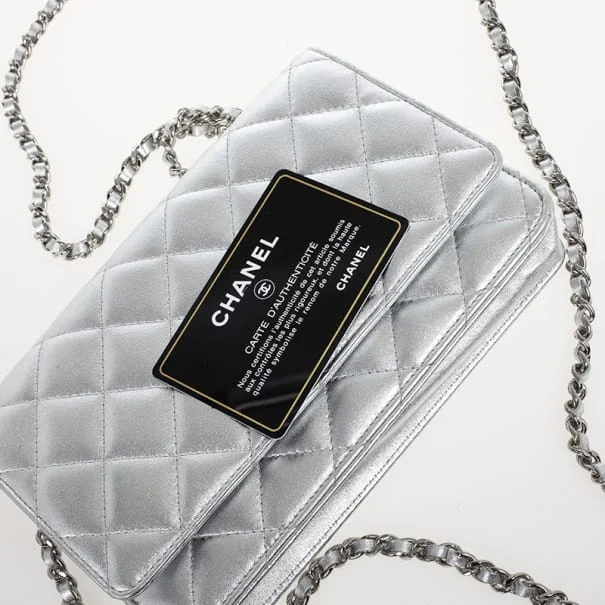
Counterfeit designer bags have gotten good. Not “close enough at a glance” good — genuinely convincing, with correct hardware weight, matching serial number formats, and stitching that passes a casual inspection. The counterfeit market for luxury handbags is estimated in the tens of billions of dollars annually, and a meaningful share of that output is now made in the same regions, sometimes even the same factory clusters, as legitimate production runs. That’s why “trust your gut” advice from a decade ago doesn’t hold up anymore.
Spotting a fake today means checking specific, verifiable details rather than relying on vibes. This guide walks through the checkpoints that actually matter: who you’re buying from, what a certificate of authenticity can and can’t tell you, price and craftsmanship signals, stitching and hardware inspection (with particular attention to Hermès, since its hardware is among the hardest to fake convincingly), serial numbers and date codes, packaging, and when it’s worth paying for a third-party authentication service. None of these checks is foolproof on its own. Together, they narrow the odds considerably.
Verify the Seller Before You Buy #
The single highest-leverage authentication step happens before you ever look at the bag: knowing who’s selling it.
Buying direct from a brand boutique or the brand’s own e-commerce site removes counterfeit risk entirely. Everything past that point is a matter of degree. The resale and pre-loved market is where risk concentrates, and it’s also where most first-time buyers shop, since it’s the entry point for bags like a Kelly or Birkin that have multi-year waitlists at retail.
What separates a reasonably safe reseller from a risky one:
- A stated return policy. Reputable consignment platforms and auction houses allow returns if authenticity is disputed. A seller who refuses returns “as-is, no exceptions” on a $6,000+ handbag is not confident in what they’re selling.
- In-house authentication disclosed upfront. Platforms like Vestiaire Collective, The RealReal, and Fashionphile run every bag through internal authentication before listing. That’s not a marketing line — it’s a process with trained staff, and it’s worth confirming what that process actually involves (some platforms authenticate every item pre-listing; others only authenticate on request or above a certain price threshold).
- Verifiable business history. A registered business with a physical address, years of transaction history, and reviews you can cross-reference outside the platform itself.
- Willingness to provide extra photos. A legitimate seller will send close-ups of stamps, stitching, and serial numbers without hesitation. Reluctance is itself a signal.
Private sales — Facebook groups, Instagram DMs, classifieds — carry the highest risk because there’s no institutional accountability if the bag turns out to be fake. I’ve seen buyers get burned specifically in these channels because the emotional pressure (“three other people are interested”) short-circuits the verification steps below. Slow down. A real seller isn’t going anywhere.
Certificates of Authenticity: What They Do and Don’t Prove #
A certificate of authenticity feels reassuring, but treat it as a minor supporting document, not proof.
First, not every brand issues one. Chanel includes an authenticity card with new bags. Hermès does not — never has, for any Birkin, Kelly, or Constance. If someone is selling a “Hermès Birkin with authenticity card,” that phrasing alone is a red flag, because it suggests either the seller doesn’t know Hermès’s practices or is dressing up a counterfeit with an invented document. Louis Vuitton also does not issue authenticity cards; LV bags are identified through date codes stamped into the leather, not paper inserts.
Second, and more important: a card is a printed object with a serial number on it. If a factory can replicate the stitching pattern on a Chanel flap bag closely enough to fool a casual buyer, replicating a hologram sticker and a card is trivial by comparison. Counterfeiters have been printing convincing Chanel authenticity cards for years, complete with plausible serial ranges.
What a certificate is actually useful for: cross-referencing serial ranges against known production years, and as one data point among several. It should never be the deciding factor. If a seller leads with “it comes with the authenticity card” as their main pitch, that’s often a sign they’re hoping you’ll stop checking there.
Price and Craftsmanship Red Flags #
Price is a blunt instrument, but it’s a useful first filter. A [[Louis Vuitton Neverfull](/brands/louis-vuitton-neverfull-insider-retail-story/)](/buying-guides/louis-vuitton-bag-styles-buying-guide/) MM retails in the neighborhood of $2,000 depending on region and material; a Chanel Classic Flap in caviar leather is well into five figures. If a listing prices either at a third of that “because the seller needs cash fast,” treat it as a fake until proven otherwise. Genuine discounts exist — end-of-season resale, damaged-box retail markdowns, estate sales — but they rarely exceed 30-40% off comparable resale value, and sellers offering legitimate discounts are usually happy to explain why.
Price alone isn’t sufficient, though. I’ve seen counterfeits priced aggressively close to retail specifically to disarm the “too cheap to be real” instinct. That’s why craftsmanship matters as a second, independent check:
- Leather feel. Authentic leather has weight and a slight give; it should feel supple but structured, never stiff-and-shiny (a sign of PVC or bonded leather) or slack and rubbery.
- The smell test. This is underused and genuinely effective. Real leather smells like leather — earthy, slightly sweet, sometimes with a faint chemical note from tanning agents but never overpowering. A strong plastic, glue, or “new car interior” smell coming off a bag marketed as full-grain leather is a strong indicator of PU or PVC construction. Open the bag and smell the interior lining too; cheap synthetic lining often smells distinctly different from the exterior “leather,” which shouldn’t be the case on a genuine piece.
- Edge finishing. Look at raw or painted edges on the leather. Authentic bags have clean, even edge paint or burnished edges with no cracking, bleeding, or visible rough cut lines underneath.
- Color consistency. Genuine leather panels are cut and matched for grain and tone. Mismatched panels, uneven dye absorption, or a noticeably plasticky sheen under light are all warning signs.
None of these tells you definitively “fake” on its own — some entry-level designer lines genuinely use coated canvas or treated leather that feels firmer. But a bag marketed as premium calfskin that smells like a shower curtain has failed the test.
Stitching, Construction, and Hardware Details #
This is where most careful counterfeits still fail, because stitching and hardware are expensive and slow to fake well, and cutting corners here saves the counterfeiter the most money.
Stitching:
- Count stitches per inch and compare to reference photos of the specific model. Authentic houses maintain remarkably consistent stitch density; counterfeits vary.
- Look for straight, evenly spaced stitching with no slant, no doubled-back threads, and no visible knots on the interior.
- Thread color should match the leather exactly unless the design intentionally uses contrast stitching (check reference images for that specific bag — some models do use contrast thread by design).
- Check seam allowances at stress points (handle attachments, base corners). Authentic construction reinforces these; counterfeits often use a single pass of stitching where the original uses two or three.
Hardware, and why Hermès demands special attention:
Hermès hardware is arguably the single hardest element to convincingly counterfeit, which is exactly why it deserves the most scrutiny on a Birkin, Kelly, or Constance.
- Weight. Genuine Hermès palladium or gold-plated hardware has real heft — it’s solid-feeling, not hollow or light. Pick up the turn-lock and clochette; if it feels like costume jewelry, be suspicious.
- Engraving quality. The “Hermès Paris Made in France” engraving on the lock plate should be crisp, evenly spaced, and centered, with no wobble in the letterforms. Counterfeit engravings are frequently slightly off-center or have inconsistent depth.
- Blind stamp. Every Hermès bag has a blind stamp (craftsman’s stamp) plus a date stamp inside, usually near a seam. The font, spacing, and stamping depth follow tight house standards — fuzzy or crooked stamps are a giveaway.
- Zipper and clasp branding. On bags that use zippers (Hermès Kelly and others, and virtually all Chanel, LV, and Gucci bags with zip closures), check the zipper pull for a stamped brand name. Louis Vuitton uses specific zipper manufacturers whose branding should appear correctly on the pull tab; a generic unbranded zipper on a bag that should have a branded one is disqualifying.
- Clasp action. The turn-lock on a Kelly or the twist-lock on a Chanel flap should move with a smooth, weighted resistance — not loose and rattly, not stiff and gritty.
Interior lining and pockets deserve the same scrutiny: mismatched lining color, missing interior pockets that the model should have, or extra pockets that don’t belong are all common counterfeit shortcuts, since replicating the exact interior layout is easy to overlook.
Serial Numbers, Date Codes, and Packaging #
Louis Vuitton: Date codes are stamped into the leather, usually on an interior tab or the lining seam. Pre-2021 codes follow a two-letter (factory) plus four-digit (month/year) format, e.g., “SD1234” — the format changed over the decades, so cross-reference the specific code style against the bag’s claimed production era. LV switched to microchip-based authentication (via NFC) on newer pieces starting around 2021, which can be scanned in-store.
Chanel: Serial number stickers with matching authenticity cards were standard for years, but Chanel discontinued the holographic sticker system in 2021 in favor of a unique code laser-engraved or printed with a QR-style authenticity system tied to the bag itself. If you’re looking at an older Chanel bag, the serial sticker should be intact, unpeeled, and match the range printed on the card exactly — mismatched numbers between sticker and card is an immediate fail.
Hermès: No traditional serial number in the LV sense. Instead, there’s a date stamp (a letter inside a shape, indicating production year — for example, specific letters correspond to specific years within specific shape outlines) plus the craftsman’s blind stamp, both stamped into the leather near an interior seam. Cross-referencing the date-stamp letter and shape against known Hermès year charts is a reliable check, but the stamps are small and easy to misread, so compare against high-resolution reference photos, not memory.
Gucci: Older bags carry a serial number on a leather tab sewn inside, formatted as two lines of numbers (style number over supplier/date code). Newer bags increasingly rely on a printed interior label with the “Gucci” wordmark and an Italian-made stamp, which should be crisp and correctly kerned.
Packaging: Dust bags, boxes, and care cards are supporting evidence, not primary proof, because they’re the easiest thing to fake or fill in with mismatched originals. That said, check:
- Dust bag material and drawstring quality — authentic dust bags use consistent, branded flannel or cotton with clean stitched logos, not printed ones that can smudge.
- Box construction — rigid, properly proportioned to the bag, with correct brand embossing (not just a sticker).
- Care cards and tissue paper — genuine tissue paper is often branded or a specific weight/color; generic thin white tissue paired with a “luxury” bag is a small but telling inconsistency.
- Whether packaging even matches the era of the bag. A bag claimed to be from 2015 shouldn’t come in packaging design that the brand only introduced in 2022.
Third-party authentication services: When stakes are high — a Birkin, a vintage Chanel, anything in the multi-thousand-dollar range from a private seller — it’s worth paying for independent verification rather than relying solely on self-taught checks.
- Entrupy uses microscopic image recognition trained on a large database of authentic and counterfeit items, delivering a certificate within minutes. Strong for brands and categories with enough training data; less reliable for rare or unusual pieces.
- Real Authentication and similar human-expert services review submitted photos against known authentication points and issue a written opinion, typically within 24-48 hours. More flexible for edge cases than pure image-recognition tools, but only as good as the photos submitted.
- Vestiaire Collective’s in-house verification happens before certain items are shipped to buyers, adding a layer of institutional accountability, though the depth of that check has varied by price tier and category over time, so it shouldn’t replace your own inspection on arrival.
None of these services is infallible, and I’d treat a “pass” as strong reassurance rather than an absolute guarantee, particularly for image-recognition-only checks on less common models.
Quick Red-Flag Checklist Before You Even Touch the Bag #
- Price is more than 40% below realistic resale value with no clear explanation
- Seller has no return policy or refuses one for authenticity disputes
- Listing photos are stock images or too few/low-res to check stitching and stamps
- Seller claims “comes with Hermès authenticity card” (Hermès doesn’t issue them)
- Serial number or date code format doesn’t match the claimed production year
- Zipper pull has no brand stamp, or the stamp is on a bag that should have one
- Hardware feels light, hollow, or the plating is already flaking on a “barely used” bag
- Strong plastic or glue smell instead of a leather scent
- Packaging era doesn’t match the bag’s claimed age
- Seller pressures urgency (“others are watching this listing”) to rush your decision
Brand-by-Brand Authentication Cheat Sheet #
Louis Vuitton: Check the date code stamp inside the bag against known factory-code letter combinations for the claimed year. Monogram canvas should show the “LV” print centered and unbroken across seams — on the Speedy, the front pattern should start and end symmetrically. Newer pieces (2021+) may carry an NFC microchip scannable in an LV boutique.
Chanel: Pre-2021 bags need matching serial sticker and authenticity card numbers, sticker fully intact and unpeeled. Post-2021 bags use a laser-engraved authentication code system — ask the seller for a clear photo of it. Quilting on the Classic Flap should be uniform diamond stitching with no puckering, and the CC turn-lock should have crisp, symmetrical engraving.
Hermès: No authenticity card, ever. Verify the date stamp (letter-in-shape) and craftsman blind stamp inside, near a seam. Hardware weight and engraving crispness on the turn-lock are the most reliable physical checks. Saddle stitching (visible on the exterior) should be perfectly even, diagonal, and hand-tightened-looking — Hermès’s saddle stitch is genuinely difficult to replicate at scale.
Gucci: Check placement of the interlocking GG — on canvas bags, the pattern should align symmetrically at seams, not cut off awkwardly. Interior serial tab (older bags) or printed label (newer bags) should have correct font weight and an “Italy” or “Made in Italy” stamp that’s cleanly printed, not smudged.
Coach: Interior creed patch should have crisp embossing with a matching style number; check that the leather patch isn’t glued unevenly or peeling at the edges, which shows up quickly on counterfeits.
FAQ #
Can I authenticate a bag from photos alone? Partially. Photos can rule out obvious fakes (wrong logo placement, wrong hardware, mismatched serials) but can’t confirm leather smell, hardware weight, or stitching texture. Treat photo-only checks as a first filter, not a final verdict.
Is it worth paying for Entrupy or a human authentication service on a mid-priced bag? For anything under a few hundred dollars, the service fee may not be worth it relative to the bag’s value. For anything in the $1,000+ range, especially Hermès or vintage Chanel, it usually is.
Do counterfeiters fake the smell of leather? Not convincingly, in my experience. Chemical treatments can mask odor short-term, but a bag stored for even a few days will usually reveal its true material scent.
What’s the single most reliable check if I only have time for one? Hardware inspection — weight, engraving crispness, and correct branded stamps. It’s the most expensive part for counterfeiters to replicate well, so it fails most often.
Related Articles #
- How to Spot a Fake Louis Vuitton Bag: 11 Expert Tips
- How to Spot a Fake Hermès Birkin: Expert Checklist
- How to Buy & Authenticate Pre-Owned Louis Vuitton Bags
- Inside a Million-Dollar Closet: Pre-Loved Hermès & More
- Coach Tabby Bag Review: Price, Fakes & Resale Value
Related guides
- Online Bag Authentication: What Photos Can and Cannot Prove
- So Kate Pumps Authentication Guide: Spot Real vs Fake
- Blue Crocodile Lady Dior Tote: Buying Guide
- Chanel Vintage Flap Bag Buying Guide: Navy Lambskin
- How to Buy an Authentic Luxury Bag from China Safely
- New vs Pre-Owned Luxury Bags: Which Route Is Right for You?
- Chanel Bag Guide: What to Know Before You Buy
- Luxury Bag Houses


Keyword index