Introduction #
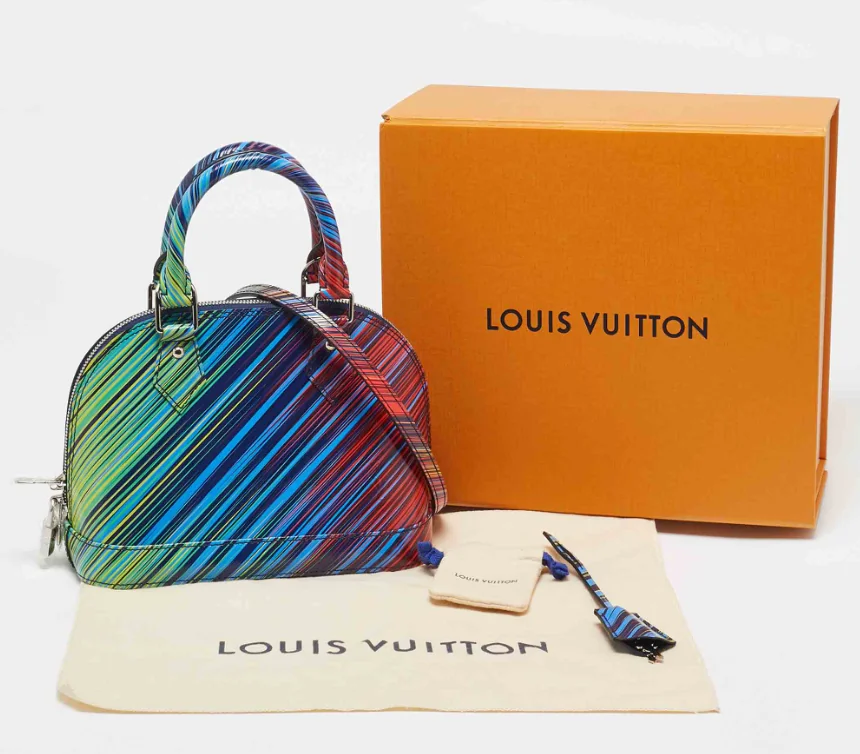
A Louis Vuitton bag is one of the few fashion purchases that can genuinely function as a financial decision. Unlike most apparel, which loses value the moment it leaves the store, a well-chosen LV piece can hold 40-70% of its retail price on the resale market years later, and certain limited editions have sold for more than their original tag. That is not marketing spin; it is what happens when a house controls production, refuses to discount, and builds a product designed to survive decades of daily use.
This guide is written for buyers who want to purchase pre-owned Louis Vuitton with confidence rather than hope. We cover what actually sustains resale value, how to authenticate a bag piece by piece, the counterfeit tells that trip up even experienced shoppers, and where to buy safely if you’re sourcing in the UAE or shopping cross-border. We’ll also walk through date codes in detail, because getting this one step wrong is the single most common reason buyers end up with a fake.
What Makes Louis Vuitton Bags Hold—Even Grow—Their Value? #
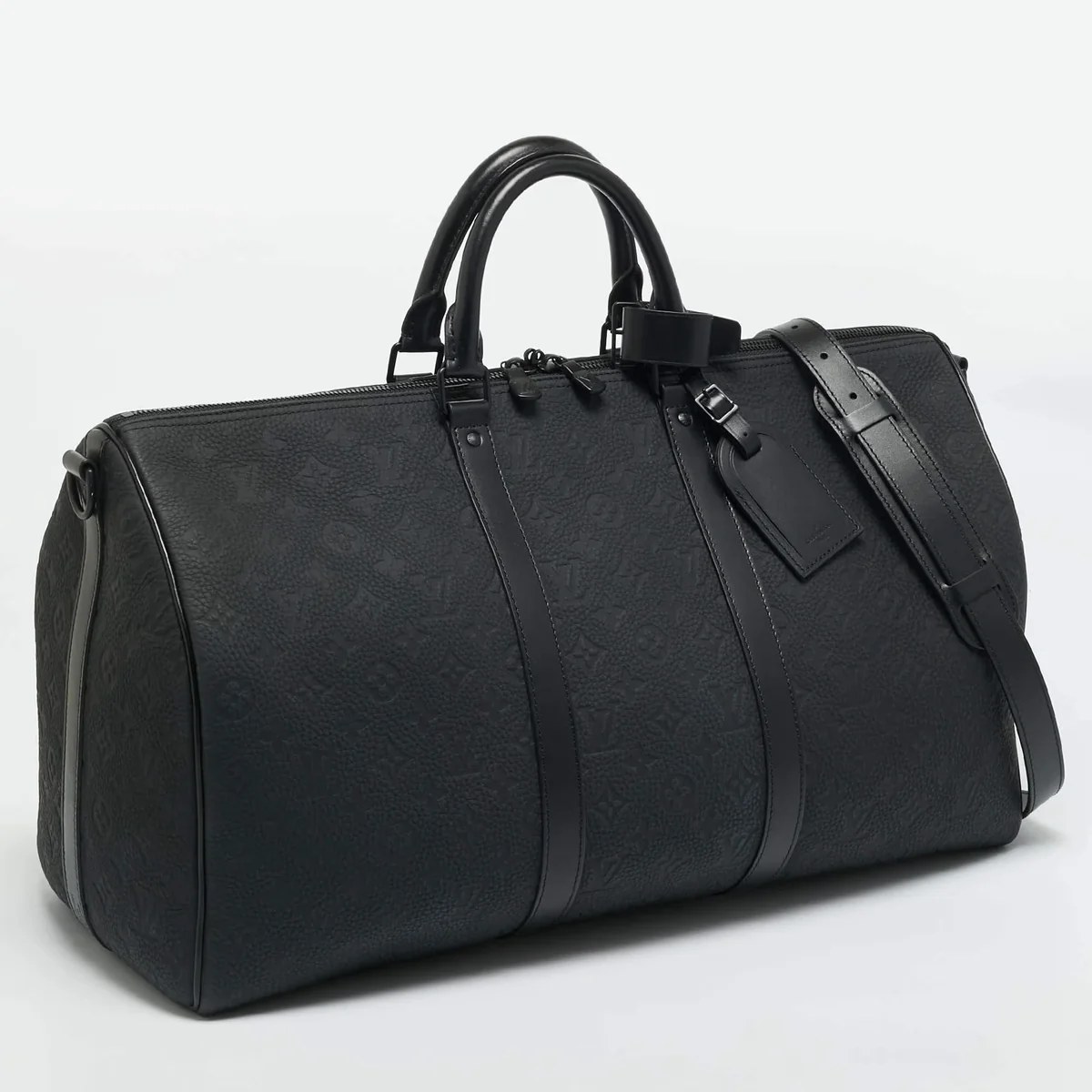
Resale value isn’t accidental. It’s the byproduct of specific material and business choices Louis Vuitton has made consistently for over a century.
Materials built to outlast trends #
- Monogram canvas is coated, not raw, canvas—closer to a technical textile than leather. It resists water, doesn’t crease like calfskin, and is largely immune to the surface wear that kills resale value on other bags. This is why 20-year-old Speedys still look structurally sound.
- Vachetta leather (the untreated trim on handles and corners) is the opposite: it’s meant to change. It darkens into a honey-brown patina with light and handling. Buyers should know this isn’t damage—it’s expected aging, and a bag with even, natural patina often commands a better price than one that’s been kept pristine in a dust bag for a decade, because it shows the leather is genuine and has been used, not stored in humidity that causes mold.
- Epi and Empreinte leathers are embossed or textured, which hides fine scratches and ages more predictably than smooth calf. Bags in these leathers tend to depreciate more slowly than smooth-leather counterparts.
Hardware and construction as value signals #
LV hardware is solid brass with a gold-tone or palladium plating, not stamped sheet metal. It has real weight, and the plating wears evenly rather than flaking in patches. Zipper pulls, D-rings, and turn-locks are engraved with a level of precision (uniform depth, no burrs) that’s expensive to replicate—one reason hardware condition is one of the fastest ways to separate real value from a bag that’s been refurbished with aftermarket parts.
Scarcity and brand discipline #
Louis Vuitton doesn’t hold seasonal sales, doesn’t overproduce, and periodically discontinues styles and colorways permanently. That discipline is what allows discontinued monogram colors, collaboration pieces (Supreme, Murakami, Stephen Sprouse), and rare exotic-skin editions to appreciate rather than depreciate. A standard Neverfull will hold value; a discontinued Azur Speedy or a Murakami cherry piece can outperform retail entirely.
Condition and completeness #
Original dust bags, box, care booklet, and receipt add measurable resale premium—often 10-15% depending on the model. Buyers should expect to pay more for a “full set” and treat that as a legitimate value factor, not an upsell.
How to Authenticate a Pre-Owned Louis Vuitton Bag #
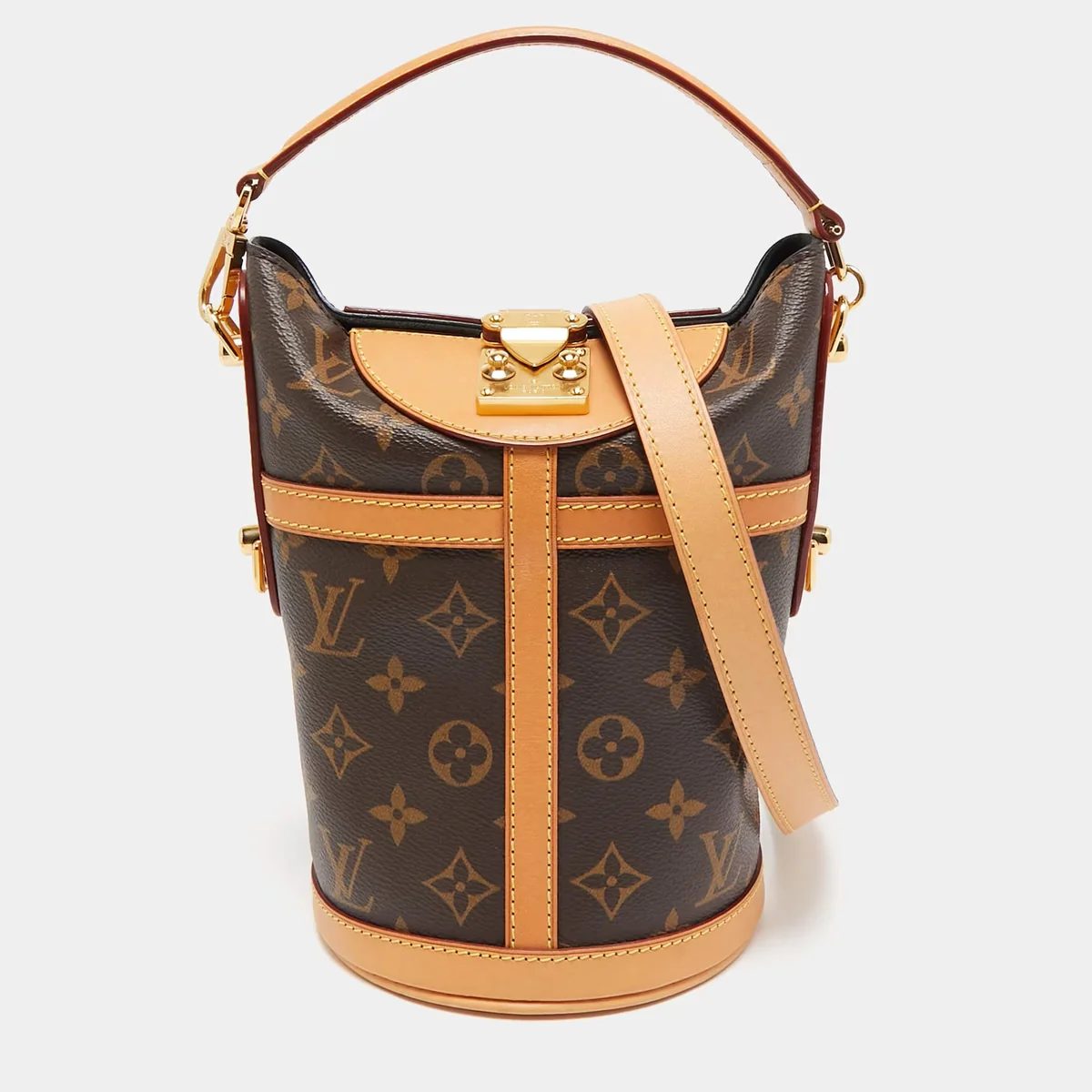
Authentication is a sequence, not a single glance. Work through these checkpoints in order.
1. The date code (heat stamp) #
Almost every LV bag made after the early 1980s has a date code heat-stamped into the leather, usually on an interior tab, lining seam, or the base of the bag. It’s typically a mix of two letters followed by four numbers (older codes have different formats—see the dedicated section below). The code should be crisp, evenly spaced, and pressed into the leather at a consistent depth. Faint, uneven, or laser-etched stamps (rather than heat-pressed) are a strong signal of a counterfeit.
2. Monogram alignment #
On canvas monogram bags, the pattern should be centered and symmetrical across every seam, including the base and gusset. Louis Vuitton never cuts a “half” LV logo at a seam on the front or back panel of a bag—if you see a chopped or misaligned logo, walk away.
3. Stitching #
Genuine LV stitching is tight, even, and uses a beige or matching-tone waxed thread, typically five to seven stitches per centimeter depending on the model. Loose threads, visible glue residue, or stitching that varies in tension across a single seam are hallmarks of a fake.
4. Hardware weight and engraving #
Pick it up. Authentic hardware has real heft—cheap alloy hardware on counterfeits feels noticeably lighter and often has a slightly different (usually more yellow or too-shiny) gold tone. Engravings on zipper pulls and locks should be deep, symmetrical, and centered; shallow or crooked engraving is a red flag.
5. Leather texture and smell #
Vachetta should feel firm but supple, never plasticky. New vachetta is pale vanilla and darkens over time—if a “new” bag already has deep, blotchy staining that looks artificial (uniform orange rather than gradual honey tones), be suspicious. Genuine leather also has a distinct, mild leather scent; a strong chemical or glue smell is a warning sign.
6. Interior lining and pocket construction #
Older LV bags use a coated canvas or Alcantara-style lining depending on era and model; check that the lining matches known references for that specific style and year. Interior pockets should be cleanly bound, not raw-edged.
7. Serial number cross-check #
Louis Vuitton doesn’t offer public serial number verification the way some brands do, so the date code should be checked against known format history for that model’s production years—a code that doesn’t match when the style was actually made is a definitive fake indicator.
Common Red Flags of Counterfeit Louis Vuitton Bags #
Grouping the tells this way makes them easier to run through quickly during an in-person inspection or from seller photos.
Stitching and construction
- Uneven stitch length or spacing
- Visible glue along edges or seams
- Loose or fraying threads at stress points (handles, base corners)
Hardware
- Lightweight zippers, clasps, or padlocks
- Hardware that’s too shiny or too yellow compared to reference photos
- Shallow, off-center, or misspelled engravings
Font and branding
- “Louis Vuitton” text that’s too bold, too thin, or incorrectly kerned
- Logo plates with rounded edges where they should be sharp, or vice versa
- Date code font that doesn’t match the heat-stamp style used in that production era
Material behavior
- Canvas that feels rigid, plasticky, or has a visible woven texture instead of a coated finish
- Vachetta that’s uniformly dark out of the box, rather than developing patina naturally
- A strong chemical smell instead of a mild leather scent
Packaging and paperwork
- Missing or mismatched dust bag branding
- Receipts with pricing that doesn’t match known retail history for that model and year
- Sellers unwilling to provide close-up photos of the date code, interior stamps, or hardware engraving
If a listing hits three or more of these, treat it as a fake until proven otherwise, regardless of how convincing the price looks.
Where and How to Buy Authentic Pre-Owned Louis Vuitton in the UAE #
The UAE has a genuinely active [[[pre-owned luxury](/buying-guides/louis-vuitton-multi-pochette-accessoires-buying-guide/)](/buying-guides/designer-handbag-trends-2025/)](/buying-guides/replica-vs-pre-owned-bags/) market, but that also means it attracts sellers moving counterfeit or misrepresented stock through informal channels. A few principles keep the risk low.
Prioritize sellers with a documented authentication process #
A reputable platform should explain, specifically, what its authenticators check: date code verification against production records, hardware and stitching inspection, and material testing where relevant. Vague claims like “100% authentic guaranteed” without any explanation of process are a soft red flag—ask what the check actually involves before you buy.
Certification should be included, not optional #
Look for a certificate of authenticity issued at the time of sale, ideally with a reference number tied to the specific bag, along with a return or authentication-dispute window (typically 7-14 days) if the item fails a third-party check after delivery. This is standard among trusted consignment platforms and should never be an upsell.
Private sellers: proceed carefully, not blindly #
Social media marketplaces, classifieds, and private DMs can offer good prices, but you lose the safety net of a formal authentication guarantee. If you do buy privately:
- Insist on in-person inspection or a video call showing the date code, hardware, and interior stamps up close
- Ask for the original receipt or purchase history, even if informal
- Use a payment method with buyer protection (avoid direct bank transfer to strangers)
- Consider paying a third-party authentication service before finalizing, especially for high-value pieces
Boutique resale vs. general marketplaces #
Dedicated luxury consignment boutiques (physical or online) typically charge a premium of 10-20% over general marketplaces, but that premium buys authentication, condition grading, and often a warranty period. For bags above roughly AED 5,000, that premium is usually worth it. For lower-value, common styles (a basic Monogram pochette, for instance), the risk-adjusted savings on a general marketplace can be reasonable if you’re confident in your own authentication skills.
Caring for Your Pre-Owned Louis Vuitton Bag #
Resale value doesn’t stop mattering after purchase—how you care for the bag determines what you’ll get back when you eventually sell.
- Vachetta trim: Avoid direct sunlight for extended periods (it darkens unevenly) and never use leather conditioner on untreated vachetta—it can stain and blotch. Light, even wear is what produces the desirable patina.
- Monogram canvas: Wipe with a slightly damp, soft cloth; avoid saturating it. Coated canvas resists water but isn’t waterproof at seams.
- Epi and Empreinte leather: Use a dedicated leather protectant sparingly, and store away from heat vents, which dry out grained leather and cause micro-cracking over time.
- Hardware: Wipe gold-tone hardware with a soft, dry cloth after use to remove skin oils and perfume residue, which tarnish plating faster than normal handling.
- Storage: Stuff the bag with its original dust bag or acid-free tissue to hold shape, store upright, and avoid stacking anything heavy on top—deformed structure is one of the biggest resale value killers on structured styles like the Alma or Speedy.
- Documentation: Keep the receipt, authentication certificate, dust bag, and box together. When you eventually resell, this “full set” documentation can add measurably to what a buyer or platform is willing to pay.
The honest downside: even with perfect care, high-touch areas (handle vachetta, base corners, zipper pulls) will show wear faster than the rest of the bag. That’s expected and doesn’t disqualify a bag from being a good purchase—it’s part of what buyers should expect to inspect and price in when shopping pre-owned.
Best Places to Buy Pre-Owned LV Bags #
| Channel | Authentication | Price vs. Retail | Best For |
|---|---|---|---|
| Dedicated luxury consignment platforms | In-house or third-party experts, certificate issued | 60-85% of original retail depending on condition/rarity | First-time pre-owned buyers, high-value pieces |
| Brand-run pre-owned programs (where available) | Verified by the brand | Highest of the resale options, closer to retail | Buyers prioritizing certainty over price |
| Physical consignment boutiques | Usually inspected in-house, variable rigor | 55-75% of retail | Buyers who want to handle the bag before buying |
| General online marketplaces (classifieds, social selling) | Seller-dependent, often none | 40-65% of retail, widest range | Experienced buyers comfortable self-authenticating |
| Auction houses | Expert-vetted for higher-value lots | Can exceed retail for rare/discontinued pieces | Collectors seeking discontinued or limited editions |
The pattern holds across most categories: the more authentication rigor built into the channel, the higher the price floor, but the lower the risk. For a first pre-owned LV purchase, or anything above the mid four figures in AED, a platform with a documented authentication process and a return window is worth the premium over an unverified private sale.
How to Read a Louis Vuitton Date Code #
Louis Vuitton’s date code format has changed several times, and knowing which format applies to a given bag helps you catch a fake instantly if the code doesn’t match the claimed production era.
Pre-1980s bags: No standardized date code system; authentication relies more heavily on stamping style, materials, and construction matched against archival references.
1980-2006 format: Two letters followed by four digits (e.g., SD0045). The two letters identify the factory/country of manufacture (France, USA, Spain, Germany, etc.). Of the four digits, the first and third indicate the month of production, and the second and fourth indicate the year. For example, in “3059,” reading positions 1-3-2-4 gives month “05” and year “39”—meaning May, and the year is inferred from the bag’s known production window (either 1989 or 1999, cross-checked against style history).
Post-2007 transitional bags: Some bags in this period used a slight variation but kept the two-letter, four-digit structure.
2021 onward: Louis Vuitton began phasing out heat-stamped date codes on new production in favor of unique alphanumeric identifiers tied to internal tracking rather than a public month/year decode, as part of broader anti-counterfeiting measures. This means very recent bags may not follow the classic decode logic at all, and claims of a “date code” on something sold as a brand-new 2023+ bag should be checked against current LV documentation rather than older code charts.
Practical check: Once you’ve located the code, compare its format to the style’s known production years. A “date code” that decodes to a year before the bag’s style was even released, or that uses a factory letter code never assigned to that country, is a clear sign of a counterfeit or a bag that’s been misrepresented.
FAQ #
Does a missing date code always mean a bag is fake? Not always—some newer bags use non-decodable identifiers, and a small number of vintage pieces predate the system entirely. But for any bag made roughly between 1980 and 2020, a missing or illegible code where one should be is a serious concern.
Can vachetta leather be restored if it’s overly darkened or stained? Partially. Professional leather restoration can even out staining, but it can’t fully reverse deep discoloration, and over-treating vachetta often looks unnatural and can reduce resale value rather than improve it.
Is a lower price always a red flag for pre-owned LV? Not always—private sellers who bought new and want a quick sale can genuinely price below market. But a price significantly under market on a rare or discontinued piece, especially from an unverified seller, should trigger closer inspection before anything else.
Do LV bags without original packaging still hold good resale value? Yes, but expect 10-15% less than an identical bag with full packaging and documentation, all else being equal.
Related Articles #
- How to Spot a Fake Louis Vuitton Bag: 11 Expert Tips
- Replica vs. Pre-Owned Bags: The Smarter Buy?
- Louis Vuitton Alma Bag: The Ultimate Buying Guide
- Sell Designer Handbags in 2025: Get Paid More, Faster
- How to Spot a Fake Neverfull: Authentication Guide
Related guides
- Online Bag Authentication: What Photos Can and Cannot Prove
- Chanel 2.55 History, Details & How to Spot a Fake
- Private Bag Edit: Hermès Kelly Authentication Blog
- Hermès Date Codes & Stamps Explained: Full Guide
- How to Buy an Authentic Luxury Bag from China Safely
- New vs Pre-Owned Luxury Bags: Which Route Is Right for You?
- Chanel Bag Guide: What to Know Before You Buy
- Luxury Bag Houses


Keyword index