Introduction: Why Some Handbags Never Go Out of Style#
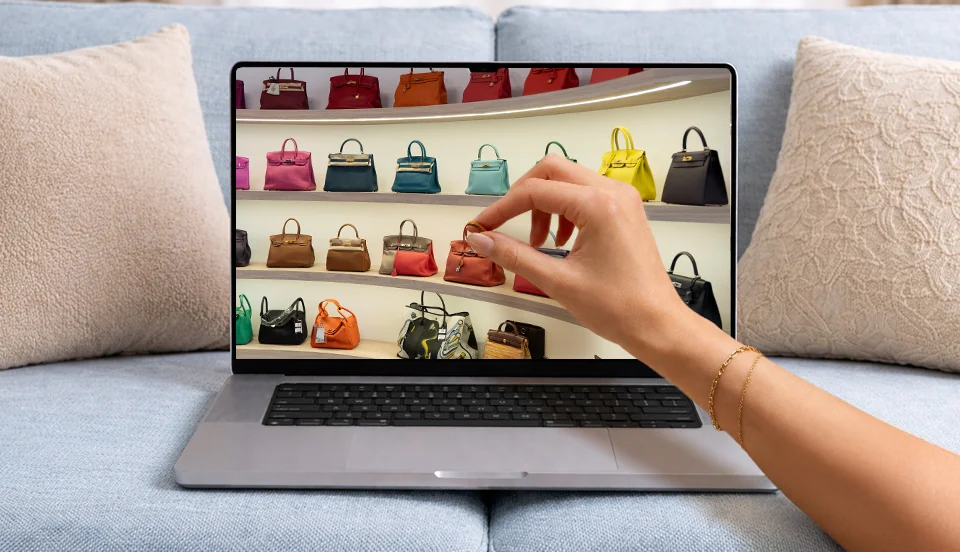
Every season brings a new “it” bag. Most of them are forgotten within a year or two. Yet there’s a small handful of handbags that have outlasted decades of trend cycles, recessions, creative director changes, and shifting silhouettes — and somehow look just as right today as they did when they launched.
That’s the difference between a trend piece and a true classic. A trend bag chases the moment. A classic and chic handbag defines it, again and again, regardless of what’s on the runway that year.
I’ve spent years handling, reviewing, and buying these bags secondhand and new, and the pattern is consistent: the bags that hold their relevance are also, almost without exception, the bags that hold their value. That’s not a coincidence — it’s craftsmanship, brand discipline, and design restraint working together.
This guide breaks down which classic handbags actually earn their reputation, which ones are worth the money today, and which ones I’d think twice about before committing five or six figures to. No hype, no brand worship — just an honest look at what’s genuinely worth owning.
What Makes a Handbag Truly Classic and Chic#
Not every expensive bag is a classic, and not every classic is equally worth buying right now. Before ranking anything, it helps to know what separates an icon from an expensive trend.
Design restraint that ages well. The bags that last avoid anything too season-specific — no logo mania, no gimmick hardware, no silhouette that screams “this was made in 2019.” Think structured shapes, clean lines, and hardware that reads as jewelry rather than branding.
Genuine versatility. A classic bag should work with jeans and with black tie. If a bag only looks right with one type of outfit, it’s a wardrobe piece, not an icon.
Brand heritage, not just brand recognition. Heritage means the bag has a documented history, a consistent design language over decades, and a story that predates Instagram. Recognition alone (a logo everyone knows) doesn’t guarantee longevity — plenty of heavily branded bags from the 2000s are now gathering dust.
Resale demand that holds under pressure. This is the part collectors care about most, and it’s measurable. Classic bags maintain demand on resale platforms even during downturns in discretionary spending. Trend bags don’t — their resale value tends to collapse the moment the next “it” bag arrives.
Craftsmanship that justifies the price. Hand-stitching, leather quality, and construction techniques that haven’t changed much in decades are a strong signal. If a house can explain exactly why a bag costs what it costs — in hours, materials, and skill — that’s usually a good sign it’ll still be desirable in twenty years.
With those criteria in mind, let’s look at the bags that actually meet the bar.
The Founding Icons: Birkin, Kelly and [Chanel Classic Flap](/buying-guides/vintage-chanel-finds-top-picks/)#
These three are the bedrock of the entire classic handbag category. Every other bag on this list exists in their shadow, and honestly, most of the “investment handbag” conversation online traces back to these three names.
Hermès Birkin#
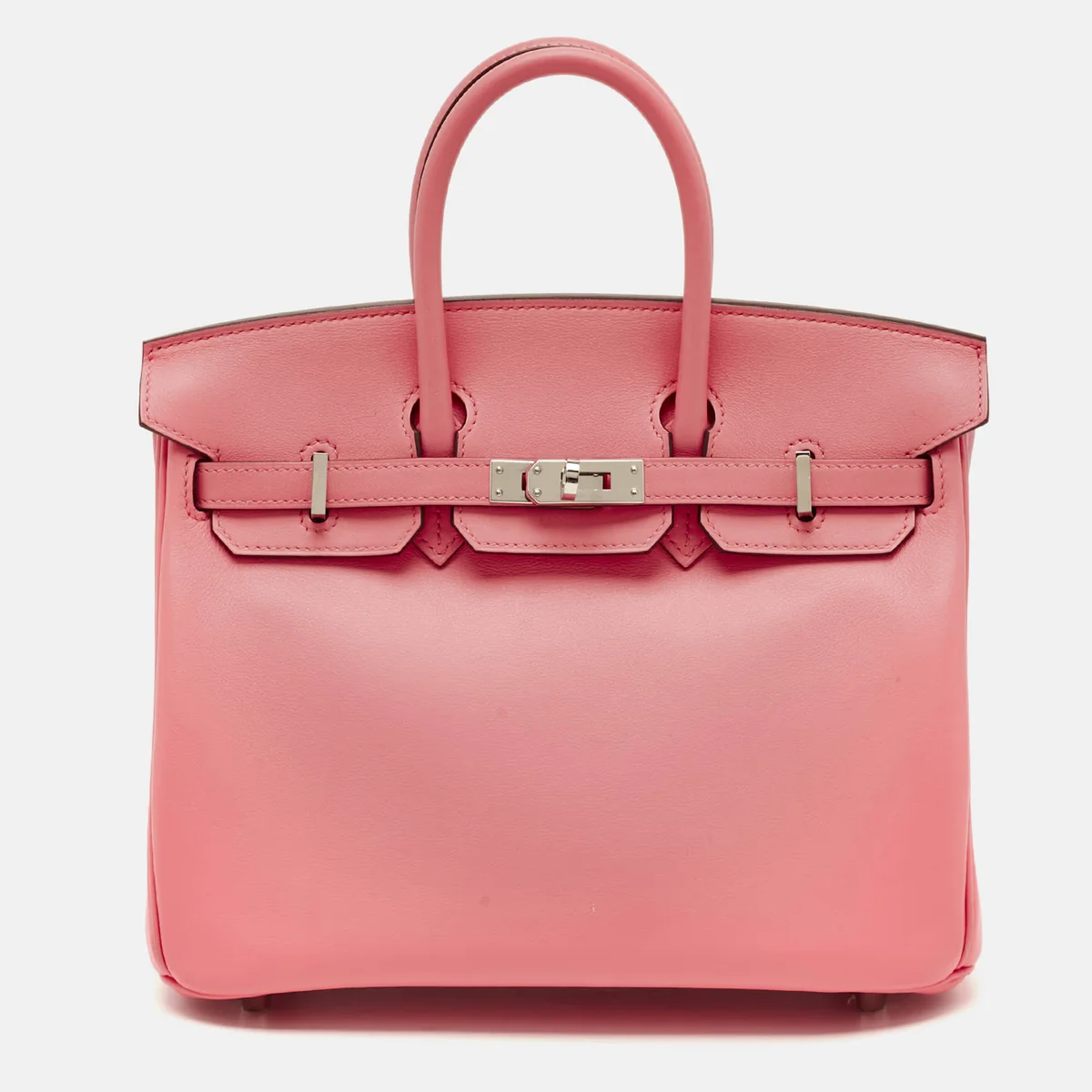
The Birkin was born from a 1984 in-flight conversation between Jane Birkin and Hermès’ then-artistic director, Jean-Louis Dumas, after her straw bag spilled its contents. What started as a practical fix became the most talked-about handbag in the world.
Each Birkin is made almost entirely by hand by a single artisan, start to finish, which is part of why production is so limited. That scarcity isn’t marketing spin — it’s a genuine bottleneck created by the skill required and the time each bag takes.
Pros:
- Exceptional resale performance, often exceeding retail price for popular sizes and leathers
- Handcrafted quality that’s difficult to overstate once you handle one in person
- Broad recognition without looking “loud” or logo-driven
Honest downsides:
- You can’t simply walk in and buy one. Most retail purchases still require an existing relationship with the boutique or a purchase history with the brand, which frustrates a lot of first-time buyers
- Entry price (Birkin 25 retailing around $13,500 as of 2026) is steep before you’ve even touched leather quality or hardware upgrades
- Exotic skins carry real ethical and maintenance considerations that don’t get discussed enough in “investment” content
Hermès Kelly#
Named after Grace Kelly, who famously used one to shield her pregnancy from paparazzi in the 1950s, the Kelly actually predates the Birkin by decades — it started life in the 1930s as a saddle bag before Hermès reworked it for Kelly. Its structured, slightly architectural silhouette with the signature turn-lock closure gives it a more formal, old-Hollywood feel than the Birkin.
Pros:
- Arguably more elegant and dressier than the Birkin, which appeals to buyers who want a quieter status symbol
- Same artisan-level construction and comparable resale strength
- The Sellier (structured) version in particular ages beautifully and rarely looks dated
Honest downsides:
- Same allocation and waitlist challenges as the Birkin, sometimes worse depending on the boutique
- The rigid structure makes it less forgiving as an everyday bag — it’s not the one you grab for a quick errand
- Handle drop and closure mechanism take some getting used to if you’re coming from a shoulder-bag lifestyle
Chanel Classic Flap#
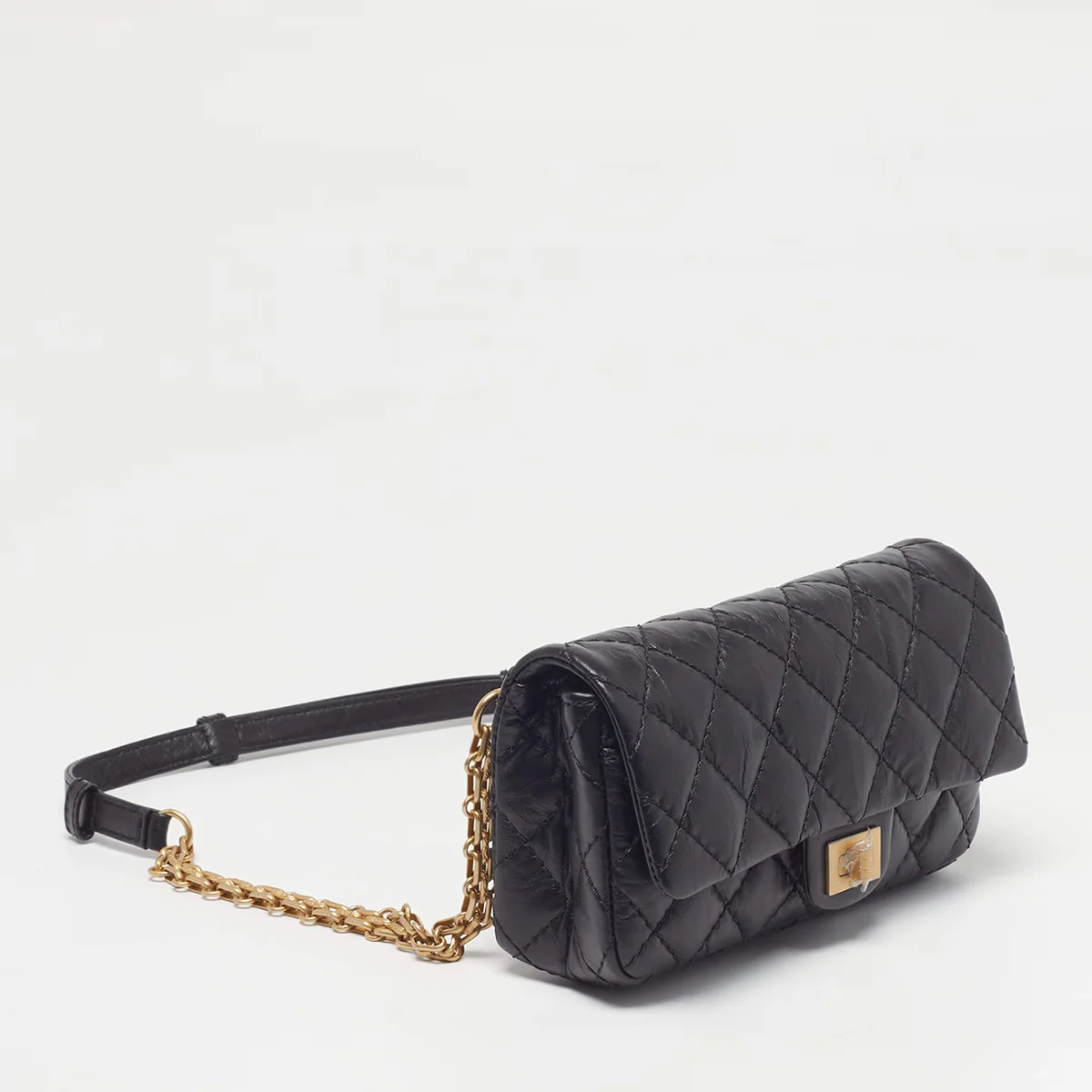
Coco Chanel introduced the 2.55 in February 1955, and it genuinely changed how women carried bags — the chain strap freed hands that had previously been tied to top-handle bags and clutches. The quilted leather, the Mademoiselle turn-lock, and the interlocking CC closure have barely changed in seventy years, which is exactly the point.
Pros:
- More attainable entry point into “grail” territory than Birkin or Kelly, with no allocation waitlist in most markets
- Quilting and chain strap remain instantly recognizable without feeling dated
- Strong secondary market, with prices climbing meaningfully over the past several years
Honest downsides:
- Chanel has raised prices aggressively and repeatedly — the Classic Flap now retails north of $8,800, and that’s before considering exotic leathers
- Quilted lambskin is genuinely delicate. Corners crush, and the leather shows wear faster than Hermès’ tougher leathers, which matters if you plan to use it daily
- The turn-lock catches on clothing more than people expect before buying
Everyday Icons: Louis Vuitton Speedy, Dior Lady Dior and [Fendi Baguette](/brands/fendi-baguette-review-worth-buying-2024/)#
If the bags above are the museum pieces, this trio is what you actually reach for on a Tuesday. They’re more accessible, more forgiving of daily wear, and still carry serious brand equity — just without the six-figure ceiling.
Louis Vuitton Speedy#
Introduced in the 1930s as a smaller version of Louis Vuitton’s travel trunks and luggage, the Speedy became a true cultural fixture once Audrey Hepburn was photographed with one in the 1960s. It’s the bag most people picture when they hear “monogram tote.”
Pros:
- Genuinely practical — lightweight, structured enough to hold its shape, and available in sizes from 20 to 40
- Canvas monogram construction handles daily abuse better than most delicate leathers
- Widely available new, without the allocation games of Hermès or the price surges of Chanel
Honest downsides:
- Because it’s so widely produced and counterfeited, it doesn’t carry the same exclusivity cachet as the bags above, and resale value reflects that — it holds value modestly rather than appreciating
- Vachetta leather handles patina over time, which some people love and others find inconsistent-looking if not cared for evenly
- The open-top styles (non-Bandoulière) offer very little security for the interior
Dior Lady Dior#
Created in 1995 and famously gifted to Princess Diana that same year (the reason it carries her name), the Lady Dior’s cannage quilting, top handles, and dangling charm letters have made it one of the most recognizable structured bags in luxury.
Pros:
- The cannage stitching is distinctive enough to be recognizable without any visible logo
- Structured shape holds up well over years of use compared to slouchier bags
- Dior has kept the design largely consistent, which supports long-term desirability
Honest downsides:
- The structured, boxy shape is beautiful but not especially roomy — it’s a going-out bag more than a daily workhorse for most people
- Top handles only (on classic versions) means less carrying flexibility unless you opt for the strap version
- Resale demand is solid but noticeably behind Chanel and Hermès
Fendi Baguette#
Designed by Silvia Venturini Fendi in 1997 and catapulted into the mainstream by “Sex and the City,” the Baguette earned its name from being carried under the arm “like a loaf of French bread.” It was one of the first true “it bags” of the modern era, before that term even existed.
Pros:
- Compact, distinctive silhouette that reads as vintage-cool rather than dated
- Enormous range of fabrications over the years (sequins, embroidery, leather, denim) gives collectors variety within one iconic shape
- Enjoyed a genuine resurgence in the 2020s, proving it has staying power beyond its original early-2000s moment
Honest downsides:
- It’s small. If you carry more than a phone, cards, and lipstick, this isn’t your everyday bag
- Because so many special editions exist, value varies wildly depending on fabric and rarity — a sequined limited edition and a basic leather Baguette are not comparable investments
- Less universally “classic” than the other bags here; it’s more a style statement than a wardrobe basic
Investment Value: Which Classics Actually Hold or Gain Value#
This is where I’ll be blunt: not every bag on this list is an investment, even if every bag on this list is a classic. Those are two different claims, and a lot of content online conflates them.
Hermès Birkin and Kelly are the closest thing to a “sure bet” in this category. Popular sizes and leathers in neutral colors routinely sell above retail on the secondary market, and rare exotic-skin pieces have sold for well over $200,000. The catch is that this performance is tied to scarcity Hermès controls deliberately — it’s not a guarantee that extends to every color or leather combination.
Chanel Classic Flap has appreciated significantly, with resale values climbing alongside repeated retail price increases. It’s a good store of value, but it’s worth noting that Chanel’s pricing strategy (frequent, steep increases) is doing a lot of the heavy lifting here — resale prices are chasing retail, not necessarily reflecting scarcity the way Hermès does.
Louis Vuitton Speedy holds value reasonably well but doesn’t appreciate. It’s a stable, liquid bag to own and resell, but I wouldn’t market it to anyone as a growth asset. Think of it as a bag that won’t lose you much money, not one that’ll make you any.
Dior Lady Dior sits in the middle — solid resale demand for classic colorways and hardware, but it hasn’t seen the aggressive appreciation Chanel and Hermès have experienced.
Fendi Baguette is the most volatile of the group. Rare or limited-edition pieces can command strong prices among collectors, but standard leather versions don’t carry the same investment weight. Buy it because you love it, not because you expect a return.
The honest takeaway: if resale appreciation is your primary goal, Hermès is genuinely in a different category from everything else here. Everything else should be evaluated as “will this hold its value reasonably well” rather than “will this make me money.”
How to Choose Your First (or Next) Classic Handbag#
Start with how you’ll actually use it, not how it photographs. A structured top-handle bag like the Kelly or Lady Dior is stunning, but if your daily life involves a commute, kids, or a laptop, a Speedy or a well-chosen Birkin (which does have real interior capacity) will serve you better.
Set a realistic budget that includes the resale reality. If you’re spending $8,000-$15,000, a Chanel Classic Flap or entry Hermès piece (a Picotin or smaller Kelly) makes sense. Above that, you’re in Birkin and rare Chanel territory. Below that, the Speedy and Lady Dior are genuinely excellent choices — don’t let anyone convince you they’re “lesser.”
Decide whether you’re collecting or wearing. Collectors chasing rare exotics or limited editions should expect to pay a premium and hold pieces long-term for appreciation. If you just want a bag you’ll use for the next decade, prioritize a classic leather and neutral hardware over anything limited-edition — it’ll be easier to maintain and easier to resell later.
New versus pre-owned is really a condition and provenance question. Buying new guarantees full authenticity and lets you pick exact specifications, but for Hermès in particular, buying pre-owned from a reputable, authenticated platform is often the only realistic way to get the color or leather you actually want without a multi-year wait. For Chanel and Dior, new purchases are far more accessible, so the pre-owned market there is more about price and rare colorways than availability.
Always buy from a source with real authentication standards. This matters more than brand loyalty. A trusted consignment platform or reputable dealer with in-house authentication protects you far better than a “deal” from an unverified seller, no matter how convincing the photos look.
Frequently Asked Questions#
How can I tell if a designer handbag is authentic before buying pre-owned? Check stitching consistency, hardware weight and engraving, date/serial codes specific to the brand, and leather smell and texture. For high-value pieces like Birkin or Kelly bags, buy only from platforms or dealers with documented in-house authentication, and ask for close-up photos of hardware stamps and interior tags before committing.
Does using a bag regularly hurt its resale value? Yes, to a degree, but less than people assume. Gentle use with proper care (dust bags, avoiding overstuffing, conditioning leather) has a modest impact compared to visible corner wear, hardware tarnish, or odor. A well-maintained “excellent condition” bag still commands strong resale prices — it doesn’t need to be untouched.
Which classic handbag holds value best over time? The Hermès Birkin, followed closely by the Kelly, consistently outperforms other classics on the resale market, particularly in popular sizes like 25 and 30 and neutral leathers like black or gold Togo. Chanel’s Classic Flap is the strongest performer outside of Hermès.
Is it worth buying a classic handbag secondhand instead of new? Often, yes — especially for Hermès, where pre-owned may be the only practical route to a specific color or leather. For Chanel, Dior, and Louis Vuitton, buying secondhand mainly saves money and gives access to discontinued colorways, since new stock is generally available through retail.
How do I care for a classic leather handbag to protect its value? Store it stuffed (with the original dust bag or acid-free tissue) to prevent creasing, keep it away from direct sunlight and humidity, avoid overloading the interior, and have it professionally cleaned or conditioned rather than using generic household products. Rotate bags rather than using one exclusively every day.
Recommendations and Buying Advice#
If you’re buying your first classic bag and want the strongest long-term value, the Chanel Classic Flap in black caviar leather with gold hardware is the most sensible entry point — accessible enough to buy new, proven enough to hold value, and versatile enough to wear for the next twenty years.
If budget isn’t the constraint and you’re serious about investment potential, the Hermès Birkin 25 or 30 in black or gold Togo leather is the closest thing to a guaranteed performer in this category, even accounting for the waitlist frustration.
If you want daily practicality without stretching into five figures, the Louis Vuitton Speedy 25 or 30 remains genuinely hard to beat — it’s the bag I’d recommend to someone who wants “classic and chic” without treating the purchase as a financial decision.
Skip limited-edition Fendi Baguettes unless you’re buying purely for personal love of the piece — the investment case for anything outside rare collaborations is weak. And think carefully before buying a Kelly as a first Hermès purchase; the Birkin’s slightly larger everyday capacity makes it the more forgiving choice for buyers still learning how they actually want to use a structured luxury bag.
Whatever you choose, buy the best condition and most versatile colorway you can afford, from a source that can actually prove authenticity. That single decision matters more for long-term value than which of these six icons you pick.
Related Articles#
- Hermès Leathers Guide: Togo, Epsom, Exotic Skins Explained
- Top ‘It’ Bags Worth Buying in 2024: Investment Guide
- Louis Vuitton Alma Bag: The Ultimate Buying Guide
- Fendi Baguette: History, Value & Buying Guide
- 10 Most Iconic Louis Vuitton Bags to Buy in 2026
Related guides
- Online Bag Authentication: What Photos Can and Cannot Prove
- Fake Goyard Bag Guide: How to Spot Real vs Fake (2026)
- How to Spot a Fake Chanel Flap Bag: Authentication Guide
- How to Spot a Fake Hermès Birkin: Expert Checklist
- How to Buy an Authentic Luxury Bag from China Safely
- New vs Pre-Owned Luxury Bags: Which Route Is Right for You?
- Chanel Bag Guide: What to Know Before You Buy
- Luxury Bag Houses


Keyword index