Introduction #
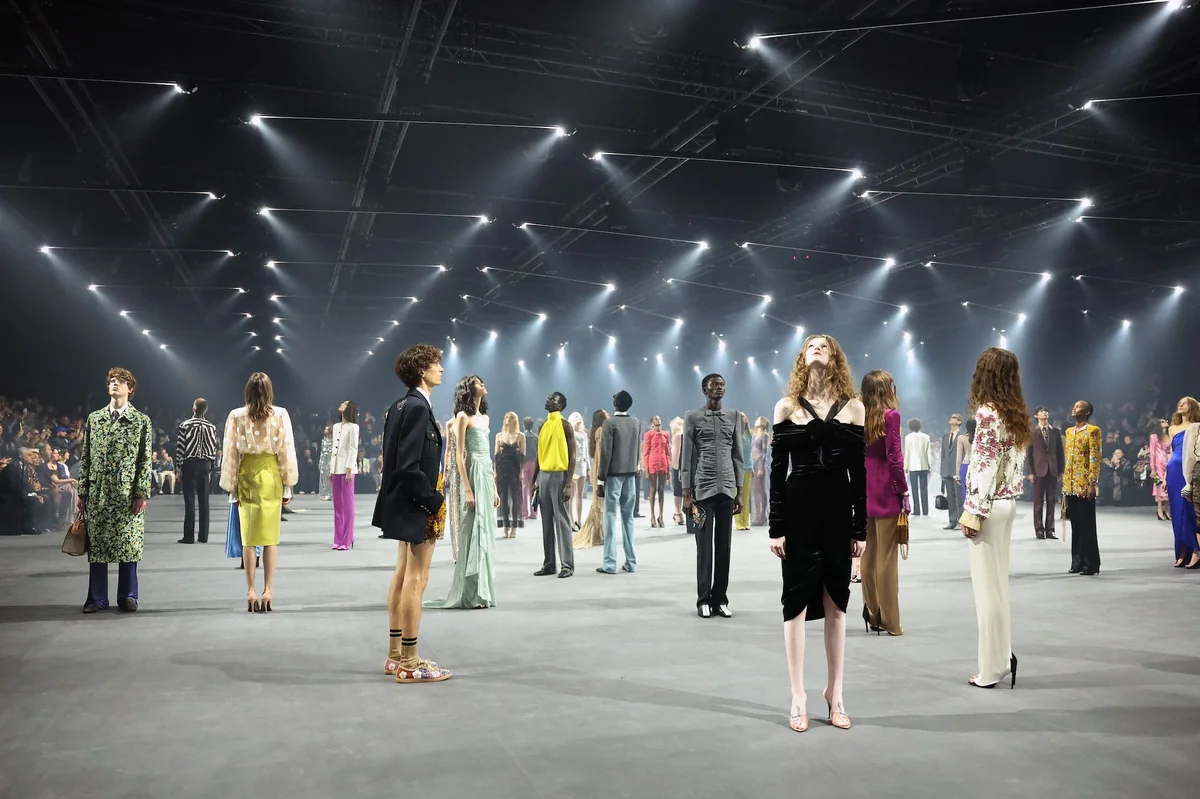
Paris Fashion Week SS26 wrapped its nine days the way it always does — with more noise on social media than most fashion capitals generate in a season. But underneath the front-row selfies and viral X clips, something more substantial was happening. Two of the industry’s most guarded houses handed the reins to new creative directors, and the resulting collections weren’t just runway theater. They were a signal of where luxury spending is headed for the next several years.
I watched most of these shows via livestream and pored over the rest through backstage reports and trade press, and the pattern that emerged was clear: this season rewarded houses willing to reinterpret their own archives rather than chase a trend cycle. For anyone tracking Paris Fashion Week 2025 highlights before committing to a five-figure handbag or a watch upgrade, that distinction matters. A runway moment tied to a debuting designer’s opening statement tends to hold cultural — and often resale — weight longer than a one-season gimmick. This recap breaks down what actually happened on the SS26 runways, which trends have staying power, and how to translate them into pieces worth your money.
Paris Fashion Week SS26 at a Glance #
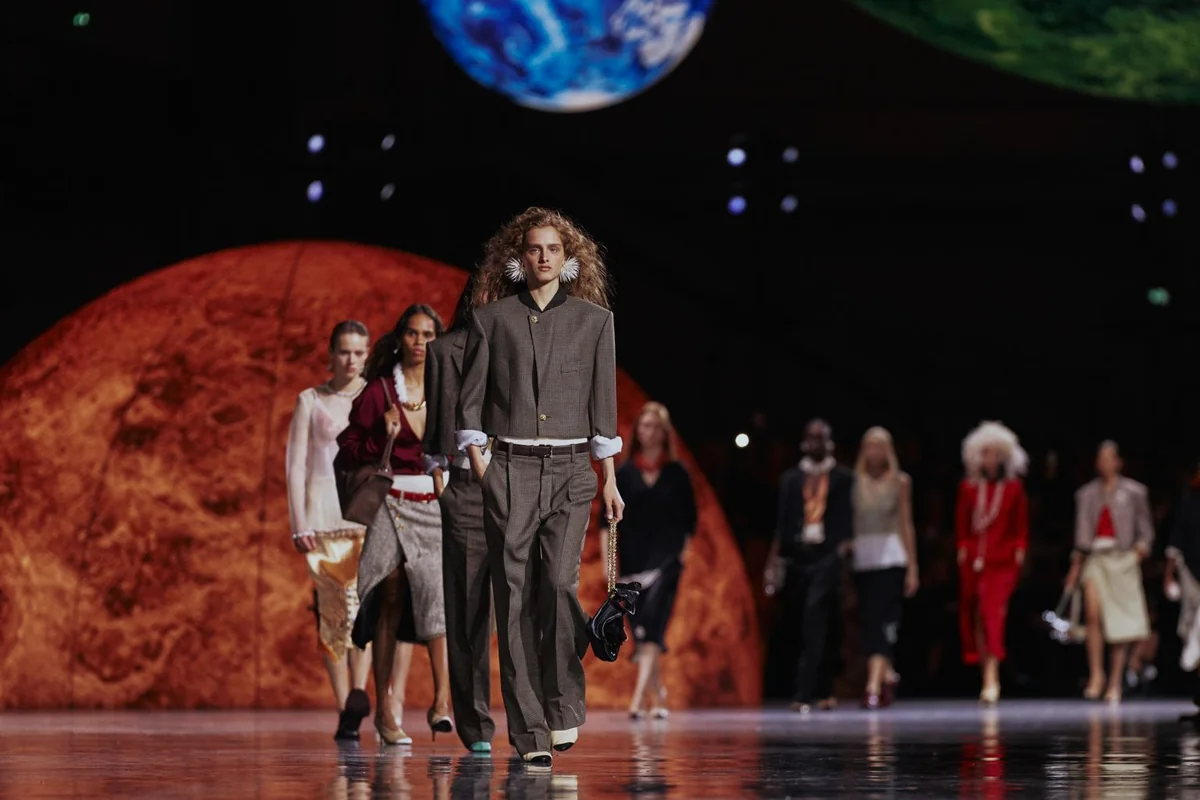
- Key Dates: September 29 – October 7, 2025
- Top Shows: Chanel, Dior, Louis Vuitton, [Saint Laurent](/brands/saint-laurent-kate-bag-review/), Balmain, Balenciaga
- Major Trends: Structured sensuality, earthy and tactile palettes, tech-infused tailoring, revealing minimalism
- Why It Matters: Paris is the only fashion capital where couture-level craft and mass-market-adjacent ready-to-wear share the same runways and the same news cycle, which is why what happens here filters down to boutiques and resale platforms faster than trends from any other city
Paris earns its closing slot in fashion month honestly. New York sets the commercial tone, London brings the conceptual edge, Milan delivers polish — but Paris is where houses stake their creative claims for the year. When a debuting designer chooses Paris for their first show, it’s a statement of ambition, and SS26 had two of the biggest debuts the industry has seen in years.
When Paris Stole the Spotlight #
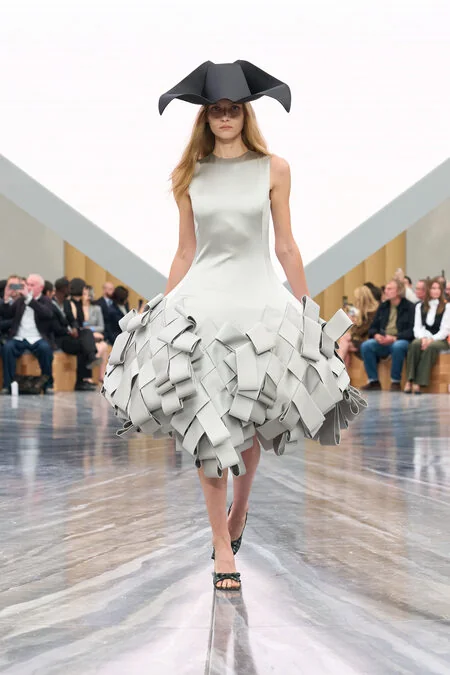
There’s a specific kind of chaos that settles over Paris during fashion week — équipe cars double-parked outside the Grand Palais, editors comparing show schedules over espresso, and a front row that increasingly looks like a K-pop award show crossed with a museum gala. SS26 leaned into that energy. Lisa of BLACKPINK and Zendaya sat front row at Louis Vuitton. Rosé drew as much commentary as the Saint Laurent collection itself. Jimin from BTS turned up at Dior. None of this is new for Paris, but it underscores something worth remembering: the celebrity ecosystem around these shows now drives as much search interest and resale demand as the clothes themselves.
What set this particular week apart from recent seasons was the venue strategy. Houses split between the marble grandeur of the Grand Palais and the stark industrial scale of La Défense, and the contrast felt deliberate — heritage staged against modernity, tradition photographed under glass and steel. It’s a small detail, but it echoed the season’s real story.
Paris remains the only capital where haute couture ateliers and commercial ready-to-wear lines operate inside the same creative ecosystem, often under the same roof. That duality is why a Chanel show still moves markets in a way a New York runway rarely does. The city doesn’t just showcase fashion — it still functions as the place where hand-stitched craft gets translated into what will actually sell.
The Big Story: Reinvention on the Runway #
If SS26 had a single headline, it was this: heritage houses are betting big on new creative direction, and the industry is watching to see if it pays off. Matthieu Blazy’s debut at Chanel and Jonathan Anderson’s first collection for Dior were the two most-discussed events of the entire fashion month, and for good reason — both designers inherited houses with rigid visual codes and immediately signaled they intended to bend them.
This matters beyond the front row. For collectors and investment-minded buyers, a change in creative direction is historically one of the biggest variables affecting resale value. Pieces from a designer’s opening seasons at a storied house — think Phoebe Philo’s early Céline or Hedi Slimane’s first Saint Laurent collections — often become the most sought-after on the resale market years later, precisely because they mark a defined creative era. Whether Blazy’s Chanel or Anderson’s Dior reach that status is impossible to say yet, but it’s exactly why serious buyers should be paying attention to debut collections rather than dismissing them as hype.
The secondary story was sustainability finally showing up as design language rather than a marketing footnote — Stella McCartney’s technicolor, eco-transparent pieces were the clearest example, though the broader industry still has a long way to go before “sustainable” and “investment-grade” reliably mean the same thing.
House-by-House Runway Highlights #
Chanel — Matthieu Blazy’s Debut #
Blazy’s first Chanel collection was always going to be scrutinized more heavily than any other show this season, and it delivered on precision without leaning on nostalgia for nostalgia’s sake. The tweed was still there, but reworked with sharper proportions and a more architectural hand than what Chanel audiences have seen in recent years. My honest read: it was a confident, controlled debut rather than a radical one, which is probably the right call for a house this size. Blazy seems intent on proving continuity before he starts taking real risks — smart for the brand, slightly cautious for anyone hoping for fireworks.
Dior — Jonathan Anderson’s First Collection #
This was, by most editors’ consensus, the show of the week. Anderson framed his debut around what he called “feminine armor” — frayed denim miniskirts next to sculptural corsets, silk shirting layered under structured capes. The staging opened with a haunting short film from British filmmaker Adam Curtis, which set an unusually cerebral tone for a Dior show. It worked. The collection balanced classic Dior femininity against something rougher and more modern, and it’s the kind of debut that immediately reframes how a house is perceived. My one reservation: some of the raw-edge denim pieces read more as runway statement than something Dior’s actual client base will wear season after season. Striking on the runway, less obviously wearable off it.
Louis Vuitton — Nicolas Ghesquière’s Digital Romanticism #
Ghesquière continues to be one of the most reliably interesting designers in Paris, and this collection paired intimate silk capes and fur-trimmed coats with jewel-toned dresses that felt both futuristic and strangely tender. It’s a hard balance to strike — technology-inflected without feeling cold — and Louis Vuitton pulled it off better than most houses attempting the same trick this season. The craftsmanship on the outerwear in particular looked genuinely investment-worthy, the kind of coat that photographs well now and still reads as considered design a decade from now.
Saint Laurent — Anthony Vaccarello’s Theatrical Sensuality #
Vaccarello staged his show at the Trocadéro with the Eiffel Tower as literal backdrop, and the collection matched that scale — leather jackets, oversized bows, plunging necklines in polyester taffeta, safari neutrals. It was theatrical in the best Saint Laurent tradition, though I’ll say plainly: this is a collection built for impact, not everyday rotation. The taffeta pieces are showstoppers for a single event, not the kind of purchase that earns cost-per-wear. If you’re buying Saint Laurent SS26 for investment purposes, the leather outerwear is the smarter long-term bet over the taffeta statement pieces.
Top Trends to Watch This Season #
Structured Sensuality. Sharp tailoring paired with strategic exposure — corsetry, cutouts, and boned bodices worn under or over more conservative shapes. Dior and Saint Laurent both leaned into this, and it’s a trend with real crossover appeal because it can be dialed up or down depending on the piece.
Earthy, Tactile Palettes. Safari neutrals, raw denim, and warm tonal dressing showed up across multiple houses, a shift away from the high-shine maximalism of recent seasons. This is the most wearable trend of the bunch and translates easily into accessories — think caramel leather bags and warm-toned gold jewelry.
Tech-Infused Tailoring. Louis Vuitton’s digital romanticism and elements of Courrèges’ minimalism suggested a continued fascination with fabrics and silhouettes that feel engineered rather than purely draped. It’s a niche trend for now, more relevant to ready-to-wear than accessories, but worth watching if it filters into handbag hardware or watch design.
Revealing Minimalism. A quieter counter-trend to the season’s drama — clean lines, controlled exposure, precision over embellishment. Saint Laurent’s opening looks and parts of the Lanvin and Dries Van Noten collections fell into this category. It’s the trend most likely to age well in your closet.
How to Shop the Iconic Looks #
Runway theater and retail reality are two different things, and the gap between them is where most bad luxury purchases happen. A few honest guidelines:
Buy the trend, not the exact look. Nobody needs a runway-exact frayed denim miniskirt in their closet. What’s worth investing in is the underlying idea — structured tailoring, earthy leather tones, sharp corsetry lines — expressed in a piece your actual life will use. A well-cut leather jacket in a safari neutral captures the Saint Laurent mood without the taffeta commitment.
Prioritize outerwear and leather goods for investment value. Of everything shown this season, the pieces most likely to hold or gain value on the resale market are structured coats and leather goods from houses with strong archival demand — Louis Vuitton’s capes and coats, Saint Laurent’s leather jackets. Directional statement pieces (taffeta gowns, deconstructed denim) rarely perform as well on the resale market because they’re tied too tightly to a single season’s aesthetic.
Weigh debut-era pieces carefully. Blazy’s Chanel and Anderson’s Dior are new eras for both houses. Early pieces from a new creative director can become highly collectible, but that’s not guaranteed — it depends entirely on whether the designer’s tenure is remembered as a defining one. If you’re buying purely for resale potential, this is a calculated bet, not a sure thing.
Don’t skip the earthy neutral trend for jewelry and watches. Warm-toned gold and caramel leather straps are having a real moment this season, and unlike a printed silk dress, a well-made gold piece or leather-strap watch doesn’t age out of relevance the way a directional runway print does.
Be honest about wearability. If a piece only makes sense for one event or one photo, it’s not an investment, it’s a costume. That’s fine if you know that going in and budget for it accordingly — just don’t let runway excitement talk you into treating a statement piece as a wardrobe staple.
FAQs About Paris Fashion Week SS26 #
When did Paris Fashion Week SS26 take place? Paris Fashion Week SS26 ran from September 29 to October 7, 2025, closing out the September fashion month after New York, London, and Milan.
What was the biggest story of Paris Fashion Week SS26? The two most significant events were Matthieu Blazy’s runway debut at Chanel and Jonathan Anderson’s first collection for Dior — both signaling new creative directions for houses with deeply established visual codes.
What were the standout shows besides Chanel and Dior? Louis Vuitton’s Nicolas Ghesquière delivered one of the season’s most cohesive collections with his digital romanticism theme, while Saint Laurent’s Anthony Vaccarello and Balmain’s Olivier Rousteing both staged high-impact, theatrical shows that dominated social media coverage.
What are the key SS26 runway trends to know? Structured sensuality, earthy and tactile color palettes, tech-infused tailoring, and a quieter revealing-minimalism trend were the through-lines across most major shows this season.
Are SS26 runway pieces a good investment? Selectively. Structured outerwear and well-crafted leather goods from houses with strong resale demand tend to hold value best. Highly directional statement pieces tied to a single show’s theatrical staging are riskier bets for long-term value.
Where can I see the full SS26 collections? Most houses livestreamed their shows, and full collection imagery is available through official brand channels and major fashion trade publications shortly after each show.
Related Articles #
- Designer Handbag Trends 2025: What’s Actually Worth Buying
- Popular Handbag Brands: Which One Is Right for You?
- How Pre-Owned Luxury Fashion Is Reshaping the Industry
- Paris Fashion Week Men’s SS26: Everything You Need to Know
- Best Designer Handbag Brands Worth the Investment 2025


Keyword index