Introduction #
Ask a handbag collector what they paid for their first Birkin and what it’s worth now, and you’ll usually hear a number that beats their stock portfolio. That’s not a coincidence, and it’s not marketing spin either. Over the past decade, a small group of [[luxury handbag brands](/brands/popular-handbag-brands/)](/buying-guides/best-designer-handbag-brands-2025/) has built a genuine secondary market with pricing data, grading standards, and dedicated resale platforms — the same infrastructure you’d expect around fine watches or classic cars.
This guide breaks down which luxury handbag brands actually hold or grow their value, why some houses outperform others by a wide margin, and what you need to know before you buy your first piece with resale in mind. We’ll also cover the parts most buying guides skip: authentication, condition grading, and where to transact safely without getting burned.
Why Handbags Have Become More Than Just Accessories #
A handbag used to be a practical decision — something to carry keys, a wallet, a phone. That’s still true, but it’s no longer the whole story. For a lot of buyers, the bag on their arm now functions the way a watch does on the wrist: a quiet signal of taste, means, and attention to detail.
That shift didn’t happen by accident. Heritage houses spent decades cultivating scarcity and craftsmanship narratives, while social media compressed the time between “celebrity carries a bag” and “waitlist forms overnight.” The result is a category of objects that people buy for identity first, and increasingly, for value retention second. Once a handbag stops being disposable and starts being generational — passed down, insured, appraised — it starts behaving like an asset class rather than an accessory.
From Arm Candy to Asset: The Investment Case for Luxury Handbags #
The investment case rests on three things: rarity, craftsmanship, and cultural pull.
Rarity is engineered. Hermès, for instance, deliberately limits Birkin and Kelly production regardless of demand, which is why there’s no “add to cart” option — you build a purchase history with the brand before you’re offered one. Craftsmanship matters because these bags are largely handmade by artisans trained for years, using leathers and hardware that age well rather than degrade. And cultural pull — a Jane Birkin, a Grace Kelly, a Bottega Veneta moment on a red carpet — creates demand spikes that ripple through resale pricing for years afterward.
Here’s the part most articles gloss over: handbags now sit alongside art, watches, and classic cars in serious wealth reports. Knight Frank’s Luxury Investment Index has tracked handbags as an alternative asset category for years, and independent resale analyses (Baghunter’s often-cited 2016 study being the most quoted one in the industry) found the Hermès Birkin appreciated at roughly 14% annually over a multi-decade window — outpacing the S&P 500 and gold over the same stretch. Fine watches from Rolex and Patek Philippe show similar patterns: certain references trade above retail the moment you walk out of the boutique.
The honest caveat: this only applies to a narrow slice of the market. Most handbags, even luxury ones, depreciate the moment they leave the store, the same as most watches and nearly all cars. The pieces that appreciate are specific models, specific materials, and specific conditions — not “luxury handbags” as a blanket category. Treat any brand-wide promise of guaranteed appreciation with skepticism.
The Heritage Icons: Timeless Brands That Never Lose Value #
These are the houses where resale demand is deep, consistent, and largely decoupled from fashion cycles.
Hermès #
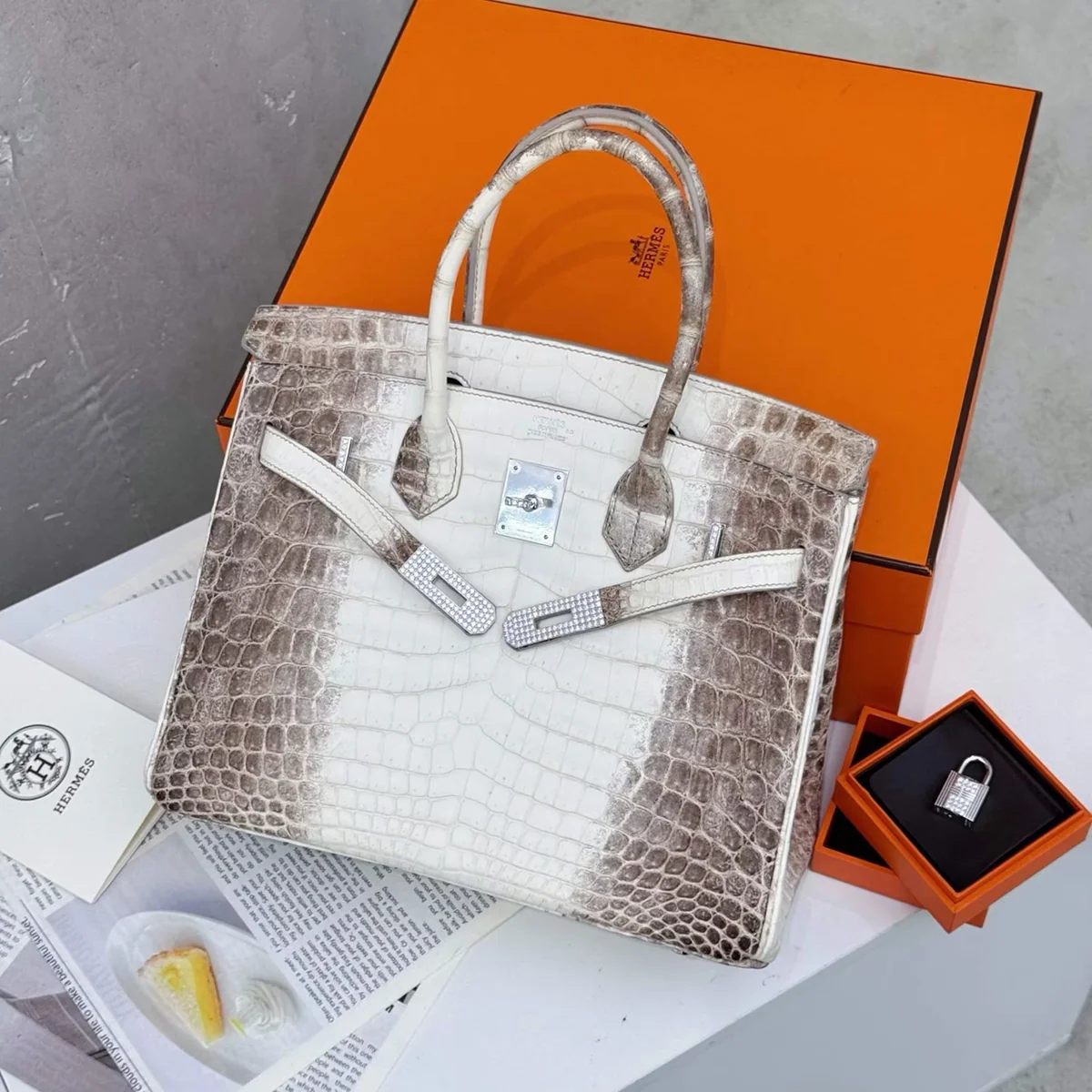
Hermès is the benchmark against which every other resale claim gets measured. The Birkin and Kelly are the two names doing most of the work — both handcrafted, both artificially scarce, both backed by a controlled distribution model that keeps secondary demand well above supply. Exotic skins (crocodile, alligator, lizard) push values further; a Himalayan Crocodile Birkin has sold at auction for well into six figures, making it one of the most expensive handbags ever traded. Even entry-level hardware and leather combinations in these two styles routinely sell above original retail on the resale market. The downside: getting one at retail requires purchase history with the brand, so most buyers enter through resale from the start.
Chanel #
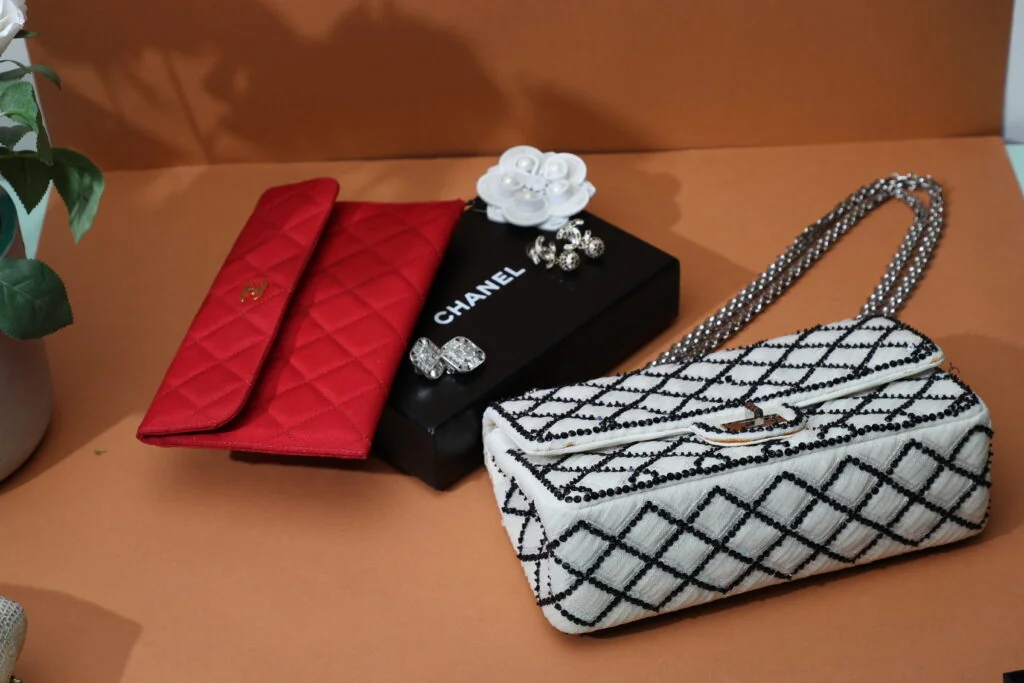
Chanel’s Classic Flap and 2.55 Reissue carry the brand’s DNA — quilted lambskin or caviar leather, the interlocking CC turn-lock, chain straps designed by Karl Lagerfeld to free women from handheld bags. Chanel has raised retail prices on these bags multiple times over the past several years, which has actually helped resale values climb in parallel, since older bags bought at lower retail prices become relatively more attractive. Condition and hardware color (gold ages better than silver in resale perception) matter more here than with Hermès.
Louis Vuitton #
Louis Vuitton doesn’t chase scarcity the way Hermès does, but its icons — the Speedy, the Neverfull, and especially collaboration pieces and vintage trunk-era bags — hold value well because of sheer brand recognition and the durability of coated canvas. Limited editions (Supreme collaborations, artist capsules) can spike sharply in resale but are more volatile than the brand’s core leather goods, since demand is trend-driven rather than craft-driven.
Dior #
Dior’s Lady Dior and Saddle bag benefit from strong archival relevance — both have been revived multiple times by successive creative directors, which keeps them culturally current instead of dated. The Lady Dior in particular has celebrity pedigree (Princess Diana) that gives it staying power similar to the Kelly’s royal association. Resale performance is solid but generally trails Hermès and Chanel by a meaningful margin.
Modern Luxury Powerhouses Worth Watching #
This tier holds value well but is more sensitive to creative director changes, marketing cycles, and broader fashion trends.
Gucci #
Under Alessandro Michele, Gucci saw a huge resale surge, particularly for the Dionysus and Marmont lines. That surge has cooled somewhat under the brand’s newer creative direction, which is a useful lesson: Gucci’s resale strength is more tied to a specific design era than to the house name itself. Buy pieces you’d want to keep regardless of what happens to hype.
Prada #
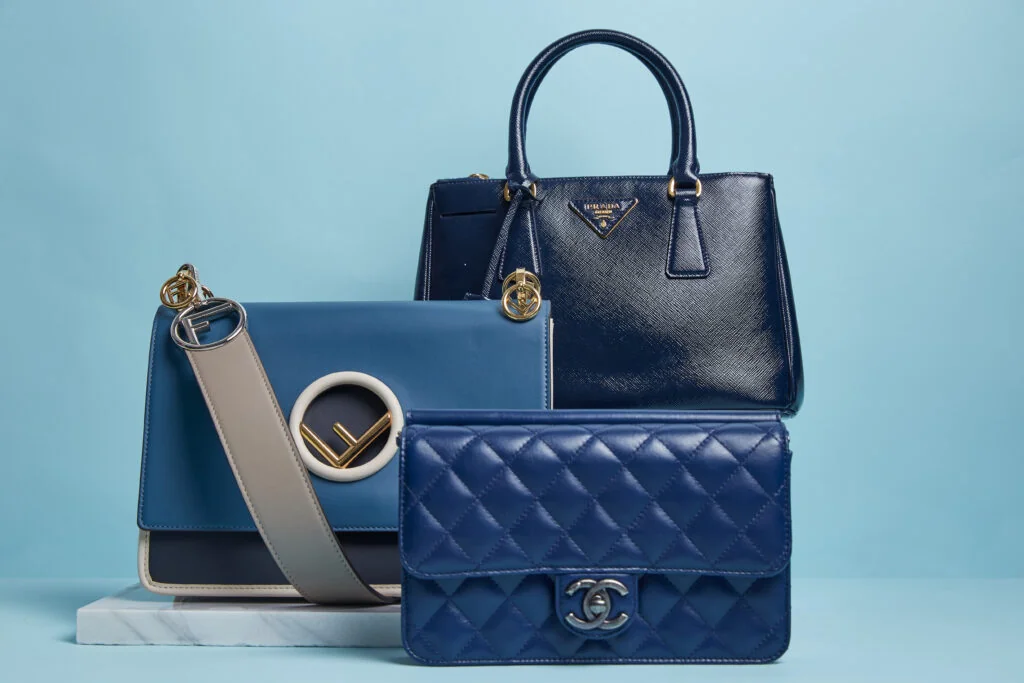
Prada’s Galleria and Re-Edition nylon bags have benefited from a broader “quiet luxury” shift away from logo-heavy pieces. The Re-Edition 2005 in particular went from a discontinued style to a genuine waitlist item after being reissued, which is a good case study in how a brand can manufacture scarcity from its own archive.
Fendi #
The Baguette remains Fendi’s strongest resale performer, helped enormously by its “Sex and the City” cultural footprint and periodic capsule reissues. Outside the Baguette, Fendi’s resale depth is thinner than Gucci or Prada’s.
Bottega Veneta #
Bottega’s intrecciato weave and the Andiamo and Jodie bags have built a strong reputation among buyers who prioritize craftsmanship over visible branding. Resale demand has grown quickly, but the brand has less resale history than the others in this tier, so long-term appreciation data is still thin.
Rising Stars: Emerging Names Gaining Investment Appeal #
Celine #
Under Hedi Slimane, Celine repositioned around minimalist, structured leather bags (the Triomphe, the Classic) that read as quiet-luxury staples rather than logo pieces. Resale demand has climbed steadily as the brand’s aesthetic has aligned with buyer fatigue over maximalist branding.
Saint Laurent #
The Sac de Jour and Kate bag have built consistent secondary demand, helped by relatively accessible entry price points compared to Hermès or Chanel. Saint Laurent’s resale story is less about explosive appreciation and more about reliability — bags that hold 60-70% of retail value over several years of normal use, which is respectable for this category.
Both brands carry more risk than the heritage tier: their resale strength is more recent and less tested across full economic cycles, so treat any specific appreciation percentage for them as provisional rather than proven.
Resale Value Comparison Table #
Figures below are approximate, based on aggregated resale platform listings and industry reporting; actual resale value depends heavily on condition, rarity of the specific model/material, and market timing.
| Brand | Flagship Model(s) | Typical Resale Retention (3-5 yrs) | Value Trend |
|---|---|---|---|
| Hermès | Birkin, Kelly | 100-150%+ of retail | Consistently appreciating |
| Chanel | Classic Flap, 2.55 Reissue | 80-100% of retail | Stable to appreciating |
| Louis Vuitton | Speedy, Neverfull | 60-80% of retail | Stable |
| Dior | Lady Dior, Saddle | 55-75% of retail | Stable |
| Gucci | Dionysus, Marmont | 45-65% of retail | Trend-sensitive |
| Prada | Galleria, Re-Edition 2005 | 50-70% of retail | Rising |
| Fendi | Baguette | 45-60% of retail | Stable (spikes on reissues) |
| Bottega Veneta | Andiamo, Jodie | 55-70% of retail | Rising, less tested |
| Celine | Triomphe, Classic | 50-65% of retail | Rising |
| Saint Laurent | Sac de Jour, Kate | 45-60% of retail | Stable |
For context, the Knight Frank Luxury Investment Index has shown rare Hermès pieces and select fine watches outperforming most other passion-investment categories, including classic cars and fine wine, over the past decade — though with far lower liquidity than public markets.
Where and How to Buy Authentic Pieces #
Authentication and condition grading #
Counterfeits are the single biggest risk to treating a handbag as an investment. Before buying secondhand:
- Check serial numbers and date codes against the brand’s known formats (Chanel switched from sequential sticker codes to a unique hologram/microchip system in recent years; Hermès stamps a blind date stamp inside most bags).
- Inspect stitching consistency, hardware weight, and leather grain — counterfeits usually cut corners on interior lining and stitch density.
- Get a third-party authentication (Entrupy, Real Authentication, or a reputable resale platform’s in-house team) for anything above a few hundred dollars, especially exotic skins.
- Understand condition grading: most resale platforms use tiers like “pristine/like new,” “excellent,” “good,” and “fair,” based on corner wear, hardware tarnish, and interior staining. A one-tier drop in condition can cut resale value by 15-30%.
Safe marketplaces #
Buy from authorized boutiques when possible for guaranteed authenticity, though this means accepting waitlists for the most in-demand pieces. For resale, stick to platforms with authentication guarantees and buyer protection — established consignment houses, dedicated luxury resale marketplaces, and reputable auction houses (Christie’s and Sotheby’s both run regular handbag sales). Avoid peer-to-peer marketplaces with no authentication layer unless you’re highly experienced or the seller offers a verifiable return policy. Keep original receipts, boxes, dust bags, and authenticity cards — they meaningfully affect resale price and make future authentication faster.
Frequently Asked Questions #
Which luxury handbag brand is best for resale? Hermès consistently leads, specifically the Birkin and Kelly in classic leathers and neutral colors. Chanel’s Classic Flap is the strongest runner-up with a longer track record than newer resale favorites.
How do I start collecting handbags as an investment? Start with one well-known, versatile model in a neutral color from a heritage brand rather than a trend piece. Buy the best condition you can afford, keep all original packaging, and resist limited editions until you understand how the core line performs in resale.
Do limited editions and collaborations hold value better? Sometimes they spike short-term, but they’re more volatile than core styles. Collaboration pieces depend on ongoing hype for the collaborator, which can fade. Classic, in-line styles tend to be the safer long-term hold.
Does condition really affect resale value that much? Yes. A bag in excellent condition with minimal hardware wear can sell for significantly more than the same model in good condition — often the difference between profit and loss on the original purchase.
How do handbags compare to art or watches as investments? All three are illiquid, passion-driven asset classes with no guaranteed returns and real authentication risk. Watches have more standardized secondary markets and price transparency; art has higher entry barriers but a longer institutional track record; handbags sit in between, with lower entry cost than either but a shorter proven history as an asset class.
Is buying a luxury handbag purely as an investment a good idea? Only if you’d also want to own and use the bag. Treat appreciation as a possible bonus, not a guarantee — the safest approach is buying pieces you genuinely value, in the best condition you can afford, from brands with a proven resale track record.
Related Articles #
- Classic and Chic Handbags: Timeless Style Icons
- 5 Limited Edition Designer Bags Worth Collecting
- Sell Designer Handbags in 2025: Get Paid More, Faster
- How Pre-Owned Luxury Fashion Is Reshaping the Industry
- Celebrity Handbags: What Designer Bags Do Stars Carry?
Related guides
- Online Bag Authentication: What Photos Can and Cannot Prove
- How to Authenticate a Chanel Bag: 10 Expert Checks
- Fake Goyard Bag Guide: How to Spot Real vs Fake (2026)
- How to Spot a Fake Chanel Flap Bag: Authentication Guide
- How to Buy an Authentic Luxury Bag from China Safely
- New vs Pre-Owned Luxury Bags: Which Route Is Right for You?
- Chanel Bag Guide: What to Know Before You Buy
- Luxury Bag Houses


Keyword index