Introduction #
I’ve handled hundreds of Chanel bags over the years, and I can tell you the fakes have gotten frighteningly good. Gone are the days when you could spot a counterfeit from across the room by its cheap zipper or crooked logo. Today’s replicas come with the right dust bag, a convincing hologram sticker, and sometimes even a serial number that scans as “real” on some third-party app. That’s exactly why relying on any single detail to authenticate a Chanel bag is a mistake.
The stakes here aren’t just about vanity. A classic Chanel flap has historically appreciated somewhere in the 10 to 15% annual range, which puts it in a different category than most fashion purchases. You’re not buying an accessory, you’re buying an asset. And assets need due diligence. I’ve built this guide around the physical, structural, and hardware checks I actually use when I’m evaluating a bag in person, plus the questions I get asked most often by people buying secondhand or vintage.
Key Points #
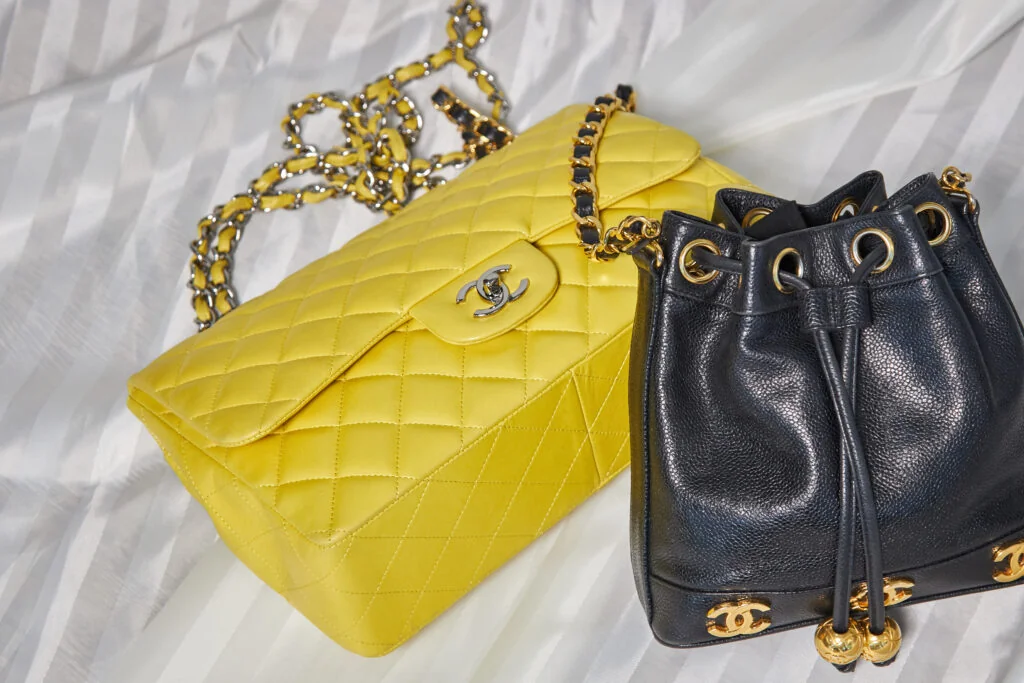
Before you get into the finer details, know the broad categories that matter. Authentication isn’t one test, it’s a cluster of smaller checks that need to agree with each other.
Leather quality and feel. Chanel uses lambskin and caviar leather almost exclusively for its classic lines. Lambskin should feel soft and slightly yielding, with a subtle sheen, never plasticky or waxy. Caviar leather has a pebbled, textured grain that should feel firm and slightly grippy, not smooth or rubbery. Age doesn’t kill this quality. I’ve handled 20-year-old lambskin flaps that still had that buttery hand feel, because good leather ages gracefully rather than degrading into stiffness or cracking.
Stitching density and quilting alignment. Genuine Chanel bags carry 10 to 12 stitches per inch. That’s a tight, consistent stitch that gives the quilting a crisp, slightly raised look without ever appearing puffy or lumpy. Check the back panel near the pocket first, since that’s a spot counterfeiters often rush. The quilting pattern, whether diamond, chevron, or square, should be centered symmetrically on the bag’s face, not shifted to one side.
Structure and silhouette. A real Chanel flap holds its shape. The flap sits flush against the base with no gapping or awkward overhang, corners are sharp rather than rounded or floppy, and the bag doesn’t look like it’s straining or sagging under its own hardware. This is one of those things you feel more than you see, which is exactly why in-person inspection (or a trusted authentication service with detailed photos) beats buying blind from a listing.
The interlocking CC logo. On an authentic bag, the right C crosses over the left C at the top of the logo, and the left crosses over the right at the bottom. The turnlock should sit dead center on the flap and rotate with a smooth, mechanical resistance, not a loose wobble or a stiff catch.
Hardware weight and finish. Chanel hardware has heft. Pick it up and it should feel substantial, not hollow or light. The gold or silver plating should be even, without visible brassing, discoloration, or a coating that looks painted on rather than plated.
Analysis and Insights #
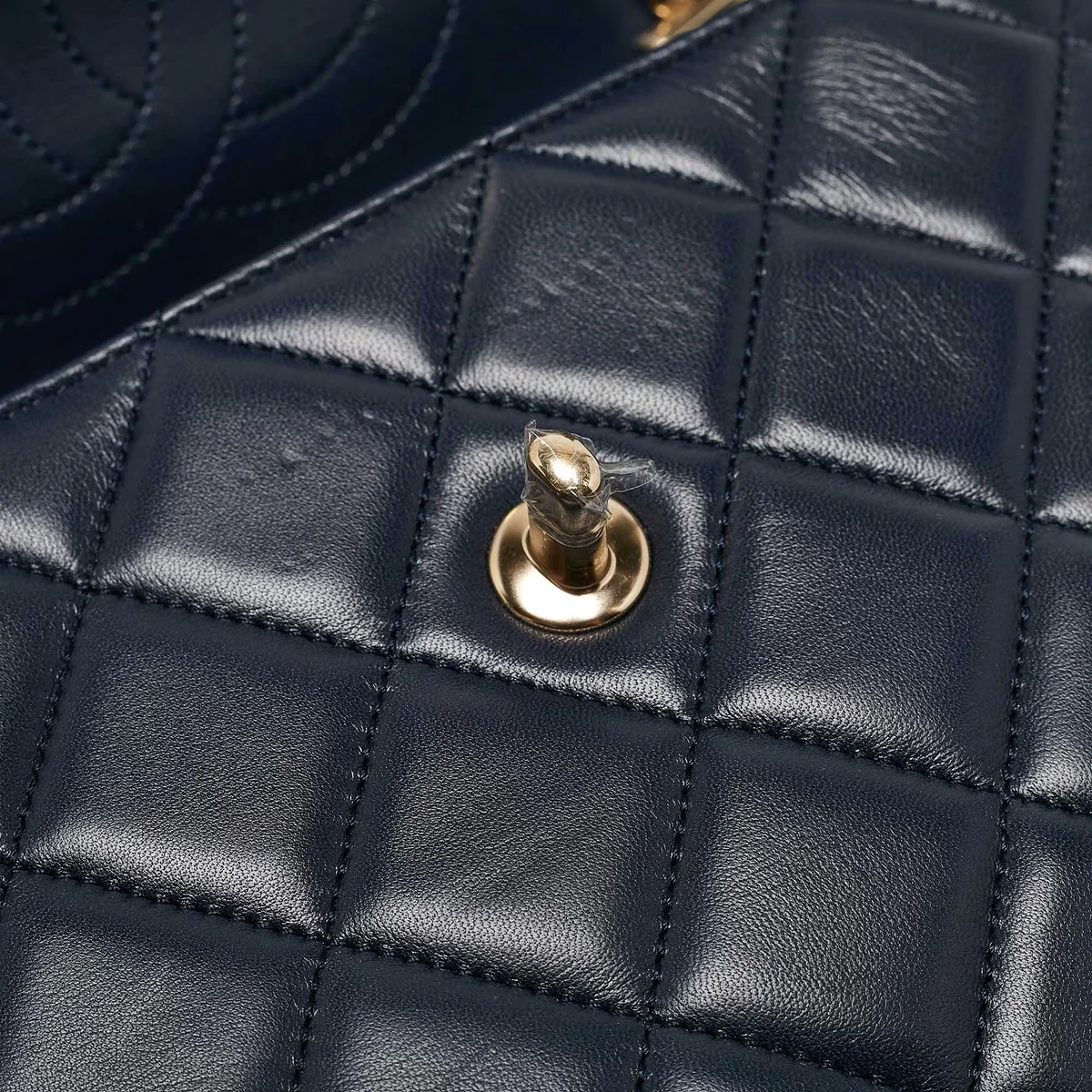
Here’s what most authentication guides get wrong: they treat each check as pass or fail, when in reality you’re building a case. I’ve seen fakes nail the stitch count but fail on hardware weight. I’ve seen others get the leather almost right but botch the CC lock’s rotation. Counterfeiters specialize now. Some factories are excellent at leather sourcing, others focus entirely on replicating hardware finishes. That’s why a bag needs to pass on every front, not just the one or two checks that happen to be easy to fake.
A scenario I run into constantly: a client finds a “vintage Chanel” at an estate sale or consignment shop, structurally gorgeous, patina exactly right, but the interior serial sticker is scuffed beyond reading. People panic and assume the missing serial number kills the deal. It doesn’t, necessarily. Chanel switched from serial stickers to microchips embedded in newer bags, and plenty of legitimately vintage pieces have degraded or peeling stickers simply from decades of handling. The leather, stitching, and hardware checks matter more here than a single sticker that time has worn down.
On the flip side, I’ve seen beautifully aged bags with a suspiciously crisp, perfectly legible serial sticker that looked freshly applied, on a bag claiming to be from the 1990s. That mismatch, pristine sticker paired with genuinely worn leather and hardware, is itself a red flag worth investigating further, because stickers can be forged and swapped onto an otherwise real (but mismatched) shell, or the whole thing is a well-aged fake with a printed sticker added for confidence.
The industry context worth knowing: Chanel has tightened its supply chain and store verification processes considerably in the last few years, partly in response to counterfeiting sophistication. That’s pushed more buyers toward the resale market, where authentication is entirely on you or your reseller. Reputable resale platforms and consignment houses now employ dedicated authenticators who go through this exact multi-point process, which is part of why buying from a vetted secondhand marketplace, rather than a random online marketplace listing, is worth the premium in peace of mind.
Daily use also tells you something about authenticity and quality that a static inspection won’t. Real caviar leather resists scratches from daily wear far better than the stiffer, glossier leather used in most fakes, which tends to show white creasing at stress points within months. If you already own the bag and are second-guessing it, watch how it behaves after a few weeks of actual use. Genuine hardware plating holds its finish through normal friction with clothing and skin oils; cheap plating starts flaking or dulling noticeably fast.
Investment Value Analysis #
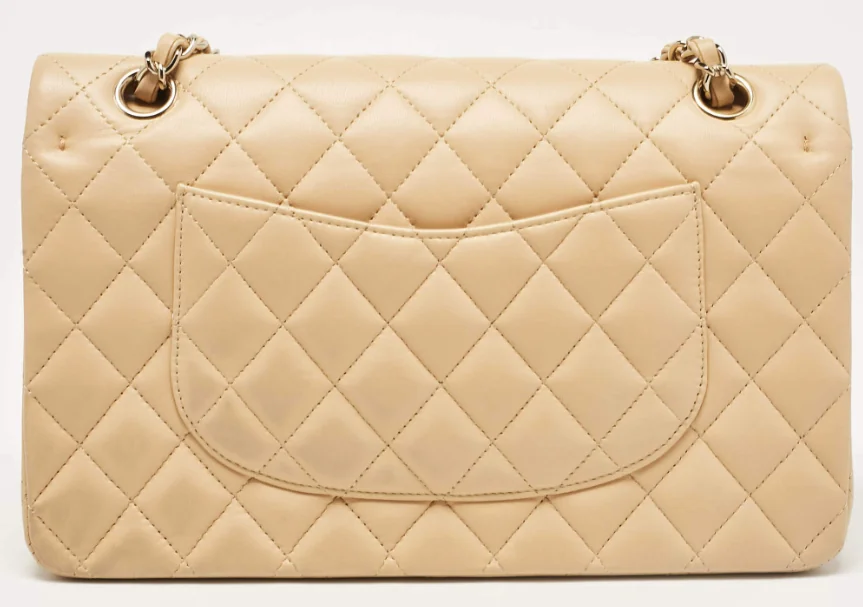
Let’s talk numbers, because this is where authenticity and investment value are inseparable. A verified authentic [[[Chanel Classic Flap](/buying-guides/designer-must-have-bags/)](/buying-guides/chanel-flap-bag-buying-guide/)](/buying-guides/vintage-chanel-finds-top-picks/) in good condition has consistently outperformed a lot of traditional luxury assets over the past decade, with resale values on sought-after sizes and colorways (black caviar with gold hardware remains the benchmark) often exceeding original retail once you go back a few years, thanks to repeated price increases from Chanel itself.
But that appreciation curve only applies to bags that pass authentication with a paper trail. A fake, no matter how convincing, has zero resale value beyond what you could get selling it as a “replica,” which is functionally worthless in the resale market and, depending on where you live, illegal to sell knowingly. Even an authentic bag with unclear provenance, no receipt, no box, no card, sells at a discount compared to one with full documentation, because buyers factor in their own authentication risk and cost.
My honest take on investment strategy: condition matters almost as much as authenticity for resale value. Corners that have been re-dyed, hardware that’s been re-plated, or leather that’s dried out from improper storage all chip away at resale price even on a genuine bag. If you’re buying with resale in mind, prioritize classic colorways and hardware combinations over trend colors or limited editions, since the classics have the deepest resale market and the most predictable appreciation. Limited editions can spike in value short-term but the market for reselling them is thinner and less liquid.
One downside worth being honest about: this appreciation narrative gets used as a sales pitch constantly, and it oversells the certainty of returns. Values can plateau or dip depending on Chanel’s own pricing strategy, shifts in resale platform fees, and broader luxury market sentiment. Treat the appreciation potential as a genuine upside, not a guarantee, and buy a bag you’d actually want to carry even if the market cooled.
Conclusion #
Authenticating a Chanel bag isn’t about memorizing one clever trick, it’s about cross-checking leather feel, stitch density, structural integrity, logo mechanics, and hardware quality until they all tell the same story. When something feels off in one area, it’s rarely isolated, so trust that instinct and dig further rather than talking yourself out of a concern. If you’re not fully confident after your own inspection, a professional authentication service or a reputable consignment platform is worth the fee, especially given what’s financially at stake with a piece expected to hold or grow in value.
FAQ
Can a fake Chanel bag have a real serial number or hologram sticker? Yes. Counterfeiters have gotten skilled at replicating or even sourcing stolen serial stickers, so a matching number alone doesn’t confirm authenticity. Use it as one data point among many, not the deciding factor.
Does a missing or damaged serial sticker mean the bag is fake? Not necessarily. Older vintage bags can have worn, peeling, or missing stickers simply from age and handling. Weigh this alongside leather quality, stitching, and hardware rather than treating it as an automatic disqualifier.
Is caviar leather or lambskin a better bet for everyday use and resale? Caviar leather resists scratches and water better, making it more forgiving for daily use and generally easier to resell in good condition. Lambskin is softer and more luxurious to the touch but shows wear faster, which can affect resale value if not cared for carefully.
How much should I budget for professional authentication? Independent authentication services typically charge a modest flat fee per item, which is minor compared to the price of the bag itself and can save you from a costly mistake on a high-value purchase.
Related Articles #
- Replica vs Pre-Owned Bags: Which Is the Smarter Buy?
- How to Authenticate a Balenciaga Bag: Spot Fakes Fast
- How to Spot a Fake Burberry Bag: Full Guide
- How to Spot a Fake Gucci Bag: 9 Expert Tips
- 10 Best Designer Handbags Worth the Investment (2026)
Related guides
- Online Bag Authentication: What Photos Can and Cannot Prove
- Fake Goyard Bag Guide: How to Spot Real vs Fake (2026)
- How to Spot a Fake Chanel Flap Bag: Authentication Guide
- How to Spot a Fake Hermès Birkin: Expert Checklist
- How to Buy an Authentic Luxury Bag from China Safely
- New vs Pre-Owned Luxury Bags: Which Route Is Right for You?
- Chanel Bag Guide: What to Know Before You Buy
- Luxury Bag Houses


Keyword index