Introduction#
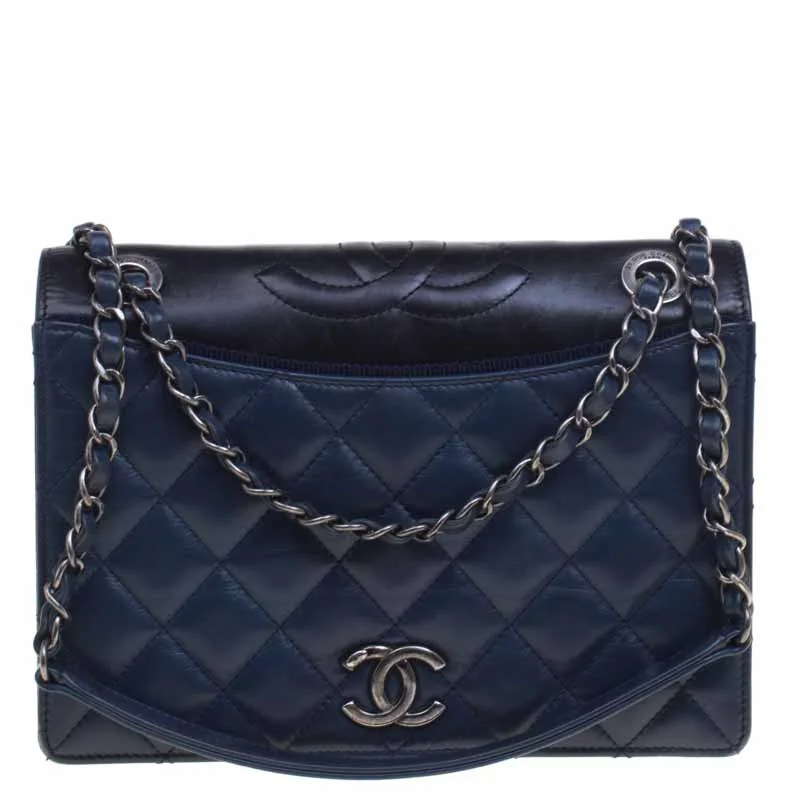
The Chanel Flap Bag has survived nearly seven decades of fashion cycles without losing an ounce of relevance, and that staying power is exactly why it’s the single most counterfeited handbag in luxury resale. The quilted lambskin or caviar leather, the interlocking CC turnlock, the chain-and-leather strap Coco Chanel reportedly designed so women could finally free their hands: every element of this bag has been studied, photographed, and reverse-engineered by counterfeit workshops for years. Some of the fakes circulating now are genuinely impressive. I’ve had bags cross my desk that fooled me for the first ten seconds, and I’ve been authenticating handbags professionally for a long time.
That’s the uncomfortable truth buyers need to hear before dropping five figures on a bag: a good photo, a “trusted seller,” or even a physical boutique receipt from a reseller isn’t proof of anything on its own. Authenticity comes down to construction details that counterfeiters consistently get wrong, even when everything else looks convincing. This guide walks through exactly what I check, in the order I check it, when someone hands me a Chanel Flap Bag and asks, “is this real?”
Hardware and Logo Details to Inspect#
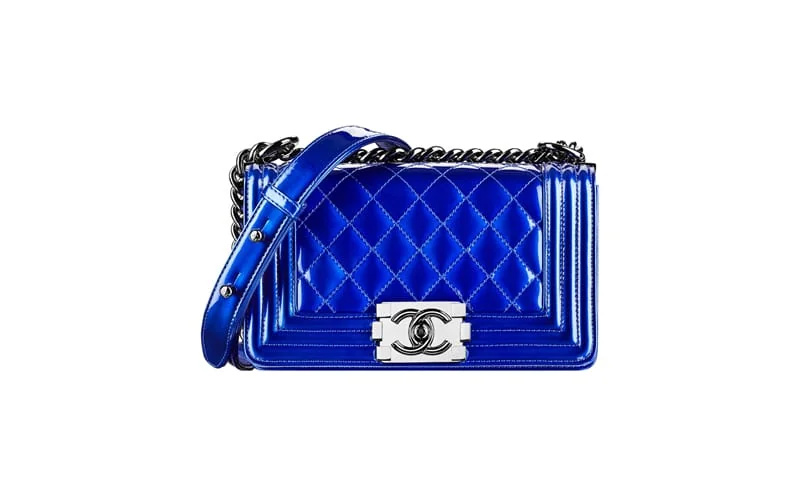
Hardware is where most fakes fall apart under close inspection, because it’s expensive and difficult to replicate precisely. Counterfeiters cut corners here more than almost anywhere else on the bag.
Start with the CC turnlock. On an authentic bag, the right C overlaps the left C at the top, and the left C overlaps the right C at the bottom — the two Cs are mirror images of each other, interlocking symmetrically. Fakes frequently get the overlap backwards or make both Cs identical, which is a dead giveaway once you know to look for it. The lock should also sit perfectly centered on the flap, not shifted left or right. I’ve seen replicas with locks that are noticeably off-center, which tells you the tooling used to attach the hardware wasn’t precise.
Look at the edges of the lock itself. Authentic Chanel hardware has a flat, slightly squared edge with a crisp finish. Replica hardware tends to be rounded and softer at the edges because the casting process is cheaper and less exact. Flip the bag open and check the back of the lock mechanism: genuine bags have “CHANEL” engraved on the left screw plate and “PARIS” on the right, in a clean, evenly weighted font. Blurry, uneven, or misspelled engravings are common on fakes, even good ones.
The chain strap deserves its own inspection. Authentic Chanel chains have a substantial weight to them — they don’t feel tinny or hollow when you lift the bag. Where the chain links attach to the bag’s hardware rings, the connection should be tight with no visible gaps or solder marks. For the leather-woven sections, construction has changed over the decades: bags made before roughly 2008 have no stitching where the leather threads through the chain, while post-2008 styles typically show stitching on only one side of the interwoven leather. If you see stitching on both sides of an older-style chain, or none at all on a bag claiming to be recent, that’s a red flag worth pursuing further.
One caveat: hardware finish and plating (gold, silver, ruthenium) have shifted across seasons, so don’t assume a bag is fake just because the tone looks different from a reference photo online. Match it to the specific line and year, not to Chanel as a general brand.
Serial Numbers and Authenticity Documentation#
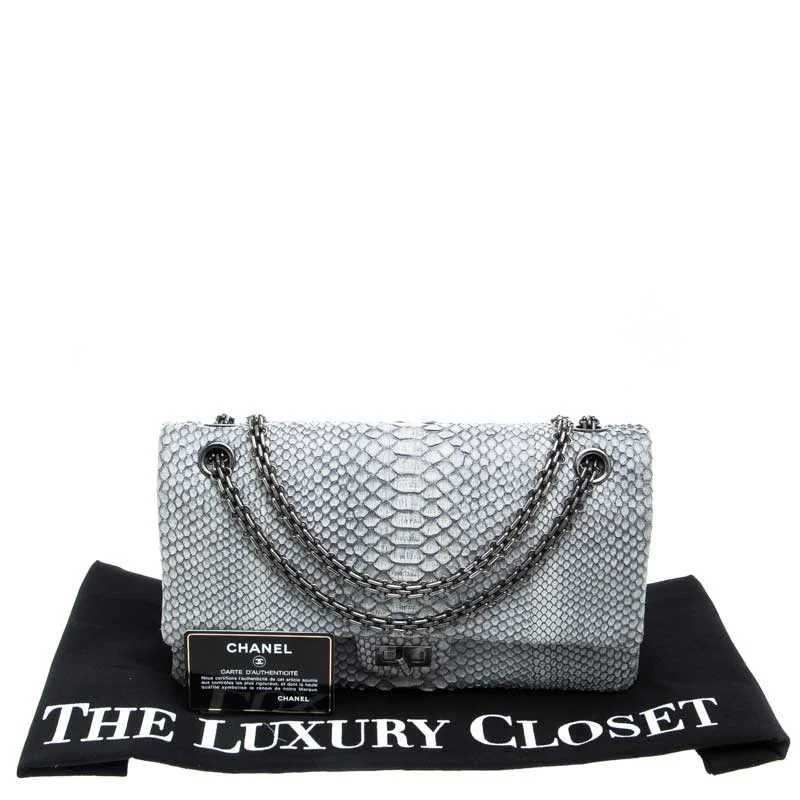
Every authentic Chanel bag carries a serial number, historically found on a small sticker inside the interior lining (often under a flap or in a side pocket), paired with an authenticity card that should show the identical number. This is a useful check, but I want to be honest about its limits: counterfeiters have gotten very good at replicating both the sticker and the card, sometimes using real serial numbers pulled from other authentic bags. A matching serial number is a good sign, not a guarantee.
That said, here’s what to check. The number on the interior sticker must match the number printed on the authenticity card exactly, digit for digit. The card itself should have a gold foil border that shifts and reflects light in a specific way when tilted; on fakes, that same foil often throws off a slightly rainbow or flat sheen instead of a clean gold reflection. The card stock should feel substantial, not flimsy, and the printing should be sharp with no blurring around the text.
Format matters too. Chanel’s serial numbering system has changed several times over the decades, moving from shorter six and seven-digit codes to longer formats as production scaled. If a seller tells you a bag is from a specific era but the serial number format doesn’t match what was in use during that period, that’s a discrepancy worth investigating rather than dismissing.
Also worth knowing: Chanel shifted away from the traditional sticker-and-card system in 2021, replacing it with a microchip embedded in the bag for authentication in many markets. If you’re looking at a newer bag with an old-style card and sticker, or an older bag with a chip it shouldn’t have, the documentation doesn’t match the timeline — and that mismatch tells you more than the serial number itself does. When in doubt, treat the card as supporting evidence, not the deciding factor.
Leather, Stitching, and Craftsmanship Clues#
This is where hands-on experience matters more than any checklist, because it’s about how the bag feels, not just how it looks in photos.
Authentic caviar leather has a distinct pebbled texture with a slightly waxy, structured hand — it holds its shape and resists creasing the way soft lambskin does. Run your fingers across it and the grain should feel consistent and fine, not blown up or artificially textured, which is common on lower-grade fakes trying to mimic the caviar finish. Lambskin, by contrast, should feel genuinely soft and slightly slouchy, with a natural sheen rather than a plasticky shine.
The tufted diamond quilting is the bag’s signature, and it’s also one of the fastest ways to spot a poorly made counterfeit. On a real Flap Bag, the diamonds are uniform in size and perfectly aligned across every panel, meeting cleanly at the seams with no puckering or distortion. I look specifically at where the quilting wraps around the corners and the gusset — that’s where cheap construction shows itself first, with diamonds that shrink, stretch, or go crooked to accommodate the shape. On an authentic bag, the pattern holds its geometry even around curves.
Stitching consistency is the other tell. Authentic Chanel stitching is tight, even, and virtually invisible unless you’re looking for it, with no loose threads, skipped stitches, or visible glue residue at the seams. Turn the bag over and check the underside of the flap and the base — quality control on genuine bags extends to areas that aren’t immediately visible, whereas replicas often cut corners exactly where they assume no one will look.
Finally, check the interior lining and the stamping. The lining should sit snugly against the interior structure with no bubbling, looseness, or visible adhesive. The embossed “CHANEL” stamp inside should match the tone of the exterior hardware — gold stamp with gold hardware, silver with silver — and the lettering should be crisp, evenly spaced, and centered. A blurred, off-color, or misaligned stamp is one of the more reliable indicators I use, because it’s a detail counterfeiters frequently overlook even when they’ve nailed the exterior.
Where and How to Buy Authentic Chanel Safely#
The safest purchase is still a Chanel boutique or the brand’s own website, but resale is where most collectors actually shop, and it’s where the risk lives. A few practical rules I follow myself.
Buy from resellers who authenticate in-house with named specialists or use recognized third-party authentication services, and who will show you clear, close-up photos of the hardware, serial sticker, and interior stamping before you commit. Vague, low-resolution listing photos are a warning sign regardless of how reputable the platform sounds. If you’re buying in person, ask to handle the bag under good lighting and take your time on the CC lock, the corners of the quilting, and the interior stamping — a legitimate seller won’t rush you through this.
For higher-value or vintage pieces, it’s worth paying for independent third-party authentication (services like Entrupy, Real Authentication, or a similarly established authenticator) before finalizing a purchase, especially if you’re buying privately or from a platform without in-house vetting. It typically costs a fraction of the bag’s price and it’s the closest thing to an insurance policy you’ll get. I’d also flag pricing as a signal: a Classic Flap listed well below current resale averages for its size and material is either a genuine bargain from someone who doesn’t know what they have, or it isn’t authentic. In my experience, it’s rarely the former.
One honest downside worth naming: even seasoned authenticators occasionally disagree on borderline cases, particularly with older vintage bags where construction details shifted year to year. If a bag can’t be authenticated with confidence, walk away rather than talk yourself into it.
Frequently Asked Questions#
Can a Chanel bag be authentic without an authenticity card? Yes. Cards get lost or separated from bags over time, and Chanel’s documentation system has changed more than once, including the 2021 shift to microchip authentication in many markets. A missing card isn’t proof of a fake, but it does mean you should lean more heavily on hardware, stitching, and professional authentication.
Is the serial number enough to confirm a bag is real? No. Serial numbers matching between the sticker and card are a good sign, but counterfeiters have replicated both convincingly, sometimes using real numbers copied from authentic bags. Treat it as one data point among several, not a final verdict.
What’s the fastest way to spot a fake Chanel Flap Bag? Check the CC lock overlap first. The right C should overlap on top, the left C on the bottom, mirrored and centered on the flap. It’s the single most consistent giveaway I see, and it takes seconds to check.
Does buying from a well-known resale platform guarantee authenticity? It significantly reduces risk if the platform has in-house authentication, but it doesn’t guarantee it. Ask what authentication process was used and whether you can get an independent second opinion before finalizing a high-value purchase.
Does authenticating a bag before buying affect its [resale value](/buying-guides/sneaker-trends-2025-styles-worth-the-hype/) later? It generally helps. A documented authentication report, especially from a recognized third-party service, gives future buyers more confidence and can support your resale price down the line.
Are vintage Chanel Flap Bags harder to authenticate than new ones? Yes. Construction details, hardware finishes, and serial formats shifted across decades, so a checklist built for current production won’t always apply cleanly to a bag from the 1990s. Vintage pieces usually warrant professional authentication rather than a self-check alone.
Related Articles#
- 5 Most Popular Chanel Bags You Need to Know
- Designer Handbag Trends 2025: What’s Actually Worth Buying
- Replica vs. Pre-Owned Bags: The Smarter Buy?
- Why the Chanel Crossbody Bag Never Goes Out of Style
Related guides
- Online Bag Authentication: What Photos Can and Cannot Prove
- Fake Goyard Bag Guide: How to Spot Real vs Fake (2026)
- How to Spot a Fake Hermès Birkin: Expert Checklist
- How to Spot a Fake Hermès Bag: Authentication Guide
- How to Buy an Authentic Luxury Bag from China Safely
- New vs Pre-Owned Luxury Bags: Which Route Is Right for You?
- Chanel Bag Guide: What to Know Before You Buy
- Luxury Bag Houses


Keyword index