Introduction: Why Limited Edition Bags Outclass Any It-Bag#
There is a specific kind of dread that sets in when you spot the same bag — the one you saved for, hunted down, justified with elaborate personal logic — on three different shoulders in a single afternoon. It happens with every It-bag, eventually. The [Chanel Classic Flap](/vintage-chanel-finds-top-picks/) is gorgeous. It is also ubiquitous. The Celine Luggage had a moment. That moment has passed.
Limited edition designer bags operate on a different logic entirely. They were never meant for mass consumption, and the market knows it. The pieces explored in this guide were produced in small quantities, tied to a specific artistic vision or anniversary, and have not been reprinted. That scarcity is not a marketing illusion — it is structural. And it changes everything about how these bags behave in the resale market, how they age culturally, and why serious collectors prioritise them over any seasonal release.
That said, rarity is not the same as wisdom. Sourcing any of the bags in this guide will require patience, due diligence, and a realistic budget. Several are near-impossible to find in pristine condition; others surface occasionally at auction but carry price volatility that makes them poor investments for anyone expecting predictable returns. This guide will be honest about both sides. The goal is to help you decide which of these pieces is genuinely worth pursuing — and which you should admire from a distance.
What Actually Makes a Bag ‘Limited Edition’#
The phrase “limited edition” is one of the most abused terms in luxury retail. Before committing serious money to any piece marketed this way, it is worth understanding what the label can and cannot guarantee.
Brand exclusives and capsule drops are produced in deliberately restricted quantities, often tied to a specific season, event, or geographic market. These are the cleanest definition: the brand acknowledges the limitation, the run ends, and the bag disappears from retail permanently. Chanel’s collaboration pieces and the Hermès anniversary releases discussed below fall into this category.
Artist collaborations are a specific subset of brand exclusives where the creative brief extends beyond the house’s own atelier. Louis Vuitton’s long programme of artist partnerships — beginning in earnest with Stephen Sprouse in 2001— is the canonical example. These pieces carry dual provenance: the house’s craftsmanship and the artist’s cultural cachet. When the artist’s market rises, so does the bag’s collectibility.
Vintage discontinued styles are limited by survival rather than intention. The Kenzo Pagodon Tote was never marketed as rare; it simply stopped being produced, and attrition has done the rest. These pieces require more authentication work because the original documentation is often absent, but they can represent genuine value for collectors willing to research.
What to watch for in marketing claims: A bag described as “limited” without a stated production number, a defined retail period, or a verifiable launch context may simply be a slow seller repackaged. Cross-reference any purchase with contemporaneous press coverage, runway notes, or auction house records before treating the premium as justified.
Chanel’s Rarest: Pearls, Sketches and the Bags That Got Away#
Chanel produces limited edition pieces with some frequency, but only a handful genuinely hold their mystique a decade after release. The two below are among the most referenced — and the most difficult to source in acceptable condition.
Chanel Black Pearls Obsession Bag#
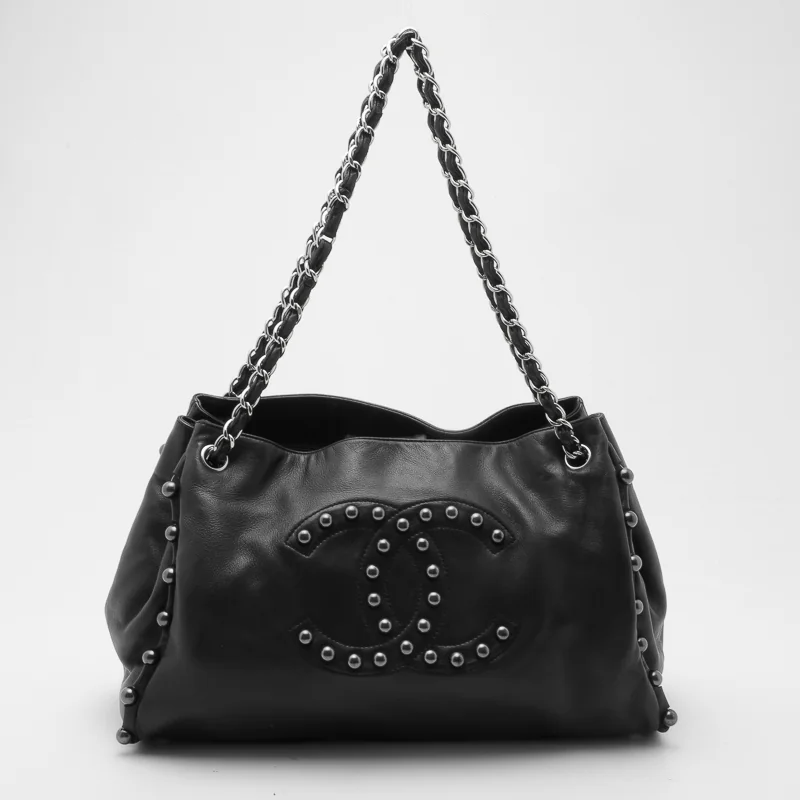
Chanel has always understood that a single unexpected material can redefine a silhouette entirely. The Black Pearls Obsession Bag is the clearest proof of that thesis. Built on a structured tote form — the kind of shape Chanel executes with effortless authority — the bag combines matte black leather with a cascade of black pearls that functions simultaneously as embellishment and hardware. The result is neither precious nor overwrought. It is, in Chanel’s own vocabulary, both elegant and aggressive.
What makes this piece genuinely collectible rather than merely memorable is the specificity of its vision. The pearls are not an afterthought; they are load-bearing to the design. Remove them and the bag loses its entire identity. That specificity is exactly why so few comparable Chanel pieces exist, and why the Black Pearls Obsession commands the premium it does on the secondary market.
The honest assessment: Condition is a serious concern. Black leather against pearls is a formula for contact wear over time, and bags that have been stored incorrectly show it quickly — scuffing at the pearl contact points and leather softening around the handles. Any piece you consider should be examined closely at the closure, the base corners, and the area directly beneath the pearl detailing. A bag in genuinely excellent condition is rare even among this rare category.
Authentication priority: Verify the CC clasp hardware, the interior quilting consistency, and the hologram sticker authenticity number against Chanel’s production records through an accredited authentication service.
Chanel Limited Edition Karl Lagerfeld Sketches Classic Flap#
There are Chanel bags, and there are Chanel artefacts. The Karl Lagerfeld Sketches Classic Flap is firmly the latter. Produced during Lagerfeld’s tenure and featuring hand-sketch illustrations that reference both his personal aesthetic vocabulary and the house’s heritage, this is a piece that carries the weight of two creative legacies simultaneously.
The base structure is the Classic Flap — arguably the most legible form in luxury handbag history — but the sketch detailing transforms it into something closer to a signed print than a functional accessory. That is not a criticism; it is a characterisation that should inform how you think about ownership. This is a collector’s piece in the truest sense, not a bag you will rotate through a working wardrobe.
The honest assessment: Extremely rare is not an overstatement. The Sketches Flap surfaces at major auction houses infrequently, and when it does, bidding is aggressive. Condition varies significantly because many previous owners, recognising its value, stored it rather than carried it — which sounds ideal but can mean aging leather and degraded hardware if storage was not optimal. Provenance documentation here is not optional; it is essential.
Authentication priority: The sketch detailing itself should be consistent and clean — irregularity in the illustration lines is a significant red flag on counterfeit pieces. Verify the chain hardware gold or silver consistency, the Chanel Paris interior stamp, and the authenticity card serial number against the hologram sticker inside the bag.
When Art Meets Monogram: Louis Vuitton’s Standout Collaborations#
Louis Vuitton’s artist collaboration programme has produced some of the most culturally significant pieces in secondary luxury market history. The formula is now so well established that it is easy to forget how genuinely disruptive it was when Marc Jacobs initiated it: bringing contemporary artists into dialogue with one of fashion’s most recognisable surface patterns, the LV [monogram canvas](/louis-vuitton-neverfull-insider-retail-story/), created objects that existed in the space between fashion and fine art.
The Spring/Summer 2008 collection, partly conceived in response to Richard Prince’s Nurse Paintings series, produced one of the programme’s most distinctive pieces.
Louis Vuitton Limited Edition Richard Prince Watercolor Papillon (Aquarella)#
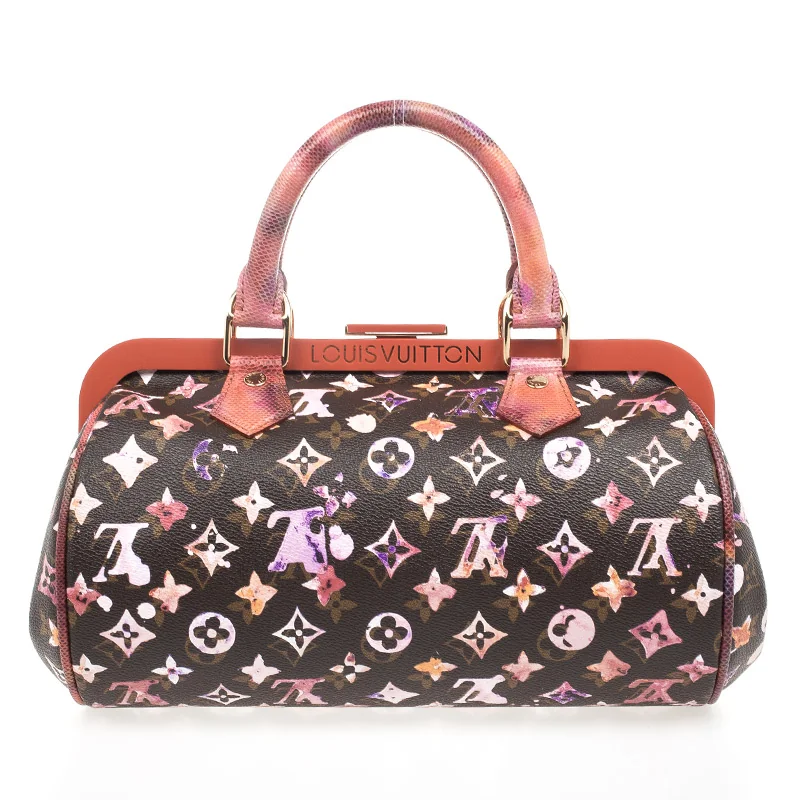
The Papillon is one of Louis Vuitton’s most enduring silhouettes — a cylindrical barrel bag that has been part of the house’s permanent lineup for decades. What Richard Prince’s collaboration did was fundamentally recontextualise it. The classic monogram canvas was brushed over with translucent watercolour washes in muted, layered tones, referencing the gestural quality of Prince’s own appropriationist painting practice. The result is a bag that looks, at a glance, like a water-damaged vintage piece — and then, on closer inspection, like a work of deliberate visual intelligence.
This was not the first time LV had applied paint to canvas. But Prince’s specific cultural position in2008 — riding the peak of his critical and commercial reputation — gave the collaboration a provenance that has aged particularly well. The Aquarella Papillon is cited consistently in luxury auction catalogues as a reference piece for the programme.
Collectibility context: Within Louis Vuitton’s collaboration history, the Richard Prince pieces sit alongside the Stephen Sprouse graffiti series and the Takashi Murakami multicolore line as foundational texts. Unlike the Sprouse and Murakami pieces, however, the Prince collaboration was smaller in scale and has achieved less mainstream recognition — which, paradoxically, makes it more interesting to serious collectors and slightly less liquid in the mass resale market.
The honest assessment: The watercolour application means condition assessment requires specialist attention. Any cracking, flaking, or colour inconsistency in the paint layer significantly affects value. The canvas beneath should show normal LV durability; it is the paint surface that requires scrutiny.
Vintage and Under-the-Radar Finds Worth the Hunt#
Not every collectible limited edition bag carries a Chanel or Hermès label. Some of the most rewarding pieces for knowledgeable collectors come from houses that operated at the intersection of fashion and craft at a specific historical moment — and then moved on, leaving their early work to appreciate quietly in the secondary market.
Kenzo Pagodon Tote (1998)#
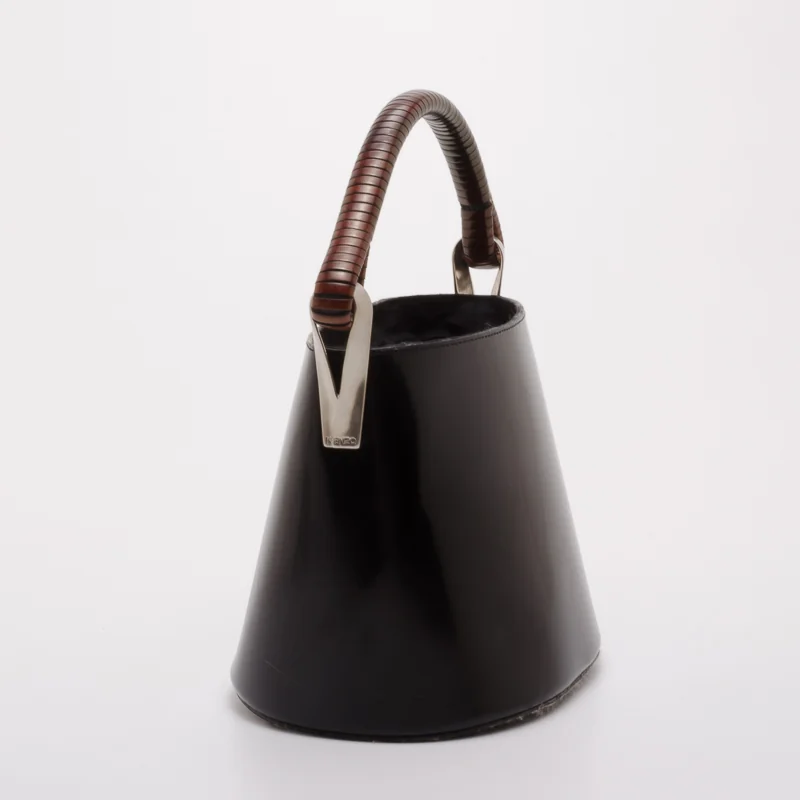
Kenzo Takada built his house on exactly this kind of cultural fusion: the Pagodon Tote, introduced in 1998, draws simultaneously from Southeast Asian pagoda architecture and Japanese craft traditions, rendered in sleek black leather with a distinctive round silhouette and a leather-wrapped handle that grounds the design without domesticating it. As a bucket bag, it is genuinely functional — a quality that often gets overlooked in discussions of collectible pieces, but matters for wearability and therefore for long-term value.
What makes the Pagodon interesting from a collector’s perspective is its specificity. This is not Kenzo’s generic ready-to-wear-adjacent accessories; it is a piece with a clear design concept executed at a particular point in the house’s creative history, before the brand’s subsequent ownership changes shifted its direction. Early Kenzo accessories from this period are consistently undervalued relative to their design quality and rarity.
The honest assessment: The Pagodon is genuinely hard to find, but less so than the Chanel or Hermès pieces in this guide. That said, authentication resources are thinner — there is no centralised Kenzo authentication programme — which means condition and provenance documentation become more important. Original tags, receipts, or dust bags from the period are a meaningful advantage when assessing a potential purchase.
Why this might be a smarter pick: For collectors with a limited budget working in the rare bag space, the Pagodon represents a less competed category. You are not bidding against hedge fund collectors on this one.
Hermès Vinyl Kelly — “Un Voyage au Pays des Merveilles” (1998)#
Few bags carry a story as precisely documented as the orange vinyl Kelly produced by Hermès in 1998. Created in very limited quantities to mark the house’s 160th anniversary — and tied specifically to the celebratory exhibition held at Hermès’s newly opened Japan store — this piece is functionally a commemorative object that happens to be an exceptionally well-made bag.
The orange vinyl construction is deliberately playful and deliberately Hermès: the house orange, rendered in an unexpected material, inscribed with the phrase “Un voyage au pays des merveilles” — a trip to wonderland. For a brand that trades primarily in leather of extraordinary quality, the choice of vinyl is a statement of self-confidence. We can afford to play, because we are already the best at the serious version.
The Kelly silhouette itself — with its structured trapezoid form, postillionstrap, and turn-lock closure — is one of the most studied shapes in luxury bag history. The vinyl interpretation does not diminish it. If anything, the contrast between the iconic form and the unexpected material is precisely the source of the piece’s enduring appeal.
The honest assessment: The vinyl material is both the piece’s distinction and its greatest condition vulnerability. Vinyl degrades differently from leather — it can yellow, crack, or develop surface cloudiness with age and UV exposure. Any piece you consider should be examined carefully for material integrity, particularly at the corners and closure area. Given that many of these bags have been stored for over two decades, condition ranges enormously.
Why this is worth pursuing: The dual provenance — anniversary commemorative plus Japan-exclusive release — gives this bag an exceptionally specific story that resonates with both Hermès collectors and cultural-object collectors. That breadth of collector appeal is genuinely unusual.
Authentication and Condition: What to Check Before You Buy#
Purchasing any of the bags in this guide on the secondary market without authentication is not a calculated risk — it is a poor decision. The premium these pieces command makes them attractive targets for sophisticated counterfeiters, and the limited nature of production means there are fewer reference pieces to compare against.
General Authentication Framework#
Use accredited third-party services. For Chanel, Hermès, and Louis Vuitton pieces, services such as Entrupy, Real Authentication, and Authenticate First provide written authentication certificates that should be standard on any high-value resale transaction. For vintage pieces like the Kenzo Pagodon, specialist vintage authentication dealers who can provide documented provenance research are preferable.
Hardware tells the truth. On limited edition pieces, hardware quality and finish should be consistent with the house’s standard production — often exceeding it. Look for engraving sharpness, plating consistency, and movement quality on closures. On Chanel, the CC clasp should have precise, evenly weighted arms. On Hermès, the turn-lock palladium or gold hardware should show no tarnishing inconsistency.
Interior stampings and date codes. Every authentic Chanel bag carries a hologram sticker with a serial number that corresponds to an authenticity card. LV pieces carry date codes embossed into the lining or leather tab that indicate production location and date. Hermès pieces are stamped with a craftsperson’s blind stamp and a year letter code. If any of these are absent, inconsistent, or difficult to read, treat it as a red flag.
Stitching count and thread quality. On Chanel Classic Flaps, stitch count per inch is highly consistent across authentic production. Mismatched stitch density is one of the most reliable markers of a counterfeit. On Hermès pieces, saddle stitching is hand-applied — the slight irregularity of genuine hand-stitching is different in character from the mechanical regularity of fake stitching.
Condition Grading — What the Labels Actually Mean#
Secondary market sellers use varying condition scales, but the most useful framework for your purposes:
- Pristine / New with tags: Never used or used once. For investment purposes, this is the only grade that preserves maximum resale value.
- Excellent: Light use, no significant wear. Minor surface scratches on hardware acceptable. This is the realistic sweet spot for collectible bags — genuinely rare at Pristine for pieces from the late 1990s.
- Very Good: Moderate use visible, some corner wear, possibly retouched leather. Still presentable and wearable, but value is meaningfully reduced.
- Good: Visible wear throughout. Acceptable for lower-value pieces; inadvisable at the price points these bags command.
For vinyl pieces like the Hermès Kelly, condition grading is non-standard across sellers — request close-up photographs of the vinyl surface in natural light, and if possible, video showing the material flexibility at the corners.
Resale Value and Investment Potential: Realistic Expectations#
This section will be direct: rare designer handbags are not reliable financial instruments. They can be excellent stores of value and, in specific circumstances, appreciating assets. But they are illiquid, condition-sensitive, and subject to the vicissitudes of collector taste in ways that differ from conventional investment classes.
What drives appreciation:
Collab prestige — The Richard Prince × LV Papillon benefits from Prince’s sustained art-market relevance. As his primary market prices hold, interest in associated fashion objects tends to follow. The Karl Lagerfeld Sketches Flap benefits from the specific gravity of Lagerfeld’s death in 2019, which intensified collector interest in pieces carrying his personal creative mark.
Documented provenance — Limited edition bags with purchase receipts, original packaging, authentication cards, and clear chain of custody sell for meaningfully more than equivalent pieces without documentation. The premium for clean provenance on a Hermès anniversary piece has historically been 15–30% above undocumented examples in comparable condition.
Cultural specificity — The Hermès Vinyl Kelly’s dual anniversary-and-Japan-launch provenance gives it a story that does not require explanation to Hermès collectors. That clarity has value.
What creates volatility:
Condition deterioration — A bag that moves from Excellent to Very Good condition through poor storage can lose 30–40% of its secondary market value. The vinyl Kelly is particularly vulnerable; the Chanel pearls bag is also high-risk for contact wear.
Market liquidity — The Kenzo Pagodon occupies a thinner collector market than the Chanel or Hermès pieces. That is not necessarily a negative, but it means fewer buyers when you want to sell, and wider bid-ask spreads.
Trend sensitivity — No bag is immune to shifting taste. The LV × Richard Prince pieces benefited from the mid-2010s revival of interest in LV collaboration history; that cycle may not repeat with the same amplitude.
The realistic summary: The Hermès Vinyl Kelly and the Chanel Karl Lagerfeld Sketches Flap have the strongest track record as value stores in this group. The Chanel Black Pearls Obsession is highly desirable but condition-sensitive enough to carry risk. The LV Aquarella Papillon is a genuine collector’s piece with moderate liquidity. The Kenzo Pagodon is a smart buy for the right collector at the right price — but it is not a liquid asset.
Where to Source These Bags and What to Expect to Pay#
Finding any of these bags requires patience and a willingness to work multiple channels simultaneously. The days of stumbling across a pristine Hermès Vinyl Kelly at a local consignment shop are effectively over; these pieces are now sought by well-resourced collectors and priced accordingly when they surface.
Vetted Resale Platforms#
Sotheby’s and Christie’s handbag auctions remain the gold standard for provenance documentation and condition transparency. Both houses have developed significant expertise in luxury accessories over the past decade, and their cataloguing standards — with condition reports, measurement verification, and often authentication certificates — reduce purchase risk substantially. Expect auction premiums of 25–28% on top of hammer price. The Hermès Vinyl Kelly and Chanel Sketches Flap are the most likely to appear here.
Vestiaire Collective (Collector category) — The platform’s authentication process has improved significantly, and the Collector tier applies more rigorous standards. Useful for the LV × Richard Prince pieces, which surface here with reasonable frequency. Negotiate on listed prices for items that have been active for 30+ days.
1stDibs luxury resellers — Individual dealer listings, quality varies considerably. The advantage is that listed dealers have reputations to protect; the disadvantage is that pricing is often retail-adjacent, leaving limited negotiation room. Best for lower-risk pieces where you need speed over price optimisation.
Specialist vintage luxury dealers — For the Kenzo Pagodon and early Hermès pieces, dedicated vintage luxury dealers in Paris, Tokyo, and New York will have better inventory and deeper contextual knowledge than generalist platforms. Tokyo’s secondhand luxury market (Ginza Komehyo, Daikokuya) in particular has strong inventory in Japanese-market exclusives — relevant for the Hermès 1998 anniversary piece.
Heritage Auctions — Particularly useful for the LV collaboration pieces, where Heritage has built catalogue depth. Lower buyer premiums than Sotheby’s/Christie’s; slightly less prestige in provenance documentation.
Current Price Ranges#
These figures reflect secondary market realities as of research time; condition and documentation variance creates significant spread:
- Chanel Black Pearls Obsession Bag: $4,500–$9,000 depending on condition. Pristine examples are rare and command the upper end firmly.
- Chanel Karl Lagerfeld Sketches Classic Flap: $6,000–$15,000+. Condition and documentation drive substantial variance. Post-Lagerfeld’s passing, prices firmed meaningfully.
- LV Richard Prince Aquarella Papillon: $2,500–$5,500. Paint condition is the critical variable.
- Kenzo Pagodon Tote: $400–$1,200. This is the accessible entry point in this guide.
- Hermès Vinyl Kelly 1998: $8,000–$18,000. Orange vinyl in clean condition with provenance documentation anchors the top of that range.
Negotiation#
At auction: bid strategically in the final minutes of online auctions; early aggressive bidding simply pushes price up. For private sales, a documented condition issue — even minor — is a legitimate basis for a10–15% reduction request if the listing price is aspirational.
FAQ#
Are limited edition bags good investments?
Sometimes, under specific conditions. The strongest cases for value appreciation are: pieces with dual provenance (brand + artist/event), pristine or near-pristine condition with documentation, and bags tied to cultural moments that have proven durability (artist’s market remaining strong, brand’s prestige holding). The bags most likely to appreciate reliably in this guide are the Hermès Vinyl Kelly and the Chanel Lagerfeld Sketches Flap. The weakest investment case, though it remains a smart collector’s buy, is the Kenzo Pagodon — the collector market is thin and the resale timeline unpredictable. No designer bag should represent a significant portion of a financial portfolio; treat them as collectibles first, investments second.
How do I verify authenticity on a limited edition bag?
Use a specialist third-party authentication service — Entrupy, Real Authentication, or Authenticate First for Chanel and LV; a specialist Hermès dealer or authentication service for Hermès pieces. Cross-reference the serial number or date code against known production records. On Chanel: hologram sticker and authenticity card must match. On LV: date code format should align with the piece’s documented production year and location. On Hermès: craftsperson blind stamp and year letter are non-negotiable verification points. For any piece priced above $3,000, an in-person inspection by an accredited authenticator before purchase is standard practice, not a luxury.
Where should I sell if I decide to resell?
For maximum return on the Chanel and Hermès pieces: Sotheby’s or Christie’s specialist handbag auction. The house authentication and catalogue documentation justifies the buyer premium and typically attracts more aggressive bidding from serious collectors. For the LV collaboration pieces: Heritage Auctions or Vestiaire Collective Collector. For the Kenzo Pagodon: Vestiaire Collective or a specialist vintage dealer; the auction house route is unlikely to justify the commission on a sub-$1,500 item. Whichever channel you choose, professional photography in natural light and a written third-party authentication certificate will materially improve your outcome.
What condition issues most affect resale value?
For leather bags: corner wear, handle darkening, hardware tarnishing, and lining staining reduce value in roughly that order of severity. For the Hermès vinyl Kelly specifically: any surface clouding, cracking, or yellowing of the vinyl is extremely difficult to remediate and substantially depresses value. For the LV × Richard Prince Papillon: paint cracking or flaking is the critical issue. For the Chanel pearls bag: pearl contact wear on the leather and pearl surface loss. Document any issues honestly in a resale listing — buyers will find them regardless, and transparency builds the trust that gets transactions completed at fair prices.
Related Articles#
- Luxury Resale Condition Grades: Fair to Pristine Guide
- Best Time to Buy a Luxury Handbag: Insider Tips
- Sell Your Hermès Bag Fast | The Luxury Closet Guide
- Best Investment Handbags to Buy in 2026 (Expert Guide)
Related guides
- Online Bag Authentication: What Photos Can and Cannot Prove
- Fake Goyard Bag Guide: How to Spot Real vs Fake (2026)
- How to Spot a Fake Chanel Flap Bag: Authentication Guide
- How to Spot a Fake Hermès Birkin: Expert Checklist
- How to Buy an Authentic Luxury Bag from China Safely
- New vs Pre-Owned Luxury Bags: Which Route Is Right for You?
- Chanel Bag Guide: What to Know Before You Buy
- Luxury Bag Houses


Keyword index