Introduction#
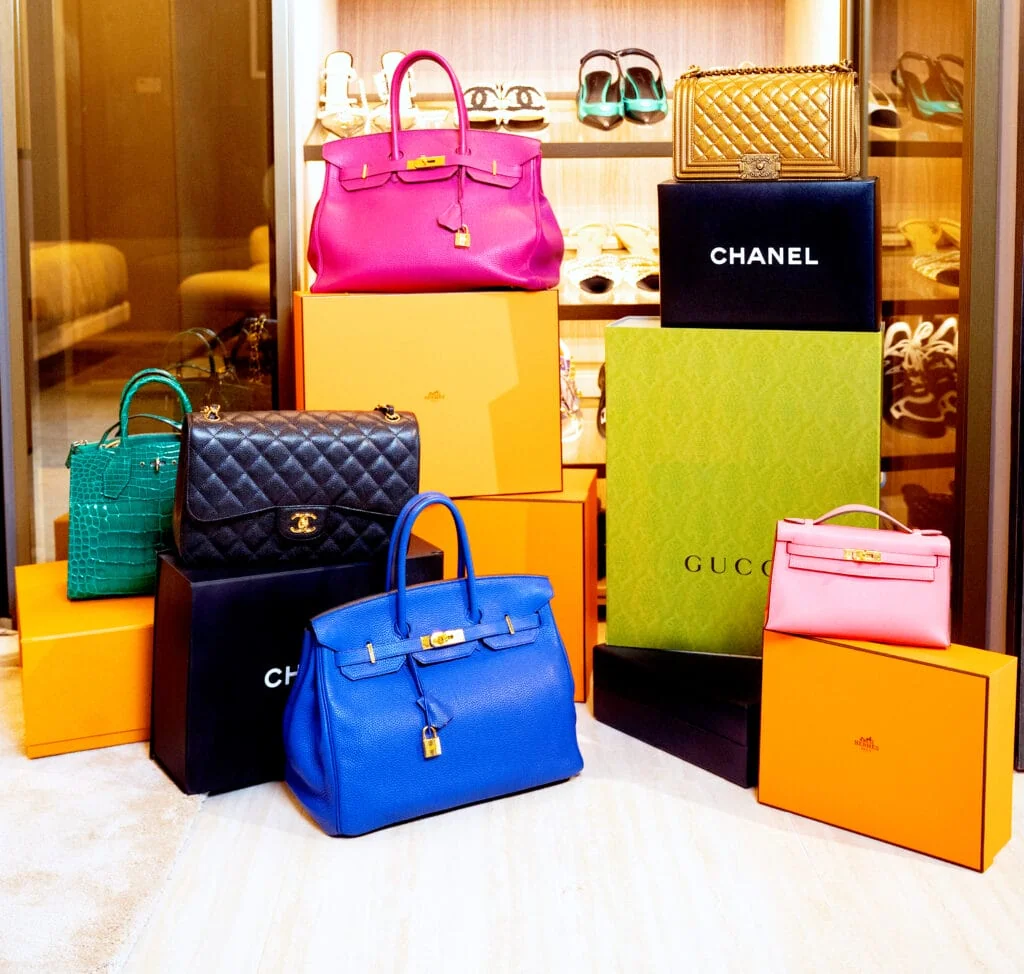
Not every bag with a designer label deserves a place in your closet — or your investment portfolio. Search “best designer handbag brands” and you’ll get lists that lump together everything from a $30,000 exotic Birkin to a $1,500 logo tote, as if craftsmanship, exclusivity, and resale performance were interchangeable. They’re not.
After years of handling, buying, and reselling pieces from Hermès, Chanel, Louis Vuitton, Dior, and a rotating cast of newer favorites, I’ve learned that the “top” luxury handbag brands earn that status through a very specific combination of factors — not just price tags or logo recognition. Some brands build bags that genuinely appreciate. Others build bags that hold their value reasonably well. And a few build beautiful bags that, frankly, you should buy because you love them, not because you expect a return.
This guide breaks the major players into three tiers based on how they actually perform — in the atelier, on the waitlist, and on the resale market — so you can match your budget, your lifestyle, and your investment goals to the right house instead of chasing hype.
What Separates a Top-Tier Handbag Brand From the Rest#
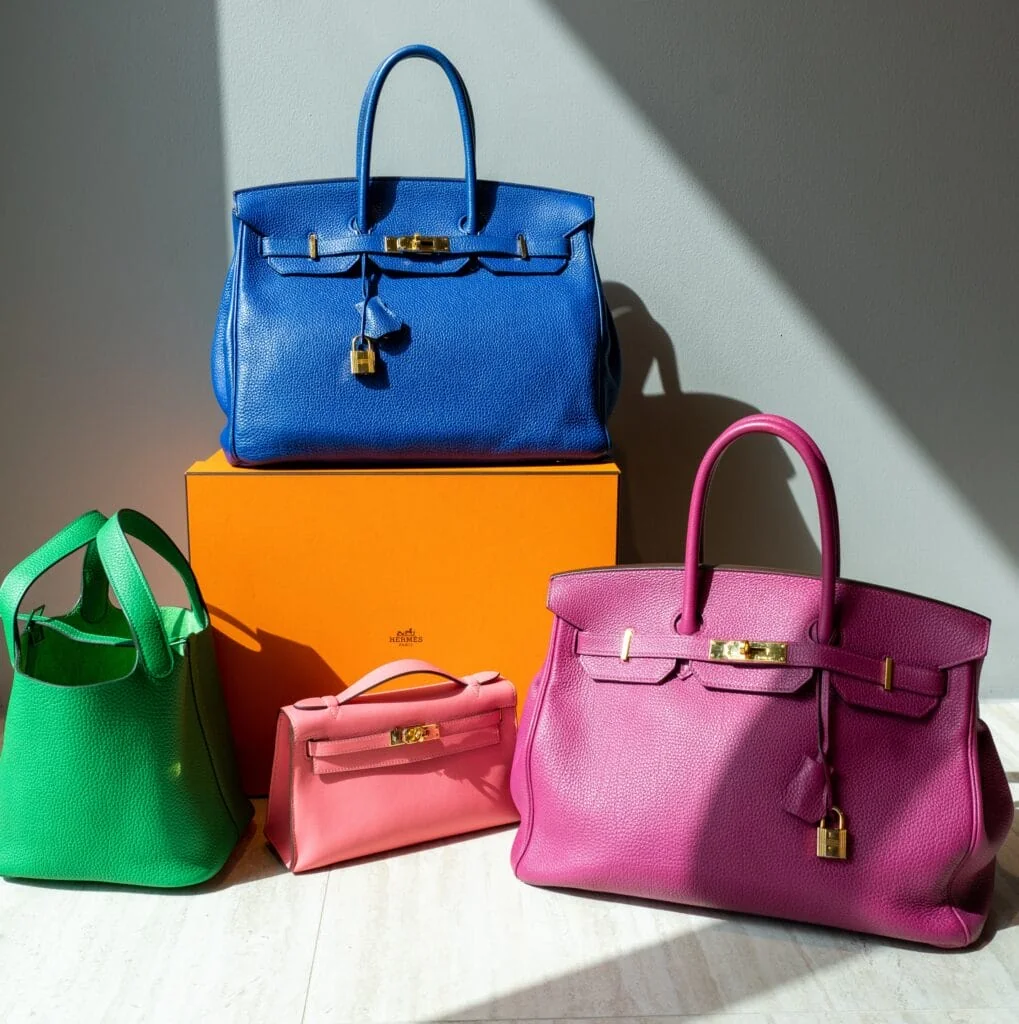
Five things separate a genuinely top-tier handbag brand from a merely expensive one, and they rarely all show up in the same house.
Craftsmanship. This isn’t marketing language — it’s about who actually touches the bag and how. Hermès assigns a single artisan to construct each bag start to finish, which is a meaningfully different production model than a factory line assembling components. Chanel’s Classic Flap reportedly involves around 180 distinct construction steps. That level of hands-on work costs more to produce and takes longer, which is exactly why it can’t scale to meet demand.
Materials. Grain-matched exotic leathers, full-grain calfskin, and hand-selected hides cost more than coated canvas or split leather — and they age differently. A well-cared-for lambskin or box calf bag develops a patina; a cracked PVC-coated canvas just looks worn.
Exclusivity. Real exclusivity is structural, not marketing. Hermès caps production per boutique and per artisan capacity — you genuinely cannot buy a Birkin on demand, spending history or not. That’s different from a “limited edition” drop timed for a product launch.
Brand heritage. Decades (or centuries) of consistent design language matter because they create archival value — buyers recognize a 1990s Kelly or a 1960s Chanel 2.55 instantly, and that recognition supports resale confidence.
Resale performance. This is where theory meets reality. A brand can have incredible craftsmanship and heritage and still be a mediocre resale performer if it produces too much volume. Scarcity plus demand is what actually drives designer handbag investment value — not craftsmanship alone.
The Investment Icons: Hermès and Chanel#
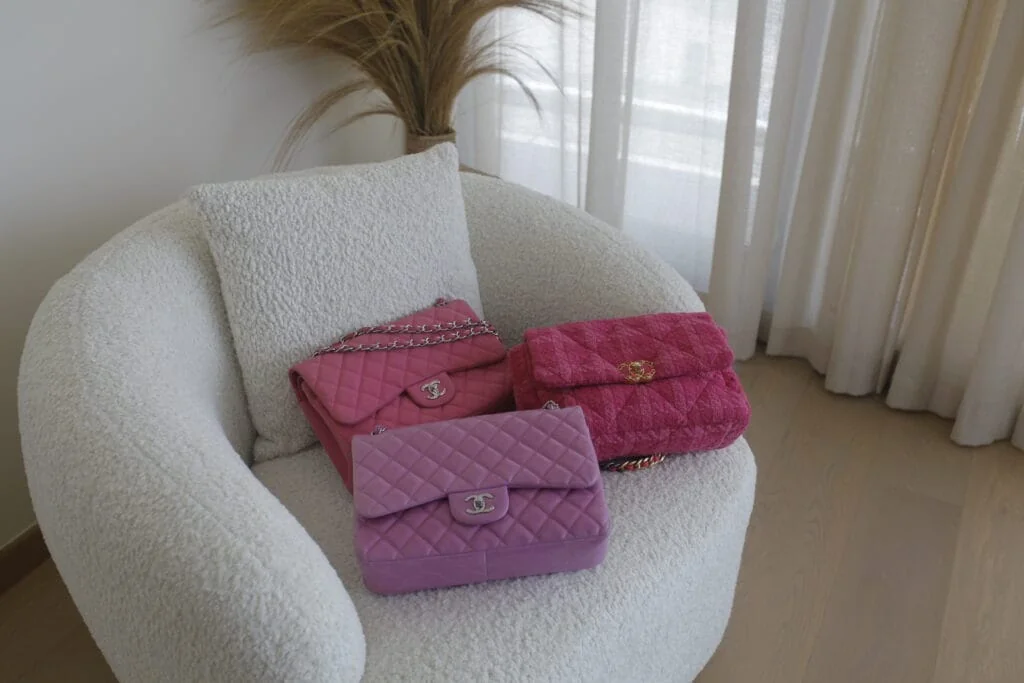
If you’re shopping with resale value as a real priority, this is genuinely a two-horse race.
Hermès is the closest thing the handbag world has to a hard asset. The Birkin and Kelly have outperformed gold and the S&P 500 in some resale studies over the past two decades, and exotic skins (crocodile, alligator) routinely resell above original retail. The single-artisan production model I mentioned earlier isn’t just a nice story — it’s the actual bottleneck that keeps supply artificially, permanently low. The honest downside: you cannot simply walk in and buy one. Access at retail typically requires an established purchase history with a boutique, which pushes many buyers toward the resale market at a premium, or years of relationship-building with a sales associate. Entry-level Hermès (Picotin, Evelyne, Lindy) is more attainable and still carries the brand’s construction quality, but don’t expect Birkin-level appreciation from those styles.
Chanel trades some of that scarcity for slightly more accessibility, and the tradeoff shows in the numbers. A Classic Flap in black caviar leather with gold hardware — the safest combination for resale — typically retains a solid but not spectacular percentage of retail, well behind exotic Hermès but ahead of most other houses. Chanel has also raised prices aggressively and repeatedly over the past several years, which has actually helped resale values on pieces bought before the hikes. The real downside I’ve noticed firsthand: quality consistency has taken some hits in recent seasons, with more reports of uneven stitching and hardware issues than a decade ago. It’s still a very good bag. It’s no longer an automatically flawless one.
Heritage Powerhouses: Louis Vuitton and Dior#
Louis Vuitton built the most recognizable monogram in fashion, and that recognition is both its greatest asset and its resale ceiling. The canvas Speedy, Neverfull, and Alma are genuinely easy to sell — there’s always a buyer — but they don’t command anywhere near the resale percentages of Hermès or Chanel because production volume is so much higher. LV’s leather-only pieces, like the Capucines, hold value noticeably better than the coated-canvas classics. The honest tradeoff versus Hermès and Chanel: there’s no meaningful waitlist and no artificial scarcity, so you can walk into a boutique and buy what you want. That accessibility is exactly why LV doesn’t behave like an investment asset the way Hermès does.
Dior leans on heritage and archival prestige — the Lady Dior’s connection to Princess Diana, the Saddle bag’s late-90s cult status and 2018 revival — more than on production scarcity. Under successive creative directors, Dior has kept its handbag line genuinely fresh, which is a real strength. The downside is trend sensitivity: the Saddle bag’s value spiked hard during its 2018-2020 revival and has since cooled, which tells you Dior resale can be more cyclical than Chanel’s steadier core styles. Compared to Hermès and Chanel, both LV and Dior prioritize accessibility over exclusivity, which makes them easier “first luxury bag” purchases but less reliable stores of value.
Modern Contenders Worth Watching: Valentino and Beyond#
Valentino has built a genuinely strong visual identity around the Rockstud line and the VLOGO hardware, and the house’s design direction under recent creative leadership elevated its fashion credibility considerably. What it hasn’t built yet is a resale track record anywhere close to Hermès or Chanel. These are bags worth buying because you love the design and the price point is comparatively attainable — not because you’re expecting appreciation.
A few other houses deserve a mention for collectors watching the space. Bottega Veneta has real craftsmanship credentials behind its Intrecciato weaving, and pieces like the Cassette and Jodie have developed a loyal following that’s kept secondary prices respectable. Celine, particularly Phoebe Philo-era Luggage and Trapeze bags, has genuine cult status among collectors who buy vintage-era pieces specifically for that design pedigree. Loewe’s Puzzle bag has built collector interest on craftsmanship alone.
The honest caveat across all of these: resale data on newer favorites is thinner, and creative director changes can shift a brand’s design direction — and its resale demand — almost overnight. Buy these for the design, treat any resale value as a pleasant bonus rather than a plan.
How to Choose the Right Brand for Your Wardrobe and Wallet#
Match the brand to your actual goal, not just your budget.
If preserving value is the priority and budget isn’t a constraint: Hermès, ideally an exotic Birkin or Kelly in a classic color. Accept that access will take patience and relationship-building — that’s the tradeoff for the strongest resale performance in the category.
If you want a genuinely excellent daily bag with solid, dependable resale and no multi-year waitlist: [Chanel Classic Flap](/buying-guides/vintage-chanel-finds-top-picks/) in black caviar leather with gold hardware. It’s the safest resale combination in the Chanel lineup, and it’s realistically obtainable.
If you want instant recognizability and the easiest possible resale liquidity, even at a lower percentage: Louis Vuitton monogram canvas in a structured shape like the Speedy or Alma. You’ll sell it faster than almost anything else on this list — just don’t expect it to appreciate.
If heritage and story matter as much as the bag itself: Dior’s Lady Dior or Saddle in a classic colorway rather than a seasonal print, which will age better on resale.
If you’re buying for personal style first: Valentino, Bottega Veneta, Celine, or Loewe. Buy the design you genuinely love and treat resale as secondary.
Across every tier, condition and completeness matter more than people expect — original box, dustbag, and receipt can meaningfully move resale price, and neutral hardware and classic colorways consistently outsell embellished or micro-trend versions of the same bag.
FAQ#
Which designer handbag brand holds its value best? Hermès, specifically exotic-skin Birkin and Kelly bags in classic colorways, consistently retains and often exceeds original retail value on the resale market. Chanel’s Classic Flap is the strongest performer outside Hermès.
Is Chanel or Louis Vuitton a better investment? Chanel, generally. LV’s canvas pieces are easier to sell but retain a lower percentage of retail because production volume is much higher. LV’s leather-only styles, like the Capucines, close that gap somewhat.
How can I tell if a luxury handbag is authentic? Check date codes or serial numbers specific to the brand, stitching consistency, hardware weight and engraving, and grain matching on leather. For a high-value purchase, use a reputable authenticator or buy through a platform that authenticates every item before listing — don’t rely on visual inspection alone, especially for Hermès and Chanel.
What’s the best first luxury handbag to buy? A Chanel Classic Flap or a structured Louis Vuitton monogram piece are the most practical entry points — recognizable, versatile, and easier to resell later if your taste changes. If Hermès is the goal, start with an entry style like the Picotin or Evelyne rather than waiting years for a Birkin.
Do luxury handbags actually appreciate in value? Selectively, not universally. Most designer handbags depreciate somewhat after purchase, the same as most luxury goods. The exceptions are specific styles — exotic Hermès pieces above all — in classic colors and good condition. Treat appreciation as the exception, not the rule, when you’re buying.
Related Articles#
- Louis Vuitton Alma Bag: The Ultimate Buying Guide
- Designer Handbag Trends 2025: What’s Actually Worth Buying
- Best It Bags to Buy This Year: A Definitive Guide
- Top ‘It’ Bags Worth Buying in 2024: Investment Guide
Related guides
- Online Bag Authentication: What Photos Can and Cannot Prove
- Fake Goyard Bag Guide: How to Spot Real vs Fake (2026)
- How to Spot a Fake Chanel Flap Bag: Authentication Guide
- How to Spot a Fake Hermès Birkin: Expert Checklist
- How to Buy an Authentic Luxury Bag from China Safely
- New vs Pre-Owned Luxury Bags: Which Route Is Right for You?
- Chanel Bag Guide: What to Know Before You Buy
- Luxury Bag Houses


Keyword index