Introduction #
Bottega Veneta occupies an unusual spot in the luxury handbag world. It built a name on the absence of a logo, betting that craftsmanship alone would do the talking. That bet paid off, but it also created a very specific challenge for buyers: how do you verify a bag that was never designed to shout its own name?
If you’re researching Bottega Veneta before a purchase, whether new or pre-loved, the conversation needs to go beyond “which bag looks best.” You need to understand construction quality, how each style holds up over years of use, and what actually separates a well-made original from a convincing fake. This guide breaks down five Bottega Veneta bags worth knowing, with the kind of practical detail we’d want before spending real money on one.
Key Points #
Bottega Veneta was founded in 1966 in Vicenza, Italy, by Michele Taddei and Renzo Zengiaro. The brand’s identity rests on the Intrecciato weave, a hand-woven leather technique that took the place of a logo, and later on the knot clasp that became its own kind of signature. Here are the five styles that consistently come up in any serious discussion of the brand’s handbags.
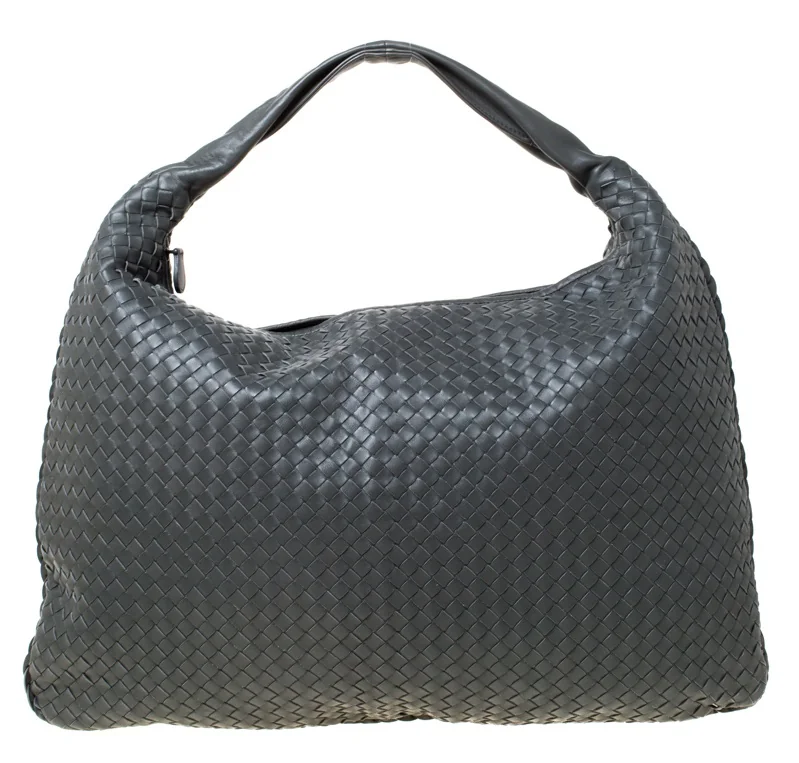
Veneta Hobo. The bag that essentially defined “quiet luxury” before that phrase existed. Its slouchy shape is built entirely from woven leather panels, no rigid frame, no hardware to distract from the weave. The interior is roomy, but that same softness means the bag molds to whatever you put in it, which some owners love and others find unstructured.
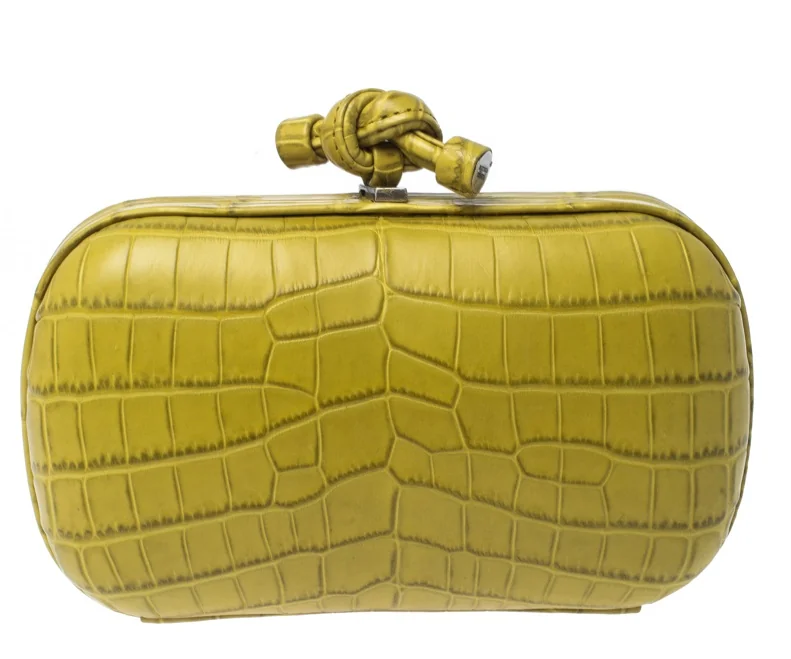
Knot Clutch. A rounded box clutch with the brand’s knot clasp front and center. It’s been carried by everyone from Cate Blanchett to Nicole Kidman on red carpets, and it comes in an unusually wide range of materials, from satin to crocodile. The trade-off is practicality: it’s an evening bag through and through, with limited capacity.
Nodini Bag. Bottega’s answer to the everyday crossbody. Smaller and lighter than the Veneta, with a long adjustable strap and the same Intrecciato construction. It’s become one of the brand’s better entry points because it’s genuinely wearable day to day, not just a showpiece.
Olimpia Bag. Named after the Olympic Theatre in Vicenza, this one leans structured, with a front flap, chain-link straps, and a suede-lined interior. It reads more “shoulder bag for the office” than the slouchier Veneta, and the chain straps add weight that’s worth trying on before you buy.
Cabat Tote. The brand’s most technically demanding piece. The entire bag, including the base, is woven by hand with no lining and no rigid support, held together purely through the tension of the weave. It’s often cited as proof of the brand’s construction skill, and it’s priced and produced accordingly.
Analysis and Insights #
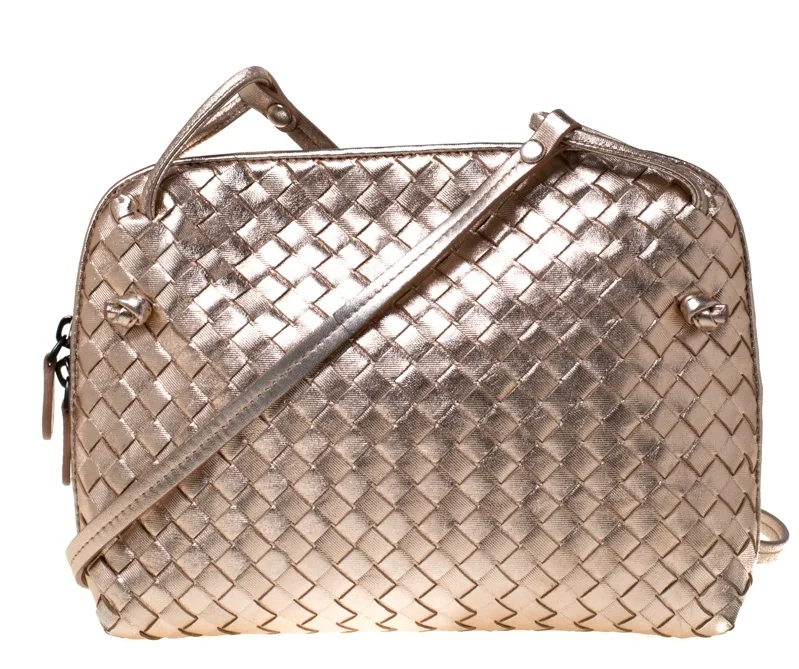
Having handled a fair number of these bags, the detail that matters most isn’t the shape, it’s the weave itself. On an authentic Bottega Veneta, the Intrecciato strips are uniform in width, tightly woven with no visible gaps, and the leather has a soft, almost buttery hand feel even on structured pieces. Counterfeits frequently get the pattern roughly right but fail on strip consistency, you’ll see slightly uneven widths or looser tension, especially near the seams and base.
Hardware is a smaller tell with Bottega than with logo-heavy brands, simply because there’s less of it. That makes the knot clasp on the Knot Clutch and the clasp on the Olimpia disproportionately important to check. Authentic clasps have a satisfying, tight mechanism and clean metal finishing with no visible mold lines. On fakes, the clasp often feels loose or the metal has a slightly different weight and color temperature.
The honest downside of buying into this brand is that the absence of an obvious logo, the thing that makes Bottega feel elevated, also makes casual authentication harder for buyers who don’t know what to look for. There’s no [[[[monogram canvas](/buying-guides/most-popular-louis-vuitton-bags-2026/)](/buying-guides/louis-vuitton-neverfull-buying-guide/)](/authentication/how-to-spot-a-fake-louis-vuitton-bag/)](/authentication/how-to-spot-a-fake-neverfull-authentication-guide/) to scrutinize, no easily Googled font. Authentication here leans almost entirely on construction quality, stitching at stress points, and the leather’s tactile quality, which means photos alone (as with most online listings) often aren’t enough. If you’re buying pre-owned, insist on close-up images of the interior stamp, the weave at the base, and any hardware, or better yet, use a professional authentication service before you commit.
Longevity also varies more across this lineup than people expect. The Veneta and Cabat, being unstructured, are more prone to leather stretching and shape loss over years of heavy use than the Olimpia, which has internal structure to hold its form. That’s not a flaw exactly, but it’s a real difference in how each bag ages, and it should factor into which one you pick if you’re buying for the long term rather than for a single event.
Investment Value Analysis #
Resale performance across these five styles isn’t uniform, and it’s worth being clear-eyed about that before treating any of them as an “investment.”
The Cabat holds value best, largely because production has always been limited and the hand-weaving process makes it expensive and slow to replicate at scale, even legitimately. It’s the closest thing in this lineup to a genuine collector’s piece, but it also carries the highest entry price, so the capital outlay is significant even before resale is a factor.
The Veneta Hobo and Nodini sit in the middle. They’re recognizable, widely produced, and have steady secondary-market demand, but because they’ve been made in large numbers across many seasons and colorways, individual examples don’t command dramatic premiums unless the leather or color is unusual (ostrich, crocodile, or a discontinued shade tends to do better than classic black calfskin).
The Knot Clutch and Olimpia are more trend and occasion-dependent. The Knot Clutch’s value is tied closely to its red-carpet visibility, demand can spike when a celebrity is photographed with one, but that doesn’t always translate into consistent long-term appreciation. The Olimpia, being a more structured, seasonal-feeling design, tends to depreciate more like a standard designer bag than a heritage piece.
The practical takeaway: if resale value is a genuine priority, prioritize condition, rare leathers, and pieces with original packaging and receipts over chasing a specific “hype” style. Bottega Veneta bags generally don’t move the way Hermès or Chanel does on the resale market, they’re bought and held more for craftsmanship and personal style than as a store of value, and that’s worth knowing going in rather than after the fact.
Conclusion #
Bottega Veneta earned its reputation the harder way, through construction and material quality rather than branding, and that’s exactly what makes buying one worth doing carefully. The Veneta, Knot Clutch, Nodini, Olimpia, and Cabat each represent a different facet of what the house does well, but they also come with different trade-offs in structure, durability, and resale performance. Whichever one you’re drawn to, spend more time evaluating the weave and hardware than the marketing, that’s where the real story of authenticity and quality actually lives.
FAQ #
How can I tell if a Bottega Veneta bag is authentic without a receipt? Focus on the Intrecciato weave first. Authentic weaving is tight, even, and consistent in strip width across the entire bag, including the base and edges. Check the interior leather stamp for correct font and placement, and inspect hardware (clasps, zippers) for clean finishing without mold lines or an unusually light weight.
Why doesn’t Bottega Veneta use a visible logo? The brand deliberately moved away from external branding decades ago, betting that the Intrecciato weave itself would function as a recognizable signature. This is central to its identity but does make casual authentication harder than with logo-forward brands.
Which Bottega Veneta bag holds its value best? The Cabat tote tends to perform best on the resale market due to limited production and its labor-intensive, hand-woven construction. Widely produced styles like the Veneta and Nodini hold steadier but less dramatic value.
Is the Veneta Hobo practical for everyday use? Yes, but its unstructured, slouchy shape means the leather will soften and mold over time with heavy use. If you want a style that keeps its shape longer, the structured Olimpia is a better fit for daily wear.
Are exotic leather versions (crocodile, ostrich) worth the higher price? They generally hold value better than standard calfskin versions due to rarity and material cost, but they also require more careful care and are more expensive to maintain and restore, so factor that into the total cost of ownership.
Related Articles #
- Replica vs Pre-Owned Bags: Which Is the Smarter Buy?
- 5 Most Popular Chanel Bags You Need to Know
- How to Spot a Fake Chanel Flap Bag: Authentication Guide
- Why the Chanel Crossbody Bag Never Goes Out of Style
- Mother’s Day 2026: Pre-Owned Luxury Bags She’ll Love
Related guides
- Online Bag Authentication: What Photos Can and Cannot Prove
- How to Authenticate a Chanel Bag: 10 Expert Checks
- Fake Goyard Bag Guide: How to Spot Real vs Fake (2026)
- How to Spot a Fake Chanel Flap Bag: Authentication Guide
- How to Buy an Authentic Luxury Bag from China Safely
- New vs Pre-Owned Luxury Bags: Which Route Is Right for You?
- Chanel Bag Guide: What to Know Before You Buy
- Luxury Bag Houses


Keyword index