Introduction #
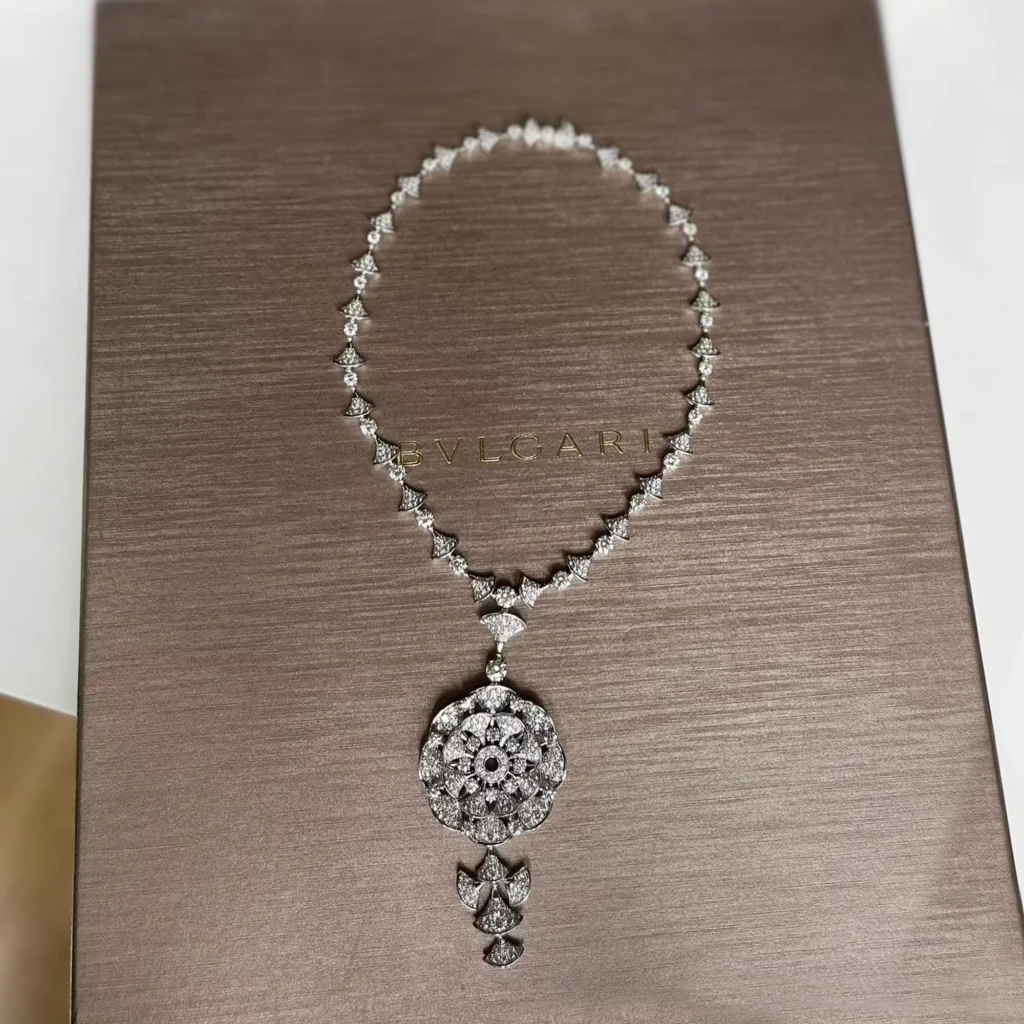
Cartier built an empire on restraint. The Love Bracelet, the Panthère, the Trinity ring — these are pieces designed to whisper wealth rather than announce it. Bvlgari does the opposite. It is Rome distilled into gold: coiled serpents, spiraling bezels, cabochon gemstones cut for color rather than sparkle, and a design vocabulary borrowed from ancient coins and classical architecture. Where Cartier trades on quiet authority, Bvlgari trades on instant, unmistakable presence.
That difference matters enormously once you start looking at resale. A brand’s identity and its secondary-market performance are not the same thing, but with Bvlgari they’re closely linked. The pieces that resell well are the ones that look like nothing else on the market — Serpenti coils, B.zero1 spirals, the double Roman-coin inscription on a BVLGARI BVLGARI bezel. The pieces that struggle are the ones that could have come from any Italian jewelry house in a given decade.
This guide is built around that distinction. It’s not a case for or against buying Bvlgari — it’s a breakdown of which collections, metals, and configurations consistently hold value in the pre-owned market, which ones don’t, and how to buy smart when you’re shopping secondhand.
What Makes Bvlgari Worth It #
Ask a jewelry appraiser what separates a Bvlgari piece that holds value from one that doesn’t, and the answer usually comes down to recognizability. A buyer scrolling resale listings on their phone has to identify a piece in about two seconds. Serpenti’s coiled body, B.zero1’s stacked spiral, Tubogas’ flexible tube-like bands — these read instantly, even in a thumbnail. That instant recognition is what keeps demand steady and liquidity high.
Underneath the design language, though, there are structural reasons certain pieces perform better than others.
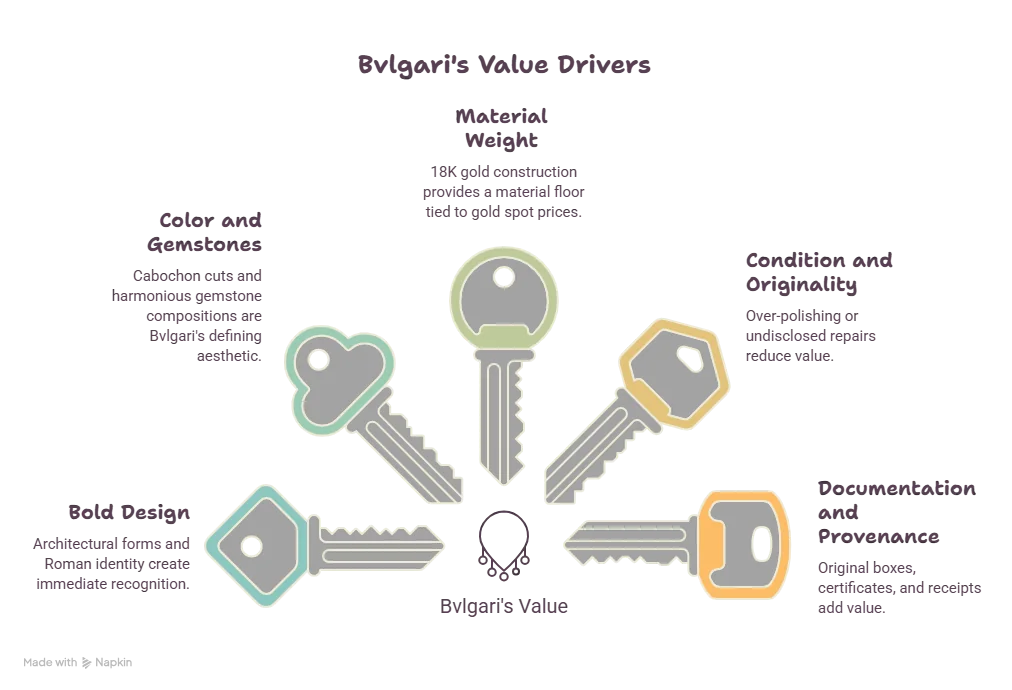
Design signature. Architectural, sculptural forms tied specifically to Bvlgari’s Roman heritage create resale demand that generic “fine jewelry” pieces simply don’t generate.
Gemstone treatment. Bvlgari’s signature use of cabochon-cut stones — rounded, polished, color-forward rather than faceted — is part of what distinguishes the house from competitors who lean on brilliance and carat weight alone.
Gold content. Many core pieces are constructed in solid 18K gold, frequently using the Tubogas technique. That’s a real material floor under the piece’s value, one that moves with gold spot prices independent of brand demand.
Condition. Over-polished edges, softened engraving, or undisclosed repair work can knock 20-40% off a piece’s resale price. Bvlgari’s designs rely on crisp lines and defined surfaces — once those wear down, the piece looks tired rather than vintage.
Documentation. Original box, papers, and receipts typically add 15-30% to a resale price. For high-value pieces, that paperwork is often the difference between a quick sale and a piece that sits.
The takeaway: Bvlgari’s resale strength isn’t uniform across the brand. It’s concentrated in pieces that are visually unmistakable, gold-heavy, well cared for, and properly documented.
The Bvlgari Collections That Hold Their Value #
Not every Bvlgari line performs the same way secondhand. Some collections have decades of market history behind them; others are newer and still building a resale track record. Here’s how the major lines actually perform.
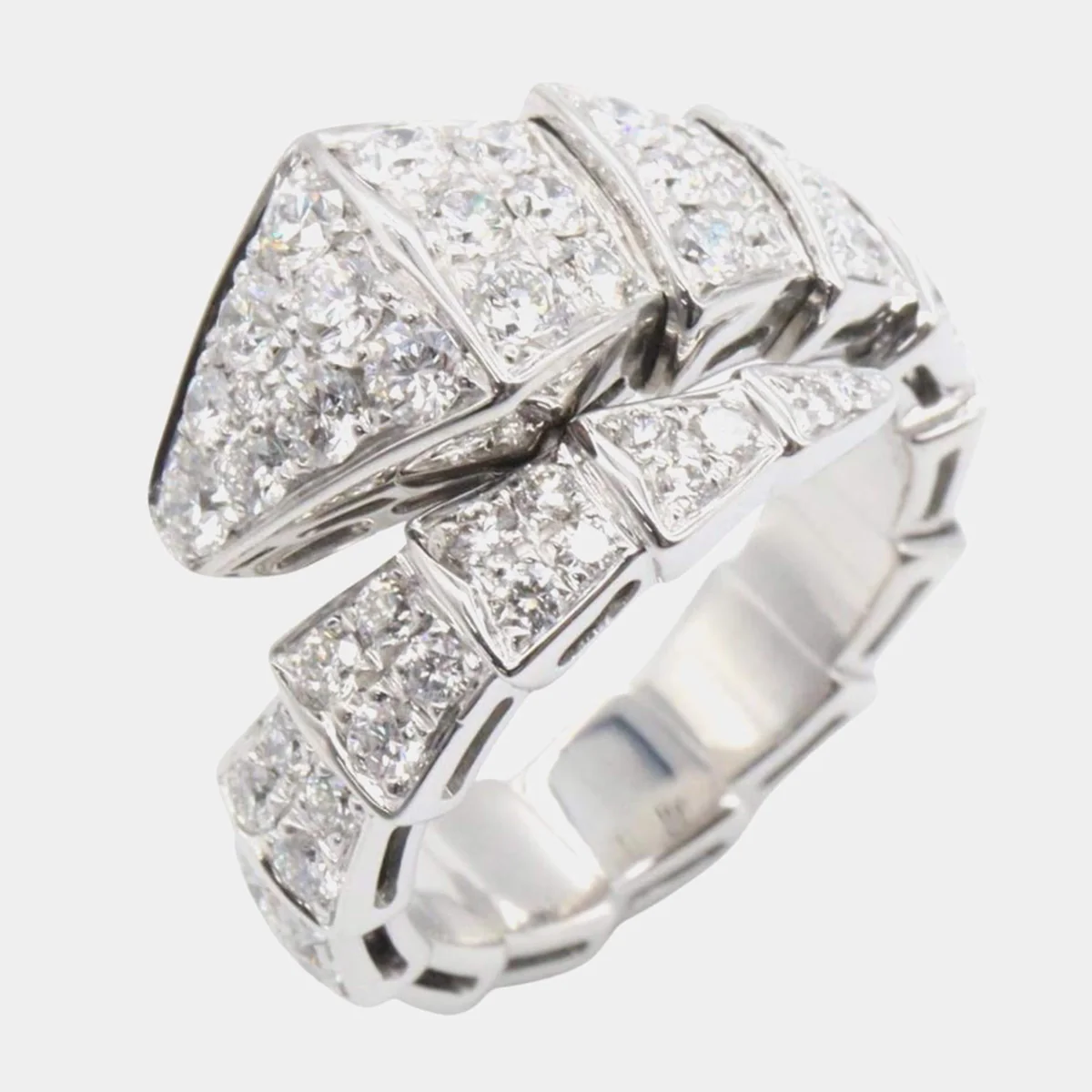
Serpenti. The strongest resale performer in the Bvlgari catalog, full stop. Serpenti bracelets and watches in particular tend to retain 50-70% of retail in good condition, with vintage coiled-tube bracelets from the 1960s-80s occasionally exceeding that at auction. The serpent motif is so tied to Bvlgari’s identity that even non-collectors recognize it, which keeps demand broad rather than niche.
B.zero1. A modern classic, launched in 1999, that has aged into a genuine resale staple. Rings and bracelets in the stacked-spiral design typically hold 40-55% of retail. Steel-and-ceramic versions from early collections underperform gold versions by a meaningful margin — more on why in the next section.
BVLGARI BVLGARI. The double-lettered coin motif is one of the house’s oldest and most durable design signatures. Bracelets and pendants in this line generally hold 35-50% of retail, with earlier solid-gold pieces performing at the higher end.
Divas’ Dream. A newer collection (launched 2015) built around a fan-shaped motif drawn from the Colosseum. It’s building resale traction but hasn’t yet matched Serpenti or B.zero1 in depth of secondary demand — expect 30-45% retention, with high-carat diamond pieces performing best.
Parentesi. Architectural and understated compared to the rest of the lineup, Parentesi is a mixed performer. Gold pieces hold reasonably well (30-40%), but the collection lacks the singular iconography that drives strong resale elsewhere in the brand, so it’s more dependent on gold content than design demand.
Tubogas. Technically a construction technique rather than a standalone collection, but it deserves its own mention because pieces built on it — vintage bangles, Serpenti bodies — consistently outperform flat-link or chain equivalents due to both craftsmanship reputation and gold weight.
For context on how this stacks up against other houses: Cartier’s Love and Juste un Clou lines typically retain 50-65% of retail, and Van Cleef & Arpels’ Alhambra holds similarly strong at 45-60%, largely because both brands have cultivated decades of “forever piece” positioning. Tiffany, outside of its Elsa Peretti and vintage Schlumberger pieces, tends to retain less — often 25-40% — because so much of its output is mass-market rather than iconic. Bvlgari’s top performers (Serpenti, B.zero1) sit competitively with Cartier and Van Cleef; its weaker lines sit closer to Tiffany’s mid-tier output.
Materials and Configurations That Maximize Resale #
Two pieces from the same collection can resell at very different prices depending on material and scale. This is where buyers leave money on the table if they’re not paying attention.
Metal matters more than most buyers expect. 18K yellow, white, or rose gold pieces hold value substantially better than steel or steel-and-gold combinations. A steel B.zero1 ring might retail for a third of its solid-gold counterpart new — and it will typically resell for a similar fraction of that, because there’s no material floor under it. Gold pieces benefit from spot-price appreciation even if design demand stays flat; steel pieces don’t have that cushion.
Gemstone type and cut affect liquidity. Cabochon-cut colored stones (turquoise, malachite, carnelian) in signature settings tend to hold value well because they’re distinctly Bvlgari. Diamond pave settings resell reliably too, since diamond content itself has a floor value, but oddly-cut or trend-driven colored stone combinations from limited runs can be harder to move.
Scale and proportion matter. Larger, more sculptural pieces — a substantial Serpenti bracelet versus a slim stacking version — tend to command stronger resale interest because they read as statement pieces rather than everyday jewelry. That said, oversized pieces also have a smaller buyer pool, so they can take longer to sell even at a fair price.
Watches deserve a separate note, since they’re a major resale category in their own right. Serpenti watches, particularly the Serpenti Tubogas and Seduttori references in gold, hold value comparably to the jewelry line — 40-60% of retail is typical for well-maintained examples. The real story, though, is Octo Finissimo. As one of the thinnest mechanical watches in the world, it’s developed serious collector demand independent of Bvlgari’s jewelry reputation, and steel Octo Finissimo models have in some cases sold above retail on the secondary market due to limited production runs and horological significance. That puts Octo Finissimo in a different resale category entirely from most fine jewelry pieces — it’s driven by watch collectors, not jewelry buyers, and the two markets behave differently.
Pieces That Tend to Lose Value #
Not everything with a Bvlgari stamp holds up secondhand, and it’s worth being direct about which pieces underperform.
Fashion-forward limited editions. Bvlgari periodically releases capsule collections tied to a season or a celebrity collaboration. These generate short-term retail buzz but rarely develop lasting collector demand — once the moment passes, resale interest drops off sharply, often to 15-25% of retail.
Steel and ceramic entry-level pieces. Without gold content, these pieces are resold almost entirely on brand-name recognition rather than material value, and that recognition alone isn’t enough to sustain strong pricing. They’re the weakest performers in the catalog.
Generic chain and pendant pieces. Anything that doesn’t clearly reference a signature motif (Serpenti’s coil, B.zero1’s spiral, the coin inscription) competes with every other mid-market fine jewelry brand on the resale market, and loses.
Overly trend-specific gemstone combinations. Certain colored-stone pairings from a specific era or campaign can feel dated within a decade, which softens demand even when the craftsmanship is solid.
Heavily personalized or altered pieces. Resized rings, re-set stones, or engraved pieces (beyond factory hallmarks) lose resale flexibility because buyers want pieces they can wear as-is or resize without extra cost.
How to Buy Pre-Owned Bvlgari Smartly #
Buying secondhand is where the real savings are, but it’s also where authentication risk is highest. A few practical checks before you commit:
Inspect the hallmarks and engravings. Genuine Bvlgari pieces carry precise, consistent stamping — metal purity mark, serial number, and “BVLGARI” engraving with clean, evenly spaced lettering. Replicas often get the font weight or spacing slightly wrong, which is hard to catch in photos but obvious in hand.
Check weight against known specs. Bvlgari’s solid gold construction gives pieces a specific heft. A Serpenti or B.zero1 piece that feels unusually light for its size is a red flag — counterfeiters often use gold plating over base metal to cut costs.
Look for consistency in the cabochon settings. Genuine cabochon stones sit flush and symmetrical in their settings. Uneven gaps, visible glue, or stones that don’t match in color saturation across a piece are common tells on fakes.
Request the paperwork. Ask for the original box, warranty card, and purchase receipt before buying. If a seller can’t produce any documentation on a piece claimed to be recent, that’s worth pausing over — though older vintage pieces legitimately lose paperwork over decades, so weigh this against the piece’s age.
Buy from channels with authentication processes, not just individual sellers. Certified pre-owned resellers that physically inspect and authenticate each piece (rather than just listing consignor claims) are the safer route for anything above a few thousand dollars. Established auction houses (Sotheby’s, Christie’s) are reliable for higher-value vintage and collector pieces, particularly watches, since they typically have in-house specialists verify authenticity before a lot goes to sale. Generalist marketplaces without vetting are where most counterfeit risk concentrates — treat listings there with more scrutiny, and when in doubt, get a third-party appraisal before paying.
Keep the documentation once you buy. Whatever paperwork comes with the piece, hold onto it. It’s the single easiest way to protect your own [[[[resale value](/buying-guides/best-time-to-buy-a-luxury-handbag-1/)](/brands/celine-luggage-tote-guide-sizes-history-resale-value-1/)](/buying-guides/luxury-resale-condition-grades-explained/)](/brands/celine-luggage-tote-guide-sizes-history-resale-value/) down the line, since the next buyer will be running through this exact checklist.
Top 5 Bvlgari Pieces That Hold or Gain Value (With Price Ranges) #
| Piece | Retail Range (New) | Typical Resale Range | Resale Retention |
|---|---|---|---|
| Serpenti Tubogas gold bracelet | $15,000-$25,000 | $8,000-$15,000 | ~55-65% |
| B.zero1 four-band ring, 18K gold | $3,500-$6,000 | $1,800-$3,200 | ~45-55% |
| Octo Finissimo (steel, automatic) | $17,000-$22,000 | $16,000-$24,000+ | 90-110%+ |
| Serpenti Seduttori watch, gold case | $20,000-$30,000 | $10,000-$17,000 | ~45-55% |
| BVLGARI BVLGARI gold pendant necklace | $4,000-$7,000 | $1,800-$3,000 | ~40-45% |
The Octo Finissimo entry is the outlier worth noting: limited production and strong collector demand in the watch world have occasionally pushed certain steel references above original retail on the secondary market, which is unusual for fine jewelry but not uncommon for watches with genuine horological credibility. Everything else on this list follows the more typical pattern — gold content and iconic motif recognition doing most of the work to keep resale values stable.
FAQ #
Does Bvlgari hold its value as well as Cartier? Its top lines — Serpenti, B.zero1 — hold value competitively with Cartier’s Love and Juste un Clou, typically in the 45-65% retention range. Bvlgari’s weaker lines (entry-level steel pieces, limited editions) underperform Cartier’s core catalog, which is more consistently strong across the board.
Which Bvlgari collection is the safest investment? Serpenti, by a clear margin. It has the longest resale track record, the strongest brand recognition, and performs well in both jewelry and watch form.
Are Bvlgari watches a better resale bet than the jewelry? It depends on the model. Octo Finissimo has genuine collector-driven demand that can match or exceed retail on certain references. Serpenti watches perform more like the jewelry line — solid but not exceptional, in the 45-55% range.
How can I tell if a pre-owned Bvlgari piece is authentic before buying? Check hallmark precision, engraving consistency, weight relative to known specs, and cabochon stone settings. For anything expensive, buy through a certified reseller or auction house that authenticates pieces directly rather than relying on seller claims alone.
Is steel Bvlgari jewelry ever a good investment? Generally no. Without gold content, steel pieces rely entirely on brand recognition to hold value, and that alone isn’t enough to sustain strong resale pricing over time.
Does missing documentation ruin resale value? It reduces it — typically by the same 15-30% that documentation would have added — but doesn’t eliminate value entirely, especially for older vintage pieces where paperwork loss over decades is common and expected.
Related Articles #
- 6 Iconic Cartier Watches That Hold Their Value
- Does Cartier Jewelry Hold Its Value? Resale Guide
- Pre-Owned Luxury Gold Jewelry: Smarter Than Bullion?
- Luxury Fashion Investment: Why Pre-Loved Pays Off
- 6 Iconic Cartier Watches: Models & Resale Value Guide
Related guides
- Online Bag Authentication: What Photos Can and Cannot Prove
- Inside a Million-Dollar Closet: Pre-Loved Hermès & More
- Meet Marwa Azzam Aldabbagh: Kelly Bag Authentication Expert
- Luxury Handbag Authentication Process Explained
- How to Buy an Authentic Luxury Bag from China Safely
- New vs Pre-Owned Luxury Bags: Which Route Is Right for You?
- Chanel Bag Guide: What to Know Before You Buy
- Luxury Bag Houses


Keyword index