Introduction #
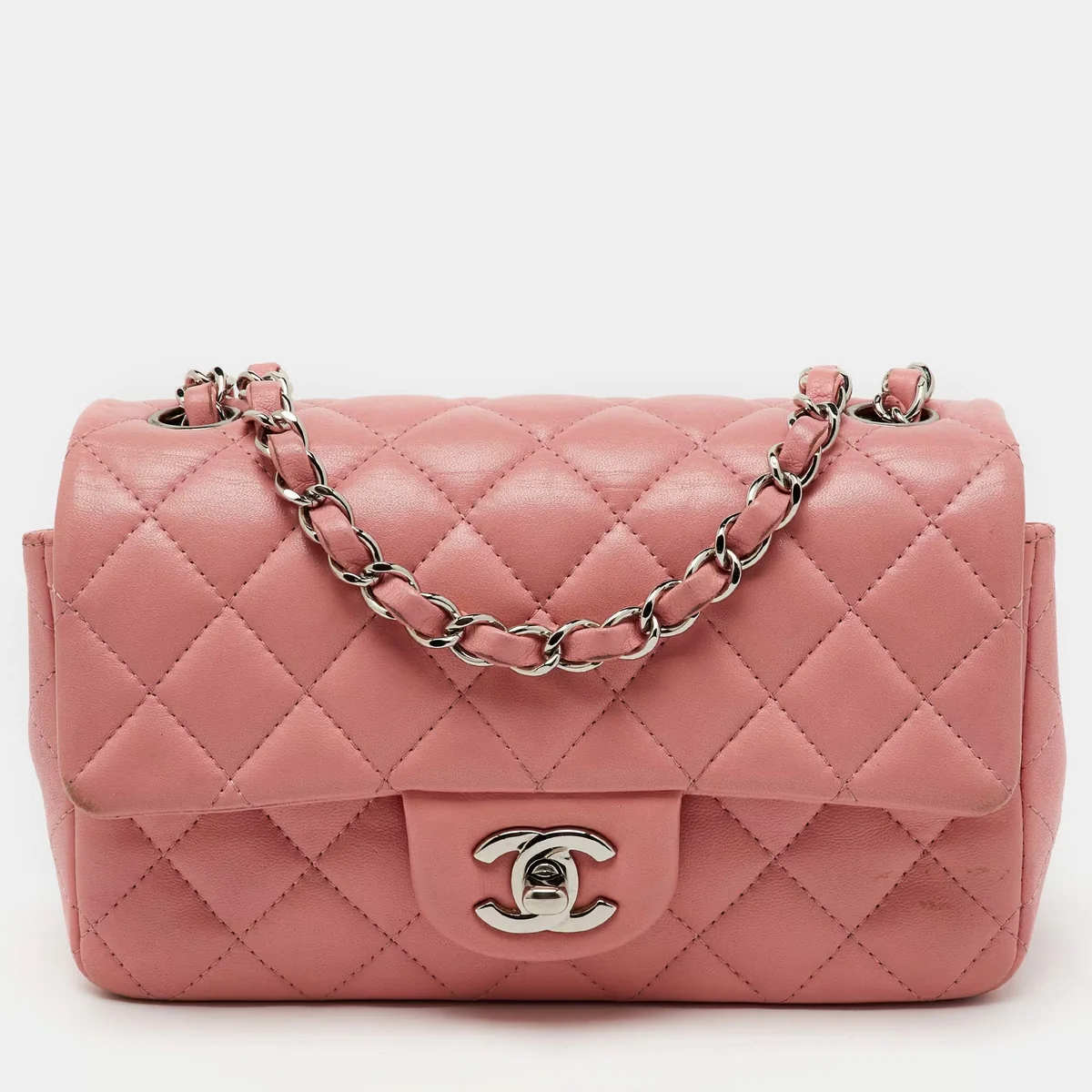
Do the math on a [[[Chanel Classic Flap](/buying-guides/designer-must-have-bags/)](/buying-guides/classic-and-chic-handbags-style-icons/)](/buying-guides/chanel-flap-bag-buying-guide/) and the joke stops being funny. A bag that sold for around $5,300 in 2020 now lists near $11,000 at boutique, and the paycheck that was supposed to catch up to the price tag never did. That gap, between what luxury costs and what shoppers can actually absorb, is the real story of luxury pricing in 2025 and into 2026. It’s not a single scandal or one bad earnings call. It’s a pattern that has repeated for six straight years, and it shows no sign of resetting.
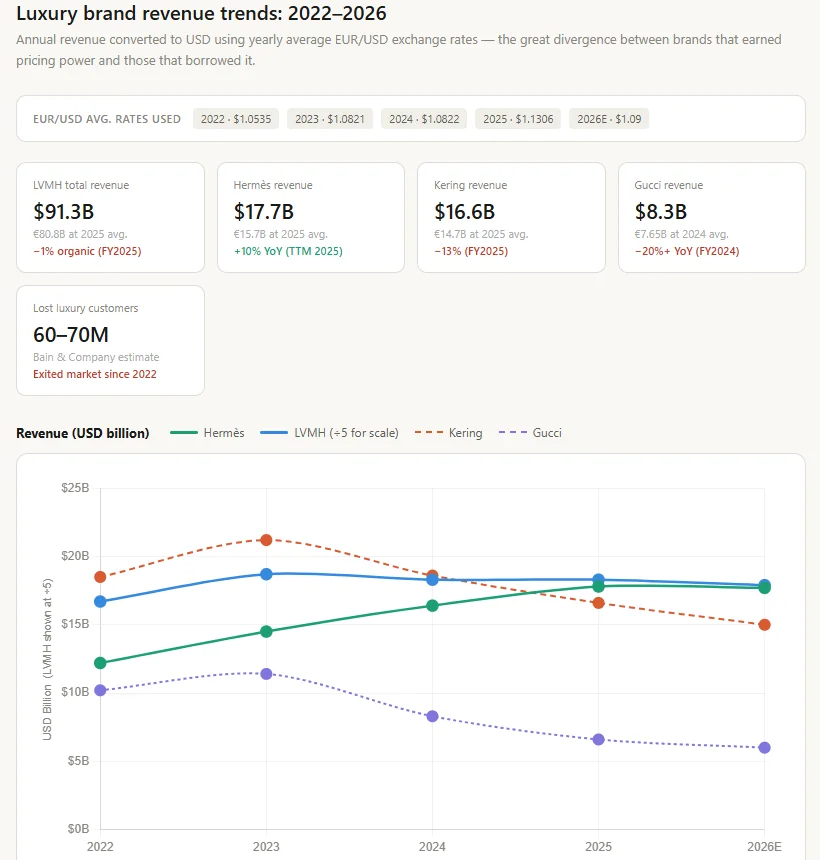
What makes 2026 different isn’t the size of the increases. It’s what’s happening on the other side of the register. Waitlists that used to move in weeks are stretching into months with no urgency behind them. Store traffic in Paris, Hong Kong, and New York has cooled. Hermès, the brand that built its entire pricing philosophy on “we sell what we make, and people wait,” posted just 5.6% growth in its most recent quarter, missing analyst expectations after tourism spending and Asian demand softened. And yet prices at Hermès, Chanel, and Louis Vuitton kept climbing anyway.
That disconnect, price up, demand down, is the actual news here. It tells you these hikes were never purely about covering costs. They’re a bet that scarcity and status can be manufactured even as the customer base thins out. This piece breaks down what’s driving the increases, how each house is playing the pricing game differently, what it’s doing to resale values on bags like the Birkin, the Classic Flap, and the Neverfull, and how you should actually respond, whether that’s buying now, holding off, or shopping pre-owned.
Why the Price Hikes Still Haven’t Stopped #
Tariffs reset the floor, and it isn’t coming back down #
2025 gave luxury brands a legitimate excuse to raise prices, and they used it fully. A second wave of U.S. tariffs on finished leather goods and watch components added roughly 10% to landed costs on items entering the United States starting in January 2025. The EU’s Carbon Border Adjustment Mechanism, phased in from that spring, tacked on another 2–3% for goods using exotic skins or high-emission materials. Australia followed with its own 5% luxury surcharge on goods over AUD 3,000 that summer.
Every major house said, in effect, the same thing: costs are rising, so tags are rising with them. Fair enough. What happened next is the part worth watching. Brands shifted production to lower-tariff countries, Vietnam for leather goods, Switzerland for watch assembly, and kept the resulting savings instead of passing them back to customers. Regional price gaps that used to run 20–25% between Paris and New York narrowed to single digits, closing off the arbitrage that savvy shoppers used to exploit by buying abroad. Once a brand resets its MSRP upward to cover a temporary cost spike, that number becomes the new permanent floor. Nobody rolls back a Birkin price when a tariff quietly gets renegotiated a year later.
Material and labor costs are real, but they don’t explain the full increase #
Exotic leathers, gold-tone hardware, and skilled ateliers cost more every year, and that’s a legitimate input. But when Chanel’s flagship bag price has more than doubled since 2020 while raw material inflation over the same period has been nowhere close to that, the math doesn’t hold up as a pure cost story. Material costs explain a slice of the increase. They don’t explain the whole thing.
The real driver: trading volume for exclusivity #
The strategic shift matters more than any single tariff. Luxury houses have been quietly repositioning entry-level items, the Classic Flap, the entry Birkin, the monogram Neverfull, away from “aspirational purchase for a wide customer base” and toward “gated asset for a shrinking, wealthier tier.” A shrinking Western middle class and a K-shaped recovery mean fewer one-time aspirational buyers walking in. Growing wealth concentration in the Gulf and Southeast Asia lets brands sell fewer units at far higher margins and still hit growth targets. In that model, a higher price doesn’t suppress demand, it manufactures the perception of exclusivity that the brand is actually selling. Luxury has stopped courting the top 10% of earners. It’s now built almost entirely around the top 1%.
Brand-by-Brand Breakdown: Hermès, Chanel, and Louis Vuitton #
The three houses aren’t playing the same game, and the differences show up clearly once you line up the numbers.
| Brand | Entry bag, ~2020 price | ~2026 price | Approx. cumulative increase | Pricing posture |
|---|---|---|---|---|
| Chanel | Classic Flap (medium), ~$5,300 | ~$11,000–$11,600 | ~115–120% | Aggressive, front-loaded hikes to reposition as ultra-luxury |
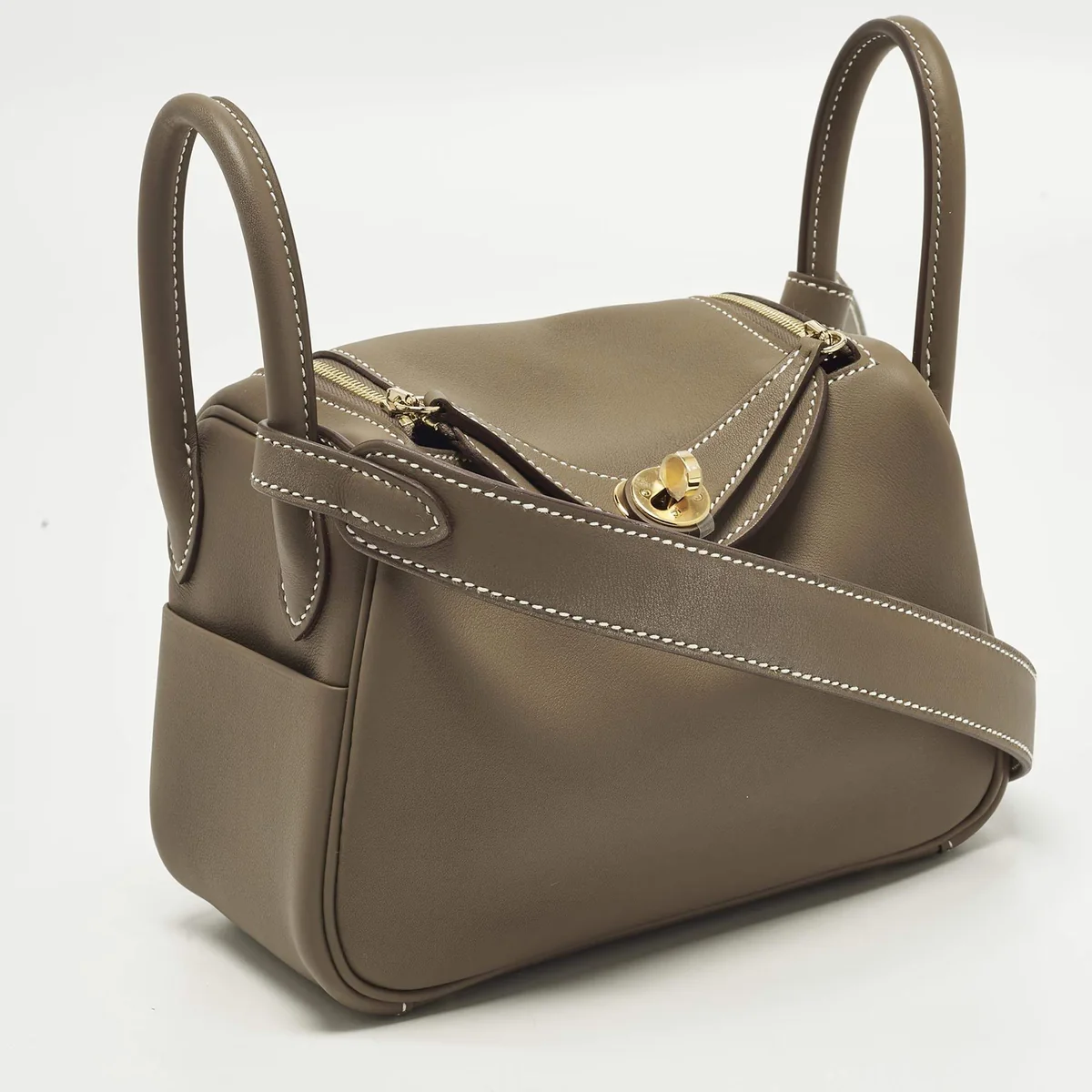
| Hermès | Birkin 25, ~$8,600 | ~$11,500–$12,000 | ~35–40% | Steady, incremental, protects scarcity narrative over sticker shock |
| Louis Vuitton | Neverfull MM, ~$1,500 | ~$2,100–$2,200 | ~40–45% | Moderate, volume-conscious, avoids alienating core customer base |
Chanel has been the most aggressive by a wide margin, raising flap bag prices multiple times a year through 2021–2023 and settling into a slower but still upward cadence since. That strategy bought Chanel serious margin, but it’s also the brand most exposed to the current slowdown: its core customer, the aspirational buyer stretching for one iconic bag, is precisely the segment getting priced out.
Hermès has been the most disciplined. Its increases track closer to inflation, and its real lever has always been supply, not price, since the brand caps sales per client and per boutique. That’s exactly why Hermès missing growth expectations at 5.6% this year is notable. When the house that controls demand through allocation rather than discounting still comes in soft, it’s a signal the customer base itself, not the pricing model, is thinning.
Louis Vuitton has stayed the most conservative of the three, protecting volume because its business model depends on breadth, monogram canvas goods sold at real scale, rather than the ultra-scarce positioning Hermès and Chanel are leaning into. LVMH’s fashion and leather goods division has shown some of the softest growth in the group’s portfolio over the past two reporting cycles, a sign that even measured price increases are testing the ceiling of what LV’s broader customer base will absorb.
The Growing Disconnect Between Prices and Demand #
Three things are happening at once, and none of them support the idea that demand is keeping pace with price.
Waitlists have gotten shorter, not longer. That sounds like good news for shoppers until you realize why: fewer people are joining them. A shorter Birkin waitlist isn’t Hermès loosening allocation, it’s fewer qualified buyers showing up to be allocated to in the first place.
Tourism-driven luxury spending, historically a huge chunk of European and Asian flagship revenue, has softened noticeably. Chinese outbound travel and duty-free spending haven’t recovered to pre-2020 patterns, and geopolitical friction between major economies has made cross-border luxury shopping less predictable and, in some markets, more expensive due to the tariff and surcharge changes covered above.
And boutique traffic in major luxury capitals has visibly cooled. This isn’t anecdote dressed up as data: it’s showing up directly in reported growth numbers. Hermès missing its own growth target while still raising prices is the clearest evidence available that brands are choosing margin protection over volume growth, on purpose, even as the top line softens.
The uncomfortable truth for the houses is that this strategy has a shelf life. Scarcity works when there’s a deep bench of buyers willing to wait. It stops working once the bench thins out enough that “exclusive” starts looking like “unsold.”
How This Is Reshaping the Resale and Pre-Owned Market #
Rising retail prices used to guarantee rising resale value. That relationship is breaking down, and it’s breaking down differently depending on the bag.
Chanel Classic Flap: this is the clearest casualty. During the 2021–2022 shortage era, flap bags routinely resold at 20–30% over retail because supply couldn’t meet demand. As Chanel kept raising retail prices faster than resale values could follow, that premium collapsed. Today, well-loved flap bags in common sizes and colors often trade at or even below current retail once you account for boutique price increases outpacing the secondhand market. The arbitrage that made flap bags feel like an investment has largely closed.
Hermès Birkin and Kelly: the opposite story. Because Hermès controls supply through allocation rather than open sale, resale premiums have held up, typically 10–20% over retail for popular sizes, leathers, and colors, and considerably more for exotic skins or discontinued colorways. Even with softer overall Hermès sales, Birkins and Kellys remain the most reliable appreciating assets in the handbag resale market, because scarcity there is structural, not marketing.
Louis Vuitton monogram pieces: generally the weakest resale performers of the three. High production volume and market saturation mean most monogram canvas bags resell at 50–70% of current retail, with exceptions for rare collaborations or discontinued styles. LV’s price increases haven’t translated into resale strength the way Hermès’s have.
The net effect is a widening gap between primary and secondary markets that moves in opposite directions depending on the brand. It’s also why resale platforms have seen steady growth in both listings and buyer interest: shoppers priced out of new Chanel are turning to pre-owned Chanel, and shoppers who can’t get Hermès allocation are willing to pay resale premiums to skip the waitlist entirely.
Should You Buy Now, Wait, or Go Pre-Owned? #
There’s no single right answer here, but there is a decision framework worth using.
Buy new now if: you’re after a Hermès piece with genuine allocation scarcity (exotic Birkins, limited colorways) where resale premiums already run high, and you have boutique access or an established sales associate relationship. In this specific case, buying at retail today is often cheaper than buying resale next year.
Wait if: you’re eyeing a Louis Vuitton piece that isn’t limited edition. LV’s pricing has been the most measured of the three, but the brand also shows the softest demand momentum, which historically has preceded promotional cycles or at least a slower pace of increases. There’s less urgency here than the marketing suggests.
Go pre-owned if: you want a Chanel Classic Flap. This is the clearest case in the current market. Retail has outrun resale value so thoroughly that buying secondhand, from a vetted platform that authenticates inventory, gets you the same bag for meaningfully less, with the added benefit of avoiding the next round of MSRP increases entirely.
When shopping resale, stick to platforms with in-house authentication and clear return policies rather than peer-to-peer marketplaces with no verification, this matters more with Chanel and Hermès counterfeits than almost any other category. Compare listings across a few reputable resale sites (The Luxury Closet, Vestiaire Collective, Fashionphile, and Rebag are the names worth checking) before committing, since pricing on the same model and condition can still vary by a few hundred dollars between platforms.
One honest caveat: condition drives resale value more than most buyers expect. A “good condition” flap bag can sell for 20–30% less than one in excellent condition, so don’t assume any pre-owned listing automatically beats retail without checking hardware wear, corner rubbing, and interior lining condition first.
What’s Really Driving the Hikes: Tariffs, Inflation, or Margin Strategy? #
Separate these into what they actually are, because brands benefit from blurring the line.
Tariffs and CBAM-related costs are real and quantifiable, roughly 10-15% in added cost pressure across the 2025 changes covered earlier. That’s a legitimate, cost-driven component of recent price increases, and it’s the part brands lead with in public statements because it’s the most defensible.
Inflation and material cost increases are also real but modest by comparison, generally tracking low single digits annually, nowhere near enough to explain Chanel’s more-than-doubling of flap bag prices since 2020.
What’s left after you subtract those two is margin strategy, plain and simple. Brands are using legitimate cost pressures as cover for increases that go well beyond what those costs justify, because a tariff headline is a far more palatable explanation to customers than “we decided your bag should be a status symbol for fewer people.” Hermès’s disciplined, close-to-inflation pricing versus Chanel’s aggressive multiple-a-year hikes is the clearest internal proof that this is a choice, not a necessity. If tariffs and material costs were the whole story, the two brands, facing largely the same input costs, would look far more similar than they do.
Resale Market Impact: Are Luxury Goods Still a Good Investment? #
The honest answer: it depends entirely on which bag, and “luxury handbag as investment” needs a much narrower definition than the phrase usually gets treated with.
Hermès Birkins and Kellys in classic leathers and popular colors have held or grown resale value consistently for over a decade, and current allocation scarcity means that trend is likely to continue even as overall Hermès sales growth softens. That’s the closest thing this market has to a reliable asset class, and it’s a genuinely small slice of the overall handbag category.
Chanel flap bags no longer function as the investment piece they were marketed as during 2021–2022. Retail price growth has outpaced what the resale market will bear, and that gap is unlikely to close unless Chanel slows its own pricing cadence, which nothing in its recent earnings behavior suggests is coming.
Louis Vuitton monogram pieces were never a strong investment case and remain a “buy because you want to use it” category rather than a store-of-value purchase, limited collaborations aside.
FAQ #
Will luxury prices come back down in 2026? Unlikely for core lines. Tariff-driven increases tend to become permanent MSRP resets rather than temporary surcharges, and none of the three houses has signaled a pricing reversal even as growth softens.
Is it better to buy luxury bags in Europe to save money? Less than it used to be. The Paris-to-New York price gap has narrowed from 20-25% to single digits as brands closed the arbitrage that used to make overseas buying worthwhile.
Which bags are still appreciating in resale value? Mainly Hermès Birkins and Kellys in classic leathers, exotic skins, and discontinued or limited colorways. Most Chanel and Louis Vuitton pieces are flat to declining once you adjust for current retail pricing.
Is buying pre-owned Chanel safer than buying new right now? Financially, generally yes, since retail has outrun resale value on most Classic Flap sizes. Just buy from a platform with in-house authentication given how sophisticated Chanel counterfeits have become.
Should I wait for a Louis Vuitton price drop? Not likely to see an outright drop, but LV’s pricing has been the most conservative of the three houses, so there’s less urgency to buy immediately compared to Chanel or Hermès.
Related Articles #
- Chanel Handbag Prices: Iconic Styles & What They Cost
- How Pre-Owned Luxury Fashion Is Reshaping the Industry
- Best Time to Buy a Luxury Handbag: Save More in 2025
- Luxury Fashion Investment: Why Pre-Loved Pays Off
- Selling With The Luxury Closet: How It Really Works
Related guides
- Online Bag Authentication: What Photos Can and Cannot Prove
- How to Spot a Fake Hermès Birkin: Expert Tips
- How to Authenticate a Chanel Bag: 10 Expert Checks
- Fake Goyard Bag Guide: How to Spot Real vs Fake (2026)
- How to Buy an Authentic Luxury Bag from China Safely
- New vs Pre-Owned Luxury Bags: Which Route Is Right for You?
- Chanel Bag Guide: What to Know Before You Buy
- Luxury Bag Houses


Keyword index