Introduction#
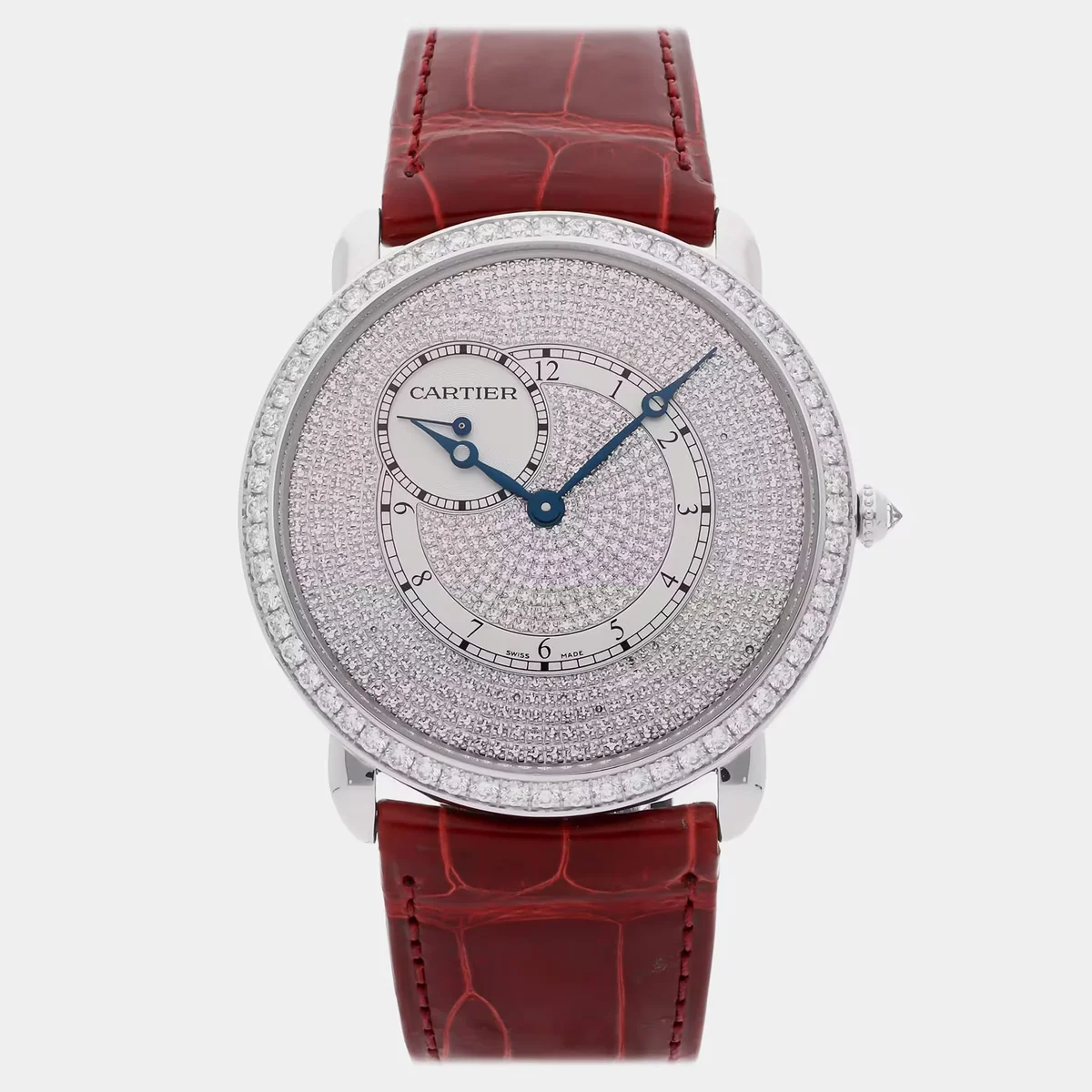
Ask a dozen watch collectors what makes a [Cartier](/buying-guides/iconic-cartier-watches-that-hold-their-value/) desirable, and you’ll get a dozen slightly different answers — the history, the design language that never quite ages, the fact that a Tank looks as sharp on a boardroom wrist today as it did in 1917. What almost everyone agrees on, though, is that Cartier occupies a strange and enviable position in horology: it isn’t chasing tourbillons or record-breaking complications, and it doesn’t need to. Its value proposition is design permanence, and permanence, it turns out, is exactly what holds up at resale.
That distinction matters if you’re shopping with more than styling in mind. A Rolex Submariner and a Cartier Tank solve completely different problems for a collector’s portfolio — one trades on mechanical prestige and waiting lists, the other on aesthetic authority and jewelry-house pedigree. If you’re evaluating Cartier as a serious purchase rather than an impulse buy, you’re really asking two questions at once: which model actually suits how you live and dress, and which one is going to still be worth something meaningful in ten or twenty years.
This guide walks through both. We’ll cover Cartier’s watchmaking origins, break down the six models that define the brand today, compare their materials and build quality, and be honest about where [resale value](/buying-guides/sneaker-trends-2025-styles-worth-the-hype/) is genuinely strong versus where it’s overstated. No hype, no “grail watch” language — just what we’d tell a friend before they spend five figures on a Cartier.
A Brief History of Cartier Watchmaking#
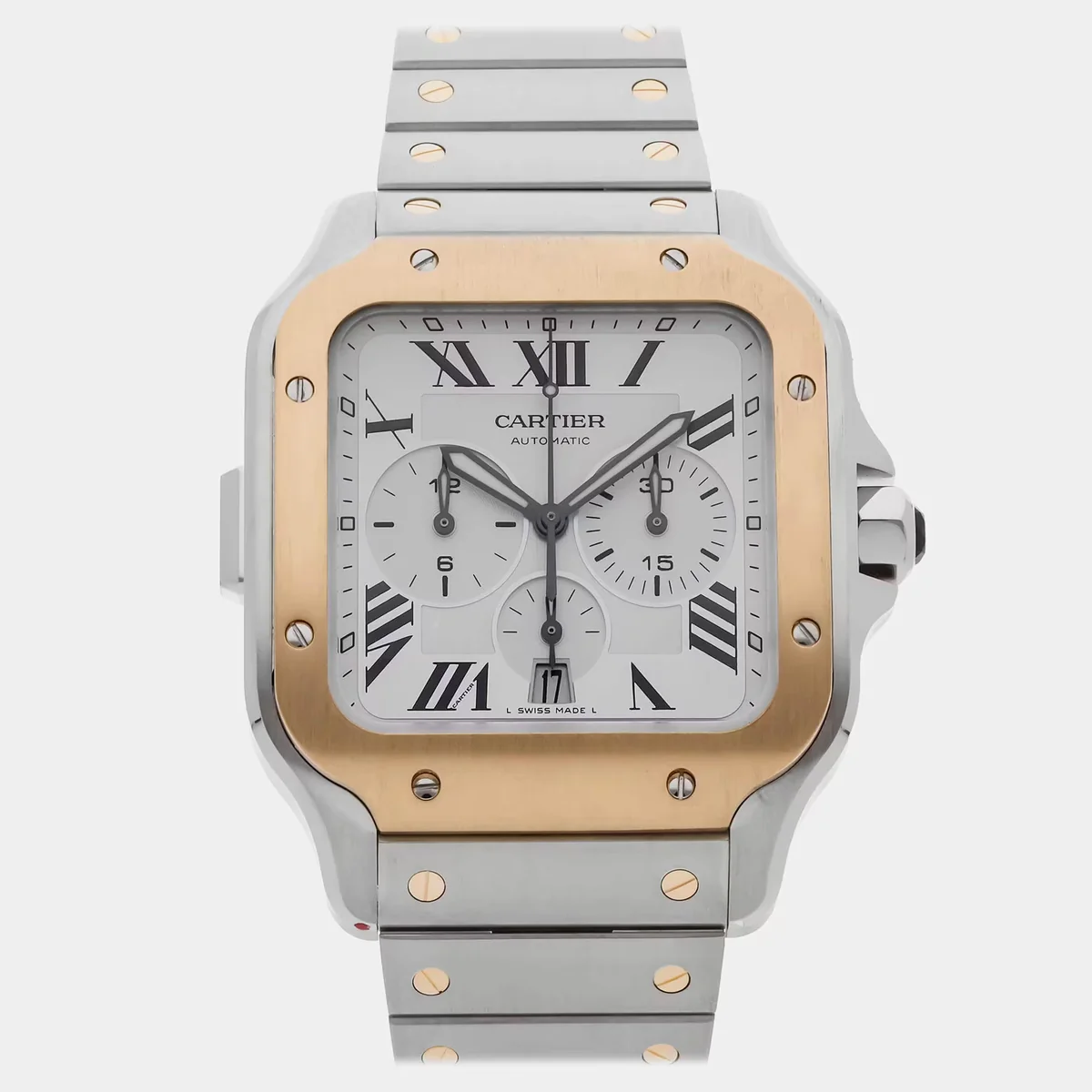
Cartier’s story starts in 1847, when Louis-François Cartier took over a jewellery workshop in Paris. For decades it was a jeweler, not a watchmaker, building a reputation among European royalty long before it touched horology seriously. That changed in the early 1900s, and the turning point is one of the more famous origin stories in luxury: Louis Cartier’s friend, the Brazilian aviator Alberto Santos-Dumont, complained that fumbling with a pocket watch mid-flight was dangerous and impractical. Louis Cartier’s response, in 1904, was a square-cased watch strapped to the wrist with exposed screws holding the bezel — a design so far ahead of its time that historians still credit it as the first modern men’s wristwatch.
That commission became the Santos, and it set the tone for everything Cartier would do next: solve a real problem, then make it beautiful enough to outlive the problem. The Tank arrived in 1917, its rectangular case and parallel brancards a direct nod to the top-down silhouette of Renault tanks rolling through WWI. The Baignoire followed in 1912, softening the brand’s geometry into an oval “bathtub” case aimed at women’s dress watches. By the 1980s, Cartier had added the Panthère and the Pasha, cementing shapes that had nothing to do with trend cycles and everything to do with recognizability.
This is the part that actually matters for buyers thinking about resale: Cartier’s watches don’t depreciate the way generic fashion-brand watches do, because the design equity was built over a century, not a marketing quarter. A Tank bought today is riding on the same silhouette that Jackie Kennedy and Andy Warhol wore. That kind of continuity is very hard for a competitor to manufacture, and it’s a big part of why Cartier’s resale floor tends to hold even when trends elsewhere in watches soften.
The 6 Most Iconic Cartier Watch Models#
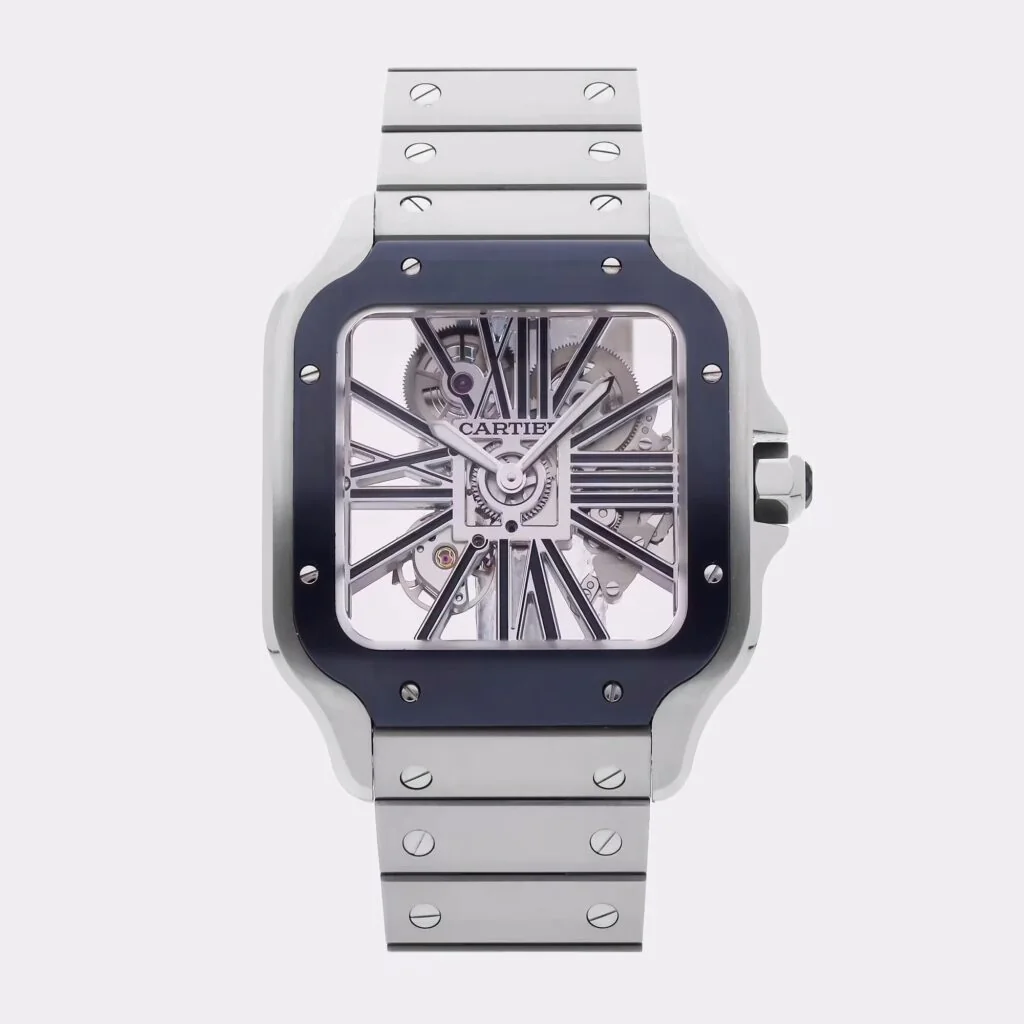
1. Cartier Santos
The original aviator’s watch, and still the most “does everything well” model in the lineup. The square case, exposed screws, and integrated bracelet give it a sporty-elegant look that reads as intentional rather than flashy. The 2018 redesign widened the case options and introduced an interchangeable strap system (QuickSwitch), which reinvigorated demand from a younger buyer base who’d previously skipped Cartier for sportier brands. It’s the model I’d point a first-time Cartier buyer toward if they want one watch that works in a suit and on a weekend.
2. Cartier Tank
Cartier’s most restrained design, and arguably its most important. Rectangular case, Roman numerals, sword hands, a cabochon-set crown — nothing about it shouts, which is precisely the appeal. The Tank comes in dozens of variants (Tank Louis Cartier, Tank Française, Tank Must, Tank Américaine), and that range is both a strength and a genuine complication for buyers, since resale performance varies a lot between them.
3. Cartier Ballon Bleu
Launched in 2007, this is Cartier’s modern, unisex-leaning answer to a market that wanted something rounder and sportier than the Tank but still recognizably Cartier. The signature move is the blue sapphire cabochon set into a protective arc over the crown. It’s the newest of the six models here, and that youth shows up in its resale profile — strong demand, but without the multi-decade track record of the Tank or Santos.
4. Cartier Panthère
Built around Cartier’s panther motif, which dates back to Jeanne Toussaint’s jewelry designs in the 1910s, the Panthère watch collection launched in 1983 and became an unmistakable symbol of 1980s glamour — think chunky gold bracelet links integrated seamlessly into the case. It fell out of favor for a while, which is exactly why vintage pieces from the ’80s and ’90s are now attracting real collector interest again.
5. Cartier Pasha
Created in 1985, loosely based on a design Cartier reportedly made for the Pasha of Marrakesh in the 1930s, this model is defined by its round case and the small chain-linked cap that protects the crown — a genuinely distinctive detail you won’t find on any other Cartier line. It leans sportier and chunkier than the Tank or Santos, and it has a smaller but loyal collector following.
6. Cartier Baignoire
The oldest continuously reinterpreted shape on this list, dating to 1912. The elongated oval case is almost exclusively found in precious metals and is aimed squarely at women’s dress watches. It’s the quietest model here in terms of market buzz, but that’s also why examples in good condition rarely flood the resale market.
Materials & Craftsmanship That Define Each Model#
Materials are where Cartier separates buyers who want a “nice watch” from buyers who want an asset. Here’s how the six compare:
- Santos – Predominantly stainless steel or steel-and-18k-gold two-tone, with solid gold versions available. The steel bracelet uses a durable, interchangeable link system. Dials are almost always Roman numeral with a railway-track minute ring — clean, legible, consistent across decades.
- Tank – This is where Cartier shows off. You’ll find Tanks in 18k yellow gold, rose gold, white gold, platinum, and steel (mainly the Tank Must line). Precious-metal Tanks use hand-applied guilloché or sunray dials on higher references, and the case proportions are noticeably more refined on vintage Louis Cartier pieces than on some contemporary reissues.
- Ballon Bleu – Steel, two-tone, and 18k gold/rose gold options, with the sapphire cabochon crown as the standout material detail. Build quality is solid but more “modern manufacturing” than hand-finished — the trade-off you make for its more accessible pricing relative to a vintage Tank.
- Panthère – Mostly 18k yellow gold, often paired with diamond-set bezels or dials on higher configurations. Vintage Panthère bracelets have a particular heft and articulation quality that newer reissues don’t fully replicate — worth handling both before you decide which era you actually want.
- Pasha – Steel and gold, larger cases (38-42mm typically) built for durability, including water resistance that’s genuinely useful rather than decorative. The chain-and-cap crown guard is a hand-assembled detail that adds real mechanical charm.
- Baignoire – Almost exclusively 18k gold or platinum, frequently diamond-set on the bezel or lugs. Because it’s rarely made in steel, entry price is higher, but the finishing is consistently at the top end of Cartier’s output.
The honest takeaway: if you want the clearest demonstration of Cartier’s craftsmanship, look at vintage Tanks and Baignoires in precious metal. If you want durability and everyday wearability, Santos and Pasha in steel are the more sensible daily-wear materials.
Why These Cartier Watches Hold (or Grow) Their Value#
Resale performance across these six models isn’t uniform, and treating “Cartier” as one monolithic investment category is a mistake I see buyers make constantly.
Santos benefits from strong liquidity — it’s easy to buy and easy to sell, especially in steel, because demand has broadened since the 2018 relaunch. It won’t necessarily outperform dramatically, but it holds a steady resale floor because there’s always a buyer.
Tank is the strongest long-term performer of the group, particularly vintage Louis Cartier references in gold or platinum. Scarcity of well-preserved vintage pieces, combined with the model’s design pedigree, means good examples have appreciated meaningfully over the past decade. Contemporary Tank Must pieces in steel, by contrast, are more fashion-driven and depreciate faster after purchase.
Ballon Bleu holds value reasonably well but doesn’t have the multi-decade track record to prove long-term appreciation the way the Tank does. It’s a safe, moderate performer — not a standout investment, but not a poor one either.
Panthère is the most interesting resale story right now. After years of being dismissed as “your mom’s 80s watch,” vintage gold Panthère pieces are seeing renewed collector demand as buyers rediscover Cartier’s jewelry-watch era. Prices on clean vintage examples have climbed noticeably.
Pasha is a mixed bag — desirable among a dedicated fan base, but its smaller collector pool means it can take longer to sell at a strong price compared to Santos or Tank.
Baignoire rarely loses value because supply is genuinely limited; Cartier doesn’t mass-produce it the way it does the Santos or Ballon Bleu. The trade-off is a smaller resale market, so selling can take patience even though the eventual price tends to be fair.
The pattern across all six: scarcity plus design continuity beats novelty. The newer, more heavily produced pieces (contemporary Ballon Bleu, steel Tank Must) trade more like fashion accessories. The scarcer, precious-metal, design-historic pieces (vintage Tank, Baignoire, gold Panthère) trade more like investments.
How to Choose the Right Cartier for You#
Start with how you’ll actually wear it, not which model has the best resale headlines.
- Budget-conscious entry point: Steel Santos or Tank Must. Lower upfront cost, strong liquidity, and a design you won’t tire of. Just don’t expect major appreciation — think of these as a well-chosen accessory more than an asset.
- Serious investment focus: Vintage Tank Louis Cartier or Baignoire in gold or platinum, bought from a reputable dealer with documented provenance. These carry higher entry prices but the strongest long-term value trajectory of the group.
- Wrist size and proportions: The Tank and Baignoire wear smaller and more elegant — better suited to slimmer wrists or those who prefer a dress-watch feel. Santos and Pasha run larger and bolder, better for wrists that can carry a sportier case.
- Occasion: If you need one watch that moves between casual and formal, Santos is the most versatile. If you want a statement dress piece for evenings, Baignoire or a diamond-set Panthère does more work.
- Collector goals: If you’re building toward a collection rather than buying one watch, prioritize the Tank first — it’s the model most other Cartier pieces get compared against, and it anchors a collection’s credibility.
One honest caveat: don’t buy any Cartier expecting Rolex- or Patek-level appreciation. Cartier’s value proposition is stability and design longevity, not explosive resale gains. If aggressive appreciation is your primary goal, Cartier is the wrong category entirely.
Frequently Asked Questions#
Are Cartier watches a good investment? Selectively, yes. Vintage Tanks, gold Panthères, and Baignoires in precious metal have shown real, sustained appreciation. Contemporary steel pieces like the Ballon Bleu or Tank Must are better thought of as well-made accessories that hold value reasonably rather than assets that grow significantly.
How do I verify a Cartier watch is authentic before buying pre-owned? Check the serial number engraved on the case back against Cartier’s records where possible, inspect the movement through an authorized service center if you have any doubt, and buy from dealers who provide documented authentication and return policies. Font weight on the dial, screw alignment on Santos models, and the quality of the guilloché finishing are all details counterfeiters routinely get wrong.
Which Cartier model retains value best? Vintage Tank Louis Cartier in gold or platinum has the strongest track record among the six models covered here, followed closely by the Baignoire due to limited production. Steel Santos holds value steadily rather than dramatically.
Is it better to buy new or pre-owned Cartier? Pre-owned, particularly for vintage Tank and Panthère pieces, often gets you better craftsmanship-per-dollar and avoids the immediate depreciation hit that new watches take once they leave the boutique. New is worth it mainly if you want the latest Santos or Ballon Bleu configurations with current warranty coverage.
Do Cartier watches need frequent servicing, and does that affect resale? Like any mechanical watch, yes — service every 5-7 years is standard. A documented service history from Cartier or an authorized center actually helps resale value, since buyers pay a premium for watches they know have been properly maintained.
Recommendations and Buying Advice#
If you’re buying your first Cartier and want the safest combination of style, liquidity, and reasonable value retention, go with a steel Santos — it’s the most forgiving choice across budget, wearability, and resale.
If you’re buying with investment as a genuine priority, put your money into a vintage Tank Louis Cartier in gold or platinum, bought with clear provenance from a specialist dealer. It’s the model with the clearest, longest-running appreciation story in Cartier’s catalog.
If you’re drawn to the brand’s jewelry-house identity rather than its sportier watchmaking side, a gold Panthère or diamond-set Baignoire will reward you both stylistically and, increasingly, at resale — vintage Panthère pieces in particular are undervalued relative to where collector demand is heading.
Whatever you choose, buy the design you’d still want to wear in fifteen years, not the one you think will flip fastest. With Cartier, that patience is usually what pays off.
Related Articles#
- Michael Kors Watches for Women: Best Dainty Dials
- Why the Chanel Crossbody Bag Never Goes Out of Style
- 6 Best Pre-Owned Luxury Watch Brands to Buy in 2026
- Designer Handbag Trends 2025: What’s Actually Worth Buying
Related guides
- Online Bag Authentication: What Photos Can and Cannot Prove
- Fake Goyard Bag Guide: How to Spot Real vs Fake (2026)
- How to Spot a Fake Chanel Flap Bag: Authentication Guide
- How to Spot a Fake Hermès Birkin: Expert Checklist
- How to Buy an Authentic Luxury Bag from China Safely
- New vs Pre-Owned Luxury Bags: Which Route Is Right for You?
- Chanel Bag Guide: What to Know Before You Buy
- Luxury Bag Houses


Keyword index