Introduction #
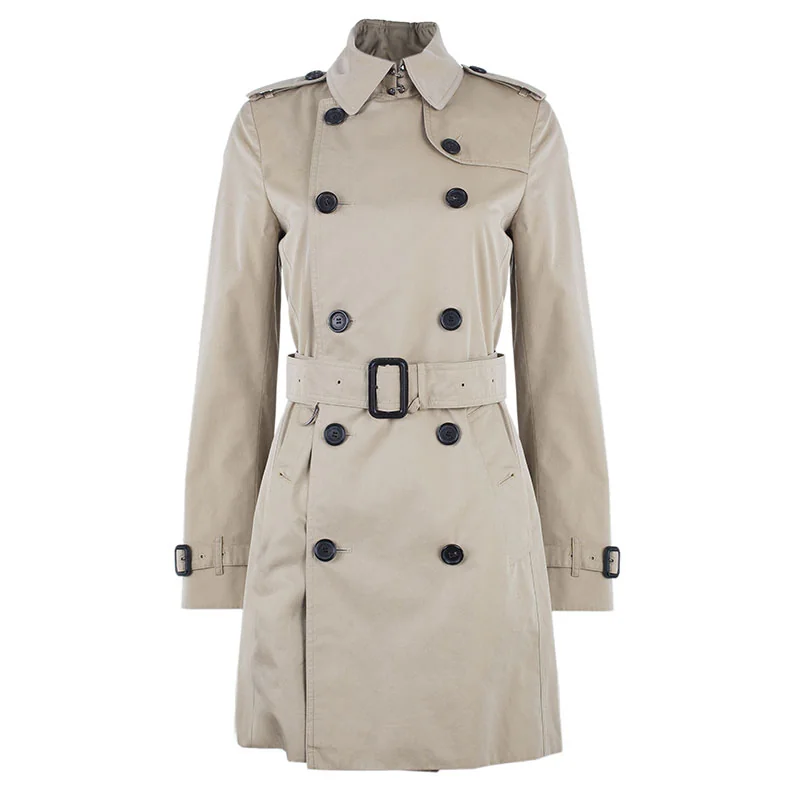
Hold up a beige trench coat with a red, camel, black, and white check lining, and almost nobody needs to be told the brand. Burberry has spent over 165 years building that kind of instant recognition, and it is one of a small handful of houses whose pattern alone functions as a trademark stronger than its name. But the version of Burberry you see on handbag hardware today, gold-tone equestrian knights, TB monograms, quilted leather totes, is a fairly recent chapter in a much longer story. The brand began as a maker of weatherproof outerwear for farmers and soldiers, not luxury accessories, and its path from a Hampshire draper’s shop to a FTSE 100 fashion house took detours through military contracts, Antarctic expeditions, a stock market listing, several very different creative directors, and at least one scandal that forced the company to rethink how it does business. Understanding that arc matters if you’re buying Burberry today, because the brand’s history is written directly into how its bags are made, marked, and counterfeited.
From Draper’s Apprentice to Fashion Pioneer: Burberry’s Origins #
Thomas Burberry was 21 when he opened his own outfitter’s shop in Basingstoke, England, in 1856. He’d trained as a draper’s apprentice, which meant he understood fabric construction on a technical level most retailers of the era didn’t bother with. Rather than simply selling cloth, he studied how it performed under stress, moisture, and repeated wear.
That obsession led to his most important invention. In 1879, Burberry developed a tightly woven, water-resistant cotton fabric that was breathable rather than rubberized, a real problem in the era of stiff, sweaty mackintosh coats. He patented it in 1888 under the name gabardine. It sounds like a minor textile footnote now, but gabardine is the reason Burberry became a name attached to durability rather than decoration. Explorers wore it. British Army officers wore it. Thomas Burberry supplied outerwear for polar expeditions, including tents and gear for parties heading to the Antarctic, and that association with extreme performance rather than fashion trends gave the brand a credibility that pure clothing houses didn’t have.
By the early 20th century, Burberry had moved well past a single shop. It had a reputation for function first, which is a very different origin story than most heritage luxury brands, and it’s worth remembering that the brand’s DNA is technical fabric, not embellishment.
The Trench Coat and the Birth of the Burberry Check #
Burberry didn’t invent the trench coat out of nowhere. The company had already designed a coat called the Tielocken in the early 1900s, a beltless, gabardine overcoat, and it became the template that British military tailors adapted for officers heading to the front. Once the design was adjusted with shoulder straps, D-rings, and storm flaps for battlefield use, it earned the name that stuck: the trench coat.
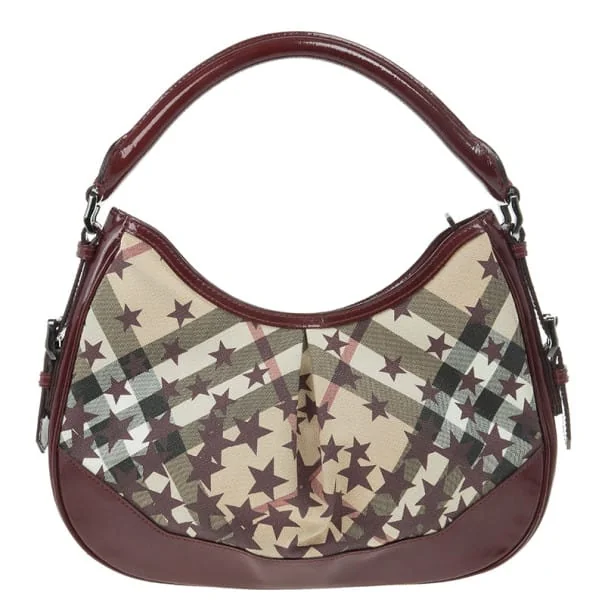
The check pattern came later and separately. Burberry introduced its now-famous camel, black, white, and red tartan check around the 1920s, originally as a lining for trench coats rather than a standalone print. That’s an important distinction for anyone trying to date vintage pieces: the check started as a practical interior lining, not a branding exercise, and it only became a deliberate visual signature decades later as Burberry leaned into it for scarves, then bags, then almost everything.
The Check as Intellectual Property #
Because the check became so closely tied to the brand, it also became one of the most litigated patterns in fashion. Burberry has pursued trademark infringement cases for decades against manufacturers producing unauthorized “Burberry-style” plaid on everything from scarves to phone cases. One of the more publicized disputes was Burberry’s 2011 lawsuit against Target over tartan-patterned scarves the company argued infringed on its registered check trademark, a case that ended in settlement. Burberry has also pursued action against counterfeit manufacturers across Asia and Europe, arguing, successfully in most jurisdictions, that the specific arrangement and colorway of its check functions as a protected trademark, not a generic tartan. If you’ve ever wondered why some resale platforms are cautious about listing “checked” bags without verifying authenticity first, this is why: the check pattern itself is one of the most copied designs in fashion, and Burberry treats infringement aggressively.
Burberry’s Evolution into Leather Goods and Handbags #
Burberry spent most of the 20th century as an outerwear and accessories brand. Its real transformation into a full leather goods and handbag house happened later, largely under a wave of new corporate and creative leadership starting in the late 1990s.
The Logo Story: From Equestrian Knight to TB Monogram (and Back) #
Burberry’s original logo, the Equestrian Knight device, a mounted knight carrying a banner reading “Prorsum” (Latin for “forward”), was introduced in 1901 and became the brand’s signature emblem for over a century, embossed on buttons, stamped into leather tabs, and printed on garment labels.
In 2018, under newly appointed chief creative officer Riccardo Tisci, Burberry made a jarring change: it dropped the Equestrian Knight as the primary mark in favor of a bold, sans-serif “TB” monogram designed by graphic designer Peter Saville, alongside a new logotype replacing Burberry’s traditional serif wordmark. The move was clearly aimed at competing with the monogram-driven resurgence happening at Gucci and Burberry’s peers, and it produced a wave of new bag lines, most notably the TB Bag, built entirely around the new initials.
The monogram didn’t stick as the brand’s sole identity. When Daniel Lee took over as chief creative officer in 2022, one of his first moves was reviving the Equestrian Knight, now referred to as the Equestrian Knight Design, alongside a return to the more traditional Burberry wordmark. For anyone authenticating bags, this matters practically: a genuine Burberry piece could legitimately carry the classic knight, the TB monogram, or Lee-era hardware, depending on the production year, and none of those eras is more “authentic” than the others. They’re simply different chapters.
The Designers Who Shaped Modern Burberry #
Christopher Bailey is the name most responsible for turning Burberry into a genuine luxury house. He joined as creative director in 2001 under CEO Rose Marie Bravo, who had been brought in from Saks to professionalize the brand, and Bailey stayed in creative leadership until 2018, eventually also serving as CEO. Under Bailey, Burberry expanded seriously into leather goods, launched Burberry Prorsum as its runway-driven line alongside the more accessible Burberry London and Burberry Brit, and built out bag families like the Buckle Bag and the DK88 that gave the house a genuine handbag identity beyond the check scarf.
Riccardo Tisci’s 2018-2022 tenure was shorter and more polarizing. He brought streetwear-adjacent silhouettes, the TB monogram, and a harder, more logo-forward aesthetic that some longtime Burberry customers found off-brand for a house built on quiet British tailoring.
Daniel Lee, who arrived in 2022 after leading Bottega Veneta, has pushed Burberry back toward heritage codes, reviving the knight, leaning into check-lined outerwear again, and introducing bag lines like the Knight bag that directly reference the brand’s original emblem. Each era left a physical fingerprint on the bags themselves, which is genuinely useful information when you’re dating or authenticating a piece.
Controversy and Correction: The 2018 Burning Scandal #
In its 2018 annual report, Burberry disclosed that it had destroyed £28.6 million worth of unsold clothing, accessories, and perfume the previous year, largely by incineration, to prevent excess stock from being sold at discount or counterfeited. The backlash was immediate and international, and it landed at a particularly bad moment for a company trying to reposition itself as a modern, socially conscious luxury house.
Burberry’s response was concrete rather than cosmetic. The company publicly committed to ending the destruction of unsold goods and joined the Ellen MacArthur Foundation’s Make Fashion Circular initiative to work on textile recycling and reuse. It’s worth noting as an honest downside of this brand’s history: Burberry got caught doing something the entire luxury industry was doing quietly, and its size and visibility made it the example everyone remembers.
Sustainability Today #
Burberry now publishes environmental targets covering carbon emissions, water use, and sourcing, and has stated ambitions around net-zero operations and increased use of recycled and responsibly sourced materials, including its cotton and leather supply chains. As with most sustainability reporting in luxury, the honest read is that these commitments are meaningful directionally but hard for outside buyers to verify independently, so treat sustainability marketing as context rather than a reason alone to buy new.
Ownership and the Business Behind the Brand #
Burberry Group plc has traded on the London Stock Exchange since 2002 and sits within the FTSE 100, which makes it one of the few major luxury houses that isn’t owned by LVMH, Kering, or Richemont. That independence has made it a recurring subject of acquisition speculation over the years, though it remains a standalone public company. Leadership has changed hands repeatedly this past decade: Marco Gobbetti served as CEO from 2017 to 2021, and Jonathan Akeroyd has held the role since 2022, steering the company through a period of softer luxury demand and a strategic pivot back toward heritage products like outerwear and leather goods after the monogram era underperformed expectations.
How to Spot an Authentic Burberry: Materials, Stitching, and Hardware #
Because Burberry’s history spans multiple logo eras, authentication has to account for which period a bag claims to be from. That said, a few checks apply across nearly all genuine Burberry leather goods.
Start with the check pattern itself if the bag features it. Genuine Burberry check has a precise, unbroken repeat, the lines meet cleanly at seams, and the colorway is consistent (camel, black, white, red on the classic Haymarket and Nova checks). Counterfeits frequently misalign the pattern at panel seams or use a washed-out, slightly wrong shade of camel.
Check the hardware next. Authentic Burberry zipper pulls and clasps are typically stamped “Burberry” or carry the Equestrian Knight or TB monogram depending on production era, with clean, deep engraving rather than shallow or blurry stamping. Hardware should feel weighted and cold to the touch, genuine metal plating, not lightweight pot metal that feels hollow.
Look inside for the leather tag, which should carry a style number and “Made in [country]” stamp, Italy and England are common for leather goods. Compare the font against verified reference images from the same era; Burberry’s serif wordmark from the Bailey years looks distinctly different from Tisci’s sans-serif branding, and a mismatch between logo era and claimed production year is a red flag.
Stitching should be even, tight, and free of loose threads, typically 8 to 10 stitches per inch on structured leather bags. Loose, uneven stitching or visible glue along edges is one of the more reliable tells on lower-quality counterfeits, though high-end fakes have gotten good enough that stitching alone shouldn’t be your only check.
Honest caveat: because the check pattern is so heavily counterfeited, and because Burberry has changed logos twice in under a decade, this is a brand where a single detail rarely proves authenticity on its own. Cross-reference hardware, stamping, lining, and stitching together, and when possible, have a professional authentication service verify anything above a few hundred dollars before you buy.
Buying Guide: What to Consider Before Purchasing Burberry #
New Burberry handbags generally run from around $1,200 for smaller crossbody styles to well over $3,000 for structured leather totes, with the check-canvas pieces often sitting in the middle of that range. On the resale market, well-kept Burberry bags in classic check canvas or leather typically trade between $300 and $1,500 depending on style, condition, and whether the logo era matches a period buyers are currently seeking out; Bailey-era pieces with the traditional knight logo have held value more consistently than the 2018-2021 TB monogram pieces, which have seen softer resale demand as trends moved on.
Condition matters more with Burberry canvas than with smooth leather. Coated canvas check can crack or discolor at fold lines and corners, so inspect those areas closely on any pre-owned piece and price in the cost of professional cleaning or restoration if needed.
Buy from sellers who provide clear, well-lit photos of the interior tag, hardware stamping, and stitching, not just the exterior. If you’re buying secondhand, prioritize platforms or consignment sellers who offer authentication guarantees or third-party verification, given how heavily this brand’s check pattern is counterfeited. Boutique and department store purchases remove authentication risk entirely but come at full retail price, which is a fair tradeoff if you want zero ambiguity on a first Burberry purchase.
The Trench Coat and Burberry’s Role in World War I #
Burberry’s trench coat is one of the rare fashion pieces with a genuine, documented military origin rather than a marketing story built after the fact. The British War Office commissioned adaptations of Burberry’s existing gabardine coats for officers serving in World War I, adding functional details soldiers actually needed: gun flaps for shoulder recoil, D-rings originally meant for attaching map cases and equipment (now often mistaken for purely decorative hardware), and a removable liner for warmth. Gabardine’s water resistance and breathability made it dramatically more practical than rubberized mackintosh coats in the flooded, mud-heavy conditions of trench warfare, which is where the coat picked up the name that outlasted its formal military designation.
That wartime association gave Burberry a layer of cultural weight that pure fashion brands rarely earn: the trench coat wasn’t designed to look military, it was built for one, and the styling choices that read as classic and elegant today, the epaulettes, the storm flap, the belted waist, are all functional carryovers from a coat designed to keep an officer alive and dry in a trench. It’s a genuinely rare case in luxury history where the utilitarian origin story is completely true and still shapes the silhouette sold today.
FAQ #
Is Burberry older than most [[[luxury handbag brands](/buying-guides/best-designer-handbag-brands-2025/)](/buying-guides/luxury-handbag-brands-worth-investing-in/)](/brands/popular-handbag-brands/)? Yes. Founded in 1856, Burberry predates houses like Gucci (1921), Prada (1913), and Louis Vuitton (1854) is roughly contemporary. Its age is part of why the brand carries genuine British heritage credibility rather than a manufactured one.
Why did Burberry change its logo so many times? Burberry moved from the Equestrian Knight to a TB monogram in 2018 under Riccardo Tisci to modernize the brand and compete with monogram-driven trends at other houses, then reverted to the knight and traditional wordmark in 2022 under Daniel Lee after the monogram era underperformed with core customers.
What’s the difference between Burberry check and other tartan patterns? Burberry’s check refers to a specific, trademarked color and line arrangement (traditionally camel, black, white, and red), not a generic tartan or plaid. That distinction is the legal basis for the brand’s numerous trademark infringement cases against companies using similar-looking patterns.
Did Burberry actually burn unsold products? Yes, confirmed in its 2018 annual report, £28.6 million worth of unsold goods destroyed the prior year. Burberry publicly committed to ending the practice afterward and joined circular fashion initiatives in response.
Is a Burberry bag with the TB monogram less valuable than one with the knight logo? On the resale market, generally yes right now. Knight-logo pieces from the Bailey era and earlier tend to hold value more consistently, while TB monogram pieces from 2018-2021 have seen softer demand, though this can shift as trends and Daniel Lee’s design direction continue to evolve.
What’s the single most reliable authentication check for a Burberry bag? There isn’t one. Cross-check the interior tag stamping, hardware engraving, check pattern alignment, and stitching together, and match the logo era to the claimed production period. Any single detail can be replicated well by counterfeiters; the combination is much harder to fake convincingly.
Related Articles #
- Ralph Lauren Brand History: The Story Behind the Icon
- How to Spot a Fake Burberry Bag: Full Guide
- Trussardi Brand History: Italy’s Underrated Leather House
- The History Behind Gucci’s Iconic Flora Print
- 5 Iconic Bags Named After Famous Women (Buying Guide)
Related guides
- Online Bag Authentication: What Photos Can and Cannot Prove
- How to Spot a Fake Hermès Birkin: Expert Tips
- How to Authenticate a Chanel Bag: 10 Expert Checks
- Fake Goyard Bag Guide: How to Spot Real vs Fake (2026)
- How to Buy an Authentic Luxury Bag from China Safely
- New vs Pre-Owned Luxury Bags: Which Route Is Right for You?
- Chanel Bag Guide: What to Know Before You Buy
- Luxury Bag Houses


Keyword index