Introduction: Think You Know Your Handbags? #
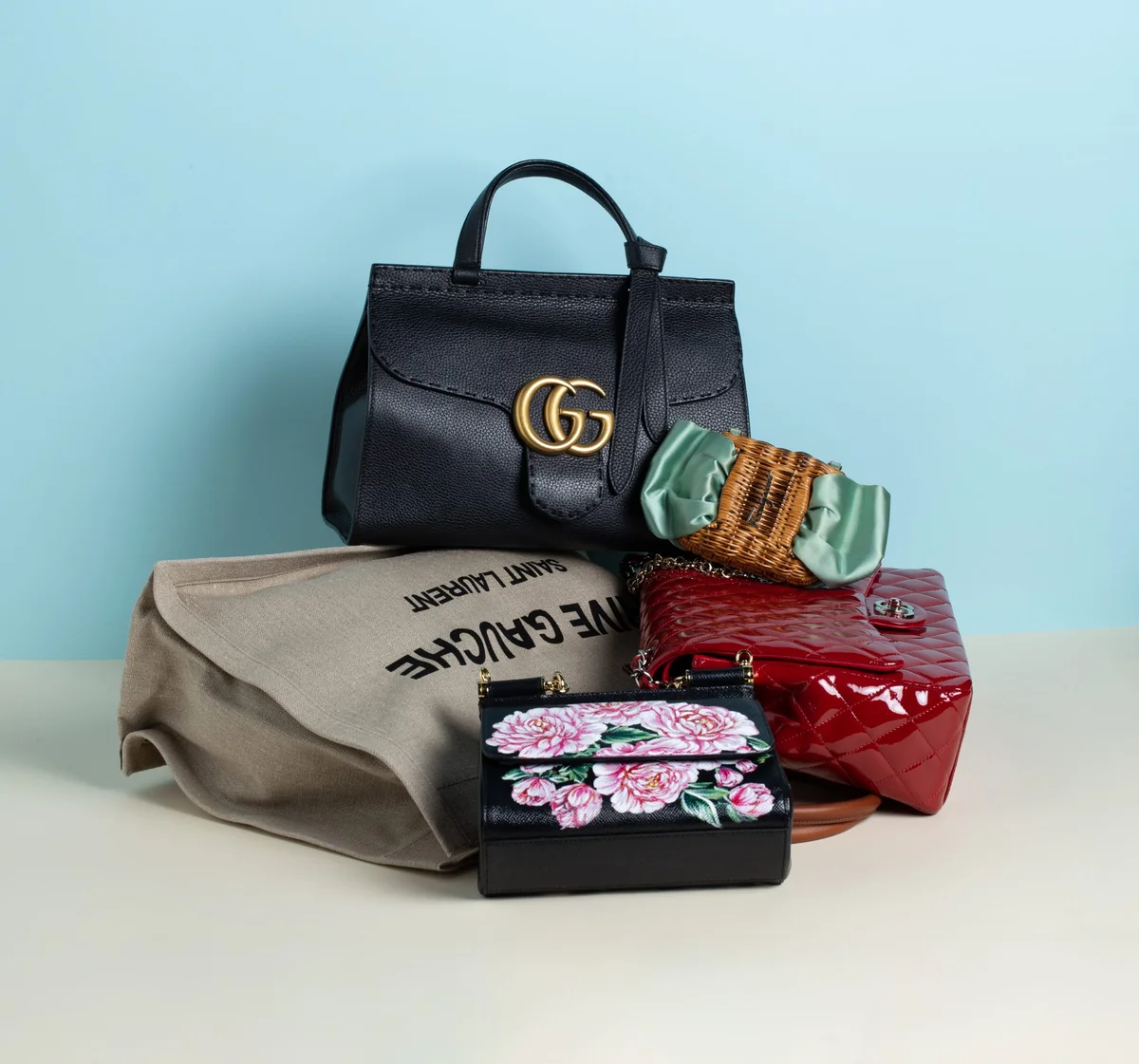
Every handbag obsessive has a moment of quiet confidence: you spot a Kelly across a room, or clock a Baguette in an old rerun, and think, I know exactly what that is. This designer handbag quiz is built for that reader — the one who has spent real time looking at stitching, hardware, and silhouettes, not just price tags.
What separates a casual fan from a true collector usually isn’t brand loyalty. It’s the details: naming origins, the year a bag got redesigned, the difference between a hand-stitched saddle seam and a machine-finished one. Before you jump into the quiz below, we’re walking through some of the trivia and technical knowledge that separates a lucky guess from an informed answer — including a few facts even long-time Hermès fans get wrong.
Iconic Comebacks and Pop Culture Moments #
Handbag history moves in cycles, and two moments define the modern comeback playbook.
The Dior Saddle bag is the clearest example. It debuted in 1999 under John Galliano, disappeared from prominence through the 2000s and early 2010s, then returned in 2018 under creative director Maria Grazia Chiuri as one of the most talked-about relaunches in recent memory. The distinctive curved flap and D-ring hardware hadn’t changed much — what changed was timing, styling, and a new generation discovering an old design through social media rather than editorial pages.
Fendi’s Baguette tells a different kind of comeback story. Designed by Silvia Venturini Fendi in 1997, it became a cultural fixture largely through Sex and the City, where Sarah Jessica Parker’s Carrie Bradshaw carried it constantly through the early 2000s. That association was strong enough that the bag’s 2019 relaunch leaned directly into the show’s cultural footprint rather than introducing something new.
Both stories matter for more than trivia points. They show how comeback bags tend to hold or gain resale value precisely because the demand cycle has already been tested once — a detail worth remembering later when we talk about buying decisions.
Hermès Kelly: Facts Every True Fan Should Know #
The Kelly bag wasn’t originally called the Kelly. Designed by Robert Dumas in the 1930s, it launched as the “Sac à dépêches,” a structured saddle-inspired satchel. The name change came after Grace Kelly, then Princess of Monaco, was photographed in 1956 holding one in front of her midsection on the cover of Life magazine — widely understood at the time as a way to shield a pregnancy from the press. Hermès formally renamed the bag in her honor shortly after.
A few details that separate casual familiarity from real expertise:
- Sizes carry different personalities. The 20 (often called Mini or Micro depending on era) and 25 skew dressy and evening-appropriate; the 28, 32, and 35 are the working sizes most people picture.
- Sellier vs. Retourne construction changes everything. Sellier Kellys have rigid, structured seams sewn with the leather turned outward; Retourne versions are softer, with seams turned inward before stitching, giving a slouchier silhouette.
- Leather choice affects price as much as size. Togo (grained, durable, everyday-friendly) and Epsom (structured, lightweight) sit at one end; Box calf and exotic skins like crocodile or lizard sit well above them.
- Hardware finish is a deliberate choice, not just aesthetics. Gold-tone hardware tends to read warmer and more traditional; palladium (silver-tone) reads cooler and more contemporary. Neither is “better,” but the two aren’t interchangeable when authenticating or valuing a bag.
- Every Kelly carries a blind stamp. Inside the bag, a stamped letter and craftsman ID indicate the production year and the artisan who made it — a detail most counterfeits either omit or get wrong.
None of this is obscure information to a dedicated collector, but it’s exactly the kind of detail our quiz will test.
Hardware, Craftsmanship, and the Details Experts Spot #
Trivia about naming and history is fun, but the details that actually protect you as a buyer live in the hardware and the stitching.
Saddle stitching is the first tell. It’s done by hand using two needles pulled through the same hole from opposite sides, which creates a stitch line that’s strong, slightly irregular, and diagonally angled when you look closely. Machine stitching, by contrast, is perfectly uniform and sits straight — a giveaway on a bag that should have been hand-sewn.
Hardware stamps matter more than most buyers realize. Authentic [[Hermès hardware](/authentication/authentic-vs-fake-hermes-kelly-bag-how-to-tell/)](/bag-care/hermes-leathers-guide/) is stamped “Hermès Paris Made in France” in a specific, consistent font, with clean, shallow engraving rather than deep or uneven etching. Weight matters too: genuine hardware has real heft because it’s solid metal with proper plating, not a lightweight base coated to look right.
Alignment and symmetry are where a lot of counterfeits fail without buyers noticing. Turn-locks should close smoothly with no wobble. Straps and handles should sit evenly. On a Kelly specifically, the front flap keepers, the lock, and the clochette should all align without visible gaps or crooked stitching.
Here’s a quick way to compare what separates a well-made authentic piece from a convincing fake:
| Detail | Authentic | Common Counterfeit Tell |
|---|---|---|
| Stitching | Hand-sewn, slightly angled, even tension | Machine-perfect or uneven spacing |
| Hardware weight | Substantial, solid feel | Noticeably light, hollow feel |
| Stamp font | Crisp, consistent, shallow | Blurry, too deep, or wrong spacing |
| Leather grain | Natural, slightly irregular | Overly uniform or artificial texture |
These are the kinds of cues our quiz will draw on — not just “can you name this bag” but “do you understand why it’s built this way.”
Take the Quiz: Test Your Designer Handbag Expertise #
This is the part you’ve been waiting for. Our designer handbag quiz mixes pop culture trivia, Hermès Kelly history, and hardware knowledge into one round — no padding, no throwaway questions.
[wp_quiz id=“24831”]
Answer honestly rather than guessing your way to a high score. The categories are designed to reflect genuine expertise, and your result at the end will tell you more than a number — it’ll place you into one of five handbag personality types, which we break down further below.
Why This Knowledge Matters When You’re Buying #
Trivia is entertaining, but every fact above has a direct line to smarter buying decisions.
Knowing that Kelly hardware should feel substantial, not light, is the same instinct that catches a counterfeit before you commit to a purchase. Knowing the difference between Sellier and Retourne construction helps you understand why two Kellys in the same size and leather can be priced differently. And knowing which bags — like the Dior Saddle or Fendi Baguette — have already proven their comeback potential gives you a read on resale stability that a spec sheet won’t.
On price, expect real variation depending on size, leather, and hardware: a Togo leather Kelly 25 with palladium hardware typically retails in the $10,500–$11,500 range at current pricing, with exotic skins and larger sizes climbing well beyond that. Resale prices on high-demand configurations often sit above retail, driven by Hermès’s allocation system rather than open availability — a detail that surprises a lot of first-time buyers.
The honest downside: even with all this knowledge, authentication isn’t always a five-minute job. Some counterfeits are genuinely well made, and stamp fonts or stitching alone won’t always settle the question on a photo-only listing. That’s exactly why we cover deeper authentication tips and detailed buying guides elsewhere on the site — this quiz builds the foundation, but a real purchase decision deserves a closer look.
Frequently Asked Questions #
Is this quiz based on real facts, or just for fun? Every question is built from documented brand history, construction details, or verifiable pop culture moments — nothing invented for difficulty’s sake.
Can quiz knowledge alone help me spot a fake? It helps you know what to look for, but it’s not a substitute for physically inspecting a bag or using a professional authentication service, especially for high-value purchases.
Why do some iconic bags increase in resale value while others drop? Scarcity, brand allocation policies, and sustained cultural relevance (not just a single viral moment) tend to separate bags that hold value from those that spike and fade.
How This Quiz Works (Scoring & Categories Explained) #
To keep things transparent, here’s exactly how the quiz is built. Each question falls into one of three knowledge categories: brand history and pop culture moments, Hermès Kelly specifics, or hardware and craftsmanship recognition. There are no trick questions or deliberately misleading answer choices — every question has one clearly correct answer based on documented fact.
Your final score maps to a result band based on how many categories you answered correctly, not just your total score. Someone who nails every hardware question but misses pop culture trivia will get a different result than someone who does the reverse, because the quiz is measuring the type of knowledge you have, not just the volume.
That result then feeds into a style personality match, explained below, which is meant to be a fun reflection of your instincts as a buyer — not a scientific assessment.
Handbag Style Personalities Explained (Classic, Bold, Minimalist, Trendy, Eclectic) #
However you score, your result places you into one of five personality types. Here’s what each one actually means:
- Classic: You gravitate toward structured silhouettes, neutral leathers, and designs built to outlast trends — think timeless proportions over seasonal statements. You’d rather buy once and carry for a decade.
- Bold: You’re drawn to statement hardware, saturated colors, and exotic materials. Subtlety isn’t the goal; presence is.
- Minimalist: Clean lines, minimal branding, and function over decoration define your taste. You’d choose a well-proportioned bag with no logo over a heavily branded one every time.
- Trendy: You track cultural moments and move with them — comeback bags, viral styles, and “it bag” cycles genuinely interest you, even knowing some of that value is momentum-driven rather than permanent.
- Eclectic: You mix eras, textures, and price points without much concern for consistency. A vintage find sits next to a current-season piece, and that contrast is the point.
None of these are better or worse than the others — they’re simply different lenses for the same passion. But if you’re using your quiz result to inform an actual purchase, it’s worth pairing your personality type with the practical guidance above: know the hardware, understand the construction, and check the details experts check before you commit.
Related Articles #
- Hermès Leathers Guide: Togo, Epsom, Exotic Skins Explained
- 5 Iconic Bags Named After Famous Women (Buying Guide)
- Popular Handbag Brands: Which One Is Right for You?
- Fendi Baguette: History, Value & Buying Guide
- Hermès Retail vs. Resale: Which Should You Choose?
Related guides
- Online Bag Authentication: What Photos Can and Cannot Prove
- Chanel 2.55 History, Details & How to Spot a Fake
- Private Bag Edit: Hermès Kelly Authentication Blog
- Hermès Date Codes & Stamps Explained: Full Guide
- How to Buy an Authentic Luxury Bag from China Safely
- New vs Pre-Owned Luxury Bags: Which Route Is Right for You?
- Chanel Bag Guide: What to Know Before You Buy
- Luxury Bag Houses


Keyword index