Introduction#
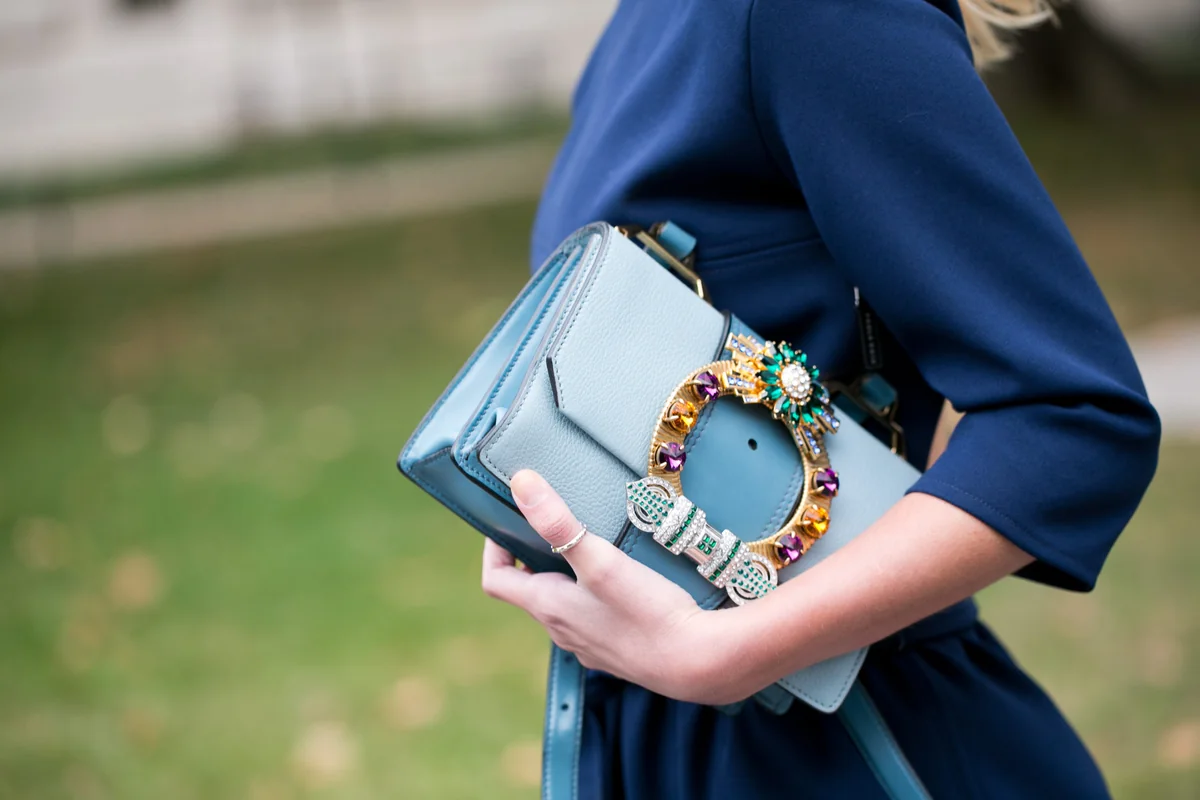
Let’s be honest: you know a Birkin from a Kelly at fifty paces, you can spot a quilted [[Chanel Classic Flap](/buying-guides/vintage-chanel-finds-top-picks/)](/buying-guides/designer-must-have-bags/) through a crowded airport lounge, and you’ve probably rehearsed what you’d say to a sales associate if that call ever comes for a Himalaya. But how deep does your handbag knowledge actually run?
This luxury handbag quiz is your chance to find out. It’s a quick, playful test built for people who genuinely love this category — the history nerds, the resale-value trackers, the ones who read hardware stamps like tea leaves. Some questions will feel like a warm-up lap. Others will make you second-guess a brand you thought you knew cold. That’s the point.
Scroll down, take the quiz, and see where your handbag IQ actually lands.
Why Every Handbag Lover Should Take This Quiz#
A designer handbag quiz only earns your time if it’s testing the right things, so here’s what this one actually covers.
First, iconic silhouettes — the bags that define their houses. Think Hermès Birkin and Kelly, Louis Vuitton’s Neverfull and Speedy, Chanel’s Classic Flap and 2.55, Dior’s Lady Dior and Saddle. If you’ve spent any real time around this category, you’ll recognize these shapes from a silhouette alone, no logo required.
Second, brand history. Luxury handbags carry decades of craftsmanship decisions, founder stories, and material choices that shape why certain bags command five- and six-figure resale prices while others depreciate the moment they leave the boutique. Knowing the “why” behind a bag’s status is what separates a casual shopper from someone who actually understands the market.
Third, current trends — because the landscape shifts constantly. Waitlists open and close, quiet luxury swings back into favor, and houses quietly discontinue styles that later become the most sought-after pieces on the resale market. A handbag knowledge test worth taking should reflect what’s happening now, not just what happened in 2015.
This isn’t a quiz designed to make you feel behind. It’s designed to sharpen an eye you probably already have.
Take the Quiz: How Much Do You Really Know?#
Ready? Here’s the moment of truth. Answer honestly — no googling mid-quiz, we’ll know.
[wp_quiz id=“11844”]
Take your time, trust your gut on the trickier questions, and don’t be surprised if a couple of these send you straight to the comments section to argue with us.
What Your Score Reveals About Your Handbag IQ#
However you scored, here’s how to read it.
If you landed in the top tier, you’re operating at collector level. You likely already know which Birkin sizes and colors move fastest on the resale market and can spot a reissue detail without flipping the bag over. Consider this quiz a confirmation of what you already suspected: you know your stuff.
A middle-of-the-pack score is nothing to apologize for. It usually means you know the icons cold but haven’t drilled into the finer brand-history details — the kind of trivia that comes from years of reading auction results and following waitlist gossip. That’s an easy gap to close, and honestly, it’s the fun part of this hobby.
A lower score isn’t a verdict on your taste. It often just means your expertise leans toward one house or category rather than the whole landscape. Plenty of genuine Hermès obsessives have never given Fendi or Valentino a second look, and that’s a completely reasonable way to specialize.
Wherever you land, retake it in a few weeks after browsing a few more of our reviews and guides — scores tend to climb fast once a few key facts click into place. And if you beat a friend’s score, that’s a bragging right worth sharing.
Iconic Bags Every Enthusiast Should Recognize#
A few bags come up again and again in any serious handbag conversation, and it’s worth understanding why.
The Hermès Birkin remains the benchmark for exclusivity. Introduced in 1984 and named for actress Jane Birkin, it’s still made largely by hand by a single artisan per bag, which is part of why waitlists (unofficial, since Hermès doesn’t formally maintain one) and resale premiums persist. The honest downside: acquiring one at retail is genuinely difficult, and secondary-market prices for popular colors and leathers can run well above original retail.
The [Louis Vuitton Neverfull](/brands/louis-vuitton-neverfull-insider-retail-story/) is the opposite kind of icon — accessible, durable, and everywhere, which is exactly its appeal and its limitation. The coated canvas holds up well to daily abuse, but that same ubiquity means it holds resale value far less impressively than the house’s more limited pieces.
Chanel’s Classic Flap, built on Coco Chanel’s original 1955 design, is the quilted leather bag every other quilted bag gets compared to. Its chain-and-leather strap and CC turn-lock are instantly recognizable, and prices have climbed steadily due to repeated brand price increases — a factor that’s kept resale demand unusually strong for a non-Hermès bag.
Dior’s Lady Dior, famously carried by Princess Diana, and the sleeker Saddle bag round out the group of pieces every serious enthusiast should be able to identify on sight, along with Valentino’s Rockstud line, which proved a non-heritage house could still build a genuinely collectible icon through smart, consistent design language rather than decades of history.
Recognizing these bags isn’t just trivia. It’s the foundation for understanding value, authenticity red flags, and where the market is likely headed next.
Sharpen Your Eye: Tips to Spot Investment-Worthy Handbags#
Trivia is fun, but the real skill is translating that knowledge into smarter buying decisions. A few things we always check before calling a bag investment-worthy.
Craftsmanship and material quality matter more than logo recognition. Hand-stitched leather, dense saddle-stitching, and consistent hardware plating age well; bonded leather and thin coated canvas don’t, no matter how iconic the silhouette.
Scarcity is a real driver, but only when it’s genuine. Limited editions and discontinued colorways from Hermès and Chanel tend to hold or gain value because production is deliberately constrained. Manufactured “limited” runs from less disciplined brands often don’t hold the same trajectory.
Condition and documentation can make or break resale price. A full set of box, dust bag, care card, and original receipt regularly adds meaningful percentage points to resale value, especially for Hermès and Chanel pieces where authentication scrutiny is high.
Classic shapes in neutral leathers consistently outperform trend-driven colors and micro-bags when it’s time to sell. It’s tempting to chase the seasonal It-bag, but the pieces that hold value five years out are almost always the ones that looked good the day they launched and still do now.
And a dose of honesty: not every luxury handbag is an investment. Plenty of beautiful, well-made bags are simply beautiful, well-made bags that will depreciate like any other fashion purchase. Buying one is a perfectly good decision — just don’t confuse it with buying gold.
FAQ#
Is this designer handbag quiz accurate for testing real expertise? It’s built around verified brand history, materials, and market facts rather than trick questions, so a strong score genuinely reflects solid handbag knowledge — though no ten-question quiz can capture the full depth of the category.
How is the Birkin bag quiz section different from the rest? Because Hermès operates so differently from other houses (no formal waitlist, artisan-made production, extreme resale demand), those questions focus specifically on Birkin-specific facts rather than general designer handbag trivia.
I got a low score — does that mean I don’t know handbags? Not at all. Most people who know one or two houses deeply still miss questions outside their specialty. Use it as a nudge to explore brands you haven’t studied as closely.
Can I retake the quiz to improve my score? Yes, and we’d encourage it. Read a few of our brand history or buying guide pieces first, then come back — scores usually jump noticeably.
Does scoring well mean a bag I own is a good investment? Not directly. Quiz knowledge shows you understand the market; actual resale value still depends on your specific bag’s condition, rarity, and demand at the time you sell.
Related Articles#
- Louis Vuitton Bags Quiz: How Much Do You Really Know?
- Popular Handbag Brands: Which One Is Right for You?
- Designer Handbag Trends 2025: What’s Actually Worth Buying
- Louis Vuitton Alma Bag: The Ultimate Buying Guide
- 10 Best Designer Handbags Worth the Investment (2026)
Related guides
- Online Bag Authentication: What Photos Can and Cannot Prove
- Fake Goyard Bag Guide: How to Spot Real vs Fake (2026)
- How to Spot a Fake Chanel Flap Bag: Authentication Guide
- How to Spot a Fake Hermès Birkin: Expert Checklist
- How to Buy an Authentic Luxury Bag from China Safely
- New vs Pre-Owned Luxury Bags: Which Route Is Right for You?
- Chanel Bag Guide: What to Know Before You Buy
- Luxury Bag Houses


Keyword index