Introduction#
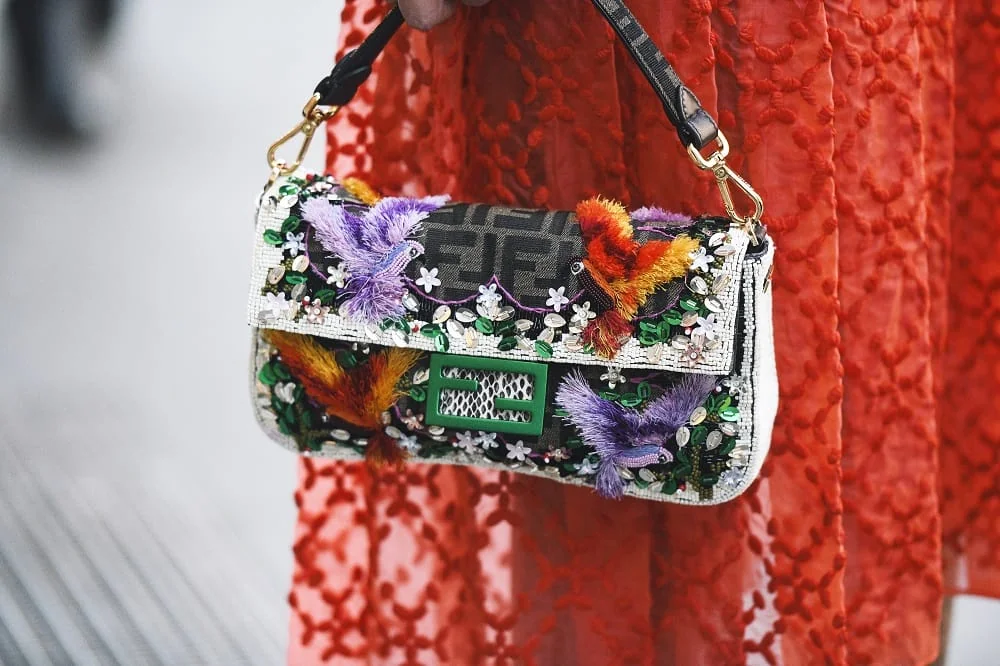
Some handbags carry a season. The [Fendi Baguette](/brands/fendi-baguette-review-worth-buying-2024/) carries an era, and honestly, it started the whole “it bag” concept before anyone in fashion was using that phrase seriously. Before influencers, before drop culture, before resale apps made tracking a bag’s value a full-time hobby, there was a small, oddly-shaped bag from Rome that women queued up for and television made famous.
I’ve handled more Baguettes than I can count, across auction previews, consignment counters, and my own closet, and I still think it’s one of the smartest pieces of handbag design to come out of the 1990s. It’s also one of the most inconsistently priced bags on the resale market, which makes buying one well a genuinely useful skill rather than a luxury.
This guide traces where the Baguette came from, why it became a cultural fixture rather than a passing trend, which editions actually hold their value, and what to check before you commit real money to one, new or pre-owned.
Fendi Baguette: A History#
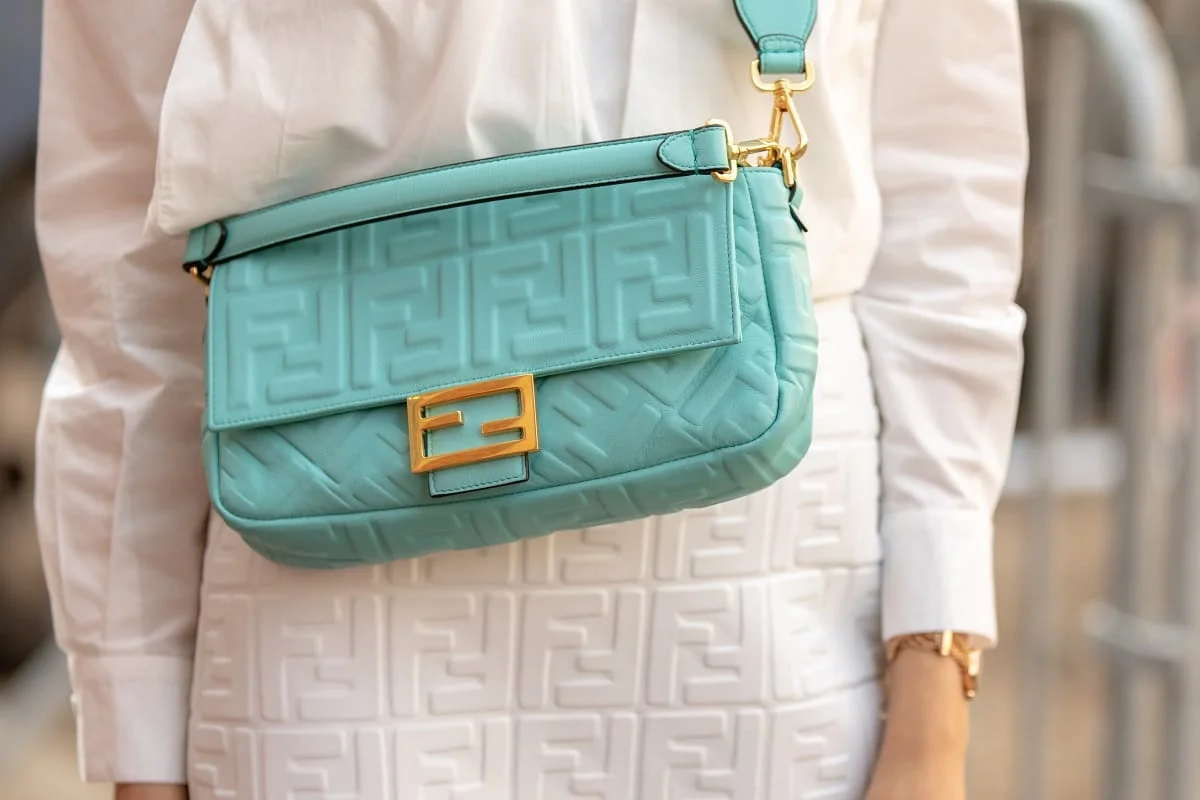
The Baguette arrived in 1997, designed by Silvia Venturini Fendi at a moment when minimalism was the industry’s unofficial law. Small, structured, boxy shoulder bags with clean lines were the accepted formula. Venturini Fendi ignored that formula almost entirely. She built a bag meant to be tucked under the arm the way the French carry a loaf of bread, which is exactly where the name came from, and gave it proportions and embellishment that felt closer to jewelry than to a practical daily bag.
Reportedly, the design wasn’t an easy sell internally. It was seen as too small to be functional and too glamorous to be taken seriously as everyday luxury. Venturini Fendi pushed it through anyway, and that stubbornness turned out to be correct. Over two decades later, the Baguette is still one of the house’s most celebrated shapes, and Fendi treats it accordingly, with anniversary collections, museum-style retrospectives, and steady reissues.
The bag’s real inflection point, though, wasn’t the runway. It was television. Sex and the City put the Baguette in Carrie Bradshaw’s hands repeatedly, most memorably in a mugging scene where she’s more upset about losing the bag than her wallet, which tells you everything about how the show positioned it. That exposure did something most marketing budgets can’t buy: it made the Baguette recognizable to people who had never set foot in a Fendi boutique. Within a year of the show’s influence taking hold, Fendi had sold more than 100,000 units. That’s not a slow-burn success story. That’s a genuine phenomenon.
Why the Fendi Baguette Became a Cultural Icon#
Plenty of bags get a moment. Few get three decades. A few things explain why the Baguette had staying power instead of fading with 90s nostalgia.
The name did real work. Calling a handbag after a loaf of bread sounds almost too simple, but it gave the design an instantly visual, easily repeated identity. “Baguette” is memorable in a way that most bag names, frankly, are not.
The design lives in contrasts. It’s structured but soft at the edges. It’s small but visually loud. It reads as classic in one fabrication and completely of-the-moment in another. That duality is genuinely rare in handbag design, and it’s the reason the Baguette has never felt stuck in 1997 the way a lot of its contemporaries do.
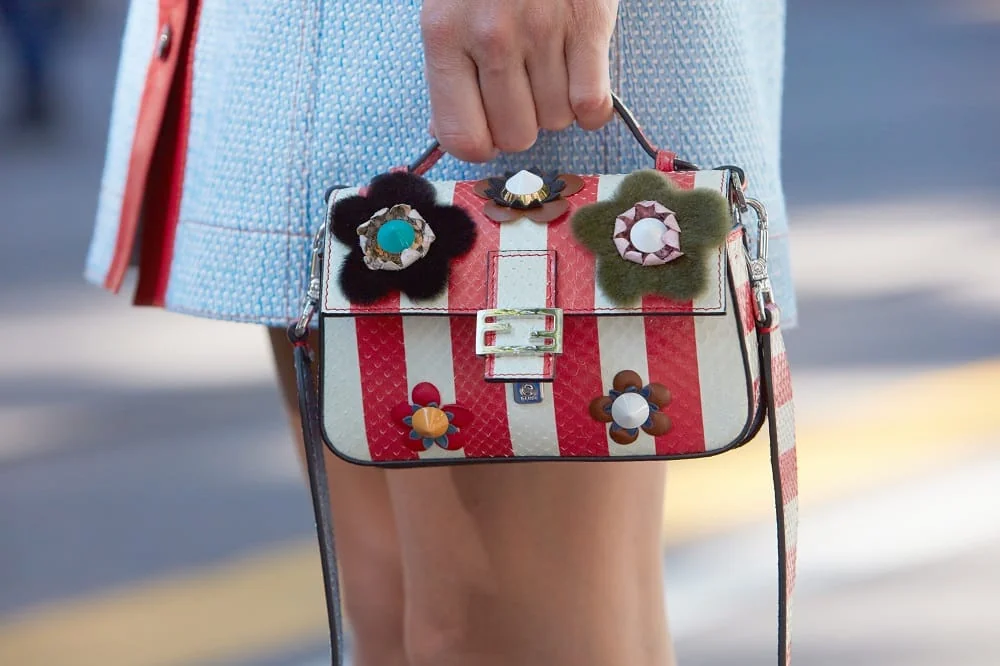
The variety is almost absurd. Fendi has produced so many Baguette iterations, in leather, fabric, fur, beading, sequins, logo jacquard, that the house commissioned The Baguette Book, published by Rizzoli, cataloging around 250 versions. I’ve flipped through it, and it functions less like a lookbook and more like proof that Fendi treated this bag as an ongoing design project rather than a single product.
The logo added instant recognition. Many Baguettes carry the inverted Zucca monogram, designed by Karl Lagerfeld in 1965, which gives even the quieter versions unmistakable brand presence.
It keeps coming back on its own terms. The 2021 revival, timed with the Sex and the City reboot, is the clearest recent example. Fendi didn’t need to reinvent the bag to make it relevant again; it just needed to remind people it existed.
Iconic Editions and Collaborations#
Not every Baguette is created equal, and if you’re buying with resale or investment in mind, this is where the real research happens.
The original Zucca canvas Baguette remains the most historically significant version and, in my opinion, the one worth prioritizing if you want a piece that represents the bag’s origin story rather than a later reinterpretation. It’s also the version most frequently counterfeited, so provenance matters more here than almost anywhere else in the Baguette line.
Embellished and beaded Baguettes from the early 2000s are collector favorites, and rightly so. They’re labor-intensive, visually distinct, and increasingly hard to find in excellent condition, since beading and sequin work doesn’t age gracefully without careful storage.
Fur and exotic-skin Baguettes exist, but I’d treat these as statement pieces rather than practical daily bags or reliable investment picks. Fur in particular ages unpredictably and narrows your resale pool to buyers comfortable with fur.
Limited capsule releases and material experiments, like the logo-embossed fabric versions and studded leather micro Baguettes, show how far Fendi has stretched the silhouette without losing the shape’s core identity. A grey leather studded micro double Baguette, for instance, keeps the compact proportions but plays with texture and hardware in a way the original canvas version never attempted. These newer takes tend to be more attainable entry points if you want the Baguette experience without chasing a vintage Zucca piece.
The honest takeaway: the more historically significant or hand-embellished the piece, the stronger its long-term desirability. The more novelty-driven the material, the more it functions as a fashion purchase rather than an investment one.
How to Style the Fendi Baguette#
The Baguette rewards confidence more than coordination, which is part of why it’s stayed relevant. Here’s what I’ve actually found works.
Wear it the way it was designed to be worn, tucked under the arm, not slung crossbody. Crossbody straps exist on some versions, but they undercut the silhouette’s whole point. The bag is meant to sit close to the body, almost like an accessory to your arm rather than a separate object.
Let it be the loudest thing in the outfit if it’s an embellished or logo-heavy version. A beaded or sequined Baguette next to a plain tailored blazer and trousers looks considered. Pairing it with an already busy outfit competes with the bag instead of showcasing it.
For the classic canvas or leather versions, they slot easily into both daytime and evening looks. I’ve carried mine with denim and a white shirt during the day and with a slip dress at night, and it held up structurally and visually in both settings, which is more than I can say for a lot of “structured” bags that go soft after a few years of use.
Mind the capacity honestly. The original Baguette and its micro variations are small. If you’re used to tote-sized everyday bags, this will require editing down what you carry, not finding a bigger Baguette. That’s a genuine trade-off, not a styling trick.
Investment Value and Resale Potential#
This is where I want to be direct rather than diplomatic: the Baguette is a strong collectible, but it is not a uniformly strong investment across every version, and treating it as one is where buyers get disappointed.
Original 1997-era Zucca canvas Baguettes and well-preserved embellished pieces from the early 2000s have shown genuine appreciation on the resale market, particularly ones with original packaging, dust bags, and documentation. These pieces benefit from scarcity and cultural relevance in a way newer editions simply don’t have yet.
Standard leather Baguettes in classic colorways hold value reasonably well but shouldn’t be expected to appreciate dramatically. They’re desirable, liquid on the resale market, and easy to sell, but they behave more like a stable secondhand asset than a growth investment.
Novelty materials, seasonal collaborations, and fur versions tend to depreciate faster than the classic silhouette, largely because their appeal is trend-driven rather than heritage-driven. If [resale value](/buying-guides/sneaker-trends-2025-styles-worth-the-hype/) is your primary motivation for buying, these are the versions I’d steer you away from.
Condition is non-negotiable in this category. Because many Baguettes are small, embellished, or made from delicate materials, condition issues (loose beading, cracked coated canvas, tarnished hardware) hit resale value harder than they would on a simpler, sturdier bag. A Baguette in excellent condition with box and authenticity card will consistently outsell a comparable one missing either.
Buying Advice: What to Know Before You Purchase#
Buying new gives you certainty on authenticity and condition, but the Baguette’s price point new has climbed steadily, and Fendi’s boutique selection tends to favor current-season fabrications over the historically significant versions collectors actually want. If you’re after a specific vintage Zucca or early-2000s embellished piece, new isn’t an option at all, since those runs are long discontinued.
Buying pre-owned opens access to the entire history of the bag, but it demands more diligence. Here’s what I check every time:
Hardware and stitching. Genuine Fendi hardware has weight and precise engraving. Stitching should be even and tight, particularly around the flap and handle attachment points, which take the most wear.
The Zucca logo alignment. On canvas versions, the inverted Zucca print should align symmetrically across panels. Misaligned or blurry printing is one of the most common tells on counterfeit pieces.
Interior labeling and serial details. Authentic Fendi bags have consistent font, spacing, and placement on interior tags. Compare against verified reference images from the same production era, since labeling has changed over the decades.
Condition of embellishments. On beaded, sequined, or studded versions, check for missing pieces, loose threads, or replaced elements, which are common and significantly affect both structural integrity and resale value.
Documentation. Original receipts, authenticity cards, and dust bags don’t just support resale value, they make future authentication far easier if you ever decide to sell.
If you’re not confident authenticating a vintage or embellished piece yourself, use a reputable third-party authentication service or buy through a platform that guarantees authenticity. It’s a small cost relative to the price of a real Baguette, and it removes the single biggest risk in this category.
On price expectations: current-season Baguettes retail in the low-to-mid four figures depending on size and material, while embellished or exotic versions climb well beyond that. Pre-owned pricing swings widely based on rarity, condition, and edition, which is exactly why doing your homework on the specific version matters more than checking a single “average price” figure.
FAQ#
When was the Fendi Baguette first released? The Baguette launched in 1997, designed by Silvia Venturini Fendi.
Why is it called the Fendi Baguette? The name references the way the bag is carried under the arm, similar to how a French baguette loaf is traditionally held.
What made the Fendi Baguette so popular? Its distinctive silhouette, wide variety of materials and embellishments, and prominent appearances on Sex and the City drove it to mainstream popularity, selling over 100,000 units within a year of the show’s influence.
Is the Fendi Baguette a good investment? Selectively, yes. Original Zucca canvas versions and well-preserved embellished editions from the early 2000s have held or gained value. Standard leather versions hold value steadily. Trend-driven or fur editions are less reliable as investment pieces.
How can I tell if a Fendi Baguette is authentic? Check hardware weight and engraving, stitching consistency, Zucca logo alignment on canvas versions, interior tag details, and request documentation like receipts or authenticity cards. When in doubt, use a professional authentication service.
What is the Fendi Baguette price range? New, current-season Baguettes typically start in the low four figures and rise significantly for embellished or exotic materials. Pre-owned prices vary widely by edition, rarity, and condition, so pricing should be assessed version by version rather than assumed from a single benchmark.
How many versions of the Fendi Baguette are there? Hundreds. Fendi’s own Baguette Book, published by Rizzoli, catalogs around 250 versions, and the brand has continued releasing new iterations since.
Related Articles#
- Why the Chanel Crossbody Bag Never Goes Out of Style
- How Pre-Owned Luxury Fashion Is Reshaping the Industry
- YSL Tribute Sandals: Why This Iconic Style Still Reigns
- Chanel Flap Bag Buying Guide: Sizes, Prices & Deals
Related guides
- Online Bag Authentication: What Photos Can and Cannot Prove
- Fake Goyard Bag Guide: How to Spot Real vs Fake (2026)
- How to Spot a Fake Chanel Flap Bag: Authentication Guide
- How to Spot a Fake Hermès Birkin: Expert Checklist
- How to Buy an Authentic Luxury Bag from China Safely
- New vs Pre-Owned Luxury Bags: Which Route Is Right for You?
- Chanel Bag Guide: What to Know Before You Buy
- Luxury Bag Houses


Keyword index