Introduction #
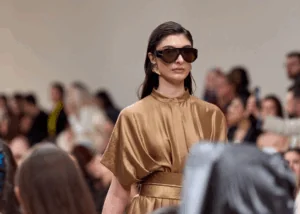
Dubai Fashion Week SS26 ran from September 1 to 6, 2025, and its placement matters as much as its content. Scheduled ahead of New York, London, Milan, and Paris, DFW effectively opens the international fashion calendar rather than trailing it. That sequencing is deliberate: whoever shows first gets the first read on trend direction, and this season Dubai used that position to stake a claim as a genuine node in the global luxury conversation, not a regional sideshow.
For readers who track handbags more closely than runways, DFW is worth watching for a specific reason. Hardware finishes, structural silhouettes, and material choices that surface on a September runway in Dubai often echo — or predict — what shows up in resale listings, authentication requests, and “new It bag” chatter six to twelve months later. This piece breaks down what actually happened, what’s still unclear about access and schedule, and how the season’s design language connects to the handbag market this site covers.
The SS26 Calendar at a Glance #
The six-day run had a clear internal rhythm rather than being one continuous showcase:
- September 1–2: Opening runway presentations, including established couture names alongside first-time DFW designers.
- September 3: “Italian Day,” a trade-focused program with the Italian Trade Agency highlighting UAE-Italy fashion commerce.
- September 4–5: Fashion Futures, a conference track covering AI in design, sustainability, and digital fashion, running parallel to continued runway shows and The Buyers Programme meetings.
- September 6: Closing presentations and final buyer sessions.
Individual designer show times are released and updated close to the event through the Arab Fashion Council’s official channels rather than published as a single fixed lineup months in advance, which is standard practice for fashion weeks generally. If you’re planning around a specific label, the AFC’s official schedule is the accurate source closer to the date rather than any early preview list.
Access, Venue, and How to Watch #
DFW is staged at Dubai Design District (d3), a purpose-built creative and retail zone rather than a temporary tent structure, which gives it more permanent infrastructure than many younger fashion weeks. That matters for logistics: showrooms, buyer meeting spaces, and runway venues sit within walking distance of each other.
Access is largely industry-facing. Runway seating is primarily allocated to press, buyers, and invited guests, similar to how Milan and Paris operate — this is not a ticketed public event in the way some city-run “fashion festivals” are. Public attendance options tend to center on satellite activations, retail pop-ups, and Fashion Futures panel sessions rather than the main runway. For remote viewing, DFW streams selected shows via its official social channels and website, which is realistically the most reliable way for international readers to watch without traveling.
From Arab Fashion Week to Global Institution #
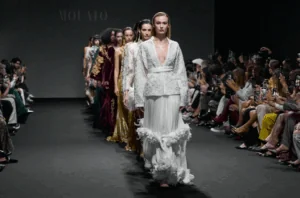
DFW didn’t appear from nothing. It descends from Arab Fashion Week, launched in 2015 by the Arab Fashion Council under founder Jacob Abrian, who started the organization at 22 with a specific goal: give Arab and wider MENA design talent a structured international platform instead of relying on Paris or Milan showrooms to get noticed.
The rebrand came in 2023, when the AFC partnered with Dubai Design District to relaunch the event as Dubai Fashion Week, explicitly positioned to compete with the established Big Four. That partnership gave the event something Arab Fashion Week lacked on its own: permanent physical infrastructure. d3 now houses more than 1,100 creative businesses, which means DFW isn’t renting a venue for a week — it’s operating inside an existing fashion and retail ecosystem year-round.
That distinction matters for credibility. Fashion weeks that pop up in a convention center and disappear for eleven months struggle to build lasting industry relationships. DFW’s model — anchored to a permanent design district, backed by The Buyers Programme and initiatives like Fashion Futures — is closer to how Milan and Paris function, where the fashion week is one visible peak of a continuous industry presence.
DFW vs. the Big Four: How the Numbers Stack Up #
Direct comparisons are imperfect since these events measure and report differently, but the publicly available figures give a useful sense of scale.
| Metric | Dubai Fashion Week | Paris Fashion Week | Milan Fashion Week | New York Fashion Week |
|---|---|---|---|---|
| Calendar position (SS season) | First | Last | Third | Second |
| Established | 2015 (as Arab FW); rebranded 2023 | 1973 (Fédération) | 1958 | 1943 |
| Reported SS26 attendance | 50,000+ | Not centrally published | Not centrally published | ~230,000 (industry estimates) |
| International buyer count | 200+ (Buyers Programme) | Thousands, decentralized | Thousands, decentralized | Thousands, decentralized |
| Reported economic impact | $100M+ annually | Multi-billion (city-wide) | Multi-billion (city-wide) | ~$573M (2023 NYC estimate) |
The honest read here: DFW is still an order of magnitude smaller than Paris or Milan in raw economic footprint, and its attendance figures are self-reported by organizers rather than audited by an independent city tourism body the way New York’s are. Where DFW actually competes is in growth rate and calendar positioning, not yet in absolute scale.
Emerging Trends and Themes for SS26 #
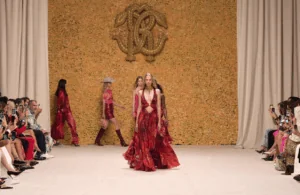
Rather than walking through designer-by-designer, it’s more useful to group SS26 by the design ideas that recurred across multiple collections — that’s a better signal of where the market is heading than any single show.
Sustainability, but material-first #
Several labels leaned on process-driven sustainability rather than slogans. TOTON’s use of batik technique alongside paper clay detailing, and Fioletowy Studio’s eco-conscious silks and upcycled fabrics, both point to a broader shift: sustainability credentials increasingly live in material sourcing and craft technique, not just in marketing copy. For handbag buyers, this is the same shift already underway at brands experimenting with recycled leather alternatives and traceable hides.
Cultural fusion as a design language, not a theme night #
Rizman Ruzaini’s reworking of Malaysian batik into couture silhouettes was the clearest example of a pattern across the week: heritage textile techniques translated into contemporary structure rather than displayed as costume. This is a meaningfully different approach from “heritage collections” that simply reference a region’s motifs — the fusion happens at the construction level.
Empowered femininity through structure #
Zeena Zaki and Heba Jasmi both worked in architectural tailoring and jewel-toned color, while Chic & Holland leaned into regal gown silhouettes. The common thread is structure over drape — sharp shoulders, defined waists, engineered volume. That silhouette language tends to travel directly into accessory design, which is exactly where it shows up next.
Inclusivity as a stated strategy #
According to figures the AFC has cited, roughly 40% of SS26 designers came from emerging fashion markets including Southeast Asia and Central America. Whether that ratio holds season over season is worth watching, but it’s a deliberate positioning choice — DFW is marketing itself on diversity of origin, not just diversity of aesthetic.
Luxury Accessories and Handbags on the DFW Runway #
This is where DFW starts to matter directly to handbag-focused readers, with a caveat up front: Hermès does not show on the traditional fashion week circuit, DFW included, and neither do most heritage houses that operate their own presentation calendars. So the connection here is trend-forecasting, not runway sightings of Kelly or Birkin bags.
What DFW does offer is an early look at how the season’s dominant silhouette and material ideas translate into accessories, which matters because emerging-market design trends have a track record of surfacing in mainstream luxury a season or two later.
Structured hardware follows structured tailoring. The architectural silhouettes from Zeena Zaki and Heba Jasmi were paired with boxy, top-handle bag shapes and heavier, more sculptural clasp hardware rather than soft hobo or slouch styles. That tracks with what’s already happening in the resale market — structured top-handle bags with substantial hardware (the Kelly being the reference point most of our readers already know) continue to hold value better than slouchy trend pieces, and DFW’s SS26 runway reinforced that structure is not going away.
Cultural motif detailing on hardware and closures. Batik-inspired patterning and regional textile motifs appeared not just on garments but translated into clasp engravings, embossed leather panels, and closure hardware on the accessory pieces styled alongside several collections. This is worth watching for buyers: hardware detailing tied to specific cultural techniques can be genuinely collectible, but it also raises authentication complexity if smaller or newer labels don’t document their hardware processes clearly — something to flag before paying a premium for a “limited” piece from an emerging designer.
Material experimentation in bag bodies. Paper clay and batik-treated textiles referenced by TOTON, and upcycled silks from Fioletowy Studio, both point toward non-traditional bag body materials gaining runway visibility. These materials look striking but haven’t been stress-tested for durability the way calfskin or box leather has over decades — a real consideration if you’re buying for daily use rather than display.
The honest downside: none of this is confirmed direct influence on any specific luxury house’s next collection. It’s directional evidence, not a guarantee. Treat DFW as an early signal, not a forecast you should bet resale money on.
What DFW SS26 Means for Luxury Buyers and Collectors #
For readers who buy with [[[resale value](/brands/celine-luggage-tote-guide-sizes-history-resale-value/)](/prices-and-value/luxury-price-hikes-2026-resale-impact/)](/buying-guides/best-time-to-buy-a-luxury-handbag-1/) or long-term collectibility in mind, DFW SS26 offers a few concrete takeaways rather than general excitement.
Emerging designers are getting real commercial traction, which changes the risk calculus. The Buyers Programme reportedly connected over 200 international buyers, including major retailers, and generated significant order volume last season. That’s meaningful because a designer bag or accessory line with actual retail distribution behind it carries different resale and authentication logic than a one-off runway sample. If a name from this list starts appearing at Neiman Marcus or Harrods, that’s a stronger collectibility signal than social media buzz alone.
Structured, hardware-forward bags remain the safer investment lane. Every major trend grouping from SS26 — empowered femininity, cultural fusion, even the sustainability pieces — leaned toward structure and deliberate hardware detailing rather than minimalism. For collectors already holding structured icons like the Kelly, this is reassuring: the broader design conversation isn’t moving away from what already anchors the top of the resale market.
New regional brands mean new authentication homework. As designers from Southeast Asia, Central America, and the wider MENA region gain visibility through DFW, secondary market listings for their pieces will follow. Unlike Hermès or Chanel, these brands don’t yet have decades of documented hardware stamping, serial conventions, or established authentication services behind them. Before paying a premium for a “DFW-featured” piece from a newer label, verify retail provenance directly — a Buyers Programme connection to a known retailer is a better provenance signal than a runway credit alone.
Don’t overpay for runway association. A bag styled on a DFW runway is not the same as a bag actually sold at retail in that exact configuration — a common gap in emerging fashion week markets where runway styling and commercial production diverge more than they do at Chanel or Dior. Ask specifically whether a piece matches the retail collection before treating “as seen at DFW” as a value driver.
How Arabian Heritage Shaped the SS26 Runway #
Most coverage of DFW mentions “heritage influence” as a passing line. The specifics are more interesting and more useful for understanding what’s actually collectible.
Textiles. Rather than importing heritage wholesale, several SS26 collections treated regional textile technique as a construction method. Batik — traditionally a resist-dyeing technique associated with Southeast Asia but increasingly cross-referenced with Gulf textile traditions in DFW’s programming — appeared as structural fabric treatment rather than surface print, meaning the pattern was built into the weave and finish rather than printed on top of a plain base cloth.
Silhouettes. Architectural tailoring with defined waists and structured shoulders, seen across Zeena Zaki and Heba Jasmi’s work, draws directly on regional formal dress traditions that favor volume and coverage without sacrificing shape — a modernized reading of silhouettes that have existed in Gulf and broader Arab formal wear for generations, rather than a Western silhouette with regional prints applied.
Motifs and materials. Jewel-tone palettes and metallic embellishment, common across the empowered femininity grouping, reference the color and ornamentation traditions long associated with regional formalwear and jewelry, translated into ready-to-wear and accessory hardware rather than confined to occasion dress.
The distinction worth remembering: DFW’s heritage influence is showing up in construction and technique, not just in color palette or print. That’s a harder thing to fake or shortcut, which is part of why it’s a more durable design signal than a seasonal “inspired by” collection.
Standout Collections and Designer Spotlights #
Beyond the trend groupings, a few names anchored the season’s headline appeal and are worth tracking individually.
Michael Cinco brought the established couture presence DFW leans on for press attention — elaborate, heavily embellished eveningwear that photographs well and reinforces DFW’s positioning as a couture-capable venue, not just a commercial showcase.
Manish Malhotra’s presence connected DFW to the South Asian luxury market directly, a significant audience overlap given the UAE’s large South Asian expatriate and consumer base — a strategic booking as much as a creative one.
Rizman Ruzaini delivered the season’s clearest example of technique-forward cultural fusion, and is a name worth watching if his batik-couture approach continues to gain international retail distribution through programs like The Buyers Programme.
TOTON and Fioletowy Studio represented the sustainability-forward, materials-first end of the week — smaller labels without the headline recognition of Cinco or Malhotra, but arguably more indicative of where emerging-market design innovation is actually happening.
Buyer and organizer sentiment following the season, as reflected in AFC’s post-event communications, centered on order volume and international retail connections rather than pure press coverage — a sign that DFW is measuring its own success commercially, which is a more useful metric for buyers than runway applause.
FAQ #
When did Dubai Fashion Week SS26 take place? September 1 to 6, 2025, at Dubai Design District (d3).
Is Dubai Fashion Week open to the public? Mostly no. Runway seating is largely reserved for press, buyers, and invited guests, similar to Paris and Milan. Public-facing elements tend to be limited to satellite retail activations and select Fashion Futures panel sessions. Check the Arab Fashion Council’s official site closer to the event for any public-access programming.
Where can I watch DFW SS26 if I’m not attending? Selected shows are streamed via DFW’s official social channels and website. This is the most reliable option for international viewers.
Who are the designers showing at DFW SS26? There’s no single fixed lineup published far in advance — the schedule is confirmed and updated closer to the event through official AFC channels. Confirmed highlights this season included Michael Cinco, Manish Malhotra, Rizman Ruzaini, Zeena Zaki, Heba Jasmi, Chic & Holland, TOTON, and Fioletowy Studio.
How does DFW compare to New York, London, Milan, and Paris? DFW is smaller in raw economic scale (roughly $100M+ reported annual impact versus multi-billion-dollar city-wide figures for Paris and Milan), but it holds a distinct calendar advantage as the first major fashion week of the season, and its buyer program numbers are growing year over year.
Does Hermès or other major luxury houses show at DFW? No. Heritage houses like Hermès operate their own presentation calendars outside the traditional fashion week circuit. DFW’s relevance to those brands’ buyers is indirect — through trend forecasting and regional market growth, not runway participation.
Will there be a DFW SS27 or future seasons? DFW operates on the standard biannual fashion week cycle, so a following season is expected. Exact dates are announced by the Arab Fashion Council closer to each event.
Related Articles #
- Paris Fashion Week SS26: Trends, Highlights & How to Shop
- Handbag Trends 2024: The Bags You’ll Actually Wear
- Paris Fashion Week Men’s SS26: Everything You Need to Know
- Fendi First Bag Guide: History, Design & Resale Value
- How Pre-Owned Luxury Fashion Is Reshaping the Industry
Related guides
- Online Bag Authentication: What Photos Can and Cannot Prove
- Luxury Handbag Authentication Process Explained
- China TikTok Luxury Factory Claims: Fact vs Fiction
- Chanel 2.55 History, Details & How to Spot a Fake
- How to Buy an Authentic Luxury Bag from China Safely
- New vs Pre-Owned Luxury Bags: Which Route Is Right for You?
- Chanel Bag Guide: What to Know Before You Buy
- Luxury Bag Houses


Keyword index