Introduction: Fashion’s Most Forward-Thinking Runway #
Copenhagen Fashion Week 2025 runs August 4 through August 8, and for anyone tracking where luxury fashion is headed next, this is the week to watch. CPHFW opens the global calendar before Milan, Paris, London, and New York, which means the silhouettes and materials shown on these runways tend to surface in luxury collections six to twelve months later. It’s become known informally as the “fifth fashion week,” not because of size or star power, but because it consistently gets ahead of what the bigger houses eventually adopt.
What sets Copenhagen apart isn’t just Scandinavian minimalism, though that aesthetic is very much intact. It’s the mandatory sustainability framework baked into who gets a slot on the official schedule at all. Brands showing at CPHFW have to meet certified material thresholds before they’re allowed on the runway. No other major fashion week enforces anything close to that. For readers who care about where their handbags, leather goods, and hardware actually come from, Copenhagen is arguably the most useful fashion week to follow, even if it doesn’t produce headline-grabbing bag launches the way Paris does.
The History of Copenhagen Fashion Week: From Trade Fairs to Global Influence #
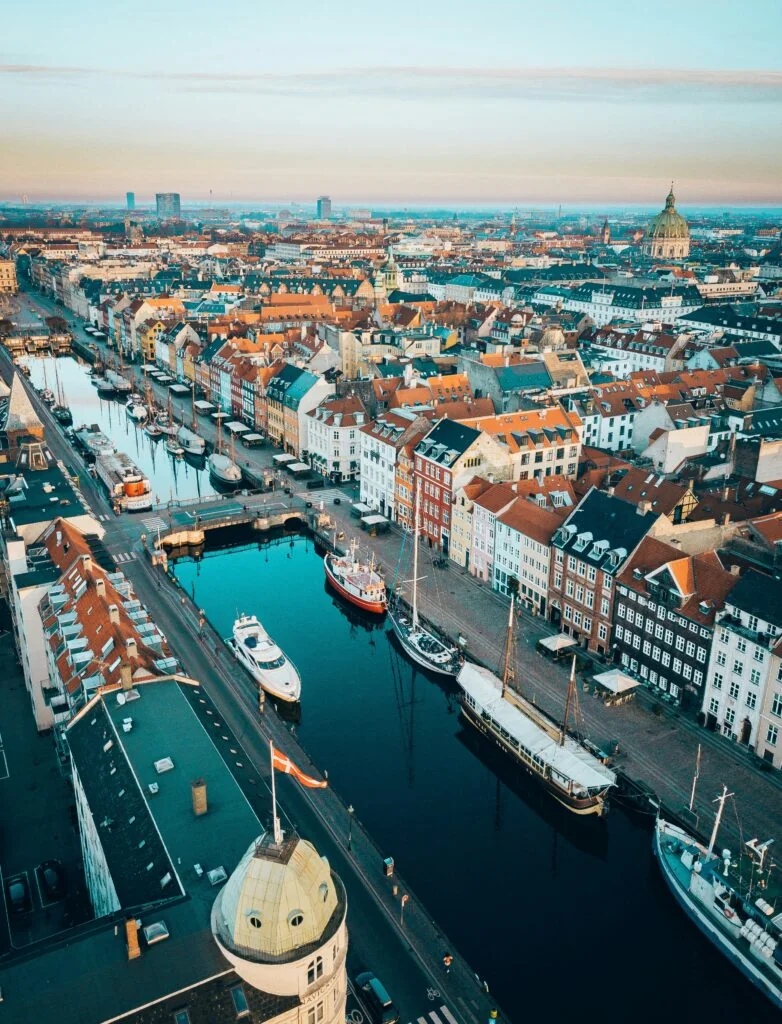
CPHFW didn’t start as a runway spectacle. Its roots trace back to Dansk Modeuge, a Danish clothing trade fair dating to the 1950s, built around wholesale buying rather than editorial coverage. For decades it functioned as a regional commercial event, useful to Danish manufacturers but largely invisible outside Scandinavia.
That changed in 2006, when Eva Kruse, working with the Danish Fashion Institute (DAFI), restructured the trade fair model into a unified international fashion week. Kruse’s stated goal was to prove that Danish and Nordic design could compete globally without sacrificing responsible production, a position she summarized directly: responsible production and groundbreaking creativity “aren’t mutually exclusive.” That line has effectively become the organization’s operating philosophy ever since.
Kruse didn’t stop at restructuring the calendar. In 2009 she co-launched the Copenhagen Fashion Summit alongside the UN Climate Change Conference (COP15), giving the fashion week a direct line into global climate policy conversations years before sustainability became an industry buzzword. She followed that with the Nordic Initiative, Clean and Ethical (NICE), an early push toward sustainable materials and consumer education that predates most competitors’ sustainability departments by a decade.
The next inflection point came under Cecilie Thorsmark, who took over as CEO and turned Kruse’s ethical framework into enforceable policy. Mandatory sustainability standards were introduced in 2020 and fully implemented by 2023, making CPHFW the first fashion week to require compliance rather than encourage it. Thorsmark has since expanded the model outward, forging partnerships with London’s British Fashion Council and Amsterdam Fashion Week to export Copenhagen’s sustainability framework, and updating the Sustainability Action Plan again in 2024 to tighten requirements further.
Why the CIFF Connection Matters #
Copenhagen International Fashion Fair (CIFF) runs alongside the runway shows, and it’s arguably the more commercially important half of the week. With roughly 1,000 brands across 20,000 square meters, CIFF is where buyers, wholesalers, and press actually do business. If you’re trying to spot which Danish label is about to break internationally, CIFF’s floor is a better early signal than the runway schedule itself.
Sustainability at the Core: Setting the Global Standard #
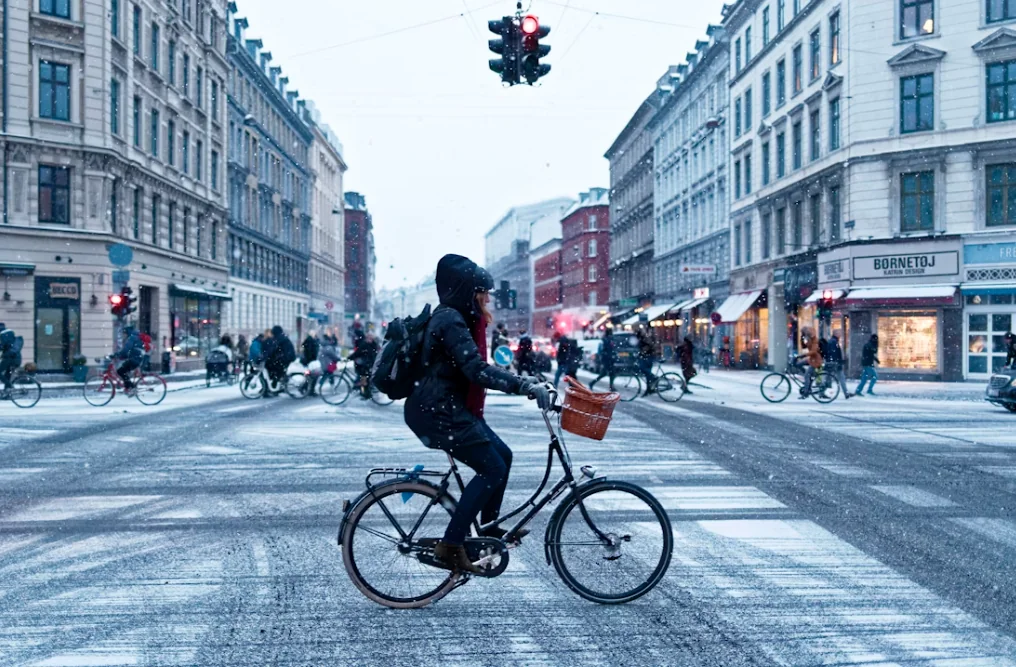
The 2020 Sustainability Action Plan is the mechanism that actually backs up Copenhagen’s reputation. It set 19 minimum standards that every brand on the official CPHFW schedule must meet before they’re granted a runway slot, covering everything from material sourcing to labor practices to waste handling backstage. This isn’t a voluntary pledge system like the sustainability charters some other fashion weeks publish. Compliance is a prerequisite for participation.
The most cited requirement is material composition: brands must use a minimum of 60% certified, recycled, or deadstock fabric across a collection to qualify. That threshold forced a genuine shift in how Danish design houses source textiles, pushing many toward regenerated nylon, organic cotton blends, and deadstock leather sourced from overproduction elsewhere in Europe.
The link to COP15 in 2009 wasn’t a one-off PR moment either. It set the tone for CPHFW’s continued positioning as a policy-adjacent event rather than a purely commercial one, and it’s part of why Gen Z shoppers, who consistently rank supply chain transparency as a purchase factor, treat Copenhagen’s schedule as more credible than most.
The honest caveat: mandatory standards don’t guarantee perfect execution. Certification frameworks vary in rigor, deadstock sourcing is genuinely hard to verify at scale, and enforcement relies heavily on brand self-reporting rather than independent audits. Copenhagen has done more than any other fashion week to formalize sustainability requirements, but “most sustainable fashion week” is a relative claim, not an absolute one.
Nordic Style Evolution: Trends Defining SS2026 #
Walking the CPHFW SS2026 schedule against last season’s AW25 shows, a few shifts stand out clearly enough to call trends rather than one-off styling choices.
Gender-fluid tailoring has moved from a handful of standout labels to something closer to a schedule-wide default. Where AW25 still separated menswear and womenswear silhouettes on most runways, a noticeably higher share of SS26 looks used unstructured blazers, straight-leg trousers, and boxy shirting cut to work across genders rather than for one specifically. This tracks with what’s happening in luxury ready-to-wear generally, where unisex tailoring has become a commercial category rather than a runway statement.
Fabric usage tells a similar story of acceleration rather than reinvention. Recycled and deadstock textiles were already required minimums under the 2020 standards, but SS26 collections leaned into visibly textured, slightly imperfect surface finishes, unbleached linen, raw-edge denim, undyed wool, treating “recycled” as an aesthetic rather than something to disguise. Compare that to a few seasons ago, when brands often processed recycled fibers to look indistinguishable from virgin materials.
Color palettes stayed restrained, consistent with the Scandinavian minimalism CPHFW is known for, but with more tonal layering than in prior seasons. Instead of single-color monochrome looks, several collections built outfits from three or four shades within the same family, stone, oat, and bone appearing together rather than a single neutral worn head to toe. Silhouettes generally ran looser through the torso and slightly cropped at the ankle, a continuation of a trend that’s been building gradually since SS24 rather than a hard reset.
Designers and Brands to Watch #
The established names anchoring the CPHFW schedule remain consistent: Ganni for accessible Scandinavian ready-to-wear, Cecilie Bahnsen for romantic volume and technical fabrication, Rotate Birger Christensen for going-out pieces with a sustainability angle, and Saks Potts for statement outerwear. These brands have the resources and press relationships to draw international buyers regardless of what’s on the runway that particular season.
The more useful names for readers looking to get ahead of a trend are the smaller labels showing on CIFF’s discovery floor or in the emerging designer slots on the official schedule. A. Roege Hove has built a reputation on knitwear engineering that treats structure as the design statement rather than an afterthought. Stamm and Berner Kühl represent a newer wave of Copenhagen labels working in pared-back, architectural silhouettes with a tighter material footprint than larger houses can manage. Han Kjøbenhavn continues to be the reference point for Copenhagen menswear specifically, blending streetwear proportions with tailoring details.
The honest note here: emerging designer visibility at CPHFW doesn’t always translate to commercial availability outside Scandinavia. Several smaller labels sell primarily through Danish and broader Nordic retailers, with limited or delayed international shipping. If a name catches your attention, check distribution before assuming it’ll be easy to buy.
Why Copenhagen Fashion Week Matters for Luxury Style Trends #
Copenhagen doesn’t produce handbag launches the way Paris or Milan does, but it’s a genuinely useful early signal for two things luxury accessory buyers care about: material sourcing conversations and silhouette direction.
The certified-material mandates CPHFW enforces on ready-to-wear have started showing up in how luxury houses talk about their leather goods sourcing, particularly around traceability and deadstock leather use. Brands that want credibility with younger luxury buyers are increasingly borrowing language and, in some cases, actual supply chain practices that Copenhagen normalized years before it became a talking point in Paris.
On the style side, the gender-fluid tailoring and structural minimalism dominating CPHFW runways tend to precede shifts in how luxury houses design their bag hardware and proportions. Boxier, less ornamented bag silhouettes with understated hardware, a look that’s been gaining ground across several luxury houses, mirrors the same restraint showing up on Copenhagen’s runways two or three seasons earlier. It’s not a direct cause-and-effect relationship, but the pattern is consistent enough to be worth tracking if you’re trying to anticipate where hardware and silhouette trends go next.
Sustainability Standards and Requirements #
For readers who want the specific criteria rather than the general reputation, here’s what a brand actually has to do to show at CPHFW:
- Meet a minimum of 60% certified, recycled, or deadstock material use across the collection shown
- Comply with all 19 minimum standards under the 2020 Sustainability Action Plan, covering material sourcing, labor conditions, and waste management
- Submit documentation ahead of the show for review, rather than self-certifying after the fact
- Follow updated 2024 requirements tightening circular design expectations, introduced under Cecilie Thorsmark
This is meaningfully stricter than most fashion weeks, where sustainability commitments tend to be brand-level pledges rather than schedule-entry requirements. Paris, Milan, and New York have sustainability initiatives and individual designers doing serious work in this space, but none of them gate runway participation on material composition thresholds the way Copenhagen does. That distinction is the core of why CPHFW gets referenced as the sustainability benchmark, even by publications and brands that aren’t otherwise focused on Scandinavian fashion.
FAQ: Copenhagen Fashion Week 2025 #
When exactly is Copenhagen Fashion Week 2025? CPHFW 2025 runs August 4 through August 8, 2025, covering Spring/Summer 2026 collections.
Why is CPHFW considered the most sustainable fashion week? Because it’s the only major fashion week with mandatory, schedule-entry sustainability requirements rather than voluntary pledges. Brands must meet a 60% certified, recycled, or deadstock material threshold and comply with 19 minimum standards under its 2020 Sustainability Action Plan to be granted a runway slot.
How does CPHFW differ from Paris, Milan, or New York Fashion Week? Beyond enforcement of sustainability standards, CPHFW is smaller in scale and more accessible to emerging designers, with CIFF running alongside it as a genuine commercial trade fair rather than just a press event. It also opens the global calendar, so trends shown here often surface in later fashion weeks.
Is CPHFW open to the public? Runway shows are primarily industry, press, and buyer events with limited public access. CIFF has separate trade access requirements. Readers interested in attending should check accreditation requirements on CPHFW’s official site well ahead of the dates, as press and buyer passes are typically allocated months in advance.
Any practical tips for attending in person? Copenhagen in August is mild but book accommodation early, hotel availability tightens considerably during fashion week and CIFF overlap, with much of the industry crowd based in the Vesterbro and Nørrebro districts near venue clusters. Venues are spread across the city rather than centralized in one district, so factor in transit time between shows, and note that Danish fashion week culture runs more punctual and less delay-prone than Paris or Milan schedules tend to.
Does CPHFW influence luxury handbag trends specifically? Not directly through handbag launches, since Copenhagen’s schedule is overwhelmingly ready-to-wear. The influence is indirect but real: material sourcing language and minimalist silhouette shifts shown here tend to precede similar direction in luxury accessory design by a season or two.
Related Articles #
- Paris Fashion Week Men’s SS26: Everything You Need to Know
- Paris Fashion Week SS26: Trends, Highlights & How to Shop
- Hermès Men’s Spring 2026 Collection: Runway Recap
- Men’s Summer Fashion Trends 2017: What Actually Works
- Pink on Pink Trend: How to Wear It This Season
Related guides
- Online Bag Authentication: What Photos Can and Cannot Prove
- Meet Marwa Azzam Aldabbagh: Kelly Bag Authentication Expert
- Luxury Handbag Authentication Process Explained
- China TikTok Luxury Factory Claims: Fact vs Fiction
- How to Buy an Authentic Luxury Bag from China Safely
- New vs Pre-Owned Luxury Bags: Which Route Is Right for You?
- Chanel Bag Guide: What to Know Before You Buy
- Luxury Bag Houses


Keyword index