Introduction: Meet Ganni, Denmark’s Coolest Export #
Copenhagen doesn’t shout the way Paris or Milan does, and that’s precisely why Ganni works. The label was founded in 2000 as a small cashmere knitwear line, but it wasn’t until 2009, when husband-and-wife team Ditte and Nicolaj Reffstrup took over the business, that Ganni became the brand collectors talk about today. Ditte, a former stylist and buyer, had a clear read on what Scandinavian women actually wanted to wear: pieces that looked put-together without trying too hard. Nicolaj brought the business instincts. Together they turned a quiet knitwear label into one of the most talked-about names in contemporary fashion.
Ganni’s reputation now precedes it. Ask anyone who follows fashion editors on Instagram and they’ll mention the leopard print, the puff sleeves, or the buckle ballet flats before they mention the company name. That’s the point. Ganni built its identity around a specific kind of confidence — dressed-up but never fussy, expensive-looking but not inaccessible. For buyers exploring the pre-owned market, understanding that identity matters, because it directly affects what holds resale value and what doesn’t.
The Ganni Aesthetic: Where Scandi Minimalism Meets Playful Individuality #
Scandinavian fashion has a reputation for restraint — clean lines, muted palettes, function over flourish. Ganni takes that foundation and deliberately breaks it. The house pairs tailored, minimal silhouettes with details that have no business being subtle: clashing florals, leopard spots, neon trims, oversized collars. It’s a formula that shouldn’t work as often as it does.
A few design signatures show up season after season:
- Puff sleeves and voluminous shoulders on dresses and blouses, often in printed crepe or cotton
- Bold, clashing florals that read more “vintage tablecloth reimagined” than conventional florals
- Leopard and animal print used as a neutral rather than a statement
- Structured-yet-relaxed tailoring in blazers, straight-leg denim, and paperbag-waist trousers
- Metal buckle hardware, most recognizable on the Buckle Ballerina flats and the Bou Bag
The Bou Bag deserves particular attention. Its knotted handle and signature buckle closure turned a relatively simple structured bag into one of the most photographed accessories of the early 2020s. The Buckle Ballerinas did something similar for footwear — a basic ballet flat elevated by a single silver buckle strap, priced enough to feel like a small luxury but not enough to feel reckless. Both pieces are worth knowing well if you’re shopping resale, since they’re also the most counterfeited items in the Ganni catalogue.
From Cult Favorite to Global Phenomenon: The Rise of the Ganni Girl #
Ganni’s growth outside Scandinavia didn’t happen through traditional advertising. It happened through Instagram feeds, street-style photography, and a loosely defined but instantly recognizable aesthetic that fashion media started calling “Ganni Girl.” The label leaned into it rather than fighting the label, seeding pieces with stylists and influencers and letting the internet do the rest.
The results were hard to ignore. Bella Hadid and Emily Ratajkowski have both been photographed repeatedly in the Buckle Ballerinas. Scandinavian style figures like Pernille Teisbaek helped cement the “Copenhagen girl” look as an aspirational category of its own, with Ganni as its unofficial uniform. Copenhagen Fashion Week itself became a marketing engine — front-row street style shots of editors and buyers wearing Ganni circulated faster than the runway images.
Collaborations extended the reach further. Partnerships with Barbour (reworking the classic waxed jacket), New Balance (adding Ganni’s prints and silhouettes to established sneaker shapes), and Levi’s brought the brand in front of audiences who might never have shopped a Scandinavian contemporary label otherwise. Each collab did double duty: cultural relevance plus a lower price entry point for new customers.
Sustainability at the Core of Ganni’s Design Philosophy #
Ganni doesn’t market itself as a [sustainable luxury](/buying-guides/best-luxury-casualwear-brands-effortless-style-2025/) brand in the strict sense — it’s upfront that producing new clothing at scale always has an environmental cost. Where it differentiates itself is in how seriously it treats that tension. The brand publishes an annual responsibility report, has committed to using more certified organic, recycled, and lower-impact materials across collections, and has experimented with alternative materials like bio-based leather substitutes for accessories.
It’s also one of the more vocal contemporary brands on circularity, running resale and rental partnerships rather than treating secondhand markets as competition. That stance is useful context for anyone buying Ganni pre-owned: the brand’s own positioning supports the idea that a pre-loved Ganni piece is a legitimate, on-brand way to shop, not a compromise.
Worth noting honestly: sustainability claims in fashion are easy to overstate, and Ganni is a mass-contemporary brand producing multiple collections a year. Buying secondhand is, in practical terms, the more sustainable choice regardless of what a brand’s supply chain reports say.
Shopping Ganni: What to Look For and Where to Start #
Ganni’s catalogue is broad, so it helps to shop by category rather than by trend.
Dresses #
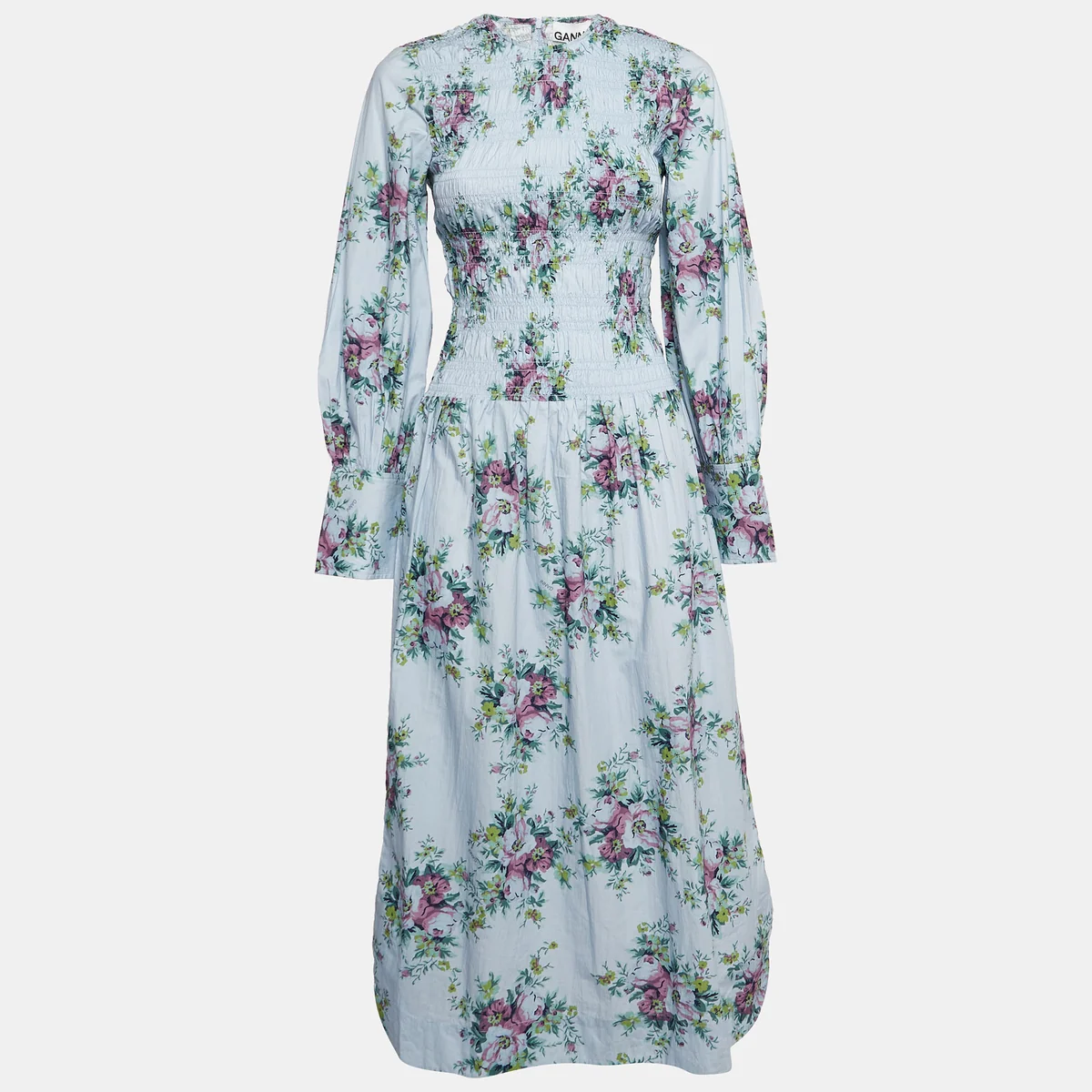
This is Ganni’s strongest category and the easiest entry point. Look for printed crepe midi dresses and smocked cotton styles — they’re flattering across body types, transition between seasons, and tend to hold resale value better than trend-driven pieces.
Blouses and tops #
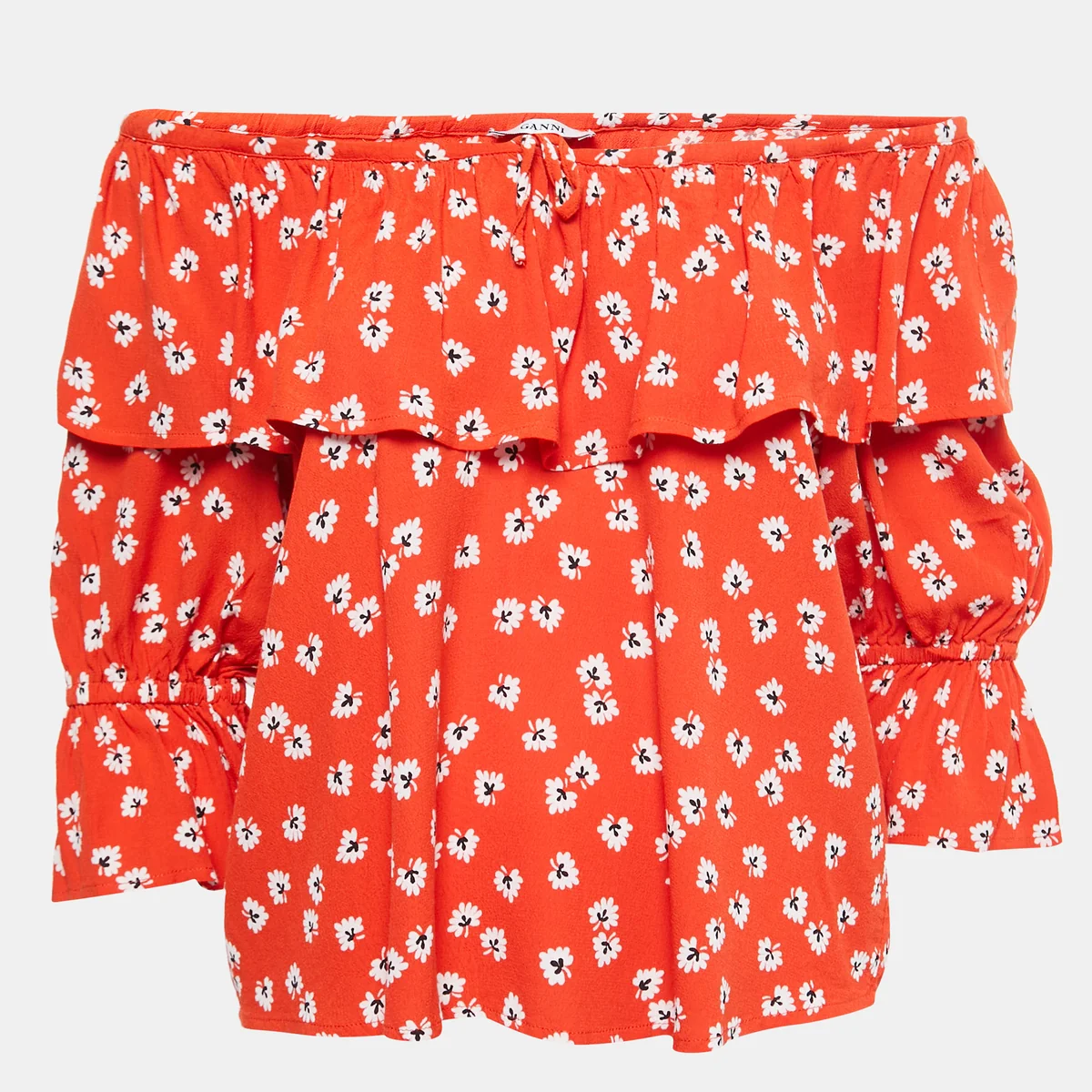
Ruffled and printed tops in crepe or jersey are versatile and layer well. Check seams and ruffle stitching closely on pre-owned pieces, since this is where wear shows first.
Blazers #
Tailored blazers are a smart secondhand buy because Ganni’s cuts don’t shift dramatically season to season. A structured blazer from three years ago still reads current.
Knitwear #
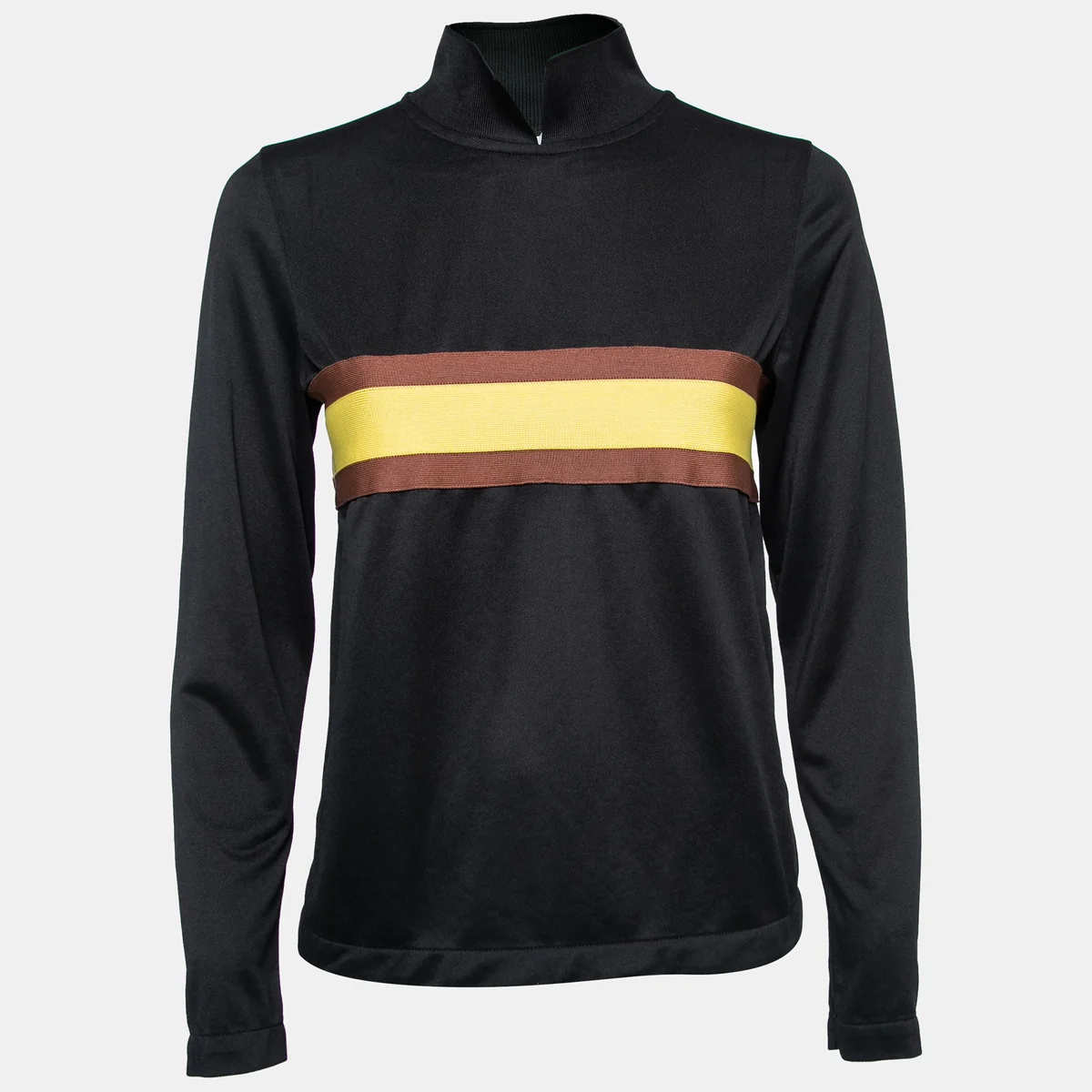
Ganni knitwear uses a lot of texture and color blocking. Check for pilling and stretched cuffs before buying pre-loved — knitwear shows age faster than woven fabrics.
Denim and trousers #
Straight-leg jeans and paperbag-waist trousers are brand staples. Denim in particular benefits from trying before buying when possible, since fit varies more here than in dresses.
A practical scenario: if you’re building a capsule around one or two Ganni pieces rather than a full wardrobe, a printed midi dress or a tailored blazer gives you the most cost-per-wear value. Save the louder prints and [[statement accessories](/buying-guides/best-luxury-sneakers-2026-buying-guide/)](/brands/valentino-leopard-print-chain-clutch-review/) for once you know how the brand’s cuts sit on you.
What Is Ganni? Brand Overview #
Ganni is a Copenhagen-based contemporary fashion house producing womenswear, footwear, and accessories, known for its use of print, color, and playful tailoring. It sits firmly in the “contemporary” segment of the market — above fast fashion, below true luxury houses — and is sold through its own boutiques, its e-commerce site, and a wide network of multi-brand retailers and department stores globally.
Quick facts:
| Founded | 2000 (relaunched under current creative direction in 2009) |
| Founders / current owners | Ditte and Nicolaj Reffstrup |
| Headquarters | Copenhagen, Denmark |
| Category | Contemporary womenswear, footwear, accessories |
| Known for | Prints, puff sleeves, Buckle Ballerinas, the Bou Bag |
| Price tier | Mid-to-upper contemporary |
Is Ganni a Luxury Brand? Price Positioning Explained #
No — and Ganni has never marketed itself as one. It sits in the contemporary bracket, a tier that occupies the space between fast fashion and true luxury. Retail dresses typically run somewhere in the $250–$500 range, blazers and knitwear land around $250–$450, and accessories like the Bou Bag sit in the $350–$550 window depending on size and material. That’s meaningfully higher than fast fashion but nowhere near the price of a Chloé or Isabel Marant equivalent.
For comparison, brands occupying similar territory include Staud, Rejina Pyo, Rotate, and Nanushka. Against that set, Ganni is competitively priced and arguably the most recognizable name of the group, which is part of why resale demand for the brand has stayed steady rather than spiking and fading with a single trend cycle.
On the pre-owned market, well-kept Ganni pieces typically sell for 40–60% of original retail, with signature items like the Buckle Ballerinas and Bou Bag holding value better than seasonal print dresses. If you’re comparing cost against a luxury handbag purchase, Ganni’s accessories are a fraction of the investment — useful for readers building a wardrobe around one or two splurge pieces rather than an all-luxury closet.
Sizing and fit guide #
Ganni uses EU sizing (typically 34–42), and the fit runs closer to true-to-size than generous. A few patterns worth knowing before buying secondhand, where returns usually aren’t an option:
- Knitwear and fitted dresses tend to run slightly small — consider sizing up if you’re between two sizes
- Denim is cut close through the hip and thigh; the brand’s straight-leg jeans still have minimal stretch
- Puff-sleeve dresses have generous arm room even in fitted bodices, so don’t size up purely because of sleeve volume
- The Buckle Ballerinas run true to size but are narrow through the toe box — half a size up is common advice from repeat buyers
Buying Ganni secondhand: how to authenticate safely #
Ganni counterfeits concentrate heavily around two items: the Buckle Ballerinas and the Bou Bag, simply because they’re the most recognizable and most searched. A few checks matter before you buy pre-owned:
- Check the woven label and care tag. Genuine Ganni garments have a consistent logo font and a style/reference code on the care label that should match the listing description.
- Inspect hardware closely on the Bou Bag. The buckle should have crisp, evenly stamped branding — blurred or shallow stamping is a common tell on fakes.
- Look at stitching density. Ganni’s construction is contemporary-tier, not couture, but stitching should still be even and free of loose threads at stress points like the ballet flat’s buckle strap.
- Buy from platforms with an authentication process rather than unmoderated marketplaces. A reputable resale site will inspect hardware, stitching, and labeling before listing, which removes most of the guesswork.
- Be wary of prices that are dramatically below typical resale range. A Bou Bag or Buckle Ballerina priced well under the usual 40–60% of retail is a red flag worth investigating before purchase, not after.
FAQ: Common Questions About the Ganni Brand #
Is Ganni considered a designer brand? Ganni is classified as contemporary designer fashion — a step above mainstream fast fashion in quality and price, but not positioned as a luxury house. It’s often grouped with brands like Staud and Rejina Pyo rather than with Chloé or Isabel Marant.
Where is Ganni made? Ganni designs out of Copenhagen and manufactures across several countries, primarily in Europe and Asia, using a mix of factories vetted under its responsibility program. Specific factory locations vary by product category and are disclosed in the brand’s annual sustainability reporting.
What is Ganni most famous for? The Buckle Ballerina flats and the Bou Bag are the two most recognized pieces, alongside the brand’s printed midi dresses and puff-sleeve tops. These are also the items most likely to appear in street-style photography and influencer content.
Does Ganni run true to size? Generally yes, with denim and fitted knitwear running slightly small. EU sizing is standard across the collection, so converting carefully to your usual size (rather than assuming a direct US-to-EU match) is worth doing before buying secondhand.
Is buying pre-owned Ganni a good investment? It’s a better value proposition than buying new, since contemporary brands like Ganni don’t typically appreciate the way luxury handbags do. The appeal of secondhand Ganni is cost savings and sustainability rather than resale profit — signature pieces like the Bou Bag hold value reasonably well, but don’t expect luxury-tier appreciation.
How can I tell if a Ganni item is authentic before buying secondhand? Check the woven label, care tag style code, hardware stamping on accessories, and stitching quality, and favor resale platforms that authenticate items before listing them rather than unmoderated peer-to-peer marketplaces.
Related Articles #
- Valentino Glam Lock Bag Review: Black Leather & Beads
- Gucci Emily Bag Guide: Style, Materials & What to Know
- 5 Iconic Bags Named After Famous Women (Buying Guide)
- Why the Chanel Crossbody Bag Never Goes Out of Style
- 4 Reasons Bally Bags Are Worth Buying: A Buying Guide
Related guides
- Online Bag Authentication: What Photos Can and Cannot Prove
- Luxury Handbag Authentication Process Explained
- China TikTok Luxury Factory Claims: Fact vs Fiction
- Chanel 2.55 History, Details & How to Spot a Fake
- How to Buy an Authentic Luxury Bag from China Safely
- New vs Pre-Owned Luxury Bags: Which Route Is Right for You?
- Chanel Bag Guide: What to Know Before You Buy
- Luxury Bag Houses


Keyword index