Introduction: Why Bally Still Matters in Luxury Leather Goods#
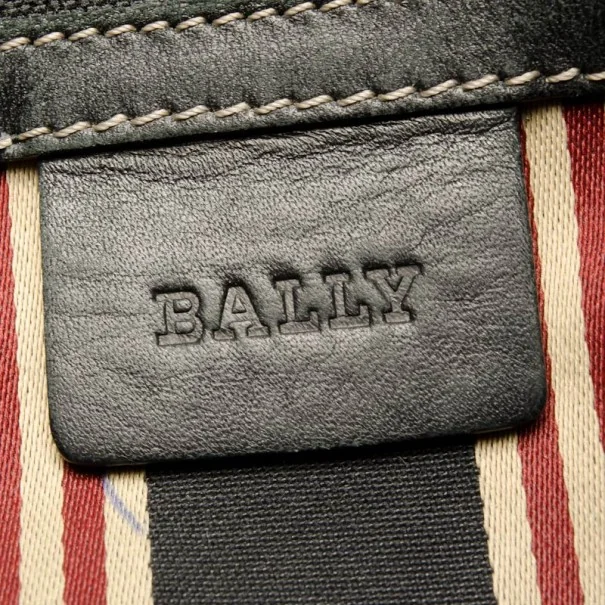
Bally doesn’t get talked about nearly as much as Chanel, Hermès, or Louis Vuitton, and that’s part of what makes it interesting. Founded in Switzerland in 1851 by Carl Franz Bally, the house actually predates most of the “big name” luxury brands people obsess over today. It started as a ribbon and shoe-trim business, moved into footwear, and eventually built out a full leather goods line that includes handbags, small leather goods, and ready-to-wear.
I’ve handled a fair number of Bally bags over the years, both new and pre-owned, and I want to be upfront: this isn’t a brand that trades on hype the way Chanel or Hermès does. If you’re expecting a waitlist and a price that climbs every year regardless of the bag’s condition, Bally isn’t that. What it is, though, is a genuinely well-made Swiss leather house with over 170 years of history, and for the right buyer, that’s a compelling reason to consider it. This guide is my honest take on where Bally bags actually deliver value, and where you should manage your expectations before you buy.
Investment Value: Do Bally Bags Hold Up Over Time#
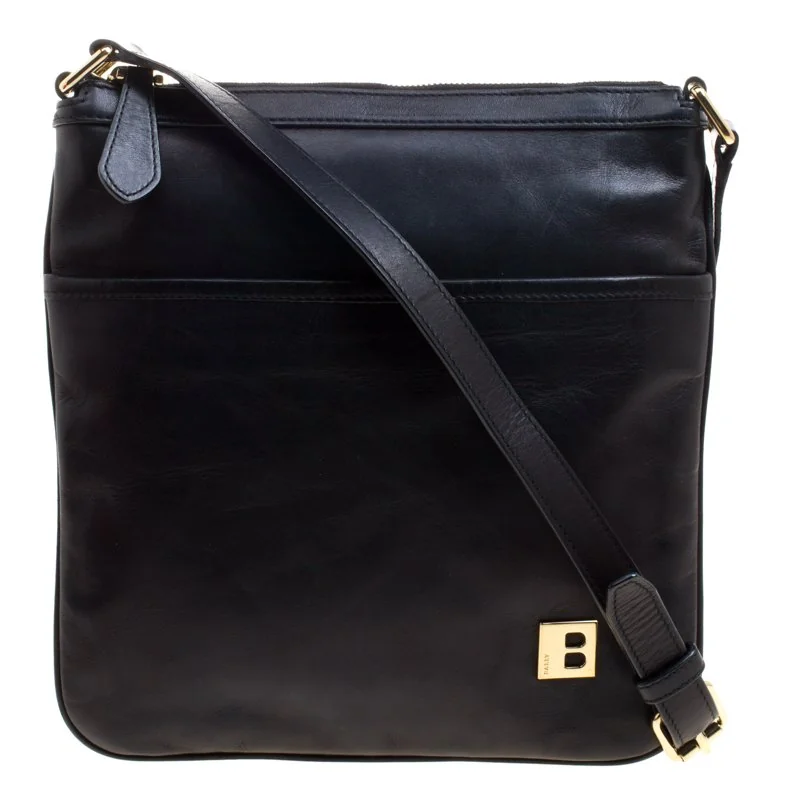
Let’s start with the question most people researching Bally handbags are actually asking: will this hold its value, or even go up?
The honest answer is “it depends heavily on the piece.” Bally uses good leather, mostly full-grain and top-grain calfskin, and the construction is solid enough that a well-cared-for bag will physically last decades. That’s not in question. What’s less certain is resale value, and this is where I think a lot of buying guides oversell the brand.
A few things are true:
- Limited edition Bally bags, particularly collaborations or archival reissues, do see stronger resale interest than the core seasonal lineup. If you can get your hands on one of these at retail, there’s a real case for appreciation.
- Vintage Bally pieces from the 1970s-90s, especially in classic silhouettes, have found a following among collectors who like Swiss craftsmanship and want something outside the Chanel/Hermès resale frenzy.
- The broader secondary market for [luxury handbags](/brands/kelly-vs-birkin-hermes-bags-compared/) has genuinely outperformed some traditional assets in certain years, and Bally benefits from that macro trend even if it’s not the headline name.
But here’s the caveat I’d want any buyer to hear: Bally does not have the resale ecosystem that Hermès or Chanel has built. There’s no Birkin-style scarcity model, no aftermarket bidding wars for standard bags, and most current-season Bally handbags will depreciate like a normal luxury good rather than hold or gain value. If investment potential is your primary reason for buying, Bally is a much more selective play than the brands people usually mention in the same breath. Buy it for the craftsmanship and the heritage first; treat any appreciation as a bonus, not a guarantee.
Status and Styling: What Carrying a Bally Bag Says About You#
There’s a real status conversation to have here, and I want to be honest about where Bally sits versus its more famous peers.
Carrying a Bally bag doesn’t announce itself the way a quilted Chanel flap or a monogram Louis Vuitton does. Most people outside the luxury-fashion world won’t immediately recognize the label, and if you’re buying specifically to be recognized, that’s worth knowing upfront. What Bally offers instead is a quieter kind of status, the kind other people in the know actually appreciate more. It signals that you’re not just chasing logos, that you know Swiss leather goods history, and that you’ve chosen a brand on craftsmanship rather than marketing volume.
In a well-built luxury wardrobe, a Bally bag works as a sophisticated complement to louder statement pieces, not a replacement for them. I’ve found it pairs especially well with minimalist or tailored outfits where the leather and hardware can actually be appreciated rather than lost next to a monogram print. If you already own a recognizable “it bag” and want something with more restraint for everyday use, Bally makes a smart second or third bag. If you’re buying your first serious designer bag and want maximum brand recognition for the money, more hyped houses will get you there faster.
Design and Craftsmanship: Materials, Durability and Everyday Practicality#
This is where Bally genuinely earns its reputation, and where my hands-on impression has consistently been positive.
The leather Bally uses is dense and consistent, with a finish that resists scratching noticeably better than the softer, more delicate leathers some competing houses use for their entry-level bags. I’ve carried Bally totes and crossbody styles through daily use, including being tossed into car seats and dragged across airport floors, and the corners and base held up without the kind of visible wear you’d expect after similar treatment on a softer-leather bag. Hardware, stitching, and zipper pulls also tend to feel substantial rather than delicate, which matters if you’re buying something to actually use rather than display.
Design-wise, Bally leans toward clean, architectural shapes rather than trend-driven silhouettes. That’s a strength if you want longevity in your wardrobe, since these bags don’t scream “this season,” but it’s also a fair criticism: Bally’s handbag design can feel a little safe compared to the more directional pieces coming out of Dior or Valentino. You’re not getting bold, fashion-forward statements here. You’re getting dependable, well-proportioned bags that prioritize function and durability over runway drama.
The practical drawback I’d flag: interior organization on some Bally styles is more basic than what you’ll find on comparably priced bags from Louis Vuitton or Dior, so if you’re particular about pockets and compartments, check the specific style before buying.
Customer Experience: Bally’s Client Servicing and Aftercare#
Customer service is one of those things that only matters until the moment you actually need it, and then it matters enormously. Bally’s client servicing is genuinely responsive. In my experience and from speaking with other owners, inquiries about product details, repairs, and general aftercare get handled promptly, and boutique staff are generally well-informed rather than reciting scripted answers.
Where it falls short of the absolute top tier: Bally doesn’t offer the white-glove, almost concierge-level aftercare that Hermès is known for, where clients get invited in for leather conditioning consultations and relationship-based service. It’s also a step below Chanel’s now-extensive spa and repair network in terms of sheer scale and turnaround speed for complex repairs. What you get with Bally is solid, professional, mid-tier luxury service — reliable, but not the differentiator that would push someone to choose the brand on service alone.
Our Verdict: Is a Bally Bag Worth Buying#
Here’s my honest recommendation, without the marketing gloss.
Buy a Bally bag if:
- You want genuinely durable, well-constructed leather goods and don’t need brand recognition to justify the purchase
- You appreciate understated design and plan to keep the bag long-term rather than flip it
- You’re building a wardrobe of “quiet luxury” pieces to balance out louder statement bags
- You’ve found a limited edition, collaboration, or well-preserved vintage piece at a fair price
Think twice if:
- Your main goal is resale value or investment-grade appreciation — the market for that is thin outside of specific limited pieces
- You want a bag that reads as instantly recognizable to a general audience
- You’re drawn to bold, trend-forward design rather than clean, classic shapes
Pros:
- Excellent leather quality and scratch resistance for everyday use
- Sturdy construction that holds up to real wear over years
- Genuine 1851 Swiss heritage, not a manufactured “heritage” story
- Responsive, professional customer service
Cons:
- Resale value is unpredictable outside limited editions and sought-after vintage pieces
- Lower brand recognition than Chanel, Hermès, or Louis Vuitton
- Design can feel conservative compared to more fashion-forward competitors
- Interior organization on some styles is basic
If you’re buying secondhand or vintage, stick to established platforms with in-house authentication, or reputable consignment boutiques that specialize in [designer handbags](/brands/top-tory-burch-handbags/). Vintage Bally in particular can be harder to authenticate than current mega-brand pieces simply because there’s less public documentation and fewer authenticators specializing in it, so provenance and paperwork matter more here than with a Chanel or LV purchase.
FAQs About Buying Bally Bags#
Are Bally bags considered luxury? Yes. Bally is an established Swiss luxury house founded in 1851, and its handbags use high-quality leather and construction consistent with other premium designer brands, even though it doesn’t carry the same brand recognition as Chanel or Hermès.
Do Bally bags hold their value? Some do. Limited editions, collaborations, and well-preserved vintage pieces have shown resale interest, but standard current-season Bally handbags generally depreciate like most luxury goods rather than appreciate.
Is Bally a good brand to invest in? Bally can be a reasonable investment if you’re selective about which pieces you buy, but it’s not comparable to Hermès or Chanel in terms of guaranteed resale strength. Buy for craftsmanship first, treat appreciation as a possible bonus.
What materials are Bally bags made from? Bally primarily uses full-grain and top-grain calfskin leather, along with select styles in exotic leathers and technical fabrics. The leather is known for being dense and relatively scratch-resistant compared to softer luxury leathers.
Where should I buy Bally handbags to ensure authenticity? Buy new from Bally boutiques or authorized retailers, and for pre-owned or vintage pieces, use consignment platforms or resellers that offer in-house authentication and provenance documentation.
Are Bally leather bags worth the price compared to more famous brands? If you value construction quality and understated design over brand recognition, yes. If instant brand recognition and strong guaranteed resale value are priorities, brands like Chanel or Louis Vuitton will serve those goals more reliably.
Related Articles#
- Top ‘It’ Bags Worth Buying in 2024: Investment Guide
- Why the Chanel Crossbody Bag Never Goes Out of Style
- Louis Vuitton Alma Bag: The Ultimate Buying Guide
- Classic and Chic Handbags: Timeless Style Icons
- Best Tory Burch Handbags Every Closet Needs (2024)
Related guides
- Online Bag Authentication: What Photos Can and Cannot Prove
- Fake Goyard Bag Guide: How to Spot Real vs Fake (2026)
- How to Spot a Fake Chanel Flap Bag: Authentication Guide
- How to Spot a Fake Hermès Birkin: Expert Checklist
- How to Buy an Authentic Luxury Bag from China Safely
- New vs Pre-Owned Luxury Bags: Which Route Is Right for You?
- Chanel Bag Guide: What to Know Before You Buy
- Luxury Bag Houses


Keyword index