Introduction#
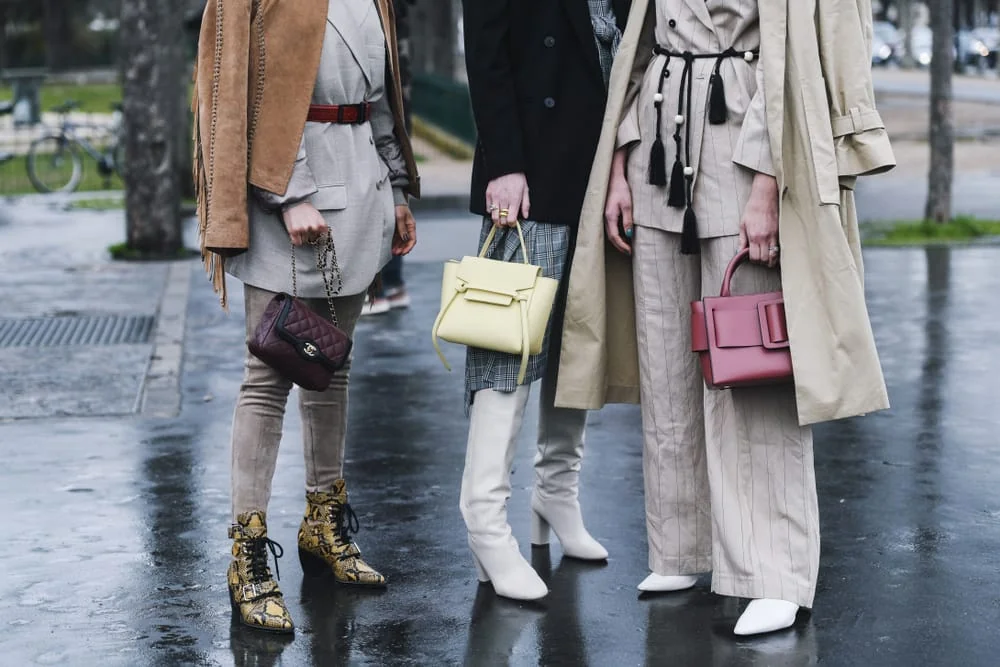
Handbag trends move faster than almost anything else in luxury fashion, and that’s exactly why they’re such an easy lever to pull when you want to refresh your style without overhauling your entire closet. You can’t exactly work a couture gown or a pair of sky-high runway heels into a Tuesday, but a bag slots into daily life immediately. It sits on your arm at brunch, in the office, on a flight. That visibility is precisely why designer houses treat handbags as their most reliable trend vehicle, and why the shapes, hardware and textures that dominate a season tend to trickle down into everything from ready-to-wear campaigns to street style within a matter of months.
What’s interesting about the current cycle is how much of it is a callback. We’re seeing 90s silhouettes resurface, hardware take center stage instead of hiding in the background, and texture become as important as the logo stitched onto the front flap. Some of these designer handbag trends have real staying power and genuine resale strength behind them. Others are more of a seasonal flirtation. Below, I’m breaking down the four trends actually worth your attention right now, with the honest pros and cons of each, so you can decide which one earns a spot in your collection and which one you can admire from a distance.
Vintage Revival: Pochettes and Baguettes#
Fashion runs in loops, and right now the loop has landed squarely on the 90s. Small, flat, slightly nostalgic silhouettes are having a real moment again, led by two archetypes: the pochette and the baguette.
Louis Vuitton has been especially aggressive about mining its own archive here. The Multi Pochette Accessoires and the Eva Pochette, both originally conceived as secondary “bag charms” for larger totes, have been repositioned as standalone It-bags in their own right, usually worn crossbody on a thin chain. Fendi’s Baguette, first introduced in 1997 and famously carried on screen throughout the late 90s and early 2000s, has come back with a vengeance too, reissued in new colorways and materials while keeping its signature tucked-under-the-arm proportions. Gucci, Prada, Coach and Salvatore Ferragamo have all leaned into similarly petite, flat silhouettes drawn from their own late-90s catalogs.
The appeal is obvious: these bags carry instant brand recognition without the visual weight of a larger structured tote, and the nostalgia factor gives them a personality that a lot of newer designs simply don’t have. The downside, and I’ll say this plainly, is capacity. A baguette or pochette isn’t built to carry a full-size wallet, a water bottle, and a laptop charger. It’s a bag for keys, a phone, cards and lipstick, full stop. If you need something to actually function as your daily carry-all, this trend is better suited as a third or fourth bag rather than your main investment piece. It’s also worth knowing that because these silhouettes are so widely reissued, the resale market is fairly saturated, which keeps prices more accessible but also means rarer colorways and limited editions are where the real value sits.
Micro Bags: Making a Big Statement in a Small Size#
No trend on this list divides opinion quite like the micro bag. Jacquemus deserves credit for pushing this into the mainstream with its Le Chiquito, a bag so small it became a meme before it became a wardrobe staple, and Fendi and Dolce & Gabbana followed with their own shrunken takes.
These bags aren’t meant to hold anything. They’re meant to be worn: as a necklace, dangled from a belt loop, clipped onto a bigger bag as a charm, or simply pinched between two fingers on the way into a restaurant. That’s the point, and it’s also exactly why some people find the whole thing absurd. If your idea of a handbag is something that earns its keep by holding your things, a micro bag will frustrate you daily. If you think of it the way you’d think of a striking pair of earrings, as a pure accessory rather than a functional object, it makes a lot more sense.
My honest take: micro bags are genuinely fun and photograph beautifully, but they’re a mood purchase, not a foundation piece. I wouldn’t recommend one as your first serious designer handbag investment. Resale-wise, they tend to hold interest more as a novelty category than a blue-chip one, with a handful of exceptions (early Jacquemus pieces in particular have developed a bit of a cult following). Buy one because you love the moment it creates, not because you expect it to appreciate.
Bold Hardware: Chunky Chains and Structured Straps#
For years, hardware was mostly decorative: a small logo clasp, a discreet zip pull. That’s changed. The clearest example is [Bottega Veneta](/buying-guides/best-luxury-clutches-2026-pre-owned-uae/), whose former creative director Daniel Lee reworked the brand’s Cassette and Pouch bags with thick, lustrous chain straps that function less like a strap and more like a piece of jewelry. Once Bottega proved chunky hardware could carry a bag’s entire design identity, the rest of the industry followed. Chanel’s chain has obviously always mattered, but you’re now also seeing it in Prada’s Re-Edition line, Miu Miu’s arcadie styles, and Coach’s chain-linked Tabby.
I like this trend more than I expected to. A structured strap with real weight and shine does more visual work than most of us give it credit for, and it can elevate an otherwise plain outfit instantly. But there are two practical downsides worth flagging honestly. First, chunky chain hardware adds real physical weight, which matters if you’re already carrying a loaded bag or have a smaller frame. Second, plated chain hardware can show wear over time, scratching or dulling with regular use in a way that’s more noticeable than it would be on a subtler clasp. If you’re buying into this trend, check the hardware finish and plating quality closely before you commit, and know that touch-ups down the line usually aren’t cheap.
Texture Play: Puffy and Quilted Finishes#
The third shift worth watching is tactile rather than structural: bags that are meant to be touched, not just looked at. Puffy, padded silhouettes have shown up everywhere from Bottega Veneta’s cushioned pouches to Prada’s Re-Edition nylon styles, giving bags an almost duvet-like softness. Quilting, meanwhile, has had staying power well beyond any single season, most obviously in Chanel’s diamond-stitched matelassé leather and Dior’s cannage pattern on the Lady Dior and Caro.
There’s a real difference between these two, though, and it’s one I think gets glossed over. Quilting on structured leather, done properly, adds shape and rigidity, which is part of why the Chanel flap bag has aged so gracefully for decades. Puffy, padded nylon or leather is a softer, trend-driven cousin, and it doesn’t always hold its shape the same way. A puffy clutch that looked plump and full in the store can start to look a little deflated after a year of regular use, and padded fabric is genuinely harder to clean than smooth leather if it picks up a stain. Quilted leather in a structured silhouette is the safer long-term bet of the two; puffy novelty shapes are more of a “enjoy it while it’s fun” purchase.
Which Handbag Trend Should You Invest In#
Here’s where I’ll get practical, because “trendy” and “worth your money” are not the same question.
Start with how you actually live. If you’re commuting, traveling, or need a bag that earns its place every single day, skip the pochette and micro bag categories as your primary purchase and look instead at structured, mid-size silhouettes with quilting or hardware details that you can dress up or down. If you already own a workhorse tote or shoulder bag and you’re shopping for something that adds personality rather than utility, the smaller vintage-revival and micro categories make a lot more sense as a second or third piece.
On longevity and resale, the pattern is consistent across most of these trends: classic proportions in durable materials outlast novelty shapes, and this cycle is no exception. Quilted leather in a timeless silhouette and monogram-driven pieces with a long production history tend to hold value better than anything defined primarily by a single, trend-specific detail like a puffy finish or an oversized chain, simply because those details date more visibly once the trend cools. Chunky hardware bags fall somewhere in the middle. If the hardware is core to the brand’s design language, like Bottega’s chain, it has a reasonable shot at lasting relevance. If it’s a one-off styling choice from a single collection, treat it as a fashion purchase, not a financial one.
My honest recommendation if you’re only making one purchase this year: buy the trend you’d still want to carry if it stopped being fashionable tomorrow. That single filter eliminates most of the risk in any of these four categories.
FAQ#
How long do handbag trends typically last? Most micro-trends like puffy finishes or a specific hardware detail have a shelf life of two to four seasons before they either get absorbed into a brand’s permanent lineup or fade out. Silhouette-driven trends, like the pochette and baguette revival, tend to last longer because they cycle back every decade or so rather than disappearing entirely.
Which of these trends has the best resale value right now? Structured bags with quilted leather and recognizable house codes consistently resell better than novelty shapes. Chunky-hardware bags from brands where the hardware is now part of their core design identity, Bottega Veneta being the clearest example, also hold up reasonably well. Micro bags and puffy novelty pieces tend to depreciate faster once the specific trend moment passes.
Can I pair a trend bag with pieces I already own? Yes, and this is actually the easiest way to test a trend before committing serious money. A vintage-revival pochette or a quilted bag works with almost anything already in your closet, since the silhouettes themselves are fairly classic. Bold hardware and micro bags are more of a statement, so they read best against simpler, less busy outfits rather than competing with other loud pieces.
Are micro bags actually practical for daily use? Not really, and I’d rather be upfront about that than sell you on the idea. They’re built for a phone, cards and maybe a lipstick, nothing more. Think of them as an accessory in the same category as statement jewelry rather than a functional handbag.
Is it worth buying a trend-driven bag purely as an investment? Generally, no. Buy trend pieces because you genuinely love wearing them now. If investment potential is your primary goal, prioritize classic silhouettes, quality construction, and materials with a long track record, since those are the factors that actually drive long-term resale value, not the specific hardware or texture that’s popular this particular season.
Related Articles#
- Why the Chanel Crossbody Bag Never Goes Out of Style
- How Pre-Owned Luxury Fashion Is Reshaping the Industry
- Best Time to Buy a Luxury Handbag: Save More in 2025
- Classic and Chic Handbags: Timeless Style Icons
Related guides
- Online Bag Authentication: What Photos Can and Cannot Prove
- Fake Goyard Bag Guide: How to Spot Real vs Fake (2026)
- How to Spot a Fake Chanel Flap Bag: Authentication Guide
- How to Spot a Fake Hermès Birkin: Expert Checklist
- How to Buy an Authentic Luxury Bag from China Safely
- New vs Pre-Owned Luxury Bags: Which Route Is Right for You?
- Chanel Bag Guide: What to Know Before You Buy
- Luxury Bag Houses


Keyword index