Introduction: Why Craftsmanship Sets Designer Purses Apart #
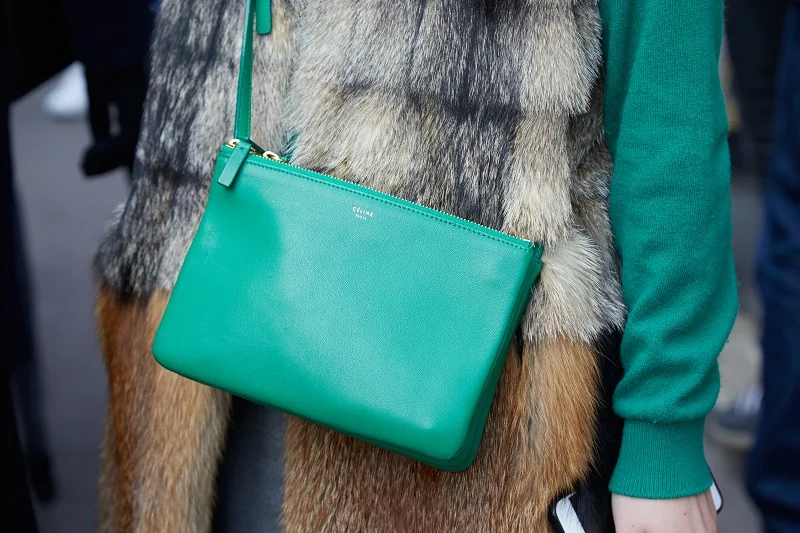
Ask anyone who has bought both a fast-fashion tote and a Hermès Kelly what the actual difference feels like, and the answer is rarely “the logo.” It’s the weight of the clasp, the way the leather gives slightly under your thumb, the seam that hasn’t budged after five years of daily use. A well-made designer purse earns its price tag through decisions most shoppers never see: the grade of hide selected, the hours spent hand-finishing an edge, the tolerance allowed on a stitch line.
That’s also exactly where counterfeiters cut corners, because those details are expensive and slow to replicate. This guide walks through the physical markers that separate genuine craftsmanship from a convincing copy — stitching, hardware, proportion, materials and lining, branding and date codes, and the fine seam construction details that most buying guides skip entirely. By the end, you should be able to inspect a bag in under five minutes and know whether it’s worth the asking price.
Stitching: The First Sign of Quality #
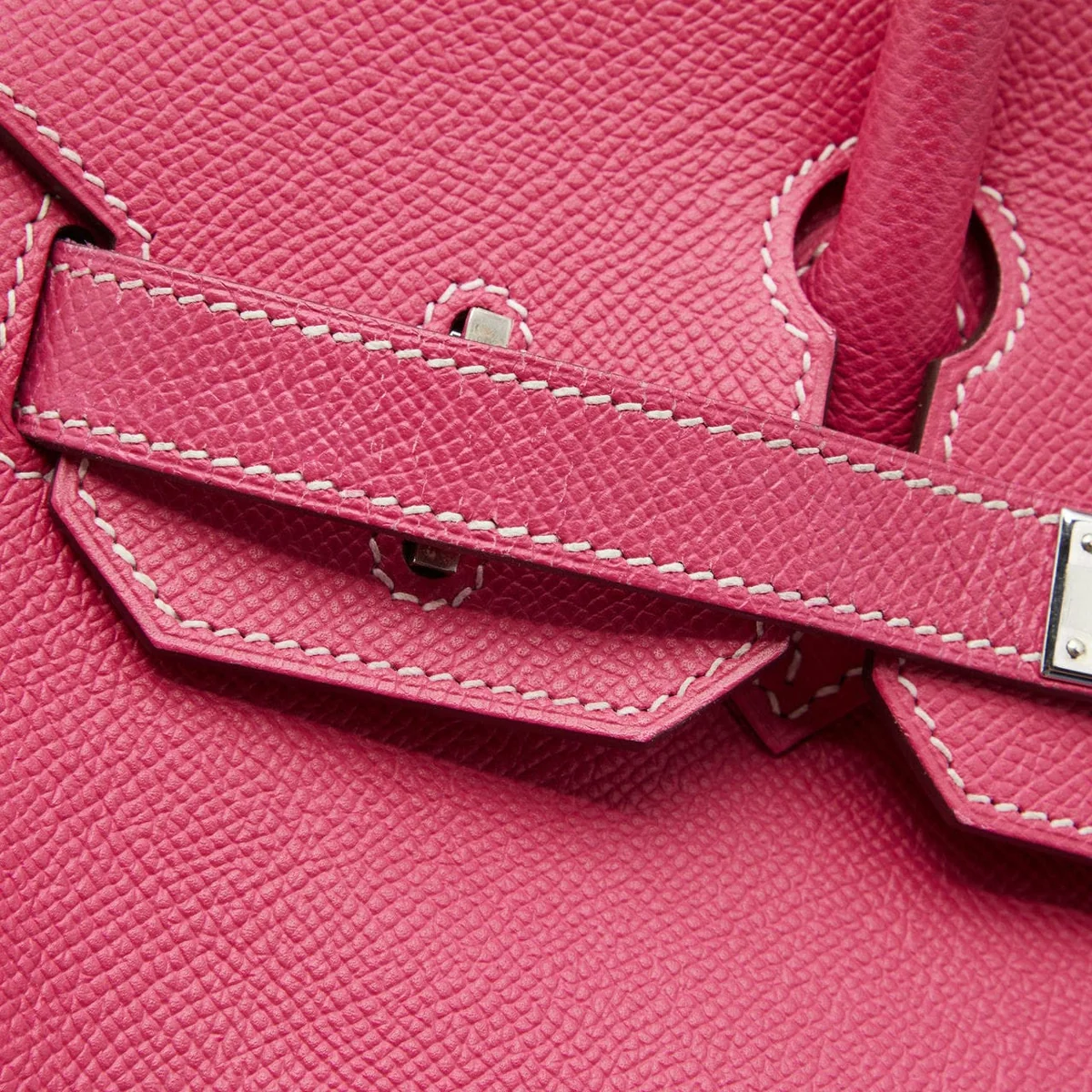
Stitching is the fastest tell, and it’s the first thing any experienced authenticator checks. On a genuine, well-constructed purse, stitches sit at a consistent length, run in a straight or deliberately curved line, and stay flush with the leather’s edge without puckering the material around them.
Hermès is the benchmark here because much of its stitching is still done by hand, using a saddle-stitch technique with two needles pulling the same thread from opposite sides. Count the stitches on a Kelly or Birkin handle and you’ll typically find them evenly spaced at roughly 6 to 8 per inch, with each hole slightly angled rather than perfectly vertical — a small irregularity that machine stitching struggles to fake convincingly. [[Louis Vuitton](/buying-guides/limited-edition-designer-bags-worth-collecting/)](/authentication/how-to-spot-a-fake-louis-vuitton-bag/), Chanel, and most other houses rely on machine lockstitching for the bulk of construction, but the standard is the same: even tension, no skipped stitches, no visible thread tails.
What should concern you: loose threads, stitches that wander off-line near corners, or a stitch count that changes noticeably from one panel to the next. These usually point to rushed production, whether that’s a factory second or a counterfeit. It’s worth noting that even authentic bags occasionally ship with a minor stitching flaw — luxury houses aren’t infallible — but that flaw should be isolated, not a pattern across the whole bag.
Hardware: Smooth, Sturdy, and Snag-Free #
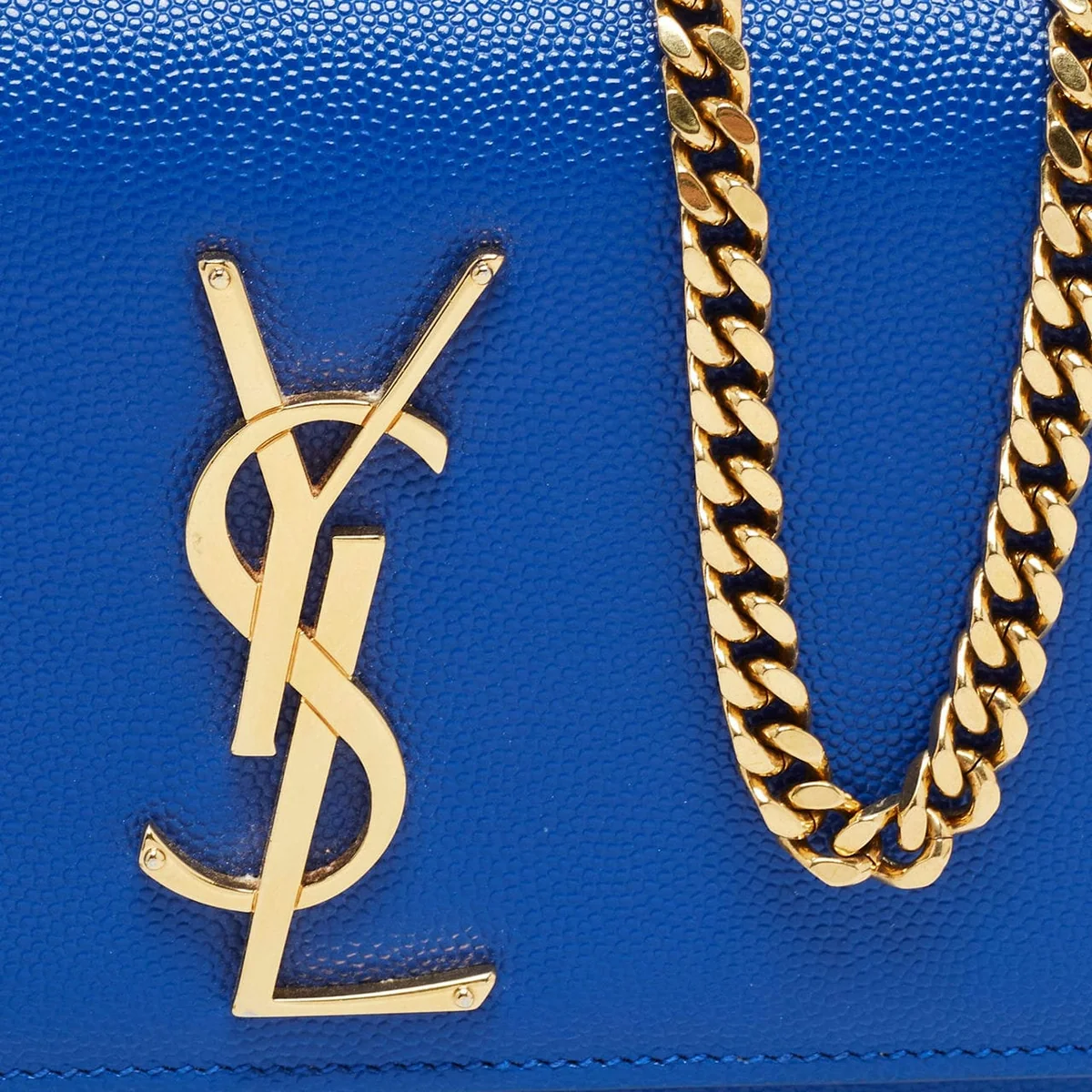
Pick up the bag and go straight for the zipper pull, the clasp, and the chain. Hardware is one of the heaviest cost centers in production, which makes it one of the most reliable authenticity signals.
Genuine hardware has real heft. Solid brass, palladium, or gold-plated fittings feel dense in the hand; counterfeit hardware is frequently cast from a lighter pot metal and coated, so it feels almost hollow by comparison. Run your finger along every edge — a clasp, turn-lock, or buckle should have no burrs, no visible mold seams, and no sharp lip that could catch on fabric or skin. Chains should sit with tight, uniform links and lie flat without twisting awkwardly when the bag hangs.
Zipper pulls are an underrated detail. On authentic pieces, the pull is often stamped with the house name or a paired brand marking (Chanel and Louis Vuitton both use branded zipper tape and pulls on most lines), and the zipper itself frequently carries a recognizable manufacturer name like Lampo or Riri rather than a generic, unmarked slider. Plating should also be even — no discoloration at the edges where a thinner layer wears through fastest. On a Carolina Herrera bracelet-handle bag or a Saint Laurent envelope clutch, the hardware is doing structural work as well as decorative work, so it should never wiggle, rattle, or flex when you apply light pressure.
Design and Proportion: Balance and Functionality #
Good design isn’t just visual — it’s structural logic. A well-proportioned bag distributes weight so the handles don’t strain, the base sits flat without sagging, and the silhouette holds its shape whether the bag is empty or full.
This is also where monogram and pattern-matching separate real craftsmanship from a rushed copy. On Louis Vuitton canvas or Fendi’s Zucca print, the pattern should align symmetrically across seams — a misaligned or cropped logo at a side seam is a classic counterfeit tell, because matching the print across panels wastes material and requires more careful cutting, a cost counterfeiters routinely skip. Dior applies the same logic to its Oblique canvas and monogram hardware placement: the spacing between motifs and their alignment relative to the flap or clasp is deliberate and repeatable, not approximate.
Proportion also shows up in smaller functional choices — a handle drop long enough to fit comfortably over a shoulder, a flap that closes flush without gapping, feet or studs on the base positioned to actually protect the leather from ground contact rather than sitting purely for show.
Materials and Lining: What’s Inside Matters Too #
This is where price differences make the most sense once you understand what you’re paying for.
Leather grades matter more than leather names. Full-grain leather retains the hide’s natural surface, including its imperfections, and develops a patina over time — this is what you’re getting with Hermès calfskins like Box or Togo, and it’s the most durable, most expensive tier. Corrected-grain leather has had its surface sanded and refinished to hide flaws, then embossed with a texture; it’s still real leather but wears differently and won’t age the same way. Saffiano leather, Prada’s signature material, is coated calfskin embossed with a tight cross-hatch pattern specifically to resist scratches and water — a practical choice, though it sacrifices some of the softness and character of untreated hide. Exotic leathers (crocodile, alligator, lizard) sit at the top of the price ladder partly because of scarcity and partly because matching scale patterns across panels takes real skill; genuine exotic Hermès pieces also carry CITES documentation, which counterfeiters cannot replicate legitimately.
Lining tells you almost as much as the exterior. Cheap counterfeits are frequently lined in thin, glossy polyester that feels slippery and shows sewing holes where thread wasn’t pulled taut. Authentic houses use lining that matches the bag’s price point — grosgrain canvas in Chanel, microfiber suede in many Hermès models, leather-lined interiors in higher-tier pieces. Pockets should be fully stitched into the lining, not glued on as an afterthought, and seams inside the bag should be as clean as the seams outside.
The smell and texture test still works. Genuine leather has an earthy, slightly oiled smell — rich but not chemical. If a bag smells strongly of glue, plastic, or an odd sweetness, be suspicious. Texture-wise, real leather has a very slight give and a grain that’s subtly irregular under close inspection; bonded leather or PU feels uniformly smooth, stays cool rather than warming to your hand, and often has a faint plasticky sheen that leather doesn’t.
Logos, Stamps, and Branding Details #
Serial numbers, date codes, and stamping are where a lot of buyers get tripped up, mostly because the systems vary by brand and change over time.
Chanel moved away from sequential serial number stickers around 2021 in favor of a non-sequential code paired with an authenticity card; earlier bags carry a sticker inside a pocket alongside a matching card. Louis Vuitton uses a date code stamped inside the bag, typically two letters followed by four numbers — the letters indicate the factory, the numbers encode the month and year of production. Hermès uses a blind stamp: a letter inside a square or circle denotes the production year, alongside a separate craftsman’s stamp. None of these systems is foolproof on its own, since counterfeiters do replicate stamp formats, but a code that doesn’t match the format for that brand and era is an immediate red flag.
Beyond the code itself, look at how the logo is applied. Genuine hot-stamping or debossing has consistent depth and clean edges; a counterfeit logo is often printed rather than stamped, sits slightly off-center, or uses a font weight that’s subtly too thick or too thin compared to reference images from the brand.
Price Benchmarks: What Should You Actually Pay? #
Price is itself an authentication signal, because materials and labor set a real cost floor. As a rough guide: small leather goods (card holders, pouches) from major houses generally start around $400 to $700; mid-size leather bags from Chanel, Louis Vuitton, or Dior typically run $2,500 to $6,000 depending on material and hardware; and a Hermès Kelly in standard leather starts in the low five figures, climbing well past $30,000 for exotic skins or rare hardware finishes. A “designer” bag priced dramatically below these ranges, especially on an unfamiliar resale site, is one of the more reliable warning signs available to a buyer — no legitimate discount channel closes that large a gap.
Stitching and Seam Construction: What Precision Looks Like #
Zoom in past general stitch quality and look specifically at seam construction, because this is where genuine craftsmanship is hardest to fake economically.
Measure stitch length with a ruler if you want to be precise: consistent spacing across the entire bag, not just the visible front panel, is the standard. Pay attention to stress points — where the handle meets the body, where the base meets the side gussets. Well-made bags reinforce these areas with bar-tacking or an extra pass of stitching, because that’s where weight concentrates and where cheaply made bags fail first. Corners should be mitered cleanly, not bunched or overlapped in a way that creates a lump.
Edge finishing matters too. Painted or burnished edges should be smooth and even in color, without the paint cracking or flaking, which is a common issue on lower-grade reproductions after even light use. And seams should be stitched, not just glued — pull gently at an interior seam (gently) and you shouldn’t feel it separate or hear it crackle, which happens when adhesive is doing the structural work that stitching should be doing.
FAQ: Common Questions About Designer Purse Quality #
Is uneven stitching always a sign of a fake? Not always, but it’s always worth investigating further. Authentic bags occasionally leave the factory with a minor imperfection, but that flaw is usually isolated to one small area rather than repeated across every seam.
Can genuine leather actually smell unpleasant? Genuine leather has a natural, slightly oiled scent that can be strong on brand-new bags, but it shouldn’t smell chemical or sweet. A strong glue or plastic smell is more consistent with synthetic material or poor construction.
Do all designer bags carry serial numbers or date codes? Most major houses use some form of internal coding, but the format differs by brand and has changed over the decades, so compare against verified references for that specific era rather than assuming one universal format.
What’s the practical difference between saffiano and calfskin? Saffiano is coated and embossed for scratch and water resistance, making it more low-maintenance; calfskin is softer, more naturally textured, and develops character over time but shows scuffs more easily.
How much should an entry-level designer bag cost compared to a Hermès Kelly? Entry-level pieces from major houses generally start in the $1,500 to $2,500 range, while a Kelly starts well above $10,000 due to materials, hand-stitching, and limited production — a gap that reflects real cost differences, not just brand markup.
Is hardware weight really a reliable indicator? Yes, within reason. Solid metal hardware has a noticeable density that plated pot metal doesn’t replicate, and it’s one of the harder details for counterfeiters to match without raising their own production costs significantly.
Related Articles #
- Hermès Replica vs Pre-Owned: Which Is Worth It?
- How to Spot a Fake Chanel Flap Bag: Authentication Guide
- Exotic Skin Handbags: What You’re Really Paying For
- Authentic vs Fake Hermès Kelly Bag: How to Tell
- Hermès Crocodile vs Alligator Bags: Buyer’s Guide
Related guides
- Online Bag Authentication: What Photos Can and Cannot Prove
- Chanel 2.55 History, Details & How to Spot a Fake
- Private Bag Edit: Hermès Kelly Authentication Blog
- Hermès Date Codes & Stamps Explained: Full Guide
- How to Buy an Authentic Luxury Bag from China Safely
- New vs Pre-Owned Luxury Bags: Which Route Is Right for You?
- Chanel Bag Guide: What to Know Before You Buy
- Luxury Bag Houses


Keyword index