Introduction: The Exclusive World of Niche [[[[Designer Handbags](/brands/celine-luggage-tote-guide-sizes-history-resale-value/)](/brands/popular-handbag-brands/)](/buying-guides/top-it-bags-worth-buying-2024/)](/buying-guides/chanel-flap-bag-buying-guide/) #
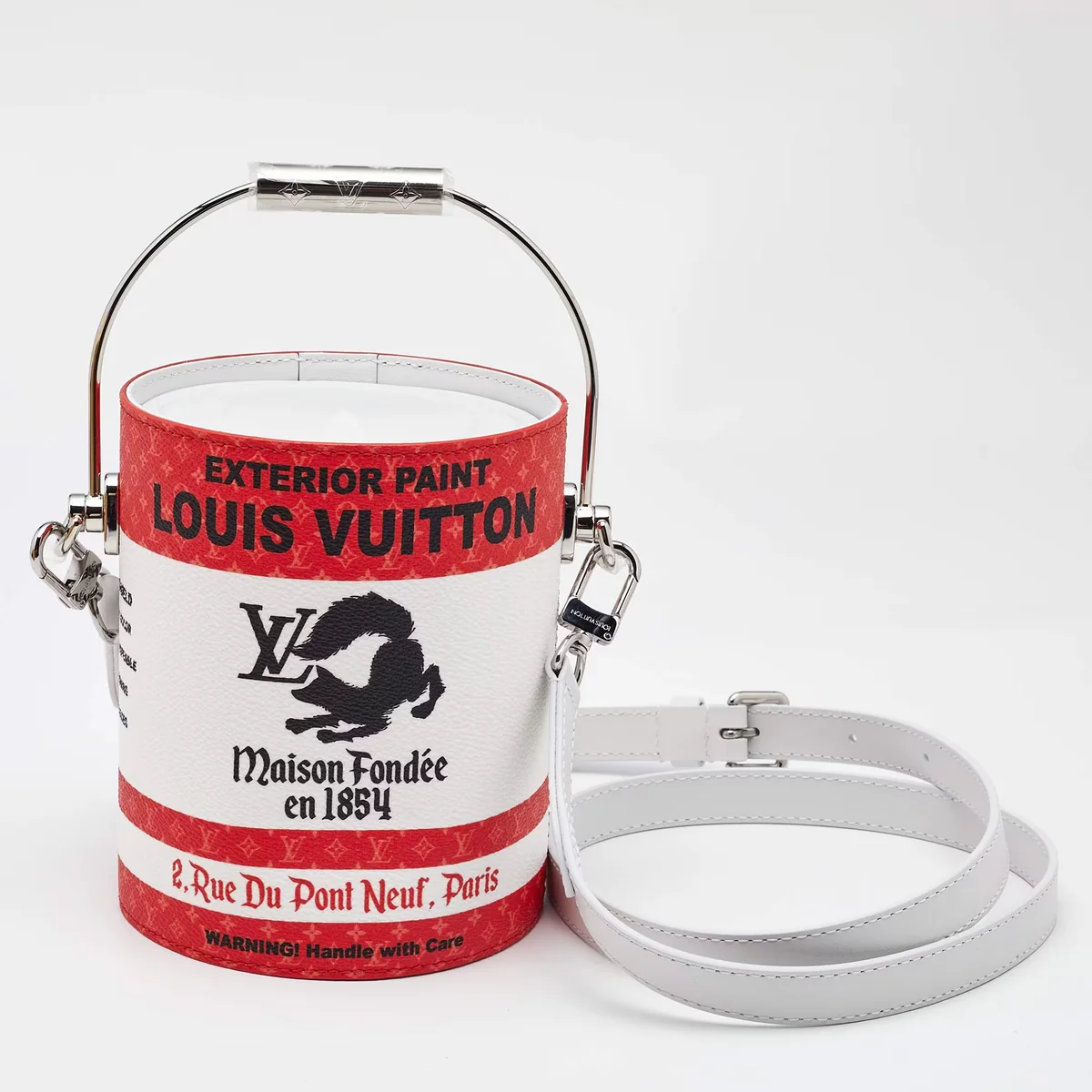
Ask any woman who has waited eighteen months for a bag to arrive, and she’ll tell you a handbag is never just an accessory. It’s a decision, a milestone, sometimes a small act of rebellion against practicality. That emotional weight is exactly why the logo-driven bags dominating Instagram feeds have started to feel less special. When everyone can identify a bag from across a room, the thrill of owning it thins out.
Niche designer handbags work differently. They reward the people who already know what they’re looking at. A Fendi Baguette tucked under the arm, a Dior Saddle slung across the body, a sculptural Loewe silhouette that looks more like a gallery object than a purse — these pieces don’t shout. They invite a second look, and often a question: “Wait, what is that?”
This guide moves past the monogram-heavy staples to map out the shapes, materials, and heritage stories that define genuinely niche handbags. We’ll also do what most buying guides skip: talk honestly about pricing expectations, authentication red flags, and the care that exotic materials actually require. If you collect Hermès Kelly bags or you’re circling your first non-mainstream purchase, treat this as the reference you keep coming back to before you spend real money.
What Makes a Handbag Truly Niche? #
“Niche” gets thrown around loosely in resale listings, so it’s worth defining properly before we go further. Based on what actually holds value and interest in the secondary market, a truly niche handbag tends to share four traits.
- Limited production or artisanal craftsmanship. The bag isn’t mass-produced across dozens of factories. It may involve hand-stitching, in-house ateliers, or capsule runs tied to a specific collection or collaboration.
- A distinct silhouette. You could identify the bag by shape alone, with the logo removed. Think of the Dior Saddle’s curved flap or the Bottega Veneta Andiamo’s architectural handle.
- Cultural or historical significance. The bag is attached to a specific moment, muse, or design house tradition, not just a season’s marketing push.
- Minimal reliance on overt branding. The craftsmanship, hardware, or shape does the talking, not a repeated monogram.
The practical test we use: if you had to describe the bag to someone without naming the brand, could you? If the answer is yes because the shape or detail is that recognizable, you’re likely looking at a niche piece. If the only distinguishing feature is a logo pattern, it’s mainstream, however expensive it is.
Iconic Silhouettes: Baguette, Saddle, and Bucket Bags #
These three shapes anchor the niche category because they were disruptive when they launched and have stayed relevant for decades, unlike most seasonal “It” bags.
The Baguette #
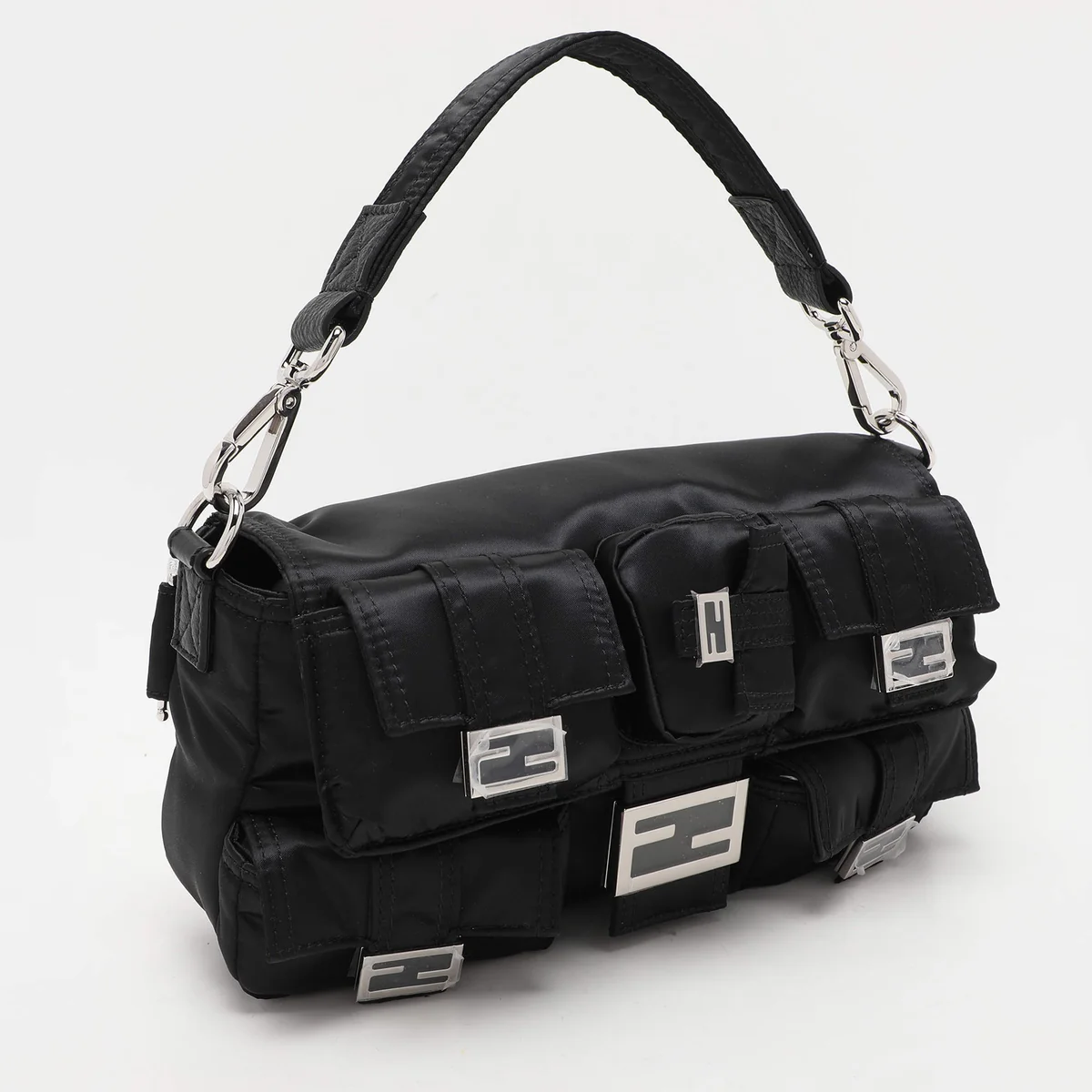
Fendi’s Baguette, designed by Silvia Venturini Fendi in 1997, got its name from the way it sits tucked under the arm like a loaf of bread. It became a genuine cultural artifact after Sarah Jessica Parker’s Carrie Bradshaw called it “not a bag, it’s a Baguette” on Sex and the City, and it has since appeared in embroidered, beaded, and exotic-skin editions that turn each version into a small art object. On the resale market, a classic leather Baguette typically runs from the low hundreds to around $2,000, while limited embellished or FF Vertigo editions push well past that, sometimes into the $3,000–$5,000 range depending on rarity and condition.
The Saddle #
John Galliano’s 1999 Saddle bag for Dior was a shape nobody asked for and everybody eventually wanted, with its curved flap and equestrian D-ring nodding to horseback tack. It disappeared for a decade after its initial run, then returned in 2018 to a market that finally understood it. Original vintage Saddles and reissued versions both trade actively; expect roughly $1,500 to $3,500 for standard leather, with exotic skins or micro-embellished versions climbing higher.
The Bucket #
Louis Vuitton’s Noé, created in 1932 to transport champagne bottles safely, is the blueprint for every bucket bag that followed. Its drawstring closure and rounded base prioritize function without sacrificing shape, which is part of why the silhouette has been reinterpreted by nearly every major house since. A pre-owned Monogram Noé generally sits between $900 and $1,800, while smaller or limited-run bucket styles from other houses vary more widely based on material and edition size.
The common thread across all three: they were built around a practical need first, and became iconic because the shape solved that need elegantly. That’s a very different origin story than a logo bag designed primarily to be recognized.
Avant-Garde and Sculptural Bag Designs #
If baguette, saddle, and bucket shapes represent evolved classics, this category is where design houses treat the handbag as sculpture first, accessory second.
JW Anderson’s Pierce bag, with its exaggerated twisted chain-link clasp, turned a single hardware detail into the entire identity of the bag. Loewe’s Balloon bag inflates a simple pouch into a rounded, almost architectural form that photographs like a study in volume. Bottega Veneta’s woven Intrecciato pieces, particularly the structured Andiamo, replace logos entirely with a technique so distinctive it functions as a signature.
These bags tend to divide opinion, and that’s the point. They’re not designed for universal appeal; they’re designed to be a statement within a very specific aesthetic conversation. Expect pricing in this category to swing widely: a Pierce bag in leather typically lands between $600 and $1,400 pre-owned, while structural Bottega Veneta pieces in exotic materials can run $3,000 and up. Because these designs are less “instantly recognizable” to the general public than a Birkin or a Speedy, resale demand is more dependent on the specific model staying culturally relevant, which is worth factoring in if you’re buying with resale value in mind rather than pure personal enjoyment.
Heritage Icons: Bags with Cultural and Historical Significance #
Some bags earn their status not through avant-garde design but through decades of consistent craftsmanship and a documented origin story. This is where Hermès sits, and specifically where the Kelly bag belongs.
Named after Grace Kelly, who used the bag to shield her pregnancy from paparazzi in 1956, the Kelly predates that moment by two decades; Hermès had produced the silhouette since the 1930s as a travel bag before the Monaco connection cemented its fame. What makes it niche rather than mainstream despite its recognition is the production model itself: each bag is made by a single artisan from start to finish, using saddle-stitching techniques largely unchanged since the house’s origins as a harness maker. Retail pricing for a new Kelly starts around $10,000 for entry sizes and leathers, with exotic skins and larger sizes moving into the tens of thousands, and rare colorways or limited exotics reaching well over $100,000 on the resale market.
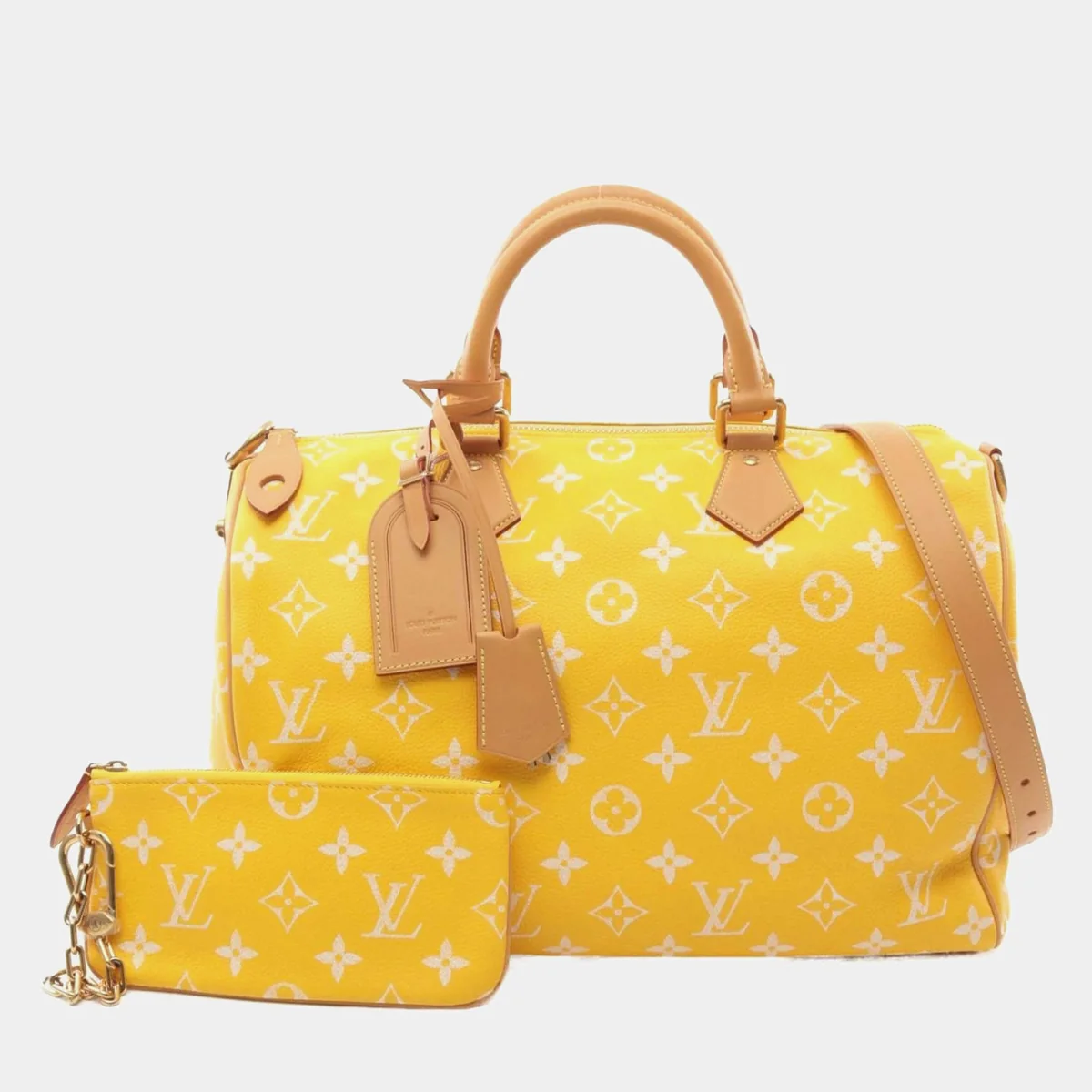
Chanel’s 2.55, created in 1955 and named for its birth month and year, introduced the quilted diamond pattern and chain strap that the house still builds every bag around. Louis Vuitton’s Speedy, adapted from steamer trunk hardware for city use, and the Steamer bag itself, are heritage pieces precisely because their construction methods trace directly back to the houses’ founding trades: leather goods and travel equipment. A well-kept Chanel 2.55 typically trades between $6,000 and $10,000, while Speedy bags remain more accessible, generally $900 to $1,900 depending on size and material.
The lesson across all of these: heritage value isn’t about age alone. It’s about whether the bag’s construction method today still reflects the craft the house was originally known for.
How to Authenticate and Buy Niche Designer Handbags #
Niche bags are harder to authenticate than mainstream logo pieces, precisely because there’s less public documentation and fewer counterfeiters bother replicating them well, which paradoxically makes the few fakes that do exist more convincing to an untrained eye.
Here’s what we check first, in order, when evaluating a pre-owned piece:
- Stitching consistency. Hermès, Dior, and Fendi all use consistent stitch length and spacing. Uneven stitches, especially at stress points like handle attachments, are the fastest tell.
- Hardware weight and engraving. Authentic hardware has heft and crisp, evenly spaced engraving. Counterfeit hardware often feels light and has shallow or slightly misaligned lettering.
- Date codes and heat stamps. Hermès uses blind stamps with a letter-year system; Chanel uses serial numbers with matching authenticity cards (pre-2021 production) or a different verification method for newer pieces. Cross-check the format against the era the seller claims.
- Leather smell and grain. This sounds unscientific, but it isn’t. Full-grain and exotic leathers have a distinct smell and irregular grain pattern that’s genuinely difficult to fake convincingly.
- Interior lining and pocket construction. Fakes often cut corners inside the bag, where buyers look less carefully. Check lining material, pocket stitching, and zipper brand (YKK or Riri, depending on house) match known authentic examples.
Beyond visual checks, buy from resale platforms or dealers that offer third-party authentication and a clear return policy if authenticity is disputed. Ask for full photo documentation, including interior stamps, hardware close-ups, and serial numbers, before paying. If a seller resists providing these, that’s a red flag regardless of how good the price looks.
On sourcing: because niche bags are inherently limited-run, the pre-owned and vintage market is often the only realistic way to acquire discontinued styles like the original Dior Saddle run or early Fendi Baguette colorways. Buying pre-owned isn’t a compromise here, it’s frequently the only path to the piece you actually want, and it comes with the added benefit of extending the life of a bag that was built to last decades in the first place.
Craftsmanship and Materials: Why Niche Bags Command Their Price #
The price gap between a niche designer bag and a mass-market equivalent isn’t marketing. It’s labor and material cost, and it’s worth understanding what you’re actually paying for.
Exotic leathers like crocodile, alligator, and ostrich require sourcing from regulated farms, individual skin selection for grain consistency, and tanning processes that can take weeks longer than calfskin. A single crocodile Kelly can require a skin worth more than the finished retail price of a calfskin equivalent, before labor is even factored in. Beading and embroidery, common on special-edition Baguettes and Saddle bags, are frequently done by hand, with some pieces taking upward of 40 hours of artisan work for a single bag.
That craftsmanship comes with maintenance responsibilities most buying guides skip over:
- Exotic skins (crocodile, lizard, ostrich) need conditioning every 6–12 months with a product formulated for that specific skin type, and should never be stored in direct sunlight or high humidity, which causes scales or grain to lift.
- Beaded and embroidered pieces should never be steamed or heat-pressed to remove wrinkles; heat can loosen adhesive backing or melt certain bead coatings. Spot-clean only, and store flat rather than upright to avoid stress on the embellishment.
- Saddle-stitched leather (Hermès in particular) benefits from occasional light conditioning but should be kept away from direct heat sources, which dry out the thread as much as the leather.
- Structural or sculptural bags with molded or bonded elements (like Loewe’s Balloon) should be stored in their dust bag with the shape supported, since compression over time can cause permanent creasing that’s difficult to reverse.
Skipping this maintenance is the single biggest driver of resale value loss we see in the pre-owned market. A bag with dried, cracked exotic leather or lifted beading can lose 30–40% of its resale value compared to an identical piece that’s been properly cared for, even if both were used the same amount.
FAQs About Niche Designer Handbags #
How can I tell if a niche designer bag is fake if there’s little information online about it? Rely on construction fundamentals rather than model-specific guides: stitch consistency, hardware weight, leather smell, and interior finishing. These don’t vary by model, they’re consistent across a brand’s entire production, which makes them reliable even for obscure or discontinued styles.
Where can I actually buy discontinued niche styles like the original Fendi Baguette or early Dior Saddle? Pre-owned resale marketplaces, vintage designer boutiques, and authenticated consignment platforms are realistically your only options for original production runs. New releases and reissues are available through the brand directly, but they’re different pieces from a collector’s standpoint, not the original.
Are niche designer handbags a good investment compared to mainstream logo bags? It depends on the piece. Heritage icons like the Hermès Kelly have shown consistent value retention and even appreciation over decades due to controlled production. Avant-garde or sculptural pieces are more volatile, since their value depends on the design staying culturally relevant rather than on brand heritage alone.
Do niche bags hold value as well as Birkins or Kellys? Generally, no. Hermès’ controlled production and waitlist system create scarcity that most other houses can’t replicate. Niche pieces from other brands can still hold value well, but expect more fluctuation tied to trends and re-editions.
Is it worth buying a niche bag in exotic leather if I’m not experienced with maintenance? Only if you’re committed to proper care or willing to pay for professional conditioning periodically. Exotic skins are less forgiving than calfskin, and poor maintenance shows up quickly in both appearance and resale value.
Related Articles #
- 5 Iconic Bags Named After Famous Women (Buying Guide)
- How to Buy & Authenticate Pre-Owned Louis Vuitton Bags
- Louis Vuitton Alma Bag: The Ultimate Buying Guide
- Chanel Handbag Prices: Iconic Styles & What They Cost
- Fendi First Bag Guide: History, Design & Resale Value
Related guides
- Online Bag Authentication: What Photos Can and Cannot Prove
- Luxury Handbag Authentication Process Explained
- China TikTok Luxury Factory Claims: Fact vs Fiction
- Chanel 2.55 History, Details & How to Spot a Fake
- How to Buy an Authentic Luxury Bag from China Safely
- New vs Pre-Owned Luxury Bags: Which Route Is Right for You?
- Chanel Bag Guide: What to Know Before You Buy
- Luxury Bag Houses


Keyword index