Introduction #
A well-loved handbag doesn’t need replacing when it starts to feel repetitive in rotation — it needs restyling. Charms, straps, and scarves have quietly become the fastest way for collectors to keep a Birkin, a Speedy, or a plain black tote feeling current without touching the resale value of the bag itself. This is a shift that’s easy to spot on resale platforms and in auction house catalogues alike: accessory attachments now sell in their own dedicated categories, and a well-chosen twilly or charm can move a listing photo from forgettable to scroll-stopping.
The appeal isn’t just aesthetic. Accessorizing lets you rotate mood and season into a bag you already own, and it’s a lower-risk way to buy into a house you love without committing to a five-figure flagship piece. Below are five accessories worth knowing, plus the buying, care, and authentication details that actually matter once you’re ready to spend real money on them.
Charms That Add Personality #
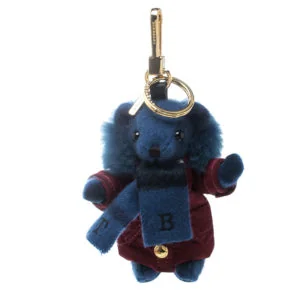
Charms are the entry point most people start with, and the Burberry Thomas Bear charm is a good example of why the category has staying power. Each bear is made by Merrythought, a UK soft toy manufacturer operating since 1930 and one of the last of its kind still producing by hand. That detail matters for authentication: genuine Merrythought-made Burberry bears have consistent stitching density, a weighted, slightly firm stuffing (not the loose, cheap fill found on counterfeits), and clean, evenly spaced fur on the muzzle. The gold-tone hardware clip should have real weight to it and a smooth, unbranded-but-precise clasp mechanism — cheap replicas tend to use lightweight, tinny clips that snag on fabric.
From a functional standpoint, the bear works as both a bag charm and a keyring, which is part of why resale demand holds up. On a black or camel bag it reads as a soft, playful contrast; on a monogrammed canvas piece it can visually compete, so I’d size it down or skip it if your bag already has a busy print.
Budget-wise, charms span a wide range:
- Entry tier (£50–150): fabric or enamel charms from contemporary brands, small logo tags
- Mid tier (£150–450): Burberry Thomas Bear, small leather charms from Coach, Longchamp
- Upper tier (£450–1,200+): Louis Vuitton and Chanel charm pieces, limited editions, collaboration drops
Secondhand versions of the Thomas Bear typically trade at 40–60% of original retail if the fur and stitching are intact, which is a genuinely good value proposition compared to buying new, provided you can verify the Merrythought tag sewn into the seam.
Straps That Transform a Bag’s Look #
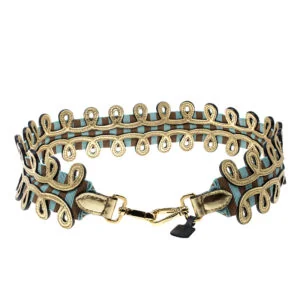
Nothing changes the personality of a bag faster than swapping its strap, and the Fendi Strap You line is the clearest example of the category done well. The design pairs gold-tone leather loops with a striped fabric body and two metal clasps, and it was built specifically to be interchangeable across Fendi’s Peekaboo and Baguette silhouettes — though in practice, collectors use these straps on non-Fendi bags too, as long as the clasp width matches.
The reason straps outperform charms for visual impact is simple: they sit at eye level and take up real surface area, so a striped or two-tone strap on a plain black or tan bag reads immediately, even from across a room. The tradeoff is that straps are more exposed to wear. Fabric sections pick up friction marks from clothing and bag straps rubbing against denim or wool coats, so if you’re buying secondhand, check the underside of the fabric closely under bright light for thinning or pilling — this is where damage shows first and where sellers sometimes crop photos.
Price-wise, expect:
- New Fendi Strap You pieces: roughly $450–900 depending on material (canvas vs. leather vs. exotic)
- Secondhand in excellent condition: 50–65% of retail
- Secondhand with visible fabric wear: 30–45% of retail, and worth negotiating down further
Leather-clasp hardware should show the engraved Fendi logo with sharp, not shallow or blurry, lettering — a common tell on counterfeit straps.
Scarves and Twillies for Timeless Elegance #
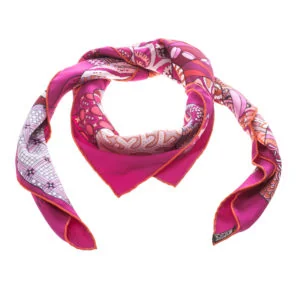
Tying a scarf or twilly around the handle of a Birkin, Kelly, or Lindy is one of the oldest customization habits in luxury handbag culture, and Hermès scarves like Fleurs D’Indiennes, designed by Aline Honoré, show why the practice has never gone out of style. The pattern’s floral, block-print-inspired motif works because it’s busy enough to add personality but restrained enough not to fight with the bag’s hardware or leather grain.
A few practical styling notes from actually doing this: a full 90cm carré is too large for a handle wrap and works better as a bandeau or worn separately; a twilly (roughly 4-5cm wide) is the right proportion for wrapping a Kelly or Birkin handle without overwhelming it. On a Lindy, whose handles are shorter and thicker, a slightly wider twilly or a half-scarf fold reads better than a thin strip.
Silk care is where most damage happens, and it’s avoidable. Keep scarves away from perfume and hand cream applied right before handling — silk absorbs oils and alcohol-based sprays, which leaves faint discoloration that’s very hard to reverse. Store folded, not knotted, when not in use, and have silk professionally cleaned rather than hand-washing at home; Hermès print silk can bleed or lose sheen with DIY washing.
On pricing, new Hermès scarves and twillies range from roughly $180 for a twilly to $500+ for a full carré, depending on pattern rarity. Secondhand Fleurs D’Indiennes and similarly discontinued prints often sell at or above retail once a design is out of production — this is one of the few accessory categories where resale value can exceed original price, particularly for artist-signed or limited prints. When buying pre-owned, check the rolled hem stitching (should be hand-rolled, slightly irregular, not machine-perfect) and look for the printed signature and copyright mark in the corner, both frequently botched on fakes.
More Ways to Elevate Your Handbag #
Rounding out the list are two pieces that show how far the “small accessory, big impact” logic extends beyond charms and scarves.
Louis Vuitton Bijou Sac Chaine — This charm hangs monogram motifs, including bee and flower appliqués, from a gold-tone chain, and it’s built for exactly the kind of bag that benefits from a little movement and shine: a Speedy or Alma in plain [[[monogram canvas](/authentication/how-to-spot-a-fake-neverfull-authentication-guide/)](/buying-guides/louis-vuitton-neverfull-buying-guide/)](/authentication/how-to-spot-a-fake-louis-vuitton-bag/). It’s a good example of a charm that adds sound and motion rather than just color contrast, and it photographs well against LV’s classic brown canvas because the gold tone lifts the whole palette.
Louis Vuitton x Supreme Luggage Tag — Built from the house’s signature epi leather in red, with the Supreme logo lettered in white, this tag is a collaboration piece, which means two things for buyers: it has a finite production run, and it carries a collector premium that isn’t purely about material cost. Luggage tags like this work best on structured travel bags and totes rather than delicate evening pieces, where a stiff leather tag would look out of proportion.
Both pieces trade at a premium over comparable non-collaboration or non-motif accessories, and that premium tends to hold better on the Supreme tag specifically because collaboration pieces have a collector base separate from typical LV buyers.
How to Choose the Right Accessory for Your Bag #
The biggest mistake I see people make is buying the accessory they love in isolation, rather than the one that suits the bag they actually own. A few rules that hold up in practice:
Match contrast, not just color. A charm or strap in the same tone family as your bag will disappear against it. The Fendi Strap You works because it contrasts against mono-tone bags — the same logic applies to charms and scarves. If your bag is black, cream or camel accessories will read; black-on-black won’t.
Check hardware tone before buying. Gold-tone charms on silver hardware (or vice versa) is the single most common styling misstep. Always confirm your bag’s hardware finish before committing to a charm or strap.
Size the accessory to the bag. A large scarf overwhelms a small Lindy; a delicate twilly disappears on an oversized tote. As a rough guide, twillies and small charms suit bags under 30cm, while full scarves and larger straps suit 30cm+ pieces.
Buying pre-owned: authenticate before you personalize. If you’re buying a secondhand charm, strap, or scarf to pair with your bag, apply the same scrutiny you’d use buying the bag itself: check stitching consistency, hardware engraving depth, material weight, and — where possible — buy from resellers who offer authentication guarantees or condition grading (often labeled excellent, very good, good, or fair). Condition grade should directly affect price; a “good” condition strap with visible fabric wear should be priced well below a “excellent” grade piece, and if a listing doesn’t disclose flaws clearly, ask before buying.
Secondhand vs. new, in short: for charms and straps, secondhand typically saves 35-55% with acceptable wear trade-offs. For discontinued Hermès scarves, secondhand can cost the same or more than original retail, so buying new when a print is still in production is usually the better value if you can get it.
FAQ #
Do bag charms damage the leather they hang from? Rarely, if the clip is smooth and the charm isn’t excessively heavy. Avoid letting metal charms swing against soft, unstructured leather (like unstructured totes) repeatedly, as this can cause fine scratching over months of wear.
Can I wash a silk twilly at home? It’s not recommended. Silk twillies and scarves should go to a professional cleaner experienced with silk, especially for printed pieces where at-home washing risks color bleed or dulled sheen.
How do I know if a bag charm is authentic before buying secondhand? Check hardware engraving sharpness, material weight, stitching consistency, and any brand-specific manufacturing marks (like the Merrythought tag on Burberry bears). Buying through a reseller with a stated authentication process reduces risk significantly.
Will adding a strap or charm devalue my bag on resale? No, as long as you don’t alter the bag itself (no added holes, no permanent attachments). Straps and charms are fully removable and won’t affect the bag’s own condition grading.
What’s the safest first accessory to buy if I’m new to this? A charm in the $150-450 range is the easiest entry point — lower financial risk than a strap or discontinued scarf, and easy to authenticate if bought from a reputable reseller.
Recommendations and Buying Advice #
If you’re starting an accessory collection, sequence your purchases by risk and versatility. Buy a well-made charm first — something like the Burberry Thomas Bear — since it’s the lowest financial commitment and works across multiple bags. Move to a strap once you know which of your bags actually needs the contrast; the Fendi Strap You is a strong pick if your existing bags lean mono-tone. Save scarves for last, since they require the most care knowledge, and prioritize in-production Hermès prints over discontinued ones unless you’re comfortable paying a collector premium.
Across all three categories, buy from sellers who disclose condition grade and offer authentication support, and don’t assume “pre-owned” automatically means “cheaper” — with Hermès silk in particular, that assumption can cost you. Treat these pieces as genuine additions to your collection, not disposable extras, and they’ll outlast several seasons of trend cycles on the bags you already own.
Related Articles #
- How to Spot a Fake Burberry Bag: Full Guide
- How to Buy & Authenticate Pre-Owned Louis Vuitton Bags
- Popular Handbag Brands: Which One Is Right for You?
- Replica vs Pre-Owned Bags: Which Is the Smarter Buy?
- Authentic vs Fake Hermès Kelly Bag: How to Tell
Related guides
- Online Bag Authentication: What Photos Can and Cannot Prove
- Meet Marwa Azzam Aldabbagh: Kelly Bag Authentication Expert
- Luxury Handbag Authentication Process Explained
- China TikTok Luxury Factory Claims: Fact vs Fiction
- How to Buy an Authentic Luxury Bag from China Safely
- New vs Pre-Owned Luxury Bags: Which Route Is Right for You?
- Chanel Bag Guide: What to Know Before You Buy
- Luxury Bag Houses

Keyword index