The 10 Most Coveted [[Louis Vuitton](/buying-guides/designer-handbag-trends-2025/)](/buying-guides/best-white-designer-dresses-2025/) Bags in 2026 & What Makes Them Iconic#
Introduction#
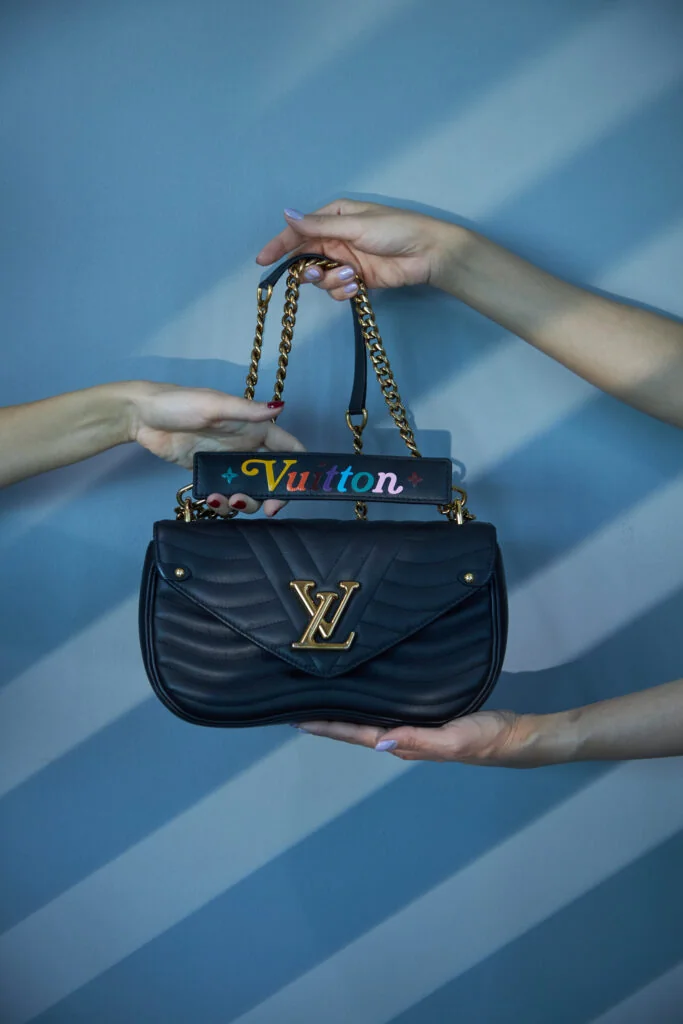
There are bags that carry your things, and then there are bags that carry a reputation — one built across130 years of trunks, ateliers, and a few very well-documented celebrity street style moments. Louis Vuitton sits firmly in the second category.
But here’s the problem with buying into that reputation in 2026: the brand’s catalogue is enormous, the price tags have climbed significantly over the past three years, and the resale market rewards some choices handsomely while quietly punishing others. A Neverfull MM in Monogram Canvas and a Coussin PM in the same season are not equivalent bets — not on your wardrobe, not on your wallet.
This guide cuts through the catalogue noise. We’ve ranked the ten most coveted Louis Vuitton bags in 2026 across three tiers — everyday icons with deep resale liquidity, status statements for the logo-averse connoisseur, and speculative collector pieces where the rewards are real but so is the risk. For each bag, you’ll find size and materials breakdowns, honest assessments of their weaknesses, directional resale data, and clear recommendations for who should actually buy them.
Whether you’re researching your first Louis Vuitton purchase or evaluating your next pre-owned acquisition, consider this your editorial framework for spending wisely.
Why Louis Vuitton Bags Dominate in 2026#
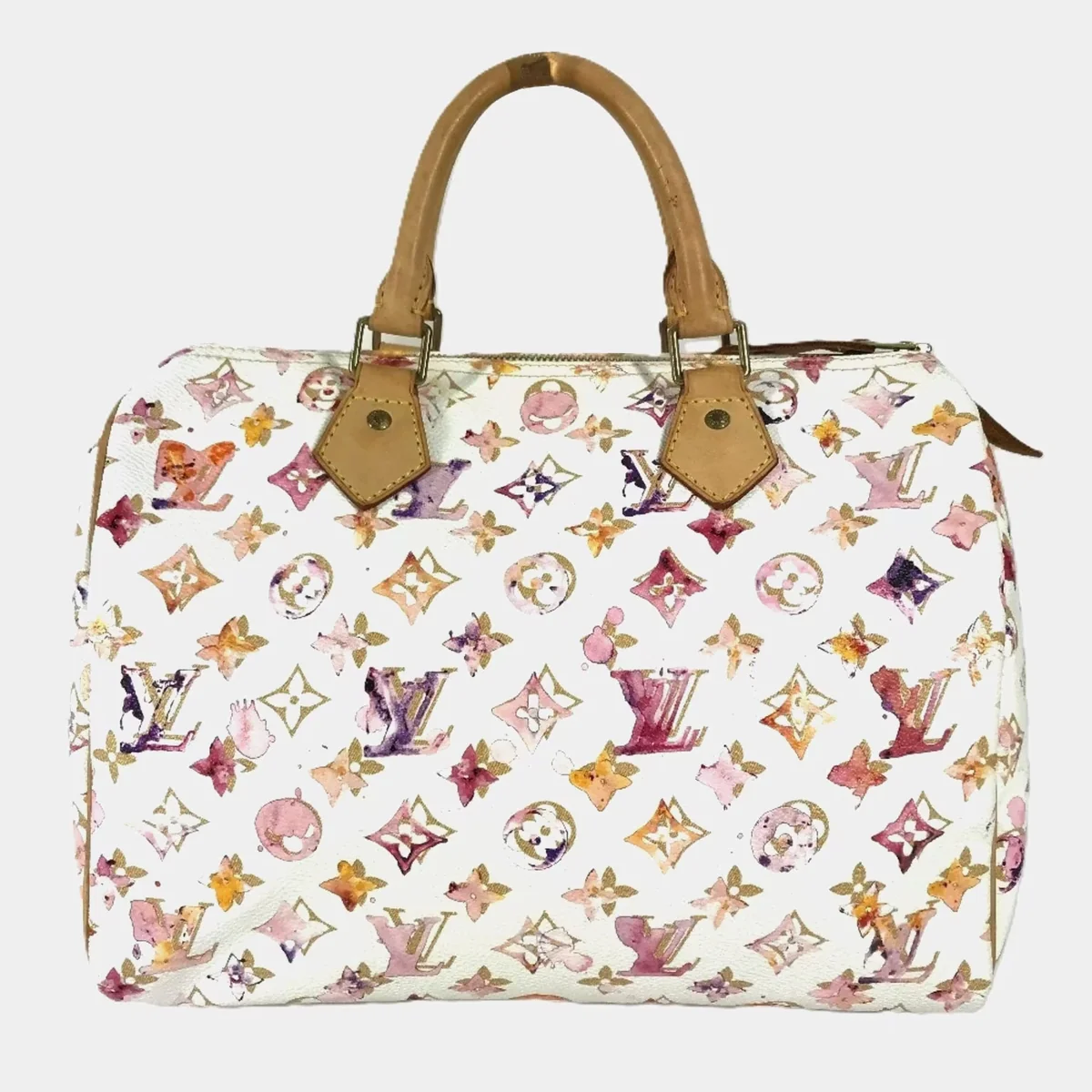
The timing of this guide is not accidental. 2026 marks the 130th anniversary of the Monogram canvas — that immediately recognisable interlocking LV print that Georges Vuitton designed in 1896to deter counterfeiters. The irony that it became the world’s most copied luxury pattern is a conversation for another day.
To mark the anniversary, Louis Vuitton launched the Monogram Origine capsule: a series revisiting core silhouettes in warm natural leathers and trompe-l’œil trunk textures. Alongside it, the VVN (Vachetta Vieille Naturelle) collection introduced untreated cowhide versions of classic shapes, and the Time Trunk capsule — with its literal trunk-print canvas — became the most discussed drop of the year before it even hit shelves.
Meanwhile, the Spring/Summer 2026 runway under Nicolas Ghesquière delivered structural revivals: the Speedy Soft (a deliberately relaxed take on the rigid classic), the Express PM (a scaled-down crossbody reworking the Speedy DNA), and a renewed emphasis on the Capucines as the house’s quiet-luxury anchor.
What separates 2026 from previous cycles is the bifurcation of the market. Casual buyers are gravitating toward canvas classics with proven resale floors. Meanwhile, a smaller, more informed collector class is positioning around anniversary capsules, exotic-material Capucines, and anything with Ghesquière’s structural fingerprints. These two groups have different needs, different risk tolerances, and — critically — different buying strategies.
The price environment also matters. LV has implemented five price increases since 2021. A Neverfull MM in Monogram Canvas now retails at approximately €1,790 / $1,930. Knowing which bags justify that spend — and which hold their value enough to make the pre-owned market a smarter entry point — is precisely what this guide exists to address.
The Everyday Icons: Speedy, Neverfull & Alma#
These three bags form the bedrock of Louis Vuitton’s commercial dominance. They are the most produced, the most recognised, and the most liquid on the resale market. That liquidity is a genuine advantage if you ever want to sell; it is also the source of their primary downside — saturation.
1. The Louis Vuitton Speedy: Still Earning It#
Retail price: $1,920–$4,150 (canvas to leather); limited editions and exotics above retail
Resale retention: 70–85% for standard canvas; limited editions frequently at or above retail
Best for: First LV purchase, daily use, collectors targeting specific collaborations
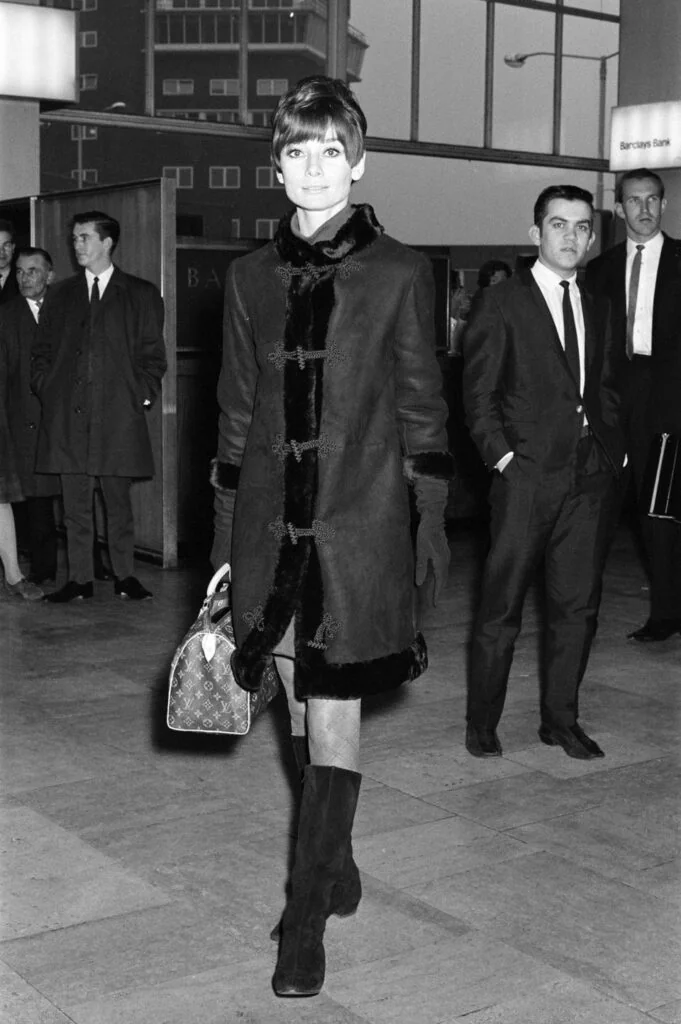
The Speedy began in 1930 as the “Express” — a scaled-down travel bag designed for the speed of early commercial aviation. It became a fashion object in 1965 when Audrey Hepburn asked the Paris store for a version small enough for her frame; Louis Vuitton obliged with the Speedy 25, and the trajectory shifted permanently from luggage to handbag.
The core range runs in four sizes: 20, 25, 30, and 35. The 25 is the most balanced for everyday use without feeling cramped; the 30 is the historical bestseller and the size to choose if you carry more than a phone, wallet, and keys. The 35 starts to feel unwieldy unless you genuinely need the capacity. The Bandoulière version adds a removable shoulder strap, which transforms the bag’s practicality significantly and is, in my opinion, the only version worth buying new today.
Materials available: Monogram Canvas, Damier Ebène, Damier Azur, Empreinte Leather, Épi Leather, and rotating limited editions.
What genuinely works: The coated canvas ages exceptionally well. The silhouette is stable enough to anchor both casual and business-dressed looks. Secondary market for core sizes never dries up.
Honest downsides: The Monogram Speedy 30 is one of the most counterfeited bags on earth — which means wearing one in certain contexts invites assumptions you may not want. The open-top design offers no security. The vachetta leather base and handles patina unevenly if you’re not careful, and protecting them requires actual maintenance discipline. Saturation at the30 size is real; the 25 or the Bandoulière iteration reads more intentional.
2026 context: The Speedy Soft, introduced SS26, deliberately de-structures the silhouette with a softer canvas treatment. Early feedback suggests it splits opinion — purists resent the slackening of the form; younger buyers love the casual drape. Anniversary editions (Monogram Origine Speedy in VVN) are generating strong waitlists and will almost certainly trade above retail on the secondary market within12 months.
Best for: Anyone who wants the most proven entry point in LV’s catalogue. Buy pre-owned in Damier Ebène if you want to avoid the monogram saturation anxiety entirely.
2. The Louis Vuitton Neverfull: The Tote That Refuses to Age Out#
Retail price: $1,930–$2,500 (MM, depending on canvas/lining)
Resale retention: 68–78% for standard canvas; Giant Monogram and limited linings trade higher
Best for: Daily workwear tote, travel, families, buyers who need genuine capacity
When the Neverfull launched in 2007, Louis Vuitton’s critics called it utilitarian to the point of being un-luxury. Two decades later, the bag has outlasted multiple trend cycles and accumulated an almost absurd volume of editorial appearances. The name is not hyperbole — the main compartment expands via side lace ties, the removable pochette adds a secondary pouch, and the whole structure genuinely accommodates a13-inch laptop alongside daily essentials.
The Neverfull comes in PM, MM, and GM sizes. The MM is the consensus choice for most buyers: genuinely capacious, proportioned well on the shoulder, and the most liquid size on the resale market. The GM is for those who want to use it as a carry-on substitute or who habitually overpacked before they bought this.
Materials available: Monogram Canvas, Damier Ebène, Damier Azur, Épi Leather (limited reissues), and seasonal special editions with custom lining prints.
What genuinely works: The interior pochette is removable and doubles as a standalone clutch. The open structure means you’re never fighting a zipper. It’s one of the few luxury totes that honestly functions as a workhorse without self-destructing.
Honest downsides: No zip closure — a real concern in crowded cities. The coated canvas exterior shows pressure marks and scuffs more visibly than people expect. The Monogram version has reached peak ubiquity; you will see three on a busy street on any given morning. And Louis Vuitton periodically discontinues the Neverfull (it was pulled from the range in 2021 and returned in 2022), creating secondary market anxiety for those mid-renovation.
2026 context: The Giant Monogram lining variations continue to hold collector interest. Keep an eye on any SS26 special edition linings — these tend to hold resale value 15–20% above standard editions due to lower production volumes.
Best for: Daily use buyers who need a serious tote and aren’t interested in hand-holding their bag. Buy the MM in Damier Ebène for a cleaner, less ubiquitous look. Consider pre-owned for the standard Monogram — the savings are meaningful and the canvas is built to survive decades.
3. The Louis Vuitton Alma: The Structured Classic That Earns Its Place#
Retail price: $1,870–$3,800+ (BB to GM; canvas to leather)
Resale retention: 65–75% for canvas; Empreinte and Épi versions hold better
Best for: Evening use, formal wardrobes, buyers who want a structured alternative to the Speedy
Designed by Gaston-Louis Vuitton in 1934, the Alma’s bell-shaped silhouette has a deliberate architectural quality that the more casual Speedy lacks. It was reportedly conceived to complement Art Deco interiors — which explains why it still reads as inherently elegant rather than sporty. The double zip closure, top handles, and rigid base give it a formality that makes it the right choice for professional environments where the Speedy feels too casual.
Sizes: BB, PM, and MM. The PM is the most proportional for regular use. The BB is genuinely small — phones and wallet territory — and functions better as an evening piece than a daily bag.
Materials available: Monogram Canvas, Damier Ebène, Damier Azur, Empreinte Leather, Épi Leather, Vernis (limited).
What genuinely works: The Épi Leather Alma is one of the most underrated buys in the entire LV range — cleaner logo treatment, excellent durability, and better resale differentiation than the saturated canvas versions. The double-zip fully opens to a remarkably organized interior. The structured base doesn’t collapse.
Honest downsides: The Alma has less cult following than the Speedy, which translates to slightly lower resale velocity — it takes longer to sell at your target price. The top-handle-only configuration limits how you can wear it; there’s no strap option on the standard model. Vernis versions, while beautiful, are high-maintenance and vulnerable to colour transfer from dark denim.
Best for: Buyers with a more formal lifestyle or those who want a structured LV without immediately telegraphing “Speedy owner.” The Épi Leather PM is my personal recommendation in this category — it ages beautifully and reads quieter than canvas.
The Status Statements: Capucines, Twist & Dauphine#
This tier operates differently. These bags are for buyers who know Louis Vuitton well enough to choose one of its less-obvious offerings — and that connoisseurship is precisely the point. The logos are present but subtle; the craftsmanship is the credential.
4. The Louis Vuitton Capucines: The Quiet Power Move#
Retail price: $6,100–$9,500+ (Mini to MM; standard leathers to exotics)
Resale retention: 78–90%; exotic versions have appreciated above retail
Best for: Investment buyers, corporate wardrobes, anyone post–logo-phase
The Capucines, named after the Rue des Capucines address of Louis Vuitton’s first Paris store, launched in 2013 as the house’s answer to the Hermès Birkin and Chanel Flap in the structured leather category. It took a few seasons to build momentum — the early editions felt slightly anonymous — but by 2020, it had established itself as the bag LV buyers graduate to when they want to signal sophistication over brand recognition.
The construction is exceptional: full-grain leather, hand-stitched handle attachment, concealed LV clasp beneath the fold-over flap. The monogram initials appear on a tonal leather patch rather than embossed into the body — visible to those who know, invisible to those who don’t. That balance is the whole game.
Sizes: Mini, BB, PM, MM. The BB is the most popular; the MM is boardroom-appropriate. The Mini is evening territory.
What genuinely works: This is Louis Vuitton’s strongest case for retail price justification — the leather quality and finish is genuinely comparable to Hermès leathers at equivalent price points. Exotic versions (python, alligator, ostrich) have a documented history of appreciating above retail. The structured silhouette works across a wider age and dress code range than almost any other LV bag.
Honest downsides: The entry price is significant, and for buyers who aren’t already fluent in LV’s leather hierarchy, the Capucines can feel like a difficult sell — there’s less immediate “wow” factor because the flex is encoded rather than broadcast. The clasp mechanism, while beautiful, requires two hands to open cleanly. At the BB size, capacity is genuinely limited.
2026 context: The Capucines BB in taurillon leather has emerged as a strong secondary market performer post-SS26, particularly in limited colorways. Anniversary capsule Capucines in VVN canvas are generating significant waitlist interest.
Best for: Buyers who’ve moved past the logo moment and want an LV that performs at the level of its price point. The strongest investment case in the non-exotic range is the Capucines BB in a classic neutral (black, camel, navy) — it has the broadest resale audience.
5. The Louis Vuitton Twist: Architecture in Leather#
Retail price: $3,200–$5,500(PM to MM; standard to limited)
Resale retention: 72–82%; limited colorways and SS editions trade notably higher
Best for: Fashion-forward buyers, evening/transition use, statement dressing
The Twist launched in 2015 with what is arguably the cleverest hardware in LV’s modern portfolio: the LV twist-lock closure, which functions both as fastening and as the bag’s most distinctive design element. Rotate it 90 degrees and the letters shift; the mechanism has a satisfying precision that feels genuinely engineered rather than decorative.
Ghesquière’s SS26 iterations pushed the Twist into bolder colorways and textural experiments — pleated leather, resin-coated canvas panels, tonal hardware — that have made it the most editorial bag in the current range.
What genuinely works: The hardware mechanism is unique and proprietary. The silhouette is clean enough to work across casual and formal contexts. Limited edition colorways are genuinely collectible — the resale premium on seasonal Twist iterations is among the highest in the non-exotic range.
Honest downsides: The Twist MM has a relatively shallow depth, which limits practical capacity more than the size suggests. The hardware, while beautiful, is exposed and can show wear on high-use bags. Not everyone can carry it — the structured silhouette and statement closure require a certain confidence to wear without the bag wearing you.
Best for: Buyers who dress intentionally and want a bag that participates in an outfit rather than finishing it. Limited editions are genuinely worth the waitlist effort for resale purposes; the standard colorways less so.
6. The Louis Vuitton Dauphine: The Insider’s Choice#
Retail price: $3,150–$4,300 (Mini to MM)
Resale retention: 70–78%; reversible strap versions hold better
Best for: Crossbody wearers, buyers who want monogram without the crowd
The Dauphine is the most underrated bag on this list. Launched in 2019, it introduced a bi-material construction that layers Monogram canvas over Monogram Reverse canvas — the latter being the inverted colorway (light background, brown print) that was originally developed for the Double Sens tote. The result is a bag that displays Louis Vuitton’s craft language without reproducing the standard Monogram repeat, and that difference matters on the street.
The reversible strap — Monogram on one side, Reverse on the other — is a genuinely useful feature rather than a gimmick. The DD clasp closure has the same satisfying solidity as the Twist lock.
What genuinely works: The bi-material construction is visually sophisticated and photographs well. The crossbody and shoulder carry options make it versatile. It’s the easiest bag on this list to wear as a “fashion person’s LV” because the canvas combination reads as more deliberate than standard Monogram.
Honest downsides: The canvas exterior will show corner wear over time in the same way any coated canvas does. The MM size can feel heavy when fully loaded due to the structured hardware. It’s less established in the resale market than the Speedy or Neverfull, which means less price predictability.
Best for: Buyers who want to carry Louis Vuitton Monogram with a less trafficked signature. Excellent daily crossbody for those with compact carry habits.
The Collector’s Tier: Petite Malle, Coussin & Limited Editions#
This is where the conversation shifts. These bags are not everyday propositions — they are positions. Some will appreciate; some will plateau; the wrong limited edition will sit unsold on a consignment site for eight months. The editorial truth is that this tier requires more homework, more patience on waitlists, and more honest self-assessment about whether you’re buying for use or for investment.
7. The Louis Vuitton Petite Malle: The Collector’s Statement#
Retail price: $4,800–$8,500+ (canvas to leather; standard to exotic)
Resale retention: 85–110%+ on standard versions; auction results for special editions have exceeded retail by significant margins
Best for: Collectors, evening dressing, buyers seeking genuine appreciation potential
The Petite Malle is architecturally honest about what it is: a miniaturised trunk. Marc Jacobs introduced it in 2014 as part of his final collection for Louis Vuitton, and it became the most deliberate collector’s piece the house had released in a generation. The S-lock hardware is drawn directly from archival trunk designs. The rigid construction means it will not accommodate much — it is emphatically an evening bag — but that’s the point. The Petite Malle is not a bag you carry; it is a bag you arrive with.
What genuinely works: The Petite Malle has one of the most consistent resale records in LV’s portfolio. Standard Monogram Canvas versions hold value remarkably well because the design is emotionally resonant and supply is deliberately controlled. Special editions — particularly the Fornasetti collaboration, trompe-l’œil versions, and hand-painted artist capsules — have achieved 150–200% of retail at auction.
Honest downsides: Genuine capacity is approximately: phone (thin), card holder, lipstick, keys if you’re optimistic. This is not a bag for people who carry a charger. The rigid construction does not accommodate a shoulder strap wearably, which limits how you can move through an evening. Waitlists for popular editions run6–12 months.
2026 context: The Time Trunk capsule produced a Petite Malle with trompe-l’œil hardware detailing that has already generated secondary market interest at120%+ of retail in early trading. If you’re on a waitlist, stay on it.
Best for: Established collectors and buyers who want a definitively investment-grade LV piece. Not a first purchase; not a practical one. But if you ever attend events where bags are noticed — this is noticed.
8. The Louis Vuitton Coussin: The Risk With Real Upside#
Retail price: $3,750–$5,200 (PM to MM)
Resale retention: 65–75% currently; trajectory improving as the silhouette matures
Best for: Trend-forward buyers, fashion weeks devotees, early adopters comfortable with speculative positioning
The Coussin (French for “cushion”) arrived in 2021 and divided opinion immediately. The inflated, pillow-like construction in lambskin — with tonal LV embossing rather than surface-applied canvas — was either the most considered interpretation of the late-2010s pillow bag trend elevated to luxury, or an extremely expensive trend play. Both assessments were partially right.
Three years in, the Coussin has outlasted most trend skeptics’ predictions. The embossed lambskin ages better than flat-surface equivalents, and the silhouette has been absorbed into LV’s permanent range — a meaningful signal that the house believes in its longevity.
What genuinely works: The lambskin embossing is technically sophisticated and distinctive. The bag photographs exceptionally well, which matters in2026’s image-driven market. The chainstrap is adjustable for crossbody and shoulder carry, and the padded construction means it genuinely protects its contents.
Honest downsides: Lambskin requires more careful maintenance than canvas — it’s vulnerable to scratches, moisture, and colour transfer. The inflated silhouette has divided opinion and may feel dated faster than a structured alternative. Resale trajectory is still establishing itself; buyers entering now are taking a measured risk. The LV embossing can fade with heavy use.
Best for: Buyers who are genuinely drawn to the silhouette and would wear it for its own merits rather than as a position. If you need the purchase to be safe, the Capucines or Petite Malle is a more defensible choice.
9. Louis Vuitton Limited Editions & Anniversary Capsules: The Speculative Tier#
Retail price: Varies significantly by collaboration and format
Resale retention: Highly variable — 80–200%+ for major collaborations; 50–70% for fashion-month exclusives that don’t build cultural momentum
Best for: Experienced collectors with high risk tolerance and long hold periods
This is a category rather than a single bag, and that distinction matters. Not all limited editions are created equal.
The editions with documented appreciation track records:
- Murakami Multicolor (2003, reissued 2024): Both original and reissue versions trade above retail. The 2024 reissue with Speedy 40 and Neverfull formats generated immediate secondary market premiums.
- Supreme x LV (2017): The original run remains one of the most appreciated LV collaborations in auction history — Speedy and Keepall pieces regularly exceed original retail by 200–300%.
- Yayoi Kusama x LV (2023, extended2024): Strong secondary market, particularly for Speedy and NF formats with the dots-all-over treatment.
- Monogram Origine (2026): Too early for definitive data, but VVN canvas and tonal hardware editions are generating waitlists consistent with appreciation potential.
The honest caveat: For every Supreme collaboration that tripled in value, there are ten seasonal colorway bags that retail at $3,800and sell pre-owned for $2,200two years later. The difference is cultural traction — does the collaboration generate genuine media moment, or is it a quiet seasonal update? That distinction requires editorial judgment, not just brand loyalty.
Honest downsides: Waitlists are genuinely competitive; flipping is increasingly policed by luxury houses; and the secondary market for fashion-only limited editions is thin. Hold periods for appreciation are typically 3–5 years minimum.
Best for: Buyers who already own the core classics, have liquidity to hold, and are making deliberate collector decisions rather than impulse buys.
10. The Louis Vuitton OnTheGo: The Modern Tote for Two-Bag People#
Retail price: $2,350–$3,900 (PM to GM; canvas to Empreinte)
Resale retention: 72–82%; Empreinte versions notably stronger
Best for: Professionals who travel frequently, two-bag wardrobe builders, buyers who want a luxury tote that doesn’t read “tote”
The OnTheGo arrived in 2019 as a structural evolution of the Neverfull concept — same generous capacity, significantly more architectural presence. The double-faced construction (Monogram on one side, Monogram Reverse on the other) eliminates the “which way does this face” problem and creates a genuine design distinction. The flat base and rigid handle structure mean it stands upright, unlike the Neverfull’s flexible canvas construction.
Sizes: PM and GM are the most popular. The GM is legitimately airport-appropriate; the PM works as a daily oversized shoulder bag.
What genuinely works: The Empreinte leather version is one of the most sophisticated everyday luxury bags currently available — the embossed monogram reads as texture rather than logo, and the structured form holds its shape under use. It’s the version I’d buy over the canvas if the budget allows.
Honest downsides: The double-faced design means the interior organisation is less refined than the OnTheGo’s exterior suggests. No interior zip pocket on the standard model. The GM is large enough to become a crutch for overpacking. Canvas versions face the same saturation conversation as the Neverfull.
Best for: Neverfull owners ready to upgrade, buyers who want a structured tote that doesn’t collapse, and anyone building a pre-owned LV wardrobe who wants maximum versatility per bag.
Resale Value Breakdown: Which LV Bags Actually Hold Their Worth#
Before committing to any Louis Vuitton purchase at2026 retail prices, it’s worth understanding the resale landscape clearly. The figures below are directional based on active secondary market tracking — individual condition, timing, and colorway will shift results.
By Bag: Retention Estimates (% of original retail recovered on resale)#
| Bag | Material | Resale Retention | Notes |
|---|---|---|---|
| Capucines BB | Taurillon Leather | 78–90% | Exotics above retail |
| Petite Malle | Monogram Canvas | 85–110%+ | Special editions exceed retail |
| Speedy 25/30 | Monogram Canvas | 70–85% | Limited editions above retail |
| OnTheGo MM | Empreinte Leather | 74–82% | Canvas lower |
| Twist PM | Leather | 72–82% | Limited colorways higher |
| Neverfull MM | Monogram Canvas | 68–78% | Most liquid resale market |
| Dauphine MM | Monogram/Reverse | 70–78% | Newer; still building |
| Alma PM | Épi Leather | 68–76% | Canvas lower |
| Coussin PM | Lambskin | 65–75% | Upward trajectory |
| Limited Editions | Varies | 50–200%+ | Highly collaboration-dependent |
By Material: What You Need to Know#
Monogram Canvas: The most liquid material in LV’s portfolio — there is always a buyer, which is the primary advantage. However, canvas versions consistently price below leather equivalents at resale because the entry price is lower and supply is higher. The saturation of standard canvas means condition premium is significant: a well-kept canvas Neverfull retains far more than one with corner wear and handle patina.
Empreinte Leather: Louis Vuitton’s embossed full-grain leather is the strongest performer in the leather category for everyday bags. It resists wear better than smooth leathers, ages with dignity, and commands a consistent premium over canvas equivalents on the secondary market. The OnTheGo and Speedy in Empreinte are particularly strong resale positions.
Épi Leather: Historically excellent resale retention due to its distinctive parallel grain and longevity. Discontinued colorways in Épi frequently trade above equivalent retail because supply is constrained. The current Épi range is smaller than in the brand’s 1990s–2000s peak, which has actually improved secondary market pricing for vintage pieces.
Vernis (Patent Leather): Beautiful in the right context, but high-maintenance and colour-sensitive. Vernis bags with colour transfer or fading sell at significant discounts. Best approached on the secondary market in excellent condition; approached new only if you’re committed to meticulous care.
Exotic Leathers (Alligator, Python, Ostrich): The strongest appreciation potential in the portfolio, but also the widest variance. An excellent condition exotic Capucines or Twist at auction can comfortably exceed original retail; a damaged or faded example may struggle to recover 50%. Condition is everything.
The Investment Reality Check#
Louis Vuitton bags are not stock market instruments, and anyone presenting them as purely financial investments is oversimplifying. They are luxury goods that happen to have strong secondary markets — a meaningfully different proposition. The most honest framing: if you buy well
Related Articles#
- Best It Bags to Buy This Year: A Definitive Guide
- 10 Best Designer Handbags Worth the Investment (2026)
- Louis Vuitton Alma Bag: Complete Buyer’s Guide 2026
- How Pre-Owned Luxury Fashion Is Reshaping the Industry
Related guides
- Online Bag Authentication: What Photos Can and Cannot Prove
- Fake Goyard Bag Guide: How to Spot Real vs Fake (2026)
- How to Spot a Fake Chanel Flap Bag: Authentication Guide
- How to Spot a Fake Hermès Birkin: Expert Checklist
- How to Buy an Authentic Luxury Bag from China Safely
- New vs Pre-Owned Luxury Bags: Which Route Is Right for You?
- Chanel Bag Guide: What to Know Before You Buy
- Luxury Bag Houses


Keyword index