Introduction: Rethinking the Clutch as an Everyday Investment #
Ask most first-time luxury buyers what they’re saving for, and the answer is rarely a clutch. It’s a Kelly, a Speedy, a Boy bag — something with a strap, something that can carry a life’s worth of stuff. The clutch gets filed under “special occasion,” pulled out twice a year and otherwise left in its dust bag doing nothing for your cost-per-wear.
That assumption is worth challenging, because it’s costing buyers a smarter entry point into luxury than they realize. A well-chosen designer clutch, and the [[[Hermès Kelly](/buying-guides/iconic-bags-named-after-famous-women/)](/bag-care/hermes-leathers-guide/)](/buying-guides/luxury-handbag-trends-2024/) Clutch is the clearest example, is not a compromise purchase. It’s a considered one: smaller price tag than the house’s flagship bags, comparable craftsmanship, and a resale market that treats it with the same respect. Once you stop thinking of a clutch as an evening-only accessory and start thinking of it as a compact, well-made object that solves several problems at once, the math starts to look very different.
Why a Clutch Works Harder Than You Think #
The case against clutches usually comes down to three complaints: too small, no strap, feels like a downgrade. Each one holds up less than people expect once you’ve actually lived with a good one.
Too small is really a packing problem, not a design flaw. A structured clutch in the Kelly’s size range comfortably holds a phone, cardholder, lipstick, and folded cash — which, if you’re honest, is what most people actually reach for during a daytime outing anyway. The “I need my whole life with me” instinct is a habit, not a requirement.
No strap is a real trade-off, and we’ll deal with it honestly later in this guide. But it comes with an underrated benefit: no shoulder or neck strain. Anyone who has worn a heavy tote through a full day of errands, travel, or work meetings knows the ache that sets in by hour three. A clutch, tucked under the arm or carried by hand, distributes none of that weight onto your body.
And the “downgrade” framing misses how versatile a good clutch actually is. It works as:
- A daytime pouch inside a larger tote, keeping cards, keys, and a phone from disappearing into the void of a big bag
- A travel jewelry case, protecting rings and watches in structured leather rather than a flimsy pouch from the jeweler
- A hand-off bag for whoever you’re with — the item that holds someone else’s wallet, phone, and keys when your own bag is already full
None of that requires an evening gown. It requires rethinking what the clutch is for.
Spotlight: The Hermès Kelly Clutch #
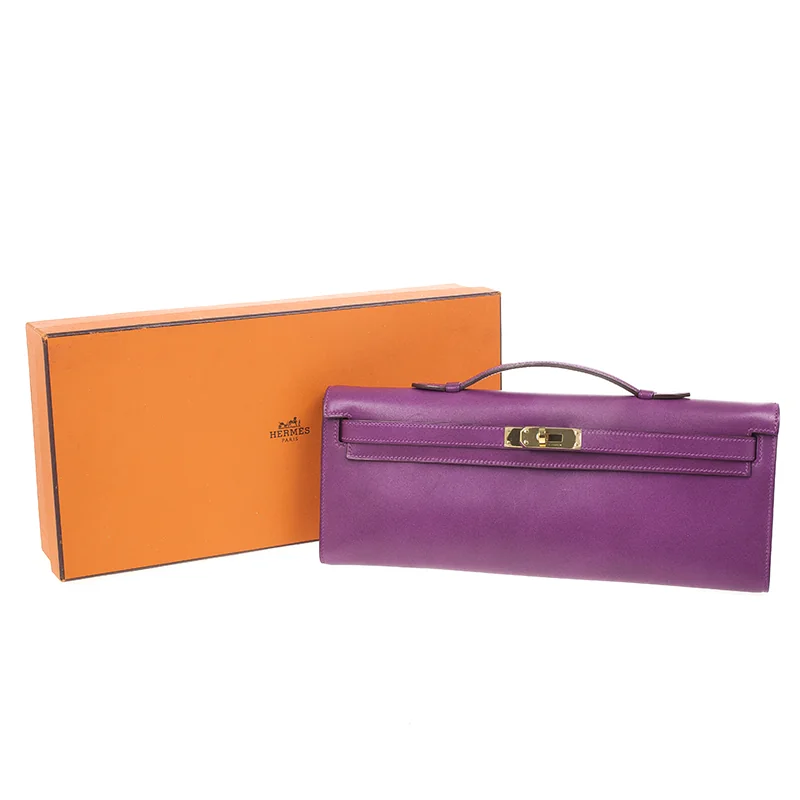
The Kelly Clutch, sometimes referred to as the Kelly Pochette depending on the era and size, is Hermès taking the architecture of its most iconic bag and compressing it into a handheld form. The silhouette is unmistakable: the same turn-lock closure, the same structured flap, the same proportions that made the full-size Kelly a design landmark, just without the handle and strap.
What makes it hold up under close inspection is the same thing that makes any Hermès bag worth the price: material and construction quality that doesn’t cut corners just because the piece is smaller. Expect the same leather options that show up across the Kelly and Birkin lines, from Togo and Epsom to Box calf and exotic skins like alligator or lizard on higher-tier pieces. Hardware is solid, not plated in the way that wears through on cheaper brands, and comes in palladium or gold-tone finishes that are meant to outlast trends.
The saddle stitching is done by hand, which is part of why Hermès leather goods carry a waitlist culture even at this smaller scale. That craftsmanship is also why the Kelly Clutch holds value the way it does. It’s not riding on logo recognition the way some other status bags do. It’s riding on the fact that Hermès leather goods, across sizes, tend to appreciate or at minimum hold their retail price on the resale market, and a clutch is not exempt from that pattern just because it’s compact.
Hermès Kelly Clutch vs. Chanel Boy Flap Clutch #
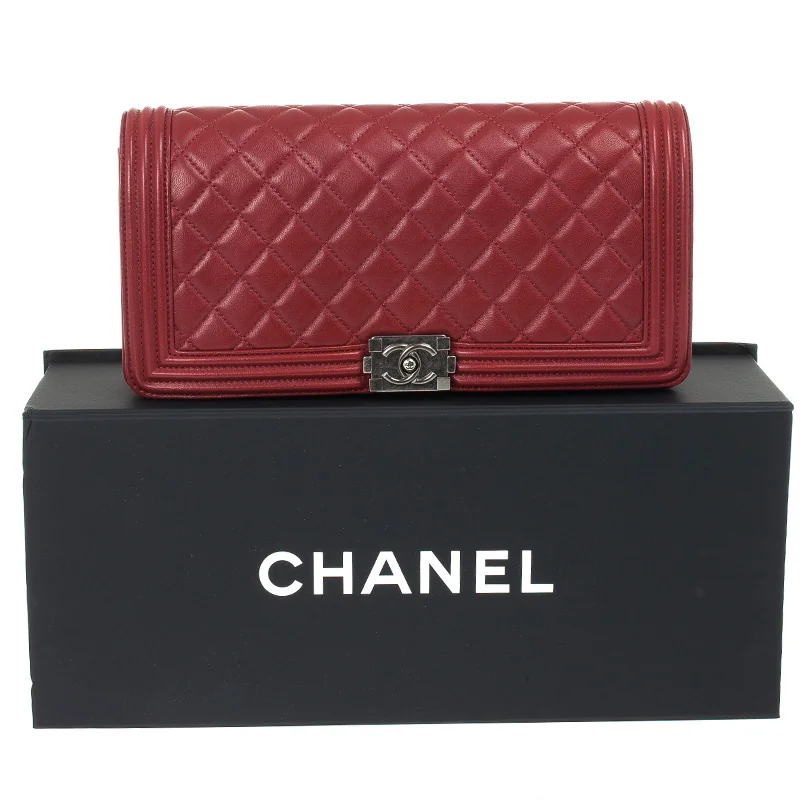
If the Kelly Clutch is the disciplined, understated choice, the Chanel Boy Flap Clutch is its more overtly edgy counterpart, and putting them side by side clarifies who each one actually suits.
Design language. The Kelly Clutch is quiet luxury: clean lines, minimal branding, a turn-lock that reads as functional rather than decorative. The Boy Flap Clutch carries Chanel’s signature quilting and the boy lock front closure, with more visual texture and an interlocking CC that’s meant to be seen. If you want a bag that whispers, go Hermès. If you want one that has a bit of attitude, Chanel makes the stronger case.
Materials and hardware. Hermès leans on structured calfskins (Togo, Epsom, Box) that hold their shape with minimal creasing over time. Chanel’s Boy line typically uses caviar or lambskin with diamond quilting; caviar is the more durable, scratch-resistant option and the one worth prioritizing if you’re buying to actually use rather than display. Hardware on both houses is solid metal, but Chanel’s aged or ruthenium finishes on the Boy line show wear differently than Hermès’s palladium, so check current condition carefully on pre-owned pieces.
Price positioning. The Kelly Clutch generally sits at a premium versus the Boy Flap Clutch at comparable retail tiers, reflecting Hermès’s broader pricing structure and its tighter allocation model. The Chanel piece is the more attainable of the two for buyers stepping into designer clutches for the first time, without sacrificing meaningfully on craftsmanship.
Versatility. The Kelly Clutch’s understated design makes it easier to wear across more contexts — work, travel, casual weekend outings — without looking like you’re dressed for a party. The Boy Flap Clutch, with its quilting and hardware, leans more naturally toward evening or statement-making daytime looks. Neither is wrong; they’re simply calibrated for different wardrobes.
If your goal is one clutch that does everything from the office to dinner without ever looking out of place, the Kelly Clutch is the safer long-term buy. If you want a piece with more personality that still retains value well, the Boy Flap Clutch earns its place.
How to Authenticate Your Designer Clutch Before You Buy #
Counterfeits follow the money, and both Hermès and Chanel clutches are targeted heavily because their compact size makes them easier to fake convincingly at a glance. A close inspection catches what a glance misses.
Hardware stamping. On genuine Hermès pieces, the turn-lock and other hardware should be crisply stamped, evenly weighted, and free of the slightly fuzzy or shallow engraving common on fakes. Chanel’s CC turn-lock on the Boy line should have clean, symmetrical lettering — blurred or uneven CCs are a consistent red flag.
Stitching. Hermès saddle stitching is hand-done, which means slight, natural irregularity is actually expected, but the thread tension should be even and the stitch holes uniformly spaced. Machine-perfect, robotic-looking stitching on a bag sold as Hermès is a warning sign, not a reassurance. Chanel’s stitching on the Boy line should be tight and even along the quilting, with no loose threads or puckering.
Leather grain. Togo and Epsom leather have distinct, consistent grain patterns that are difficult to replicate convincingly; a grain that looks too uniform (printed) or inconsistent in an unnatural way is suspect. On Chanel caviar leather, the pebbled texture should feel structured, not soft or rubbery.
Serial and date stamps. Hermès bags carry a blind stamp indicating the year of manufacture and craftsman, located inside the bag; the format and placement have changed over the decades, so cross-check against known references for the era. Chanel pieces from most production years carry a serial number sticker with a matching authenticity card, though Chanel phased out physical authenticity cards in favor of a different tracking system for newer production, so match the verification method to the bag’s likely production date.
When in doubt, use a third-party authentication service. Reputable pre-owned platforms and independent authenticators exist specifically because visual checks have limits, especially on high-value items where a mistake is expensive. If you’re buying privately or from a marketplace without built-in authentication, factor that service into your budget.
Price and Long-Term Value: Is a Designer Clutch Worth It? #
Designer clutch pricing splits fairly cleanly into tiers. Entry-level designer clutches from brands like Chanel, in lambskin with simpler hardware, sit at the more accessible end. Caviar leather and more structured designs, including the Boy Flap Clutch, push toward the middle tier. Hermès clutches, and particularly the Kelly Clutch in exotic skins, occupy the top tier, often priced closer to a mid-range handbag from another house than to a typical clutch.
What makes the math work in the clutch’s favor is comparative accessibility. A Kelly Clutch in Togo leather will generally cost meaningfully less than a full-size Kelly bag in the same leather, while sharing the same design DNA, hardware, and craftsmanship. For a buyer who wants a genuine entry point into the Kelly line without the multi-year waitlist and higher price tag of the full bag, the clutch is the more realistic first Hermès purchase.
On resale, Hermès leather goods as a category have a strong track record of retaining or exceeding retail price, particularly in classic leathers and neutral colorways; exotic skins can command a premium well above original retail depending on condition and rarity. Chanel’s resale performance is generally solid but less consistently appreciating than Hermès, with classic quilted styles holding value better than seasonal or limited designs. A Boy Flap Clutch in black caviar with gold hardware is a safer resale bet than a bright seasonal colorway.
The honest caveat: value retention assumes good condition, authenticated provenance, and buying at or reasonably near retail in the first place. Paying a heavy resale markup on a hard-to-find piece changes the investment math considerably, and neither house guarantees appreciation. Treat “investment piece” as a possibility, not a promise.
Living With No Strap: Practical Pros and Cons #
This is the part most buying guides skip, and it’s the part that actually determines whether you’ll use the clutch or let it sit in its box.
The pros. No strap means no weight transferred to your shoulder or neck, which matters more than people expect after a full day of carrying. It also forces a genuinely lighter load — you physically cannot overpack a clutch, which for some people is a feature, not a limitation. And carried by hand or tucked under the arm, a structured clutch like the Kelly reads as more deliberate and put-together than a shoulder bag, simply because it commands attention in how it’s held.
The cons, without sugar-coating. You need at least one free hand at all times, which is genuinely inconvenient for tasks like carrying coffee, managing kids, or navigating a crowded train platform. Setting it down at a restaurant table or in a shopping cart carries more risk of leaving it behind than a bag that stays on your body. And if you’re used to grabbing your phone mid-stride from a crossbody, a clutch requires you to stop, open it, and dig, which is a small but real friction point during a busy day.
The practical fix many owners land on: use the clutch for shorter outings, meetings, dinners, or as the inner pouch inside a tote, and save the crossbody or shoulder bag for days that involve juggling kids, luggage, or a lot of hands-on activity. It’s not an either-or wardrobe decision. It’s about matching the bag to the day.
FAQ #
Is the Hermès Kelly Clutch a good first Hermès purchase? Yes, for buyers who want the Kelly design language without the price or waitlist of the full-size bag. It shares the same materials and craftsmanship at a more accessible entry point, though “accessible” is relative to Hermès pricing overall.
Can a clutch really work as a daytime bag? It works well for errands, work meetings, dinners, and travel days where you’re not carrying much beyond a phone, cards, and essentials. It’s a poor fit for days involving kids, groceries, or extensive hands-on activity.
Where should I buy a pre-owned Hermès or Chanel clutch? Stick to platforms with in-house authentication teams and clear return policies, or established consignment boutiques with a verifiable track record. Avoid unauthenticated marketplace listings unless you’re paying for independent third-party authentication before completing the purchase.
How do I know if a Kelly Clutch is real before buying online? Ask the seller for close-up photos of the blind stamp, turn-lock engraving, and interior stitching before purchase, and cross-reference against known authentic examples from the same production era. If the seller won’t provide detailed photos, that’s a signal to walk away.
Does a Chanel Boy Flap Clutch hold value as well as Hermès? Generally no, not to the same degree. Chanel classics in caviar leather and neutral colors hold value well, but Hermès leather goods as a category have a stronger and more consistent resale track record.
What should I actually carry in a designer clutch day-to-day? Phone, a slim cardholder or a few essential cards, lipstick or a compact, folded cash, and keys if they’re small enough. Anything bulkier defeats the purpose of a clutch and is better left in a bag you’re not carrying that day.
Related Articles #
- 5 Most Popular Chanel Bags You Need to Know
- Hermès Leathers Guide: Togo, Epsom, Exotic Skins Explained
- Replica vs Pre-Owned Bags: Which Is the Smarter Buy?
- Hermès Retail vs. Resale: Which Should You Choose?
- Chanel Handbag Prices: Iconic Styles & What They Cost
Related guides
- Online Bag Authentication: What Photos Can and Cannot Prove
- Inside a Million-Dollar Closet: Pre-Loved Hermès & More
- Meet Marwa Azzam Aldabbagh: Kelly Bag Authentication Expert
- Luxury Handbag Authentication Process Explained
- How to Buy an Authentic Luxury Bag from China Safely
- New vs Pre-Owned Luxury Bags: Which Route Is Right for You?
- Chanel Bag Guide: What to Know Before You Buy
- Luxury Bag Houses


Keyword index