Introduction #
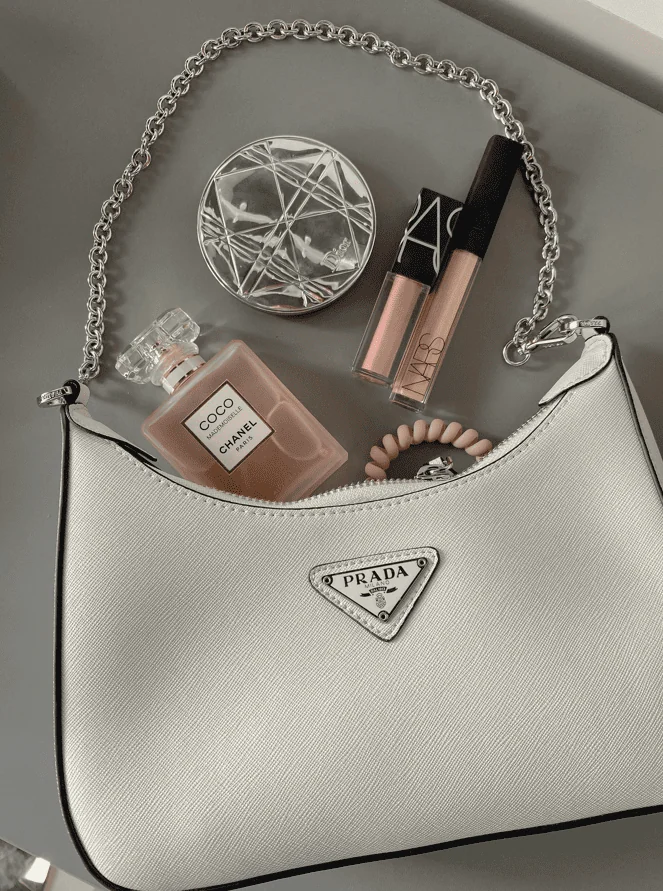
A handbag isn’t usually filed next to stocks and real estate in a financial plan, but for a specific slice of the luxury market, that’s exactly how it behaves. Over the past two decades, a small group of bags has done something most consumer goods never do: hold their price after purchase, and in some cases, sell for more years later than they cost new.
That’s not true of most handbags. A mall-brand tote loses the majority of its value the moment it leaves the store, the same way a new car does. What separates the exceptions is a mix of controlled supply, brand equity built over generations, and materials that age rather than degrade. Hermès didn’t set out to create an “investment bag” — the Birkin and Kelly became one because the house has never chased volume the way most fashion houses do.
This guide breaks down which bags are actually worth buying with resale in mind, what specifically drives that value (so you’re not just trusting hype), how to make sure the bag you buy is real, and where the risks are that most “handbags as investments” articles conveniently skip. If you’re buying to wear and maybe recoup your money later, the difference between the right and wrong bag is significant.
Top [Investment Handbags](/buying-guides/best-designer-everyday-bags-worth-investing-in/) with High Resale Value #
Hermès Birkin #
The Birkin is the benchmark every other investment bag gets measured against, and the numbers back that up. Independent resale analyses have tracked average annual returns in the low double digits over multi-decade periods — outperforming both the S&P 500 and gold over the same stretch, according to Baghunter’s long-running study. Retail prices start around $10,000–$12,000 for standard leathers and climb well past $20,000 for exotics, and a well-kept Birkin in a desirable leather and hardware combination routinely resells for 90–130% of that retail price. Limited editions and exotic skins (crocodile, ostrich) can exceed retail by a wide margin at auction.
What keeps this going is scarcity by design — Hermès doesn’t take walk-in orders for a Birkin, and the informal “waitlist” system means demand is permanently ahead of supply.
Hermès Kelly #
The Kelly gets less press than the Birkin but is arguably the smarter buy for a first investment piece. It’s rarer in circulation, carries the same production scarcity, and tends to resell at 85–120% of retail depending on size, leather, and hardware. Collectors often prefer it for its structured, less “logo-obvious” silhouette — a quality that’s helped it age better stylistically than some more recognizable Hermès pieces.
[[Chanel Classic Flap](/buying-guides/chanel-flap-bag-buying-guide/)](/buying-guides/classic-and-chic-handbags-style-icons/) #
Chanel’s Classic Flap has raised its retail price nearly every year for over a decade, and the resale market has largely kept pace — though not perfectly. A medium Classic Flap now retails above $10,000, up from roughly $5,000 a decade ago. Resale typically lands between 65–90% of current retail, with rare hardware (gold, exotic leathers) or discontinued colorways occasionally selling above retail. The gap between “any Classic Flap” and “the right Classic Flap” is wide here — this is a bag where color, leather, and hardware condition make or break resale.
Chanel Boy Bag #
The Boy Bag rides on the same brand equity as the Flap but doesn’t command the same resale premium. Retail sits around $6,500–$7,000, with resale typically in the 55–70% range. It’s a good bag to wear, not a strong candidate to build a resale strategy around.
Goyard St. Louis Tote #
Goyard’s near-total absence of marketing and limited retail footprint has created an odd dynamic: demand outpacing a brand most casual shoppers can’t even properly pronounce. The St. Louis Tote retails modestly (around $1,500–$1,900) and regularly resells at or above retail, sometimes reaching 120–130%, particularly in personalized or discontinued colors.
Dior Lady Dior #
Heritage carries this bag — the Princess Diana connection still moves resale demand — but the numbers are more modest than Hermès or Chanel. Retail runs $5,500–$6,500, with resale typically 45–65% depending on hardware and size. It’s a strong style investment, a weaker financial one.
Louis Vuitton (Speedy, Neverfull) #
LV’s monogram bags are the most liquid resale items in luxury — they sell fast — but liquidity isn’t the same as appreciation. Retail for a Speedy 25 or Neverfull sits around $1,700–$2,300, and resale typically lands at 40–55% of that. Frequent price increases on new stock have kept resale prices from collapsing, but don’t expect these to outperform retail.
Celine (Luggage, Triomphe) #
Celine had a real resale moment during the Phoebe Philo years, and the Triomphe canvas bags rode strong demand through the early 2020s. That’s cooled. Retail runs $3,000–$4,000, with resale now more commonly in the 35–50% range as market saturation and shifting design direction under Michael Rider reset expectations.
Saint Laurent (Sac de Jour, Loulou) #
Reliable but unremarkable as an investment. Retail is $2,500–$3,300, resale typically 35–45%. These hold value better than fast-fashion “it” bags but shouldn’t be bought expecting appreciation.
Bottega Veneta (Jodie, Pouch) #
Bottega’s intrecciato leatherwork gives it a durability edge, and renewed design buzz has pushed resale up slightly in the last two years. Retail sits at $3,000–$3,800, resale commonly 45–60%, trending upward as demand for “quiet luxury” pieces without visible logos has grown.
Comparison at a Glance #
| Bag | Approx. Retail | Resale (% of Retail) | Typical Annual Appreciation |
|---|---|---|---|
| Hermès Birkin | $10,000–$20,000+ | 90–130% | 8–14% |
| Hermès Kelly | $8,500–$16,000 | 85–120% | 6–10% |
| Chanel Classic Flap | $10,200+ | 65–90% | 6–10%* |
| Chanel Boy Bag | $6,700 | 55–70% | Flat to slight decline |
| Goyard St. Louis Tote | $1,500–$1,900 | 100–130% | Stable |
| Dior Lady Dior | $5,500–$6,500 | 45–65% | Flat |
| Louis Vuitton Speedy/Neverfull | $1,700–$2,300 | 40–55% | Flat |
| Celine Luggage/Triomphe | $3,000–$4,000 | 35–50% | Declining |
| YSL Sac de Jour/Loulou | $2,500–$3,300 | 35–45% | Flat |
| Bottega Veneta Jodie/Pouch | $3,000–$3,800 | 45–60% | Slight increase |
*Chanel’s appreciation has slowed since 2023 after several years of aggressive price hikes narrowed the gap between retail and resale.
2024–2025 Market Shifts Worth Knowing #
The post-pandemic luxury boom that pushed resale prices to record highs has cooled off. Chanel’s repeated price increases eventually outpaced what the secondary market was willing to pay, narrowing resale margins on the Flap for the first time in years. Hermès, by contrast, has stayed disciplined on production and kept demand ahead of supply — Birkin and Kelly resale values have held up better than almost anything else in the category through 2024. Meanwhile, brands like Celine and Dior that saw resale spikes in 2021–2022 have given some of that back as trend cycles moved on. The takeaway: brand scarcity discipline matters more right now than logo recognition.
What Makes a Handbag a Good Investment #
Four factors do almost all the work here, and none of them are marketing.
Scarcity. Hermès caps production and doesn’t sell Birkins or Kellys on demand — you build a purchase history with the brand before you’re offered one. That artificial ceiling on supply is the single biggest driver of resale value in the category. Goyard’s limited retail footprint works the same way on a smaller scale.
Brand reputation and consistency. A brand that raises prices predictably and rarely discounts trains the resale market to expect the same trajectory. Chanel’s steady price increases are one reason its resale floor stayed high for so long — buyers assumed today’s price would look cheap in two years. When that assumption breaks (as it partly has with the Flap), resale growth slows with it.
Material and hardware quality. Full-grain leathers like Hermès Togo or Chanel’s lambskin and caviar age differently than bonded or coated leathers. Gold-plated hardware that doesn’t tarnish easily holds resale value; hardware that flakes or discolors kills it. This is also where fakes usually fall apart first — cheap hardware and stiff, uniform leather.
Waitlists and access friction. Anything you can walk in and buy on demand rarely appreciates, because supply adjusts to meet demand. Anything gated behind a waitlist, a purchase history, or limited production stays scarce by design.
Condition. This one is boring but decisive. A Birkin with scratched hardware, a cracked base, or a stretched handle can lose 20–30% of its resale value compared to the same bag in excellent condition. Investment-grade bags are not casual, everyday-abuse bags.
Authentication and Care: Protecting Your Investment #
None of the appreciation numbers above matter if the bag isn’t real. Counterfeits have gotten sophisticated enough that visual inspection alone often isn’t reliable, and a fake — even an excellent one — has zero resale value once identified. This is the single biggest risk in buying pre-owned, and it’s worth treating seriously rather than as a footnote.
Common counterfeit tells worth knowing:
- Stitching that’s too uniform or machine-perfect on bags that should show hand-stitched irregularity (Hermès in particular)
- Date/blind stamps that don’t match known formats for the brand and era
- Hardware that feels light, has visible plating wear within a short time, or has incorrect engravings
- Leather grain that’s too consistent — genuine exotic and premium leathers have natural variation
- Serial numbers or microchips (Louis Vuitton, newer Chanel) that don’t match the brand’s format or can’t be verified
Care decisions made after purchase affect resale value just as much as authenticity:
- Storage: Keep bags stuffed with their original dust bag insert or acid-free tissue to hold shape, away from direct sunlight and humidity, which cause leather to dry, crack, or develop mold on interior linings.
- Dust bags and boxes: Buyers pay a premium for a full box set — dust bag, authenticity cards, original receipt. Losing these can cost you 10–15% at resale even if the bag itself is pristine.
- Cleaning: Use leather-appropriate cleaners only, and avoid baby wipes or household cleaners that strip finish — a common mistake that dulls Hermès leathers permanently.
- Hardware: Avoid contact with perfume, hairspray, and hand sanitizer, all of which accelerate tarnishing on gold and palladium plating.
- Handling: Rotate bags rather than using one daily. Handle straps and edges are where wear shows first and depreciates fastest.
Where to Buy and Resell Authenticated Luxury Handbags #
Buying new from the brand guarantees authenticity but means waitlists (Hermès), full retail pricing with no negotiation, and limited color/leather choice. Buying pre-owned opens up rarer colors and discontinued styles, often below retail, but shifts the authentication burden onto you or your seller.
For pre-owned purchases, a few categories are worth knowing:
- Authenticated resale platforms (including The Luxury Closet) that inspect and verify items before listing, typically with in-house or third-party authentication and return policies if something’s wrong. This is generally the lowest-friction option for buyers who don’t want to authenticate a bag themselves.
- Consignment boutiques with a physical location, which let you inspect the bag in person before buying — useful if you’re still building your own authentication knowledge.
- Auction houses (Christie’s, Sotheby’s, Heritage) for rare, high-value, or exotic pieces, where provenance is typically documented but buyer’s premiums add 15–25% to the hammer price.
- Peer-to-peer marketplaces, which offer the best prices but carry the highest counterfeit risk and usually no recourse if something goes wrong.
When reselling, the same hierarchy applies in reverse: authenticated consignment platforms typically pay less than a private sale but sell faster and remove counterfeit liability from your side of the transaction. If maximizing price matters more than speed, private sale or auction (for rare pieces) tends to net more, at the cost of a longer sales cycle and more due diligence on your part.
Is a Handbag Really a Good Investment? Weighing the Risks #
Most of what gets written about handbags as investments skips the downside, so it’s worth being direct about it.
Liquidity risk. Unlike a stock, you can’t sell a Birkin in seconds. Even a desirable bag can take weeks to find the right buyer at the price you want, and less desirable bags can sit for months. If you need cash quickly, you’ll likely accept a lower offer than the bag’s “market value.”
Counterfeit risk. Every dollar of appreciation disappears if the bag turns out to be fake, and the pre-owned market is where this risk concentrates. Buying from an unverified private seller to save a few hundred dollars can cost you the entire value of the bag.
Condition and storage costs. Bags degrade if mishandled, and proper storage, occasional professional cleaning, and insurance (for higher-value pieces) are real, ongoing costs that eat into theoretical returns.
Trend and demand risk. Resale value depends on continued desirability, and desirability shifts. Celine and Dior both saw resale cool after 2022 as trends moved elsewhere, even though nothing about the bags themselves changed. A style that’s hot now isn’t guaranteed to hold that position in five years.
Brand-level risk. Even Hermès isn’t risk-free. If the brand’s own pricing or production strategy shifts, or a broader luxury downturn hits (as has happened in China-driven demand since 2023), even the strongest resale categories can soften.
The honest takeaway: a handful of bags — Birkin, Kelly, and select Chanel Flaps chief among them — have a real, data-backed track record of holding or growing value. Most designer handbags, including plenty of expensive ones, do not. Treating any bag as a guaranteed investment is a mistake; treating a small, well-chosen set as a reasonable store of value alongside other assets is defensible.
How to Authenticate and Inspect a Bag Before Buying #
Before handing over money for a pre-owned bag, work through this in order:
- Check the stamp/serial number format against known references for the brand and production era. Hermès blind stamps, Chanel authenticity cards and hologram stickers (pre-2021) or serial engravings (post-2021), and LV date codes each have specific formats that counterfeiters frequently get wrong.
- Inspect the stitching. Genuine Hermès stitching (saddle stitch) is done by hand and shows slight irregularity; Chanel stitching should be even but not machine-perfect in a way that looks plastic.
- Examine the hardware. Weight, engraving depth, and plating should feel substantial. Light, hollow-feeling hardware or shallow, inconsistent engravings are red flags.
- Check the leather grain and smell. Genuine leather has natural variation and a distinct smell; synthetic substitutes often smell chemical or feel uniformly textured.
- Verify interior details. Lining material, pocket construction, and even the placement of interior stamps should match brand specifications exactly — this is a common area counterfeiters cut corners on.
- Request full provenance. Original receipt, box, dust bag, and authenticity card add credibility and resale value, though their absence doesn’t automatically mean a bag is fake.
- Use third-party authentication for high-value purchases. Services like Entrupy (microscopic material analysis) or a platform’s in-house authentication team are worth the fee on anything over a few thousand dollars — it’s cheap insurance against a total loss.
- Buy from sellers with return policies. If authentication is disputed after purchase, a return window protects you far more than any visual inspection you can do yourself.
FAQ #
Is a Hermès Birkin still a good investment in 2025? Yes, based on current resale data — Birkins have held or grown value even as broader luxury resale cooled. The caveat is leather, color, and hardware still matter enormously; a common leather in a common color performs very differently than a rare exotic.
Which handbag colors hold value best? Neutral, versatile colors (black, gold/tan, etoupe for Hermès) tend to have the broadest buyer pool and most consistent resale. Bold or seasonal colors can occasionally command premiums if they’re discontinued and in demand, but they’re riskier bets and slower to sell.
Is the Kelly a better investment than the Birkin? The Birkin generally has a stronger resale track record and broader recognition, but the Kelly is rarer in circulation and can outperform on specific rare configurations. Neither is a “wrong” choice; the Kelly is arguably the better buy if you’re planning to actually carry it, since it’s slightly more practical day to day.
Do Louis Vuitton, Celine, or YSL bags ever appreciate? Rarely, and not reliably. These brands sell in far higher volumes than Hermès or Chanel, which caps resale potential. They can hold 40–55% of retail reasonably well, which makes them fine wear-and-resell purchases, but they shouldn’t be bought expecting growth.
When’s the best time to buy an investment handbag? Right after a brand’s price increase is typically the worst time (you’re paying the new high), while shortly before an anticipated increase — often signaled by industry reporting — can be advantageous if you can move quickly. For Hermès specifically, buying through an established purchase history rather than paying a resale markup is almost always the better financial move, if you have the patience for it.
How often should a bag be reauthenticated if I’m not selling it? You don’t need to reauthenticate a bag you already know is genuine. The point where authentication matters is at purchase and at resale — get it verified once at acquisition (receipt, professional authentication, or a platform that guarantees it) and again if you’re selling to a buyer who requests it.
Does condition really affect resale value that much? Yes, meaningfully. A bag in excellent condition with its original packaging can resell for 20–30% more than an identical bag showing heavy wear or missing accessories. Storage and handling habits translate directly into resale dollars.
Related Articles #
- How Pre-Owned Luxury Fashion Is Reshaping the Industry
- Best Time to Buy a Luxury Handbag: Save More in 2025
- Replica vs Pre-Owned Bags: Which Is the Smarter Buy?
- Chanel Handbag Prices: Iconic Styles & What They Cost
- Why the Chanel Crossbody Bag Never Goes Out of Style
Related guides
- Online Bag Authentication: What Photos Can and Cannot Prove
- Private Bag Edit: Hermès Kelly Authentication Blog
- Hermès Date Codes & Stamps Explained: Full Guide
- Hermès Crocodile vs Alligator Bags: Buyer's Guide
- How to Buy an Authentic Luxury Bag from China Safely
- New vs Pre-Owned Luxury Bags: Which Route Is Right for You?
- Chanel Bag Guide: What to Know Before You Buy
- Luxury Bag Houses


Keyword index