Introduction#
There’s a particular kind of confidence that comes from carrying a bag that’s earned its reputation over decades, not just a season. I’ve handled hundreds of designer bags over the years, from brand-new boutique pieces to well-loved vintage finds, and the ones that keep coming back into style conversations are rarely the newest. They’re the bags that have already proven themselves.
This list isn’t about chasing trends. It’s about identifying the designer must have bags that genuinely earn their place in a serious wardrobe: pieces with the design integrity, craftsmanship and brand equity to justify their price tag today and, ideally, hold some of that value tomorrow. Some of these are heritage pieces that haven’t changed meaningfully in decades. Others bring a more contemporary edge but still have staying power. All of them are bags I’d tell a friend to actually go look at in person before buying, because photos rarely tell the whole story on leather quality, proportions or how a bag sits on the body.
Below, I’ve grouped ten of the most iconic designer handbags by category, with honest notes on where each one shines and where it doesn’t.
Timeless Icons: Chanel and Dior Classics#
If you’re building a closet of luxury handbags to own for the long term, these two are the non-negotiables. They’ve survived shifting trends, creative director changes, and decades of counterfeiting attempts, and they still look like themselves.
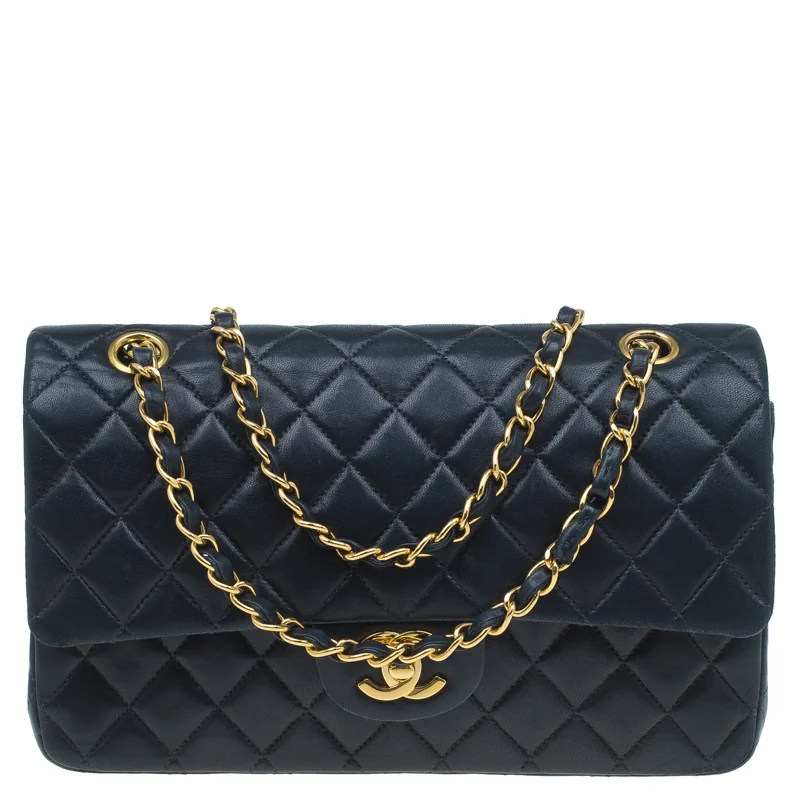
The Classic Flap is arguably the most recognizable handbag silhouette in the world, and it’s earned that status through consistency rather than reinvention. The quilted diamond stitching, the interlocking CC turn-lock, the chain-and-leather shoulder strap; these details have barely shifted since Coco Chanel introduced the design in 1955.
Caviar leather is the most practical choice: it’s textured, scratch-resistant and genuinely holds up to daily use, which matters if you’re not the type to baby a bag. Lambskin is softer and more luxurious to the touch, but it shows scuffs and watermarks far more easily, so I’d only recommend it if you’re prepared to be careful with it. Sizes run from mini to jumbo, and the medium (also called “small” in some markets) is the most versatile for everyday wear without looking oversized.
One honest caveat: Chanel has raised prices aggressively and repeatedly over the past several years, well ahead of inflation, which has made the entry point for a new Classic Flap uncomfortable for a lot of otherwise loyal buyers. It’s part of why the pre-owned market for this bag is so active.
2. Lady Dior
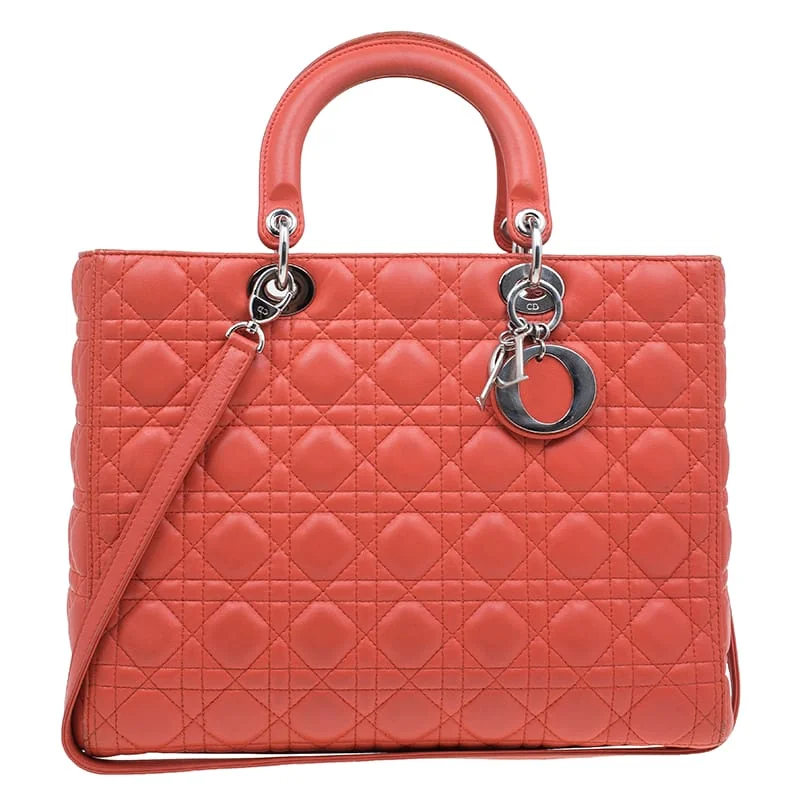
The Lady Dior has a genuinely interesting origin story that a lot of buyers don’t know: it launched in 1994 under the name “Chouchou,” and was renamed two years later after Princess Diana received one as a gift and was photographed with it repeatedly. That royal association is still baked into the bag’s identity.
The cannage stitching, inspired by the woven chairs at Dior’s fashion shows, is the signature design element, paired with the dangling Dior letter charm. It comes in lambskin and patent leather, in micro through large sizes, and it converts easily from a top-handle bag to a crossbody, which makes it more versatile day-to-day than the Classic Flap. The lambskin version is beautiful but soft in structure, so if you want a bag that holds its shape, look for the cannage in a firmer patent or the newer “My Lady Dior” styles with a more structured base.
Statement Pieces: Louis Vuitton and Hermès Favorites#
This is where heritage meets status. These bags telegraph something specific about the wearer’s relationship with the brand, and both houses have built entire ecosystems of craftsmanship, exclusivity and (in Hermès’ case) deliberate scarcity around them.
The Neverfull is the most practical bag on this list, full stop. It’s an open tote with a genuinely roomy interior, sturdy handles, and a shape that’s forgiving of overpacking, which is exactly why it’s remained a bestseller since its 2007 debut. The Monogram canvas is the classic choice and the most durable against wear, while Damier Ebene and Damier Azur offer a different aesthetic, and Epi leather versions lean dressier. It comes in PM, MM and GM sizes, and honestly, the MM is the sweet spot for most people; the GM can look genuinely large on smaller frames.
The trade-off: because it’s produced at scale and isn’t subject to the same waitlist culture as Hermès bags, it doesn’t carry the same resale premium. It’s a workhorse, not a trophy.
4. Hermès Birkin
No serious list of iconic designer handbags skips the Birkin, and for good reason. Named for Jane Birkin after a famous in-flight conversation with an Hermès executive in 1984, it remains the brand’s most requested style, built in leathers like Togo, Clemence and the more delicate Box calf, with hand-stitched saddle detailing that takes a single artisan roughly 18-24 hours to complete.
Here’s the part most articles gloss over: you generally cannot simply walk into an Hermès boutique and buy one. Availability is controlled, often tied to purchase history with the brand, and even then it’s inconsistent store to store. This deliberate scarcity is precisely why the Birkin has become the benchmark for handbag investment value.
5. Hermès Kelly
The Kelly predates the Birkin by decades, originally called the “Sac à dépêches” before being renamed after Grace Kelly used it to shield her pregnancy from paparazzi in 1956. It has a more structured, architectural silhouette than the Birkin, with a single top handle and an optional shoulder strap, and it reads slightly more formal. Same production scarcity, same waitlist reality, same investment logic.
Modern Luxury Picks: Valentino and Beyond#
This group brings more contemporary energy to the lineup: bags with strong seasonal or trend-driven appeal that still have real design merit, though I’ll be upfront that a few of these have less staying power than the heritage pieces above.
6. Valentino Rockstud Bag
The Rockstud line, built around the brand’s signature pyramid studs, has been one of the more successful “instant recognition” designs of the past decade. It works well as a slightly edgier alternative to the softer, more feminine bags on this list, and the stud hardware genuinely elevates a simple silhouette. My honest note: the studs can catch on fabric and other bags in storage, and heavily embellished pieces need more careful handling than a smooth leather bag.
7. Fendi 2Jours Tote
The 2Jours built its reputation on restraint, a rare thing for a status bag: minimal branding, a small metal bar logo, and clean structured lines. It’s genuinely well-made and functional, with a shape that expands slightly with use. That said, it’s worth knowing this style has largely stepped back from Fendi’s current core lineup in favor of pieces like the Peekaboo, so most 2Jours bags you’ll encounter now are on the secondary market rather than in boutiques.
8. Prada Saffiano Lux Tote
Saffiano leather is Prada’s real innovation here: a cross-hatch textured leather treatment that resists scratches and water far better than smooth calfskin, which made this tote a genuinely practical daily bag rather than just a status symbol. Available from mini to large. Like the Fendi above, this specific style has faded from Prada’s current collections as the brand has shifted focus, so treat it more as a well-built classic than a current flagship piece.
9. Balenciaga City Bag
Launched in 2001, the City bag helped define an entire early-2000s aesthetic: slouchy, unstructured, distressed leather with a rocker edge that felt like a deliberate rebellion against the structured bags dominating luxury at the time. The soft leather ages beautifully with wear but also means the bag has less built-in shape retention than something like a Lady Dior, so it’s not the pick if you want a bag that looks crisp for years.
10. Celine Luggage Tote
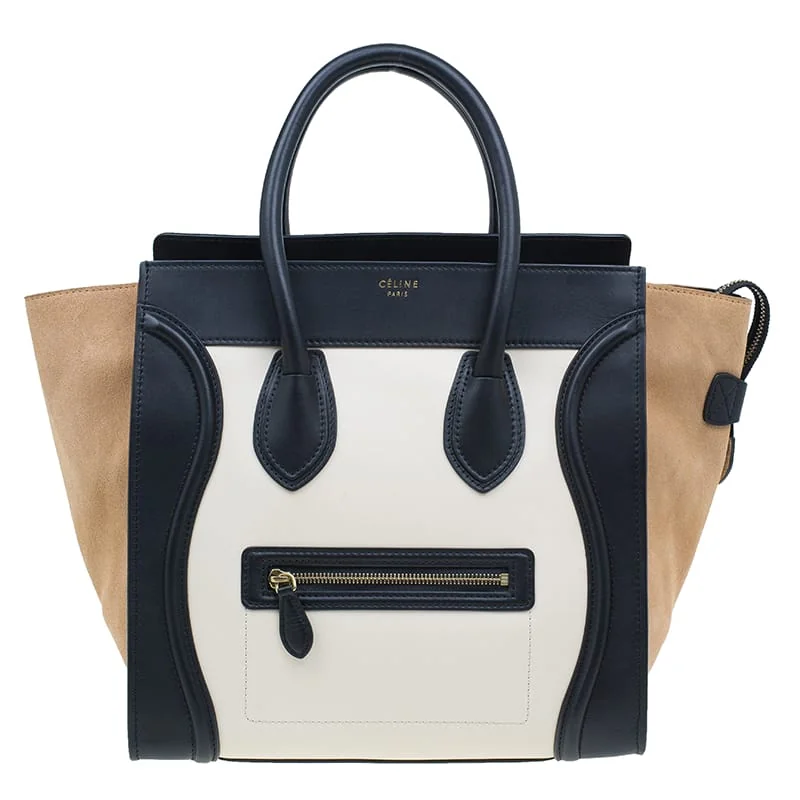
The Luggage Tote’s trapezoid silhouette and wing-shaped side panels were genuinely distinctive when introduced, and it’s still one of the more instantly identifiable tote shapes in modern luxury. Worth flagging: under Celine’s more recent creative direction, the brand has shifted its design language away from this era, so the Luggage Tote is increasingly a secondary-market bag rather than something you’ll find easily in current boutique stock.
How to Choose the Right Bag for Your Closet#
Before you commit to any bag on this list, it’s worth being honest with yourself about how you actually live, not how you imagine you’ll live with a new bag.
Size relative to your frame and habits. A jumbo Classic Flap or a GM Neverfull can look genuinely oversized on a petite frame, and a mini Lady Dior can look more like an accessory than a functional bag if you actually need to carry things. Try bags on with your typical daily items inside, not empty.
Leather type and how much maintenance you’re willing to do. Caviar leather (Chanel), Togo leather (Hermès), and Saffiano (Prada) are all textured and scratch-resistant, genuinely good choices if you’re not precious about your bags. Lambskin, Box calf and smooth calfskin look more luxurious but scratch, watermark and show wear far more easily. Be honest about which category you fall into.
Structured vs. slouchy. Structured bags (Kelly, Lady Dior, 2Jours) hold their shape and look polished even when half-empty, but they’re less forgiving if you tend to overpack. Slouchy bags (Neverfull, City bag) flex with how much you’re carrying but can look shapeless when underfilled.
Hardware and color as long-term decisions. Gold hardware tends to photograph warmer and pair more easily with a broad range of outfits; silver reads cooler and more modern. Neutral colors (black, tan, taupe) will always be easier to resell and wear longer than seasonal colors, even if the seasonal color is what caught your eye in the store.
Actual versatility in your existing wardrobe. A bag that looks stunning on a hanger but only works with three outfits in your closet isn’t actually a “must have,” it’s a splurge. The most cost-effective bags on this list, cost-per-wear-wise, are the ones that go with everything you already own.
Investment Value: Which Bags Hold Their Worth#
This is where I’ll be blunt, because a lot of luxury content dances around it: not every bag on this list is an investment, and treating all designer handbags as appreciating assets is a mistake.
Hermès Birkin and Kelly are the closest things to genuine investment pieces in handbags. Because Hermès deliberately limits production and controls distribution, demand consistently outpaces supply, and certain leathers, colors and hardware combinations (particularly rare exotic skins) have sold on the resale market for more than their original retail price. That said, this only holds true for the right condition, popular colorways and sought-after sizes; a heavily worn Birkin in an unpopular color will still lose value.
Chanel Classic Flap sits in a strong second position. Chanel’s repeated, well-publicized price increases have actually pushed up resale values for bags purchased years ago, since buying pre-owned is sometimes cheaper than buying new even after markup. It’s not scarcity-driven the way Hermès is, but the brand’s pricing strategy has effectively created its own upward resale pressure.
Lady Dior holds value respectably but doesn’t command the same premiums, since Dior hasn’t restricted supply the way Hermès has and doesn’t raise prices as aggressively as Chanel.
Louis Vuitton Neverfull is a genuinely useful bag but a weak investment. It’s produced at high volume, which keeps resale prices reasonable for buyers but means it depreciates like most everyday luxury goods rather than appreciating.
Valentino, Fendi, Prada, Balenciaga and Celine pieces on this list are best bought because you love them and will use them, not for resale math. They depreciate at rates closer to general luxury goods, and a few of the specific styles here (the Fendi 2Jours, Prada Saffiano Lux, Celine Luggage Tote) have been phased out of current collections, which can go either way on resale, sometimes discontinued styles become collectible, sometimes they just become harder to sell because buyers assume “discontinued” means “outdated.”
The honest takeaway: if resale value is genuinely a priority, weight your budget toward the Hermès and Chanel pieces. If you’re buying for personal enjoyment and daily use, the rest of this list holds up fine on cost-per-wear even if it won’t earn you money back.
FAQ#
How can I tell if a designer bag is authentic before buying pre-owned? Check stitching consistency, hardware weight and engraving quality, date codes or serial numbers (Chanel, Louis Vuitton and Hermès all use different systems), and the smell and texture of the leather. For anything above a few thousand dollars, it’s worth using a third-party authentication service or buying exclusively from reputable resale platforms that offer their own authentication guarantee, rather than relying on marketplace listings alone.
What’s a realistic price range for these bags? New retail prices roughly break down as: Louis Vuitton Neverfull from around $1,700-2,100, Valentino Rockstud bags around $2,300-2,900, Balenciaga City around $2,700-3,000, Lady Dior (medium) around $5,500-6,000, Chanel Classic Flap (medium) upward of $10,000 at current pricing, and Hermès Birkin and Kelly typically starting above $10,000 at retail (when available) and considerably more on the resale market for popular configurations. Discontinued styles like the Fendi 2Jours, Prada Saffiano Lux Tote and Celine Luggage Tote are generally found pre-owned, with pricing varying widely by condition and rarity.
Where should I buy pre-owned designer handbags safely? Stick to established luxury resale platforms and consignment houses with in-house authentication teams, transparent return policies, and detailed condition photography. Avoid unauthenticated peer-to-peer marketplaces for anything high-value unless you’re independently verifying authenticity yourself. Ask specifically what authentication process was used and whether it’s guaranteed in writing.
Is it better to buy new or pre-owned for investment purposes? For Hermès specifically, buying pre-owned is often the only realistic option given retail waitlists, and it can still be a sound investment if the bag is in excellent condition and a desirable colorway. For Chanel, pre-owned bags bought before a price increase have historically outperformed buying new at current prices. For most other brands on this list, new versus pre-owned matters less for investment purposes since neither route reliably appreciates.
Related Articles#
- Classic and Chic Handbags: Timeless Style Icons
- 10 Best Designer Handbags Worth the Investment (2026)
- Chanel Flap Bag Buying Guide: Sizes, Prices & Deals
- How Pre-Owned Luxury Fashion Is Reshaping the Industry
- Louis Vuitton Alma Bag: The Ultimate Buying Guide
Related guides
- Online Bag Authentication: What Photos Can and Cannot Prove
- Fake Goyard Bag Guide: How to Spot Real vs Fake (2026)
- How to Spot a Fake Chanel Flap Bag: Authentication Guide
- How to Spot a Fake Hermès Birkin: Expert Checklist
- How to Buy an Authentic Luxury Bag from China Safely
- New vs Pre-Owned Luxury Bags: Which Route Is Right for You?
- Chanel Bag Guide: What to Know Before You Buy
- Luxury Bag Houses


Keyword index