Introduction: The Givenchy Nightingale’s Lasting Appeal #
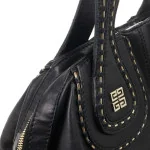
Riccardo Tisci introduced the Nightingale in 2006, during his early seasons as Givenchy’s creative director, and it did something few bags manage: it looked structured and undone at the same time. Where the mid-2000s were still swimming in [monogram canvas](/buying-guides/louis-vuitton-neverfull-buying-guide/) and logo hardware, the Nightingale showed up with a slouchy saddle-bag silhouette, a chunky handle, and almost no visible branding. That restraint is exactly why it’s aged well.
Nearly two decades later, the Nightingale sits in an interesting spot in the resale market. It’s not a “grail bag” chased at auction the way a Kelly or a Birkin is, but it’s a legitimate design-history piece from a designer era (Tisci at Givenchy, 2005–2017) that reshaped how a generation of houses approached “quiet luxury” before that phrase existed. For buyers today, that makes it a genuinely interesting entry point: real [Italian leather goods](/brands/trussardi-brand-history/) construction, real hardware weight, and a price ceiling on the pre-owned market that’s far more forgiving than most heritage houses.
I’ve handled several Nightingales secondhand over the years, and the ones that hold up best are the black-and-gold combinations, exactly like the one described in the source listing this guide is built around. This piece walks through what makes the bag worth buying, how to tell a real one from the flood of counterfeits circulating on resale sites, and where the value actually sits today.
Design and Signature Details #
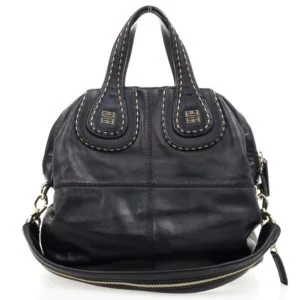
The Nightingale’s shape is its whole identity. It’s built on a wide, gusseted trapeze base that lets the bag slouch and widen as it’s loaded, rather than holding a rigid box shape. That slouch is intentional — it’s what gives the bag its “worn-in” utilitarian read even brand new.
Construction details worth knowing:
- Leather: Most commonly smooth calfskin or goatskin, both known for a soft hand-feel and a visible, irregular grain (this matters for authentication, more below). Givenchy also released exotic versions in python and embossed croc, along with suede editions in later seasons.
- Hardware: Signature gold-tone hardware on most classic releases, with gunmetal offered on darker colorways. The standout hardware element is the oversized front strap with a metal loop/buckle detail — a design cue that Tisci-era Givenchy repeated across other bags in the line.
- Handle and strap: A structured top handle sized for hand-carry rather than shoulder wear on most sizes, with select releases offering a removable crossbody strap.
- Branding: Deliberately minimal. There’s no repeating logo print anywhere on the exterior — just a small embossed “GIVENCHY” on an interior leather tag and, on some releases, a subtle metal tab near the zipper pull. This is part of the appeal for buyers who want the bag’s shape to do the talking, but it also means counterfeiters have fewer details to get right, and fewer details for buyers to check.
The practical trade-off: that slouchy base isn’t great at holding its shape when the bag is half-empty, and the leather — soft as it is — shows scuffs and corner wear faster than a stiffer, coated leather would. Buyers coming from structured bags (think Chanel flap territory) sometimes find the Nightingale needs a slightly different care mindset.
How to Authenticate a Givenchy Nightingale #
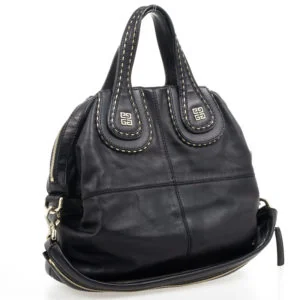
Because the branding is minimal, authentication comes down to construction quality rather than logo-spotting. Here’s what I check, in order:
Stitching. Genuine Nightingales have tight, even stitching with consistent spacing and no visible glue squeeze-out along the seams. Counterfeits often show slightly uneven stitch length, especially around the base gusset and handle attachment points — the two hardest areas to replicate cheaply.
Interior brand tag. The leather tag inside should have a crisp, shallow-but-clean embossing of “GIVENCHY” in a specific serif font — not a shiny stamped foil, not overly deep or blobby lettering. A blurry, off-center, or wrong-font tag is an immediate red flag.
Hardware weight and engraving. The front buckle hardware and any logo-stamped pieces should feel solid, not hollow or light. On authentic pieces, engraved lettering on hardware is sharp-edged; on fakes it’s frequently shallow or slightly misaligned.
Leather grain. Real goatskin and calfskin have a natural, slightly irregular grain pattern — no two panels look identical. Counterfeit leather (real or bonded) tends to show a repeating, too-uniform texture, and often feels stiffer or more plastic-like under the fingers.
Zipper and pulls. Check for smooth, snag-free zipper action and a pull tab that matches the bag’s hardware tone exactly — mismatched or generic unbranded zippers are common on fakes.
Proportions. This is the one buyers miss most. Counterfeits frequently get the size ratio slightly wrong — a “Medium” that looks a touch too tall and narrow, or a handle drop that’s a centimeter or two off. If you can, compare against verified photos of the same size/season.
If you’re buying pre-owned rather than new, this is also where shopping through an authenticated platform earns its markup. Reputable resale sites and consignment houses run physical authentication checks — often multi-point inspections by trained staff — before listing, which shifts the burden of proof off the buyer. For a bag like the Nightingale, where there’s no obvious logo to fake-spot from a photo, that third-party check is worth more than it is on a heavily branded bag.
Sizes, Colors, and Leather Options #
The Nightingale was produced across four main sizes — Mini, Small, Medium, and Large — giving buyers a real range from evening bag to weekend tote. Colorwise, black remains the most consistently produced and most resale-liquid option, but Givenchy ran seasonal colors including oxblood, tan, cobalt, and pastel editions during the height of the line’s popularity (roughly 2008–2013).
Leather and material options you’ll encounter on the pre-owned market:
- Smooth calfskin — the most common, softest hand-feel, shows scuffs most easily
- Goatskin — slightly more textured and scratch-resistant than calfskin
- Suede — used on select seasonal releases, beautiful but high-maintenance
- Python and embossed croc — limited runs, command a real premium on resale, but require specialty exotic-leather care
- Two-tone and color-block editions — visually distinctive but a smaller resale audience, since they’re harder to style long-term
For a first Nightingale, black smooth leather with gold hardware is the safest buy — it’s the combination the source bag in this guide features, and it’s consistently the easiest to resell later if your taste changes.
Price and Resale Value #
At original retail, Nightingales ranged roughly from around $1,600 for a Mini in standard leather up to $2,800+ for Large sizes or exotic leathers, depending on the season. The bag has since been discontinued from Givenchy’s main line, which puts all current buying activity on the secondary market.
On resale, here’s what actually moves the needle:
- Condition of the corners and base — because of that slouchy structure, this is where wear shows first and where resale platforms dock value most aggressively
- Hardware condition — gold-tone hardware that’s tarnished or losing plating drops value noticeably; this is a bigger issue on Nightingales than on bags with hardware that’s more heavily lacquered
- Color — black and neutral tones hold 40–55% of original retail in good condition on authenticated platforms; bold seasonal colors and two-tones often land lower, in the 25–40% range, simply due to smaller buyer pools
- Completeness — original dust bag, authenticity card, and box add a modest premium but matter less here than on bags like Chanel or Louis Vuitton, where box culture is stronger
For comparison, this puts the Nightingale in a similar resale bracket to the Alexander Wang Rocco — another structured, minimally branded 2010s-era bag that built a cult following on shape rather than logo. It sits a step below the Balenciaga City bag, which has stronger brand recognition and correspondingly higher resale floors, especially in classic black. If you’re choosing between the three purely on value retention, the City bag is the safer hold; the Nightingale and Rocco are closer in resale performance, with the Nightingale having a slight edge in exotic-leather and limited-color demand.
The honest downside: because the Nightingale is discontinued and wasn’t produced at Birkin- or Kelly-level scarcity, it won’t appreciate. Buy it because you want to wear it, not as an investment piece.
Caring for Your Nightingale Bag #
The soft leather that makes the Nightingale comfortable to carry is also the reason it needs more attention than a stiffer, coated-leather bag.
- Stuff it when storing. Use acid-free tissue or a bag pillow to hold the trapeze shape — an empty Nightingale left standing will slouch and crease permanently at the base over time.
- Condition sparingly. Smooth calfskin and goatskin benefit from an occasional light leather conditioner, but over-conditioning darkens and softens the leather more than intended. Test on an inconspicuous spot first.
- Keep it away from moisture and perfume. The gold-tone hardware is plated, not solid gold, and will tarnish faster with perfume or hairspray contact — spray those before putting the bag on, not after.
- Wipe hardware dry, don’t polish aggressively. A soft, dry cloth is enough for routine care; harsh metal polish can strip plating.
- Rotate carry hands. The single top handle takes the brunt of wear on Medium and Large sizes — alternating which hand or shoulder you use slows uneven creasing.
- Suede and exotic leather versions need specialty care products matched to the material — a generic leather conditioner isn’t appropriate for either and can cause visible damage.
Size Guide: Mini vs Small vs Medium vs Large #
Exact measurements shifted slightly across seasons, so treat these as approximate references and confirm specifics with the seller or platform listing before purchase.
| Size | Approx. Dimensions (L x H x W) | Best For |
|---|---|---|
| Mini | ~9" x 6" x 4" | Evening use, minimal essentials, crossbody with optional strap |
| Small | ~10.5" x 7" x 4.5" | Daily use for those who carry light, easy hand-carry |
| Medium | ~12.5" x 9.5" x 5" | The most popular size — fits a tablet, wallet, everyday items comfortably |
| Large | ~15" x 11" x 6" | Weekend or work bag, can slouch significantly when under-packed |
The Medium is the size most commonly found in authenticated resale listings, which also makes it the easiest to comparison-shop and price-check against similar sold listings.
FAQ: Givenchy Nightingale Bag #
Is the Givenchy Nightingale still in production? No. It’s been phased out of Givenchy’s current collections, so all buying today happens on the pre-owned and vintage resale market.
How can I tell if a Nightingale is fake without seeing it in person? Ask the seller for close-up photos of the interior leather tag, the base stitching, and the hardware engraving. If they can’t or won’t provide clear shots of these three areas, that’s a signal to walk away or insist on third-party authentication before paying.
What’s a fair price for a pre-owned Nightingale in good condition? For a Medium in black smooth leather with solid hardware and no major base wear, expect roughly 40–55% of original retail on an authenticated platform — generally in the $700–$1,400 range depending on exact condition and season.
How does it compare to a Balenciaga City bag or Alexander Wang Rocco? All three share the “structured but slouchy, minimal branding” DNA. The City bag has the strongest resale floor and brand recognition. The Rocco and Nightingale trade similarly, with the Nightingale having a slight advantage in rare colorways and exotic leathers. Choose based on shape preference — the Nightingale’s trapeze base carries more casually, the City’s rounder body reads slightly dressier.
Which colorway holds value best? Black with gold hardware, consistently. It’s the most recognizable version, the easiest to style, and the deepest buyer pool on resale.
Where should I buy a pre-owned Nightingale? Stick to platforms or consignment sellers that offer in-house authentication with a written guarantee, rather than unverified marketplace listings. The cost difference is usually small relative to the peace of mind, especially on a bag like this one where fakes can be hard to spot from photos alone.
Related Articles #
- Replica vs Pre-Owned Bags: Which Is the Smarter Buy?
- How to Buy & Authenticate Pre-Owned Louis Vuitton Bags
- How to Spot a Fake Chanel Flap Bag: Authentication Guide
- Chanel 2.55 History, Details & How to Spot a Fake
- Celine Triomphe Bag Guide: Sizes, Price & Real vs Fake
Related guides
- Online Bag Authentication: What Photos Can and Cannot Prove
- Blue Crocodile Lady Dior Tote: Buying Guide
- Chanel Vintage Flap Bag Buying Guide: Navy Lambskin
- Louis Vuitton Palm Spring Backpack: Complete Buyer's Guide
- How to Buy an Authentic Luxury Bag from China Safely
- New vs Pre-Owned Luxury Bags: Which Route Is Right for You?
- Chanel Bag Guide: What to Know Before You Buy
- Luxury Bag Houses


Keyword index