Introduction #

Every November, the same question shows up in luxury resale forums and Reddit threads: can you actually find a real discount on a Hermès Kelly, a Chanel flap, or a Louis Vuitton bag during Black Friday, or is the whole thing a trap designed to sell you a fake at a “too good to pass up” price?
The honest answer is both. Genuine markdowns exist, but they don’t come from the brands themselves, and the sale season also happens to be prime hunting ground for counterfeit sellers who know exactly how to dress up a scam as a doorbuster. If you’ve spent any time authenticating bags, negotiating with resellers, or watching auction houses move hardware, you already know the pattern: demand spikes, scrutiny drops, and that’s when fakes slip through.
This guide isn’t about chasing hype. It’s about knowing where real inventory actually gets discounted, what an authentication process should look like before you hand over your card details, and how to read a listing the way an authenticator would — before Black Friday and Cyber Week 2025 turn into an expensive lesson.
Why Black Friday Hits Different in Luxury Fashion #
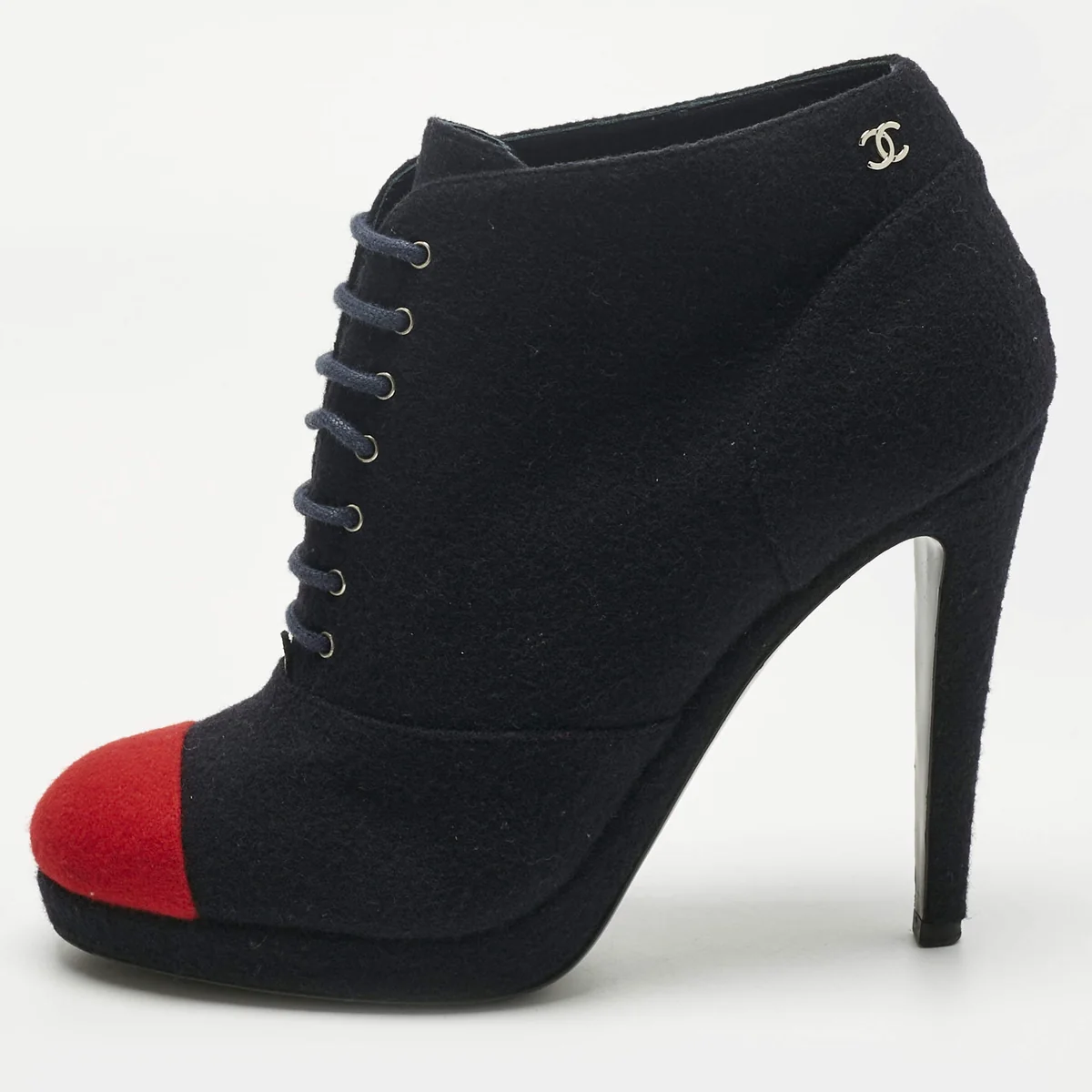
Set expectations correctly first: Chanel, Hermès, and Louis Vuitton do not run Black Friday sales. Not “rarely” — essentially never, at least not through their own boutiques or official e-commerce.
Chanel has a long-documented policy of destroying unsold or damaged stock rather than discounting it, precisely because a markdown undercuts the exclusivity the brand sells alongside the bag. Louis Vuitton states plainly on its own site that it does not offer sales or promotional pricing; any “discounted LV” listing outside the secondhand market is either old stock being resold, or fake. Hermès doesn’t need to discount anything — its constraint is supply, not demand, which is why Birkins and Kellys are allocated through in-store relationships and waitlists rather than sold off in a sale event.
That reality reroutes serious buyers toward the pre-owned and resale market, where the discounting logic is completely different. A platform selling authenticated pre-owned inventory has actual holding costs, seasonal demand cycles, and inventory targets — all things that justify a real percentage off. Layer a Black Friday promotion on top of an already-reduced resale price, and you get the closest thing luxury shopping has to an actual deal.
The practical takeaway: if you see “40% off Chanel” from what claims to be an official or first-party retailer this Black Friday, that’s not a deal signal. It’s a red flag.
The Hidden Risks of Luxury Black Friday Shopping #
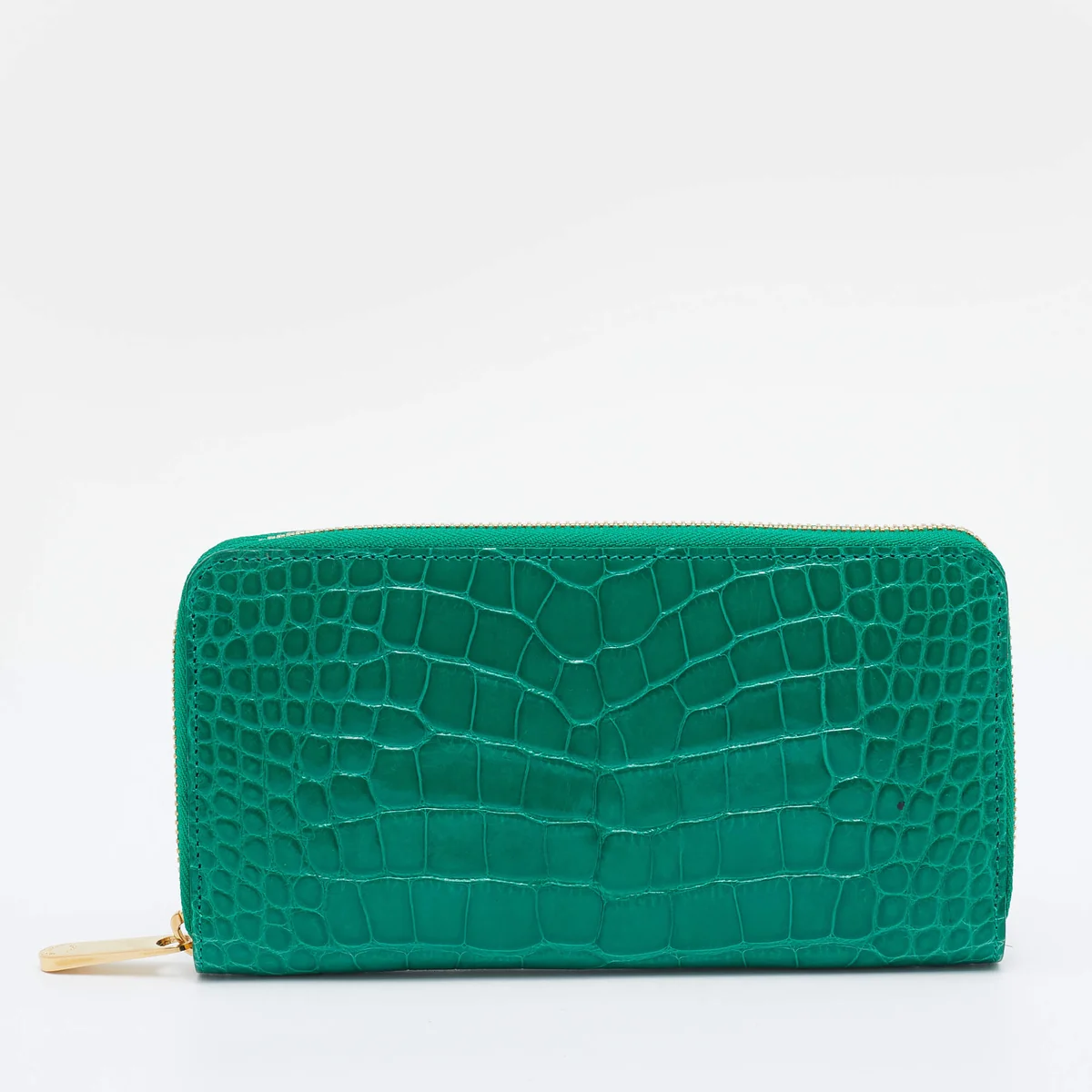
High-volume shopping days are counterfeit sellers’ busiest season, for a simple reason: buyers are moving faster and second-guessing less. A few patterns worth knowing before you start browsing:
Lookalike domains. Sites that mimic a legitimate retailer’s name with a slight misspelling, an extra word (“outlet,” “official,” “boutique”), or a different domain extension (.shop, .store, .cc) are one of the most common counterfeit funnels during sale season. They often clone real product photography from authentic listings.
Fake urgency mechanics. Countdown timers that reset when refreshed, “only 2 left in stock” banners on dozens of different bags, and pop-ups claiming someone “just purchased this item” are pressure tactics, not real scarcity.
Payment methods that avoid buyer protection. Requests to pay via wire transfer, crypto, or third-party payment apps outside a platform’s checkout are a serious warning sign — these methods typically strip you of any chargeback or dispute rights.
Social media ad funnels. A huge share of luxury counterfeit traffic during Black Friday comes from Instagram and Facebook ads leading to standalone storefronts with no verifiable business history, no authentication guarantee, and customer service that disappears after the sale.
“Discounted” grail bags. Any listing offering a Birkin, Kelly, or a current-season Chanel flap at a steep percentage off retail should be treated as a counterfeit until proven otherwise. These bags don’t get marked down — genuine scarcity keeps resale prices high even in the secondary market.
None of this means Black Friday luxury shopping is unsafe. It means the safety comes from where you shop, not from how convincing the discount looks.
Where to Actually Find Authentic Deals #
The real opportunity this season sits with established resale and consignment platforms that build authentication into their business model rather than treating it as an afterthought. The three most recognized names in this space — Vestiaire Collective, Fashionphile, and The RealReal — each take a slightly different approach worth understanding before you buy.
| Platform | Authentication approach | Typical Black Friday behavior | Return window | Best for |
|---|---|---|---|---|
| Vestiaire Collective | Third-party physical authentication check on qualifying items before shipping to buyer; peer-to-peer marketplace model | Sitewide promo codes plus seller-set discounts, often stacking to 15-30% off | Limited — often non-returnable once authenticated and shipped, exceptions vary by region | Broader selection, contemporary designer pieces, negotiable listings |
| Fashionphile | In-house team inspects and authenticates every item before it’s listed; owns inventory outright | Category-specific promotions, frequently 20-25% off select handbags and accessories | Typically a short return window (around 3 days) for store credit or refund depending on item | Hermès, Chanel, and other grail bags with consistent grading standards |
| The RealReal | In-house authenticators plus brand-specific specialists; owns inventory | Sitewide sale events plus extra markdowns on clearance tiers, ranging roughly 20-30% | Return policy varies by item type; final sale on certain luxury handbags | Wide range of price points, frequent flash sales |
A few honest caveats worth flagging: Vestiaire Collective’s peer-to-peer model means condition grading can be less consistent since sellers list their own items, even with authentication checks layered on top. Fashionphile and The RealReal take physical possession and photograph items themselves, which tends to produce more reliable condition accuracy, but inventory on grail pieces like a Kelly 25 or a [[[[Chanel Classic Flap](/buying-guides/which-chanel-bag-to-buy/)](/buying-guides/vintage-chanel-finds-top-picks/)](/buying-guides/classic-and-chic-handbags-style-icons/)](/buying-guides/chanel-flap-bag-buying-guide/) in Caviar moves fast and rarely sits around long enough to hit a deep discount.
Smaller specialist consignment platforms exist too, and some run legitimate Black Friday promotions, but do your own due diligence on business history, authentication policy, and return terms before trusting a name you haven’t heard of.
How to Verify Authenticity Before You Buy #
Even on a reputable platform, it pays to know what an authenticator is actually checking, especially for Hermès and Chanel, where fakes have gotten noticeably better in the last few years.
Hardware and plating. Genuine Hermès palladium or gold hardware has weight and a specific finish that doesn’t chip or tarnish quickly. Check the Kelly or Birkin’s turn-lock and clochette for even plating and correctly proportioned engravings — counterfeit hardware often looks slightly too shiny or too light.
Stitching and saddle stitch pattern. Hermès bags are hand-stitched using a saddle stitch, which produces a slightly diagonal, uniform pattern on both sides of the seam. Machine stitching that looks perfectly straight and identical on both sides is a strong counterfeit indicator.
Blind stamps and date stamps. Authentic Hermès bags carry a craftsman’s blind stamp and a date stamp (a letter inside a shape) stamped into the leather near the interior. Fonts, spacing, and placement should match known reference points for the era.
Interior lining and smell. Genuine leather has a distinct smell that’s hard to fake convincingly, and interior lining stitching should be as clean as the exterior — sloppy interior work is one of the fastest tells on a counterfeit.
Serial numbers and date codes. For Chanel and Louis Vuitton, cross-check the serial or date code format against the era the bag claims to be from — brands have changed their numbering systems over the decades, and a mismatched code is a definitive red flag.
If you’re buying through a resale platform, ask specifically what their authentication process involves — how many checkpoints, whether it’s done by an in-house team or a third-party service, and whether you receive documentation. A platform that can’t clearly explain its process shouldn’t get your money, sale or no sale.
Smart Buying Strategy for Black Friday & Cyber Week 2025 #
Black Friday 2025 falls on November 28, with Cyber Monday following on December 1 — most resale platforms run promotions across that full window rather than a single day, and some start “early access” deals the week prior.
Based on how these platforms have historically structured their sale events, here’s what to expect and how to prioritize:
Expect modest, not dramatic, discounts on grail bags. A Birkin, Kelly, or current-season Chanel flap is unlikely to see more than 10-15% off even during peak sale windows, because demand for these pieces stays high year-round. Treat any bigger discount on these specific bags as a reason to scrutinize the listing, not celebrate it.
Look for deeper cuts on accessories and smaller leather goods. Wallets, cardholders, scarves, and belts from the same houses often see 20-30% off during Cyber Week, since they don’t carry the same waitlist pressure as flagship handbags.
Prioritize pieces with strong resale history. Hermès Birkins and Kellys, Chanel Classic Flaps in Caviar or Lambskin, and Louis Vuitton’s Capucines have consistently held or appreciated in resale value over the past decade. A discounted entry point into one of these is a better long-term buy than a heavily marked-down piece from a brand with weaker resale demand.
Buy condition, not just price. “Excellent” or “like new” condition items typically resell better and wear better than “good” condition pieces, even at a higher upfront cost. Factor resale value into your decision if you’re buying with any intention of reselling later.
Set alerts early and compare across platforms. Prices for the same or comparable bag can vary meaningfully between Vestiaire Collective, Fashionphile, and The RealReal — a few minutes comparing listings before you buy is worth more than any single-day discount.
Check international shipping and customs costs before checkout. Cross-border buyers should confirm whether duties and import taxes are included at checkout or billed separately on delivery — this is where an apparently good deal can lose its edge once customs fees land. Most major resale platforms disclose this at checkout, but policies differ by destination country, so check before you commit.
How to Spot Fake ‘Black Friday Deals’ and Protect Yourself from Counterfeits #
Given how much counterfeit activity spikes this time of year, it’s worth having a specific checklist for the sale season itself, separate from general authentication red flags.
- The domain is unfamiliar and the discount is extreme. A 50-70% off Hermès or Chanel listing from a site you’ve never heard of is not a deal — it’s the setup for a scam.
- No authentication guarantee or return policy is stated anywhere. Legitimate resale platforms publish their authentication process and return terms clearly. If you can’t find this information, that’s disqualifying on its own.
- Product photos look too polished or inconsistent with a used item. Stock-style photography on a “pre-owned” listing, or photos that don’t match the item’s stated condition, are common on counterfeit storefronts.
- Checkout pushes you toward untraceable payment. Wire transfer, cryptocurrency, or off-platform payment requests strip away your dispute rights. Walk away.
- Customer service is a generic email or nonexistent. Real platforms have identifiable customer support channels, business registration information, and a traceable history — reverse-image search product photos and check reviews on independent sites like Trustpilot before buying from an unfamiliar seller.
- The listing pressures urgency disproportionate to the item. A countdown timer on a $150 wallet is normal marketing. A countdown timer on a “$4,000 Birkin, 60% off, 3 left” is a manufactured scarcity trick.
- There’s no serial number, date code, or documentation offered. Ask directly. A seller unwilling to provide this before purchase, even under sale pressure, is not one to trust with a four-figure purchase.
If something feels off, it usually is — the instinct that made you double-check is doing its job.
Authenticity Verification Checklist Before You Buy #
Before you complete any Black Friday or Cyber Week luxury handbag purchase, run through this:
- Platform publishes a clear, specific authentication process (not just “guaranteed authentic” with no detail)
- Return or refund policy is stated in writing before purchase, including any final-sale exceptions
- Condition grading is defined (what does “excellent” vs “good” actually mean on this platform)
- Seller or platform has verifiable reviews on an independent site, not just testimonials on their own homepage
- Serial number, date code, or blind stamp details are visible in listing photos or available on request
- Hardware, stitching, and interior lining photos are provided, not just glamour shots
- Shipping insurance and tracking are included, especially for international orders
- Customs duties and import taxes are disclosed at checkout, not left as a surprise on delivery
- Payment goes through the platform’s secure checkout, not a wire transfer or off-platform request
- You’ve cross-referenced the price against at least one other reputable platform for the same or comparable item
FAQ
Do Hermès, Chanel, or Louis Vuitton ever have real Black Friday sales? No. All three brands avoid discounting through their own retail channels. Any “official” discount you see on these brands during Black Friday is either a resale platform’s markdown on a pre-owned item, or a counterfeit.
Is buying a pre-owned Birkin or Kelly during Black Friday actually a good deal? It can be, but expect a modest discount, not a dramatic one. These bags hold value well, and platforms don’t need to slash prices to move them. A 10-15% reduction on an already-authenticated piece is a legitimate win.
What’s the safest way to buy internationally during this sale period? Confirm customs and duty costs at checkout before you buy, use a platform with tracked, insured shipping, and avoid any seller unwilling to provide clear documentation of authentication and return terms for cross-border orders.
How can I tell if a resale platform’s authentication process is legitimate? Look for specifics: who authenticates (in-house team vs third party), how many checkpoints are involved, and whether documentation is provided with purchase. Vague claims like “100% authentic guaranteed” with no explanation of process are a weaker signal than a platform that walks you through its actual inspection steps.
Related Articles #
- How to Buy & Authenticate Pre-Owned Louis Vuitton Bags
- Hermès Retail vs. Resale: Which Should You Choose?
- How to Spot a Fake Hermès Bag: Authentication Guide
- Replica vs Pre-Owned Bags: Which Is the Smarter Buy?
- How to Spot a Fake Hermès Birkin: Expert Checklist
Related guides
- Online Bag Authentication: What Photos Can and Cannot Prove
- Inside a Million-Dollar Closet: Pre-Loved Hermès & More
- Meet Marwa Azzam Aldabbagh: Kelly Bag Authentication Expert
- Luxury Handbag Authentication Process Explained
- How to Buy an Authentic Luxury Bag from China Safely
- New vs Pre-Owned Luxury Bags: Which Route Is Right for You?
- Chanel Bag Guide: What to Know Before You Buy
- Luxury Bag Houses


Keyword index