Introduction #
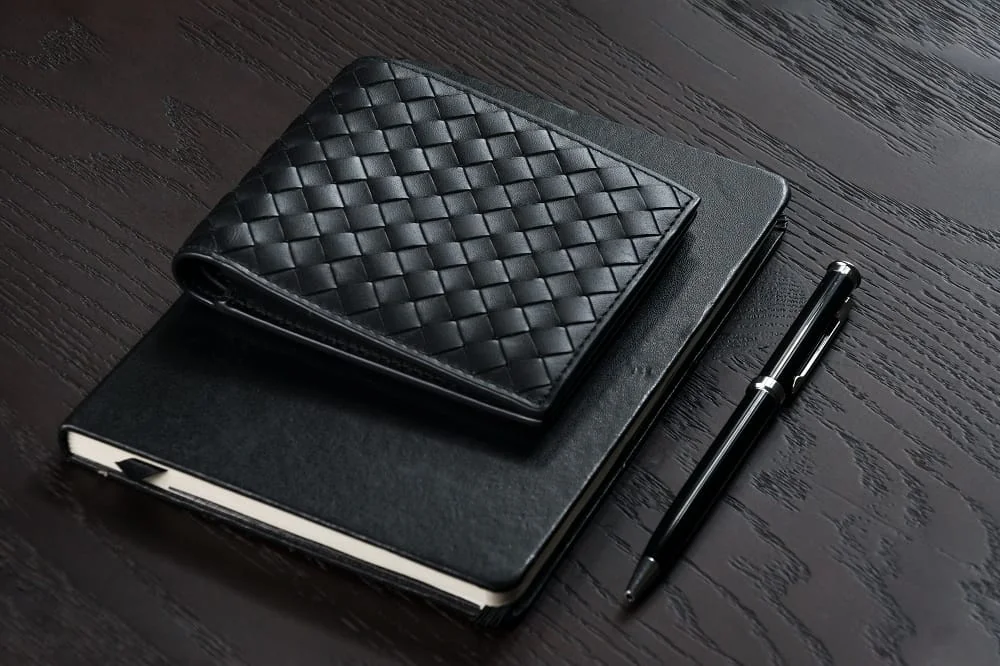
A wallet doesn’t get the same spotlight as a watch or a pair of shoes, but it’s handled more than almost anything else a man owns. It gets pulled out at the register, tossed on a nightstand, shoved into a back pocket, and generally treated with less ceremony than its price tag deserves. That daily friction is exactly why the wallet is worth getting right.
Designer men’s wallets under $500 sit in an interesting pocket of the market. You’re past the throwaway leather-goods tier, but you’re also below the price where a Kelly-level investment piece lives. At this range, you can genuinely get houses like Gucci, Louis Vuitton, Bottega Veneta, Burberry, S.T. Dupont, and Montblanc — either through smart retail timing or, more often, through the pre-owned market, where small leather goods depreciate faster than bags and hold real value for buyers who know what they’re looking at.
This guide walks through what separates a well-made wallet from a mediocre one, which brands are worth shortlisting under $500, how to pick the right format for how you actually live, and how to verify authenticity before you hand over money for something secondhand. No hype, no “trust me” — just the details that matter when you’re spending real money on a small object you’ll use every day for years.
Why Choose Designer Men’s Wallets #
The honest case for a designer wallet isn’t the logo. It’s what the logo is usually attached to: tighter tolerances in the leather cutting, edge finishing that doesn’t crack after a season, and stitching density that a $40 wallet simply doesn’t get. Pull apart a mass-market bifold and a Bottega Veneta or Louis Vuitton piece side by side, and the difference shows up in details most people never think to check — how the corners are folded, whether the card slots are reinforced, whether the interior lining is glued or properly seamed.
Durability is the practical argument. A full-grain or vegetable-tanned leather wallet from a house that controls its own tanneries will age into a patina instead of just wearing out. A bonded or heavily coated leather wallet will crack at the fold lines within a year or two of daily use, no matter how good it looks on day one. If you’re carrying the same wallet five days a week, that difference compounds fast.
There’s also a resale argument that generic brands can’t offer. A well-kept Gucci or Louis Vuitton cardholder retains a meaningful percentage of its value on the secondhand market. A no-name leather wallet is worth nothing the day after you buy it. That’s not a reason to buy designer on its own, but it does change the math on cost-per-year.
The honest downside: you are paying a premium for brand equity on top of materials, and at the very entry level of some brands’ lineups, the leather quality isn’t dramatically different from a well-made non-designer alternative. We’ll get into that trade-off later in this guide.
Top Designer Wallet Brands to Shop Under $500 #
At this budget, you’re rarely buying a brand-new flagship piece from most of these houses at full retail — you’re buying smart. That means catching entry-level lines new, or buying pre-owned pieces in excellent condition, which is where the value case gets strong. Here’s how the major players break down.
Gucci #
Gucci’s wallet range leans on instantly recognizable codes: the interlocking GG canvas, the Horsebit hardware, and the green-red Web stripe. Under $500, you’re typically looking at canvas cardholders, coin pouches, and slim bifolds rather than the leather-heavy pieces, which run higher. The canvas construction is genuinely durable and resists surface scuffing better than smooth leather, which makes it a smart pick for someone who wants the look without babying the item.
Watch for: the canvas is coated, so it doesn’t develop the same character over time that leather does — it stays looking the same until it eventually shows wear at the corners.
Louis Vuitton #
Louis Vuitton’s small leather goods are arguably the most durable in this list. The coated canvas (Monogram or Damier) is closer to a technical material than traditional leather — it’s scratch-resistant, doesn’t stain easily, and holds its shape. Under $500 you’ll find pocket organizers, key holders, coin purses, and some cardholders, mostly pre-owned since new retail prices have climbed steadily over the past few years.
Watch for: the vachetta leather trim (the untreated tan leather edging) darkens and patinas with wear, which some buyers love and others find inconsistent-looking if it patinas unevenly.
Bottega Veneta #
The intrecciato weave is the whole story here — it’s structurally clever, not just decorative, because the woven leather flexes and resists creasing in ways flat leather doesn’t. Bottega wallets tend to feel more substantial in hand than their competitors at a similar price. Under $500 you’re almost always in pre-owned territory, since new BV small leather goods have moved upmarket in recent years.
Watch for: the weave is harder to fake convincingly than a logo print, which actually makes Bottega a relatively safer pre-owned buy from an authentication standpoint — but check the weave tightness and consistency anyway.
Burberry #
Burberry mixes its heritage check canvas with smooth calf leather, and the wallets tend to skew toward classic bifold and card case silhouettes. It’s a good option for buyers who want a recognizable pattern without going as loud as monogram canvas. Card cases and slim bifolds are realistic finds under $500, new or pre-owned.
Watch for: the leather trim on check-canvas pieces is a common failure point — check stitching at the edges where canvas meets leather before buying pre-owned.
S.T. Dupont #
Less hyped than the fashion houses, S.T. Dupont built its reputation on precision leather goods and hardware, and its wallets reflect that — think cheque holders, business card cases, and travel wallets with a more understated, executive aesthetic. This is a strong pick for someone who wants designer-level construction without an obvious logo.
Watch for: resale demand is lower than Gucci or LV, which means better prices for buyers but slower resale if you ever want to sell.
Montblanc #
Montblanc’s leather goods carry over the precision associated with its writing instruments — clean lines, minimal branding, and a focus on card and note organization rather than statement design. It’s a sensible choice for a professional gift or a first designer wallet for someone who doesn’t want visible logos.
Watch for: like S.T. Dupont, the brand’s leather goods resale market is thinner, so treat it as a “buy to keep” purchase rather than a flip.
Quick Comparison #
| Brand | Signature Material | Best For | Typical Under-$500 Pieces | Logo Visibility |
|---|---|---|---|---|
| Gucci | GG canvas, Web stripe | Recognizable style, low-maintenance | Cardholder, coin pouch, slim bifold | High |
| Louis Vuitton | Coated Monogram/Damier canvas | Everyday durability | Cardholder, key holder, coin purse | High |
| Bottega Veneta | Intrecciato woven leather | Understated luxury, longevity | Cardholder, compact wallet (pre-owned) | Low |
| Burberry | Check canvas + calf leather | Classic bifold styles | Card case, slim bifold | Medium |
| S.T. Dupont | Structured smooth leather | Business/travel use | Cheque holder, card case | Low |
| Montblanc | Fine calf leather | Professional gifting | Cardholder, compact wallet | Low |
How to Choose the Right Designer Wallet for You #
Match the Format to Your Habits #
- Bifold: The default for a reason — it holds cash and cards in a slim, pocket-friendly fold. Best for men who carry a handful of cards and some cash daily.
- Cardholder: The fastest-growing category, and the one most brands are pushing hardest at sub-$500 price points, because it uses less material and still carries full brand identity. Best if you’ve gone mostly cashless.
- Zip-around: Bulkier but secure, good for travel or for anyone who carries coins, receipts, or multiple currencies. Less common in men’s ranges but available from most of the brands above.
- Money clip: A minimalist’s choice — cards and folded bills held by a metal clip instead of stitched compartments. Comfortable in a pocket, but not ideal if you carry more than 4-5 cards.
Judge the Materials, Not Just the Look #
Run your thumb along the edge of the leather. Painted or coated edges that flake under light pressure are a red flag on quality, whether the piece is new or pre-owned. Check the card slots for reinforcement stitching — a slot with just a single fold of leather will stretch and sag within months. Canvas pieces (LV, Gucci) should feel stiff but not brittle; if the coating is cracking at the corners, that’s wear that won’t reverse.
Right-Size the Card Capacity #
Count how many cards you actually carry before buying. Most men overestimate this. A cardholder rated for 4-6 cards that’s stuffed to 10 will bow and lose its shape within a year — that’s a construction issue, not a defect, so don’t blame the wallet for being used outside its design intent.
Verify Authenticity Before You Buy Pre-Owned #
This is where most of the value in this price bracket lives, and where most of the risk lives too.
- Buy from platforms with in-house authentication, not marketplace listings with no verification step. A seller’s return policy is not the same as a third-party authentication guarantee.
- Check stitch count and spacing against reference photos from the brand’s official site for the same style and year — counterfeit stitching is often visibly less even, especially around card slots.
- Inspect the date code or serial stamp (interior stamping conventions vary by brand and by era — Louis Vuitton’s date codes, for example, follow a letter-plus-number format that changed over time). If a seller can’t show you a clear photo of it, that’s a reason to walk away.
- Weigh the hardware. Zippers, clasps, and snaps on authentic pieces have a density to them — counterfeit hardware is almost always noticeably lighter and the finish wears through faster.
- Ask for the interior lining photo. This is one of the most commonly overlooked details by counterfeiters, and mismatched lining texture or color is an easy tell if you know what the authentic version looks like.
Consider the Occasion #
If you’re buying as a gift, the calculus shifts slightly. A cardholder or slim bifold in a neutral material (Bottega’s leather, Montblanc, Burberry’s check) reads as thoughtful without being flashy — safer territory for a father, boss, or a partner’s family member. Bolder monogram pieces (Gucci, LV) work better for someone who already wears logo-forward pieces, since you’re not introducing a new aesthetic they haven’t chosen for themselves. For milestone gifts — a promotion, a graduation — a S.T. Dupont or Montblanc piece pairs well with an actual keepsake feel, since neither brand chases seasonal trends the way the fashion houses do.
Caring for Your Designer Wallet #
- Empty it weekly. Overstuffing is the single biggest cause of premature wear — it stresses seams and stretches card slots faster than daily handling does.
- Keep it dry. Leather that gets wet and air-dries unevenly will stiffen and crack. Blot, never rub, and let it air dry away from direct heat.
- Condition sparingly. Full-grain and vegetable-tanned leathers benefit from an occasional light conditioning; coated canvases (LV, Gucci) do not need conditioner and can actually be damaged by oil-based products.
- Rotate if you own more than one. Letting a wallet rest between uses reduces fold stress at the same crease points.
- Store it structured. A wallet left flat under keys or a phone in a bag will develop permanent warping. Store upright or in a soft pouch when not in use.
Frequently Asked Questions #
Are designer wallets under $500 real designer quality, or entry-level “diffusion” pieces? Most of what you’ll find under $500 from Gucci, LV, or Burberry is genuinely from the brand’s core leather goods line — it’s just the smaller, less material-intensive category (cardholders, coin purses) rather than diffusion or outlet-tier product. Bottega Veneta and higher-tier pieces will more often require buying pre-owned to hit this budget.
Is it safe to buy a pre-owned designer wallet online? Yes, if you buy through a platform or seller that offers in-house or third-party authentication and a clear return policy. Avoid unverified marketplace listings with only a few low-resolution photos — that’s the most common setup for counterfeit sales.
Why do prices vary so much for the same brand? Material (canvas vs. leather), country of manufacture, and whether a piece is discontinued or current all affect pricing. Pre-owned condition grading (excellent, good, fair) also swings price significantly — a “good condition” wallet with visible corner wear can be 30-40% cheaper than the same style in excellent condition.
Should I buy new or pre-owned at this budget? Pre-owned generally gets you a higher tier of brand or material for the same money. New gets you full warranty coverage and zero condition risk. If you’re comfortable inspecting for authenticity (or buying from an authenticated platform), pre-owned is the better value play under $500.
How long should a designer wallet actually last? With reasonable care, a well-made leather or coated-canvas wallet should hold up for 3-5 years of daily use before showing significant wear, and canvas pieces often outlast leather ones in terms of surface durability.
Designer Wallets vs. Premium Non-Designer Brands: Is the Logo Worth It? #
This is the question most guides skip, and it’s the one that actually determines whether you’re happy with your purchase a year later.
Premium non-designer leather goods — think heritage leatherworkers without a fashion-house name attached — often use comparable or even better raw leather than entry-level designer pieces, because they’re not allocating part of the price to brand marketing. A $150-200 wallet from a dedicated leather goods maker can outlast a $300 entry-level designer cardholder in raw material terms.
What you don’t get with non-designer brands is resale liquidity and brand recognition. If you ever want to sell, a Gucci or Louis Vuitton piece in good condition holds real resale value on authenticated resale platforms — a non-designer wallet, however well made, typically doesn’t have that secondary market at all.
The honest answer: if you’re buying purely for material quality and plan to keep the wallet until it wears out, a premium non-designer option is often the smarter dollar-for-dollar buy. If resale value, brand recognition, or gifting presentation matters to you, the designer premium is buying something real — it’s just not buying “better leather,” it’s buying liquidity and signaling.
Leather Care Guide by Type #
Full-grain leather (common in S.T. Dupont, Montblanc, higher-tier Burberry): The most durable and the most rewarding to maintain. Condition every 3-4 months with a leather-specific cream, avoid direct sunlight for extended periods, and expect visible patina development — that’s a feature, not damage.
Vegetable-tanned leather (common in Bottega Veneta’s intrecciato pieces): Highly reactive to oils and moisture — hand lotion and daily handling alone will darken it over time. Wipe down periodically with a dry cloth and avoid saturating with conditioner, since over-conditioning can make the weave lose its structure.
Coated canvas (Louis Vuitton Monogram/Damier, Gucci GG): Wipe clean with a slightly damp cloth only — no leather conditioner, no alcohol-based cleaners, which can strip the coating. The vachetta leather trim on LV pieces, if present, should be treated as full-grain leather and kept away from moisture entirely to avoid staining.
Saffiano or textured calf leather (some Burberry and Montblanc pieces): The texture is created through a pressing process, which makes it scratch-resistant but also means deep scuffs can’t be buffed out the way they can on smooth leather. Clean with a soft brush and leather wipe rather than conditioning oils.
Related Articles #
- Party Season Bags: 4 Silhouettes You Actually Need
- Replica vs Pre-Owned Bags: Which Is the Smarter Buy?
- 50 Best Bags Under $500: Smart Style on a Budget
- Louis Vuitton Alma Bag: The Ultimate Buying Guide
- Popular Handbag Brands: Which One Is Right for You?
Related guides
- Online Bag Authentication: What Photos Can and Cannot Prove
- Meet Marwa Azzam Aldabbagh: Kelly Bag Authentication Expert
- Luxury Handbag Authentication Process Explained
- China TikTok Luxury Factory Claims: Fact vs Fiction
- How to Buy an Authentic Luxury Bag from China Safely
- New vs Pre-Owned Luxury Bags: Which Route Is Right for You?
- Chanel Bag Guide: What to Know Before You Buy
- Luxury Bag Houses

Keyword index